augmented-reality
(111)
RAVV puts the startup pieces together
A restaurant robot, a Berkeley partnership, and a media operation belong to the same idea: young technology companies need more than a cheque.
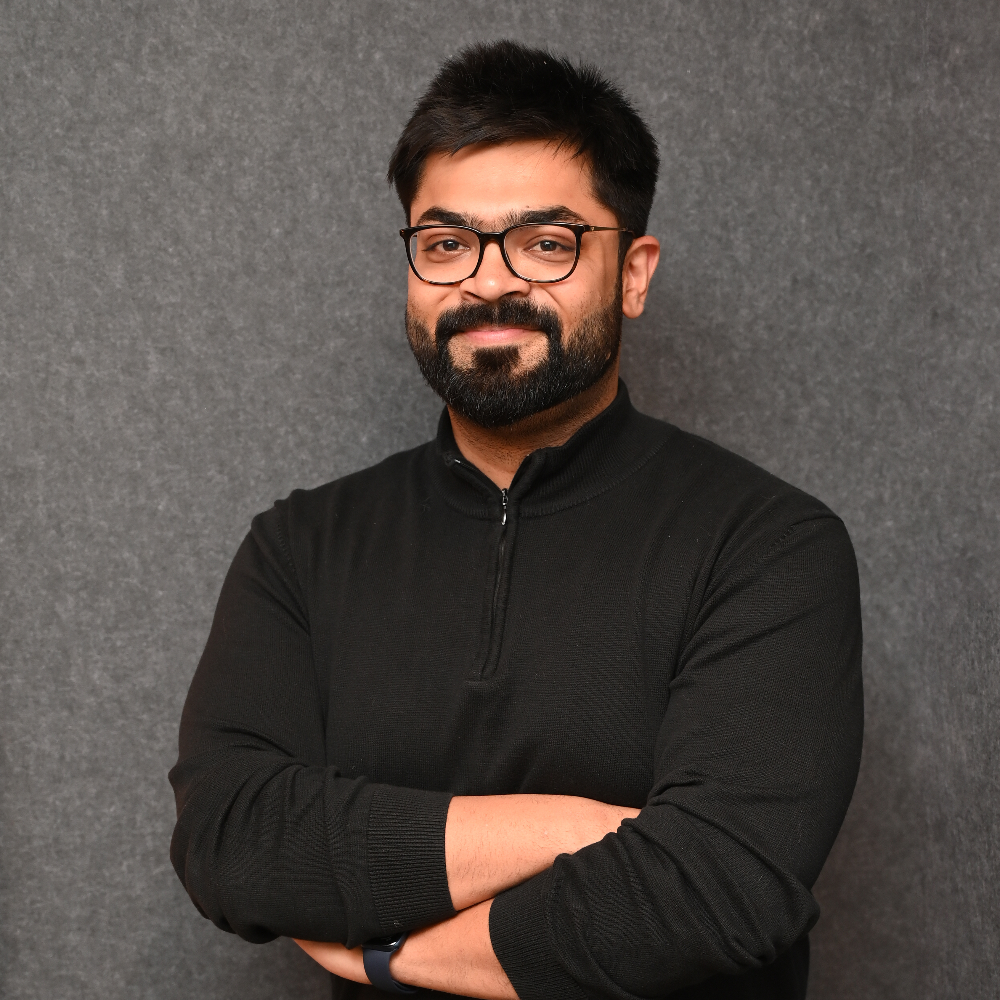
Kanav Singla and the trouble with a convincing picture
He began by putting virtual products in front of shoppers. A decade into Metadome.ai, Kanav Singla is pursuing a harder question: can the picture be trusted when the parts have to fit?

Osamah Choudhry and the long life of a side project
An NYU collaboration became Medivis, a New York company backed by investors from venture capital, basketball, and entertainment. Osamah Choudhry’s story is about what happens after an interesting idea acquires colleagues, customers, and a calendar.
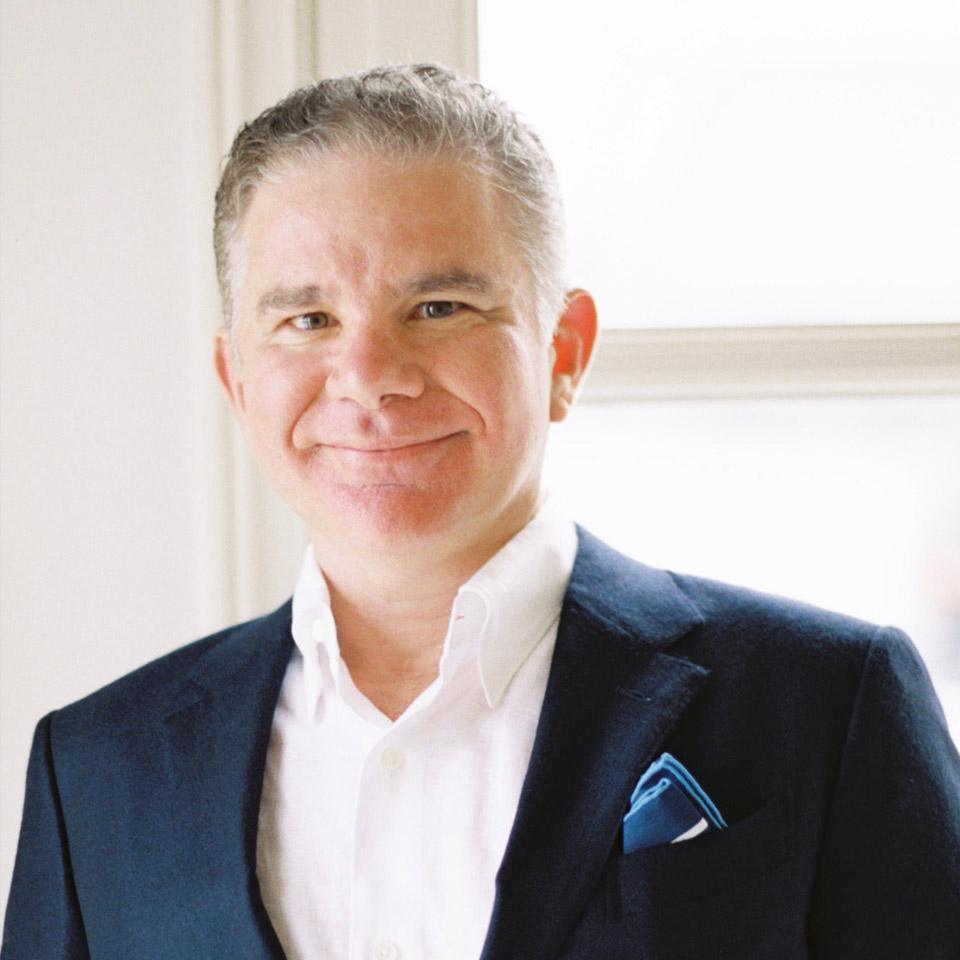
Dan Lejerskar’s 7,000-Day Bet on a Smaller Simulator
He helped build virtual worlds when the computers were the size of refrigerators. A phone brought him back to the business - and to a question he has pursued for decades: how do you put an expert’s knowledge within everyone’s reach?
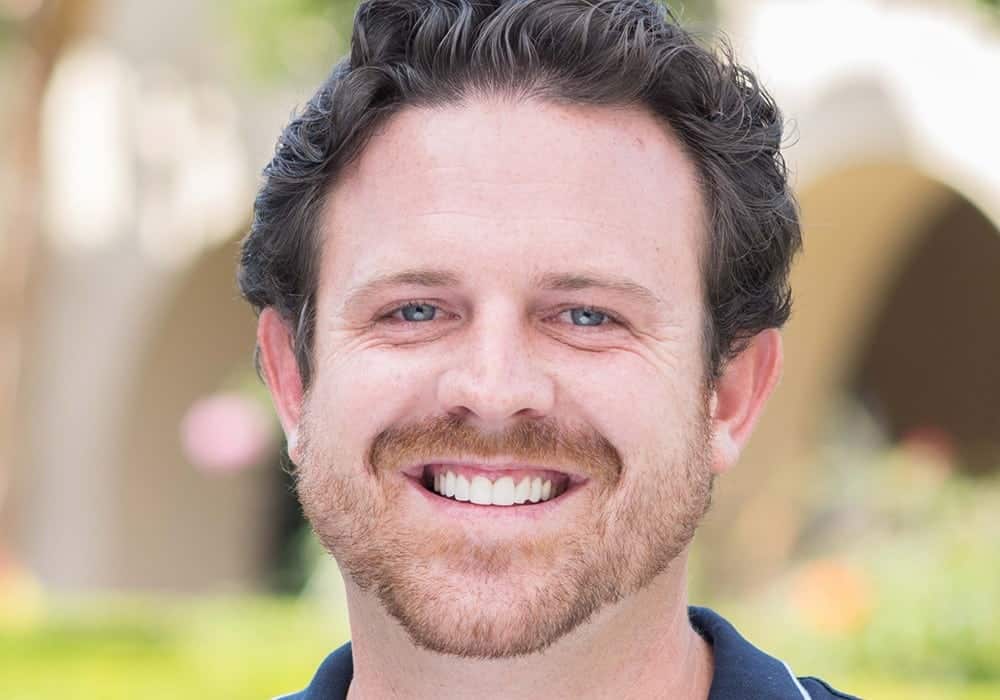
Paul Burke and the case of the distracted museum visitor
A trip to Rome gave the Guru Experience co-founder a reason to reconsider the phone in a visitor’s hand. His answer combined museum stories, mobile software and the unglamorous work of keeping both useful.

KoderLabs and the space between apps
A poolside scan, a freight booking, a healthcare kiosk. The Texas software consultancy’s most revealing work happens where one task is supposed to become the next.

Put curiosity in charge.
Guru Experience builds digital guides for museums and cultural places. Its most useful insight is about the work that happens after the app launches.

EON Reality’s Italian test: make learning real
EON Reality wants teachers and trainers to turn knowledge into experiences. Its Italian story shows why the software is only half the lesson.

Burak Soylu bought a ticket to the past
A travel agency, a teenage domain purchase, and a question about vanished worlds led the RoofStacks founder from selling journeys to building digital ones.
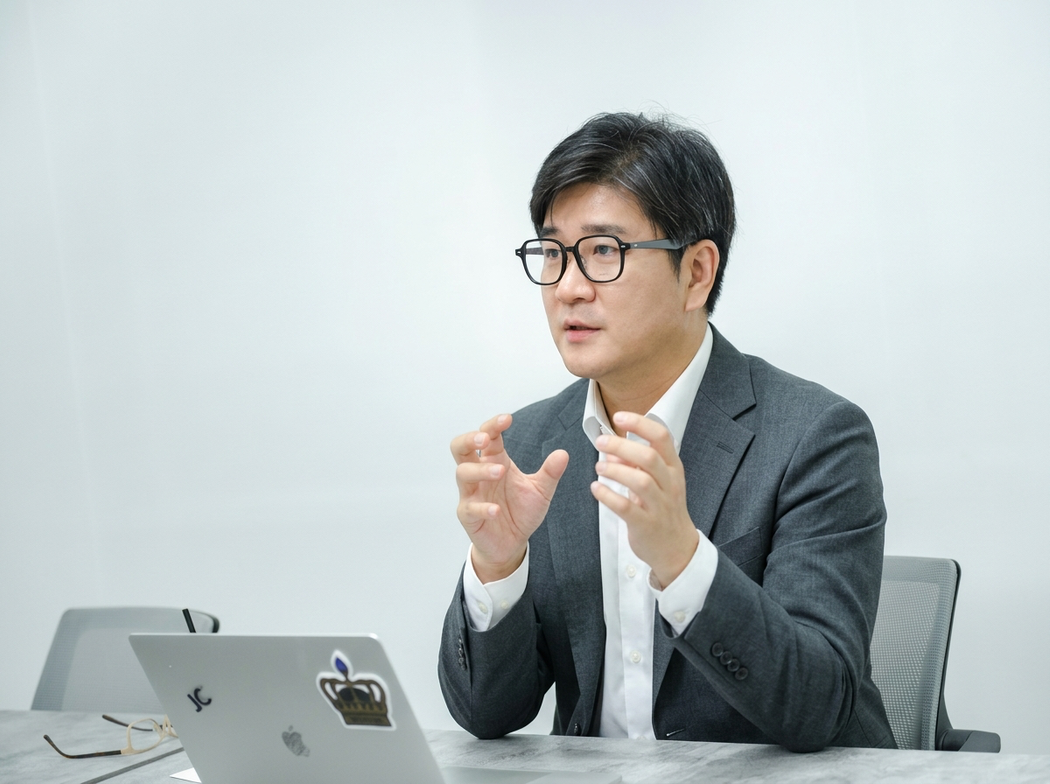
Michael Chong and the Case of the Missing Screen
He built a business around adding things to a camera image. Now Seerslab’s co-founder is betting on AI glasses with something conspicuously absent: a display.

Lisa Hu and the business of paying attention
A Houston Lyft ride helped Lisa Hu test the idea behind Roo. After building a marketplace for flexible work, she turned to another everyday exchange: asking people how they feel.

Kevin Justice and the Other Life of a Pen
A designer’s eye, an early appetite for interactive media, and a zebra with somewhere to go. Kevin Justice’s career follows the distance between an interesting idea and a shopper who acts on it.
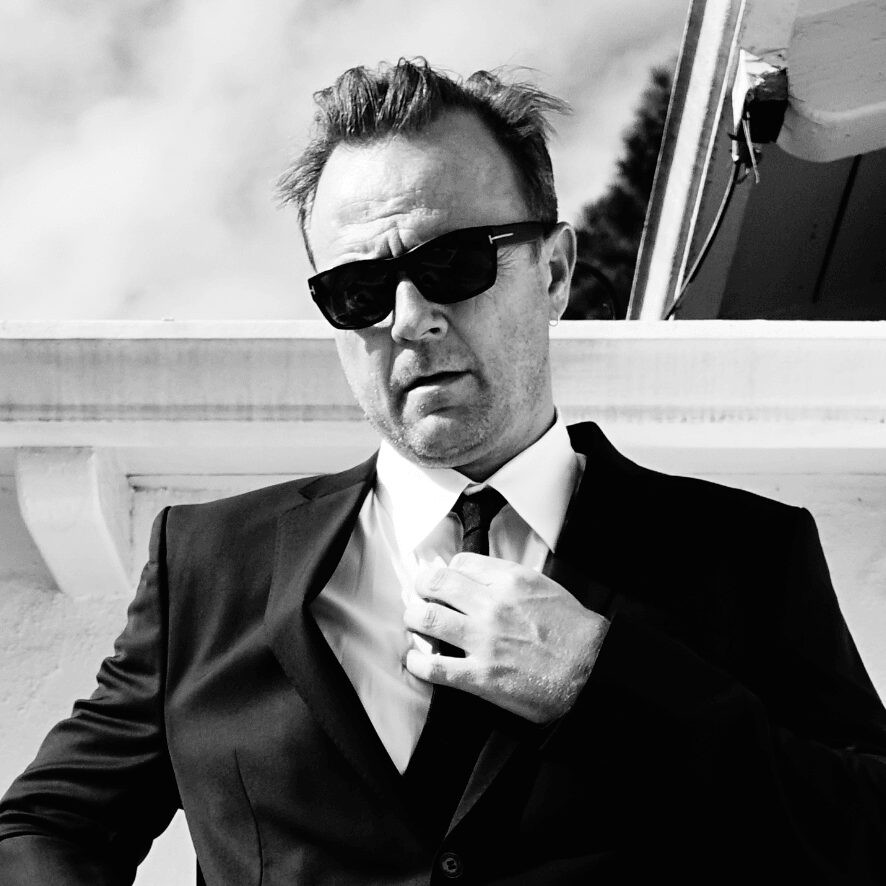
John Gheur Keeps Making Room for Another Idea
From Hollywood’s early web campaigns to phone-sized holograms and a gallery with Poe, John Gheur has built a career around inviting people into the work.

Solution Analysts and the art of getting unstuck
A banking app, a remote machinery expert, a finance team waiting on its data. Solution Analysts builds software around the awkward constraints that decide whether technology gets used.

Wei Lyu and the computer you choose with your clothes
Before co-founding Nirva, Wei Lyu studied film, art and fashion, then helped build augmented reality products. Her next bet is a personal computer that has to earn its place in your jewelry box.
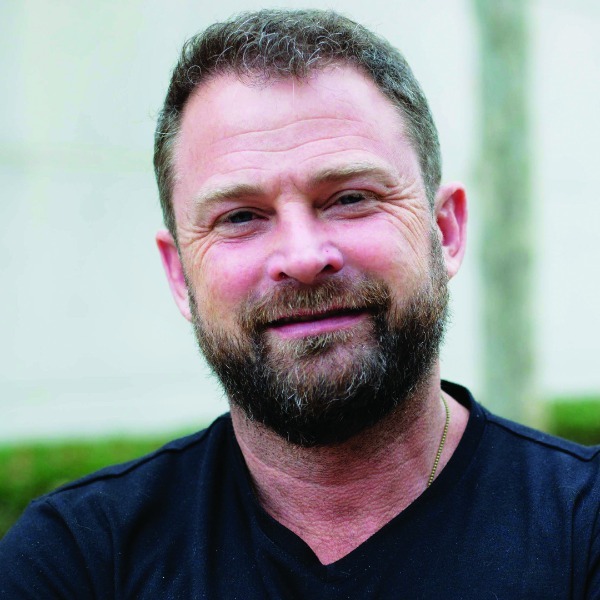
Beck Besecker and the art of seeing what comes next
Before he helped shoppers picture a room, Beck Besecker helped retailers understand a receipt. The 3D Cloud co-founder has built a career around small clues, patient experiments, and the useful habit of admitting when something needs work.
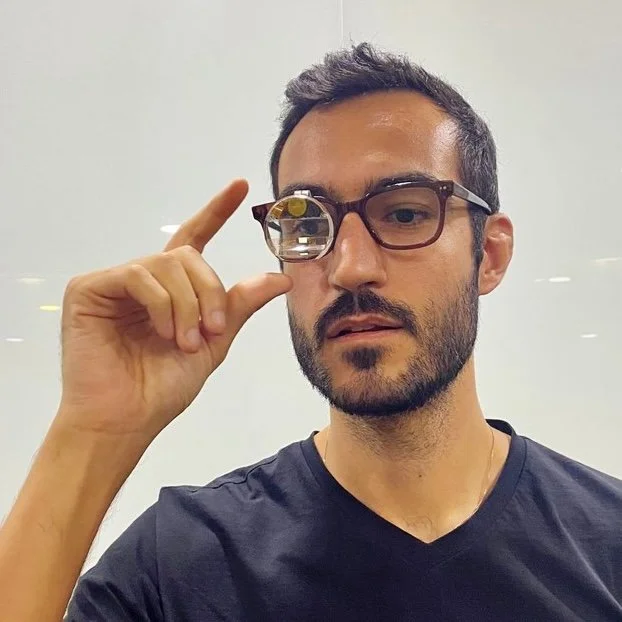
Bobak Tavangar and the Case for Thinking Smaller
An economics graduate learned how Apple builds hardware, then left to make a computer that could sit on a pair of glasses. At Brilliant Labs, Bobak Tavangar is betting that restraint and an open door to developers can take him somewhere a bigger headset cannot.
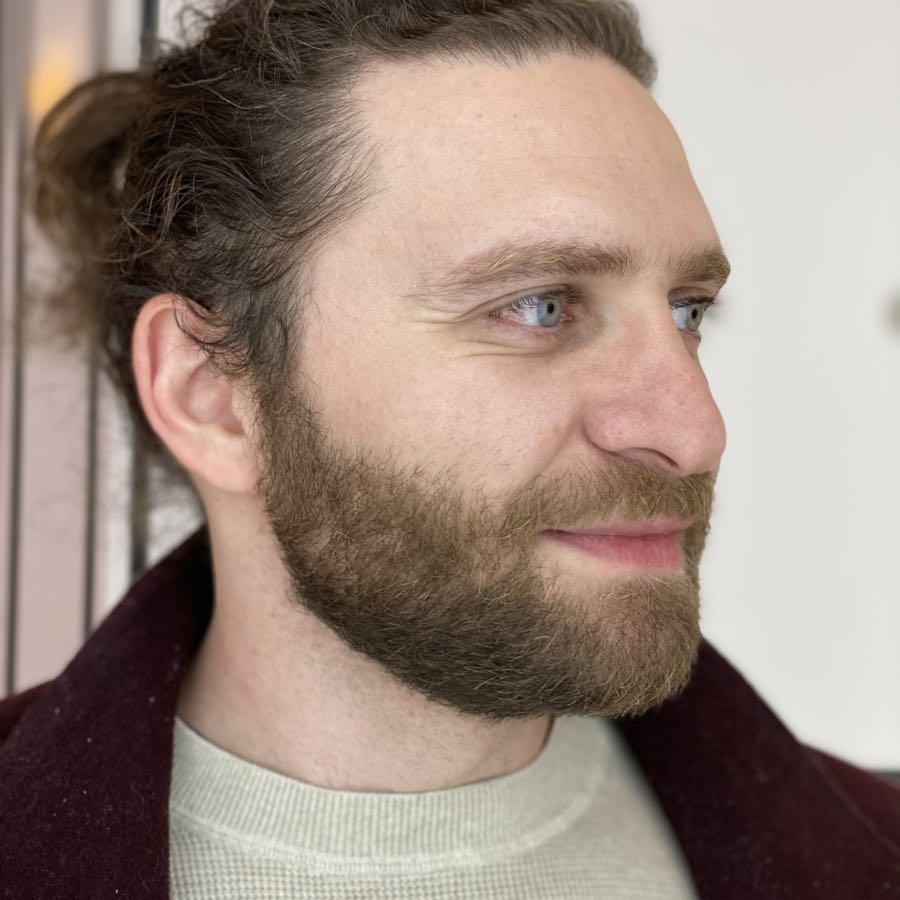
Taron Khachatryan and the distance between an idea and your hands
A cardboard viewer gave the Knoxlabs founder his opening. His longer pursuit runs through developer tools, virtual classrooms and robotics: making unfamiliar technology something people can actually use.
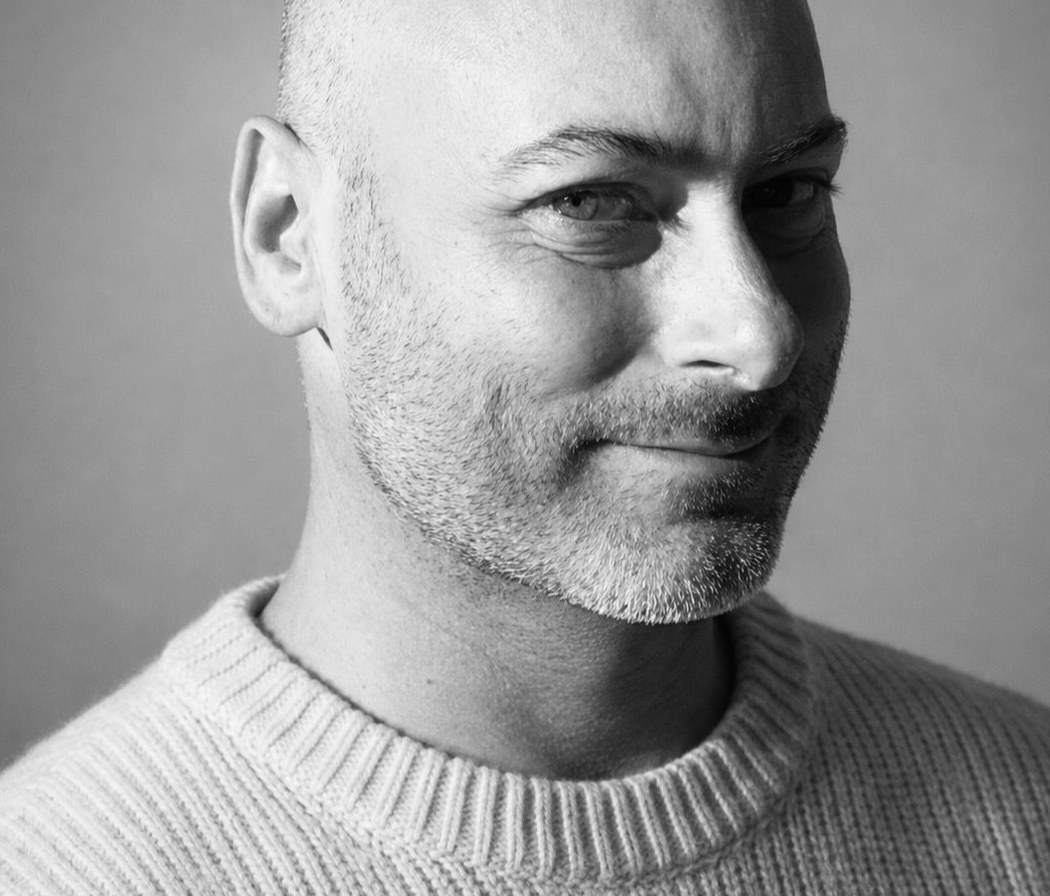
Darren Mann and the short distance between looking and buying
From 7-Eleven TV to augmented reality in shopping malls, Darren Mann has built media around the moment a customer decides what to do next. At ARIA, that work now includes an AI shopping assistant.

Rebecca Jonah and the business of a second look
From restructuring law to fashion and digital collectibles, Rebecca Jonah has built a career around what happens after the first transaction. At ARIA, that question now reaches into the shopping mall.

Galia Rosen Schwarz and the art of making complicated things usable
From LEGO animals to digital buildings, Galia Rosen Schwarz has worked on getting technology out of its own way. At C8 Health, the co-founder and CEO brings that same practical eye to building a company.
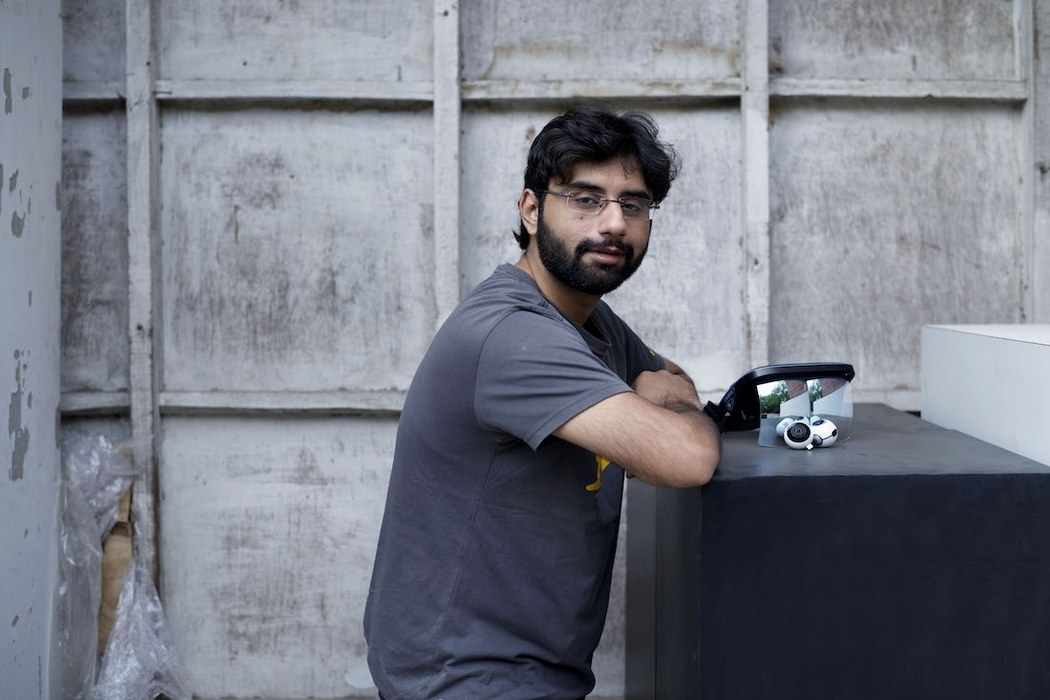
Kshitij Marwah and the art of bringing the future home
A camera researcher with a taste for photography returned to India to build things. The route from MIT to Tesseract ran through student workshops, stubborn prototypes and the manufacturers hiding in plain sight.
Jay Jayaram’s future began with duct tape
A View-Master, a computer screen and a missed football game helped set Jay Jayaram on a three-decade pursuit: giving people more control over what they see. At Quintar, the former Intel Sports technology chief is taking that pursuit into the physical world.
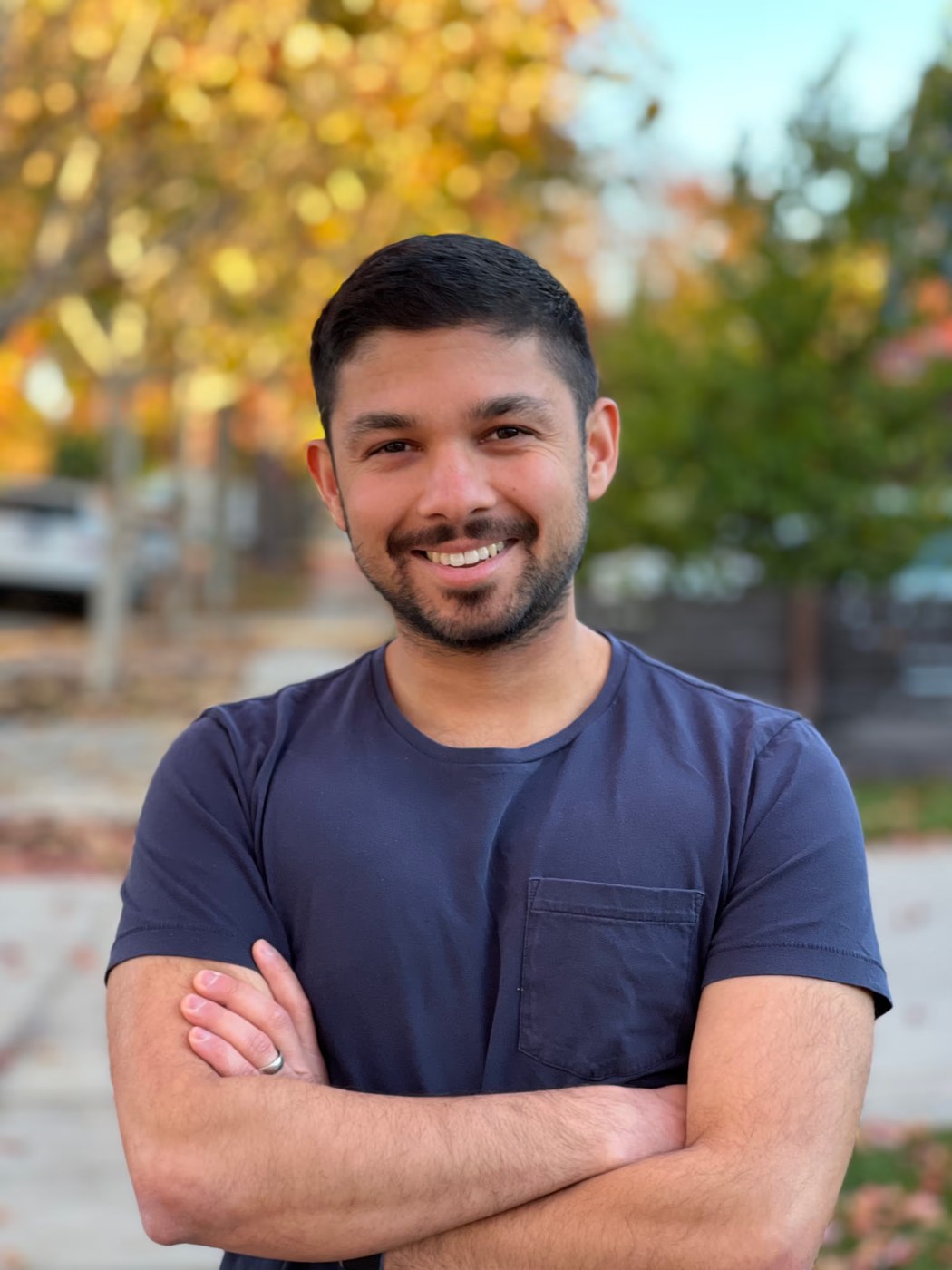
Devin Bhushan and the things a machine cannot tell you
A coffee-grinder reminder, a question on the factory floor, and a career spent making information useful. The founder of Squint is building software around the knowledge people carry in their heads.

Medivis wants the surgeon to stop looking away
A neurosurgeon and a radiologist built a company around a small, consequential inconvenience: the scan is on a screen, but the patient is on the table. Medivis brings the two into the same field of view.

Activ Surgical wants surgeons to see what a sharper camera cannot
A small module, a dye-free view of blood flow, and a deceptively large question: when does seeing more change what a surgeon does? Activ Surgical is putting that question into the operating room.

VisionX gives the physical world a desk job
A coffee table, a parcel label and a utility complaint have something in common: they need translating into a decision. VisionX builds the AI that does the translating.
Flatirons Solutions makes the aircraft manual earn its keep
An aircraft manual has to survive revisions, local edits and a journey to the shop floor. Flatirons Solutions turns that paperwork into a connected maintenance workflow - and is now adding visual guidance to the job.

EON Reality wants your first mistake to be virtual
A Mississippi college wanted students to practise on engines before touching one. EON Reality is taking that same idea from the classroom to the factory floor, with AI now helping write the lesson.

StayinFront and the Case of the Missing Sale
A brand can win the advertising campaign and still lose in aisle seven. StayinFront builds the software that helps field teams find the gap, fix the shelf, and make the next visit count.