social-commerce
(92)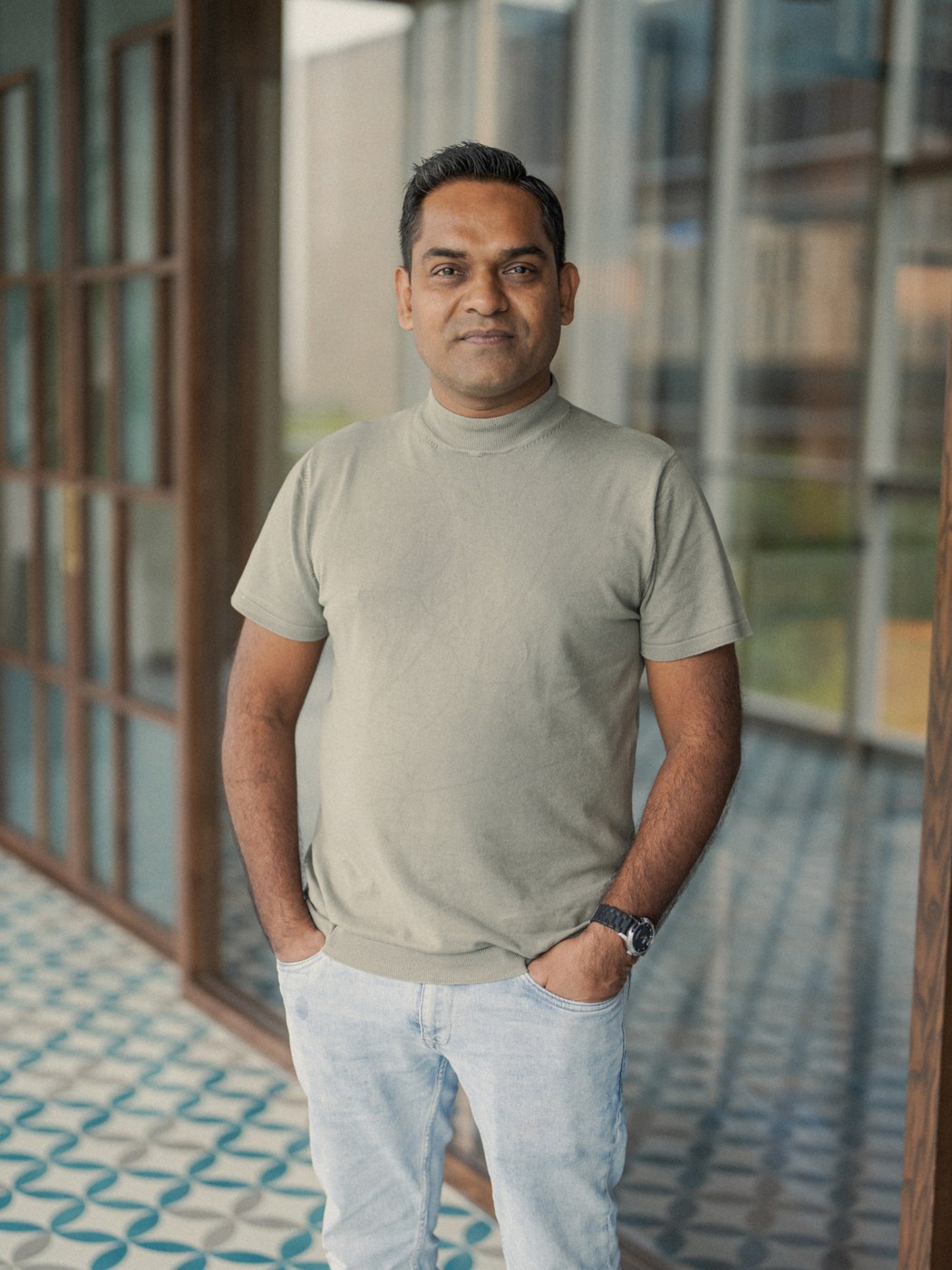
Sourjyendu Medda and the value of showing up
He helped build DealShare by making everyday shopping easier to try. At Sports For Life, Sourjyendu Medda is asking families to commit to something that takes longer: learning to play.

Ghufron Mustaqim and the distance between talent and opportunity
In rural Yogyakarta, Ghufron Mustaqim saw capable neighbours with too few ways to earn. From Evermos to a new business bridge with China, he has kept working on the distance between having something to offer and finding a market.
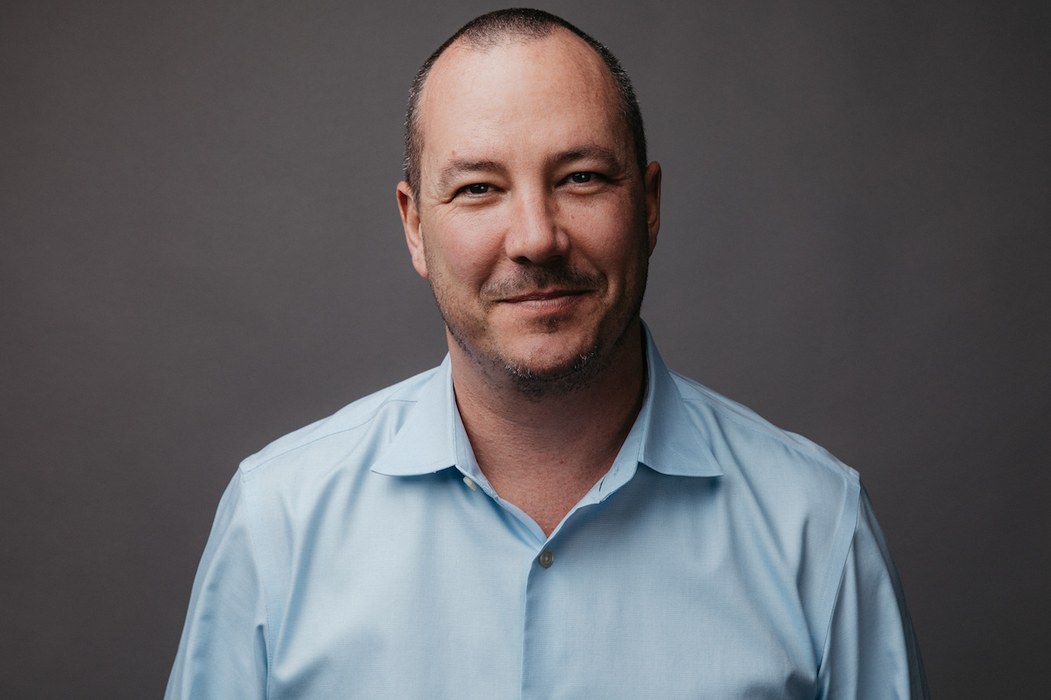
Chad Hetherington and the trouble with standing still
He built The Stable around the way people were starting to shop. After its sale to Accenture, the Adelaide-born founder is back with Third, following the customer into the social feed.
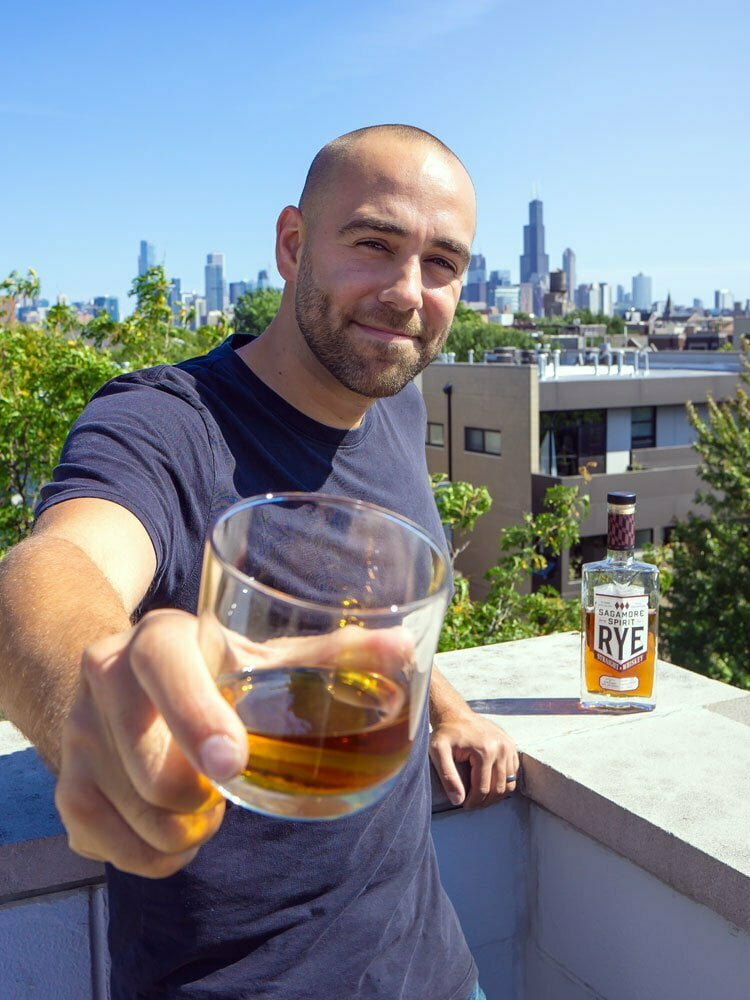
Konrad Waliszewski gave 250,000 customers his number. Then he listened.
A childhood between Nashville and Poland taught the @hotel co-founder to value movement. Years later, a very busy phone helped him see where travel was going.

@hotel put the deal in your feed
First came the travel videos. Then came the private room rates. How a travel-guide startup turned an Instagram audience into a different way to sell a hotel stay.

ShopHQ turned off the TV. Kept the pitch.
The home-shopping veteran went dark, then returned with a smaller operating model and a familiar proposition: let someone show you why a product matters.

Market Performance Group: The sale is only the beginning.
An ad can win attention. Market Performance Group works on the less glamorous machinery that turns that attention into stocked shelves, paid invoices and another purchase.

Bonfire turned unsold shirts into a business.
A failed basketball fundraiser exposed the risk hiding in custom merchandise. Bonfire built a business around taking that risk off the organizer’s hands.

Clement Wong and the question inside a $20 ticket
A village visit in Kenya made Clement Wong ask where a traveller’s money actually goes. His answer became BeMyGuest, a business built around helping local experiences reach a wider market.

Eduardo Vivas and the expensive mistake that became Curated
The Curated co-founder bought the wrong gear, found the right advice, and built a business around the difference. His career runs from job matching at Bright and LinkedIn to expert commerce, Flip, and the AppLovin board.

Li Haslett Chen and the price of a good recommendation
A childhood in Beijing, a detour through Vogue, and a broken shopping link helped shape the founder of Howl. Now, after selling its creator business, Li Haslett Chen is asking what happens when AI becomes the personal shopper.

Alexander Friedhoff and the art of the invisible shop
Before Etaily, Alexander Friedhoff learned how shirts were made, brands travelled, and orders reached customers. Now he is putting those lessons to work across Southeast Asia, where every effortless purchase has a complicated life backstage.
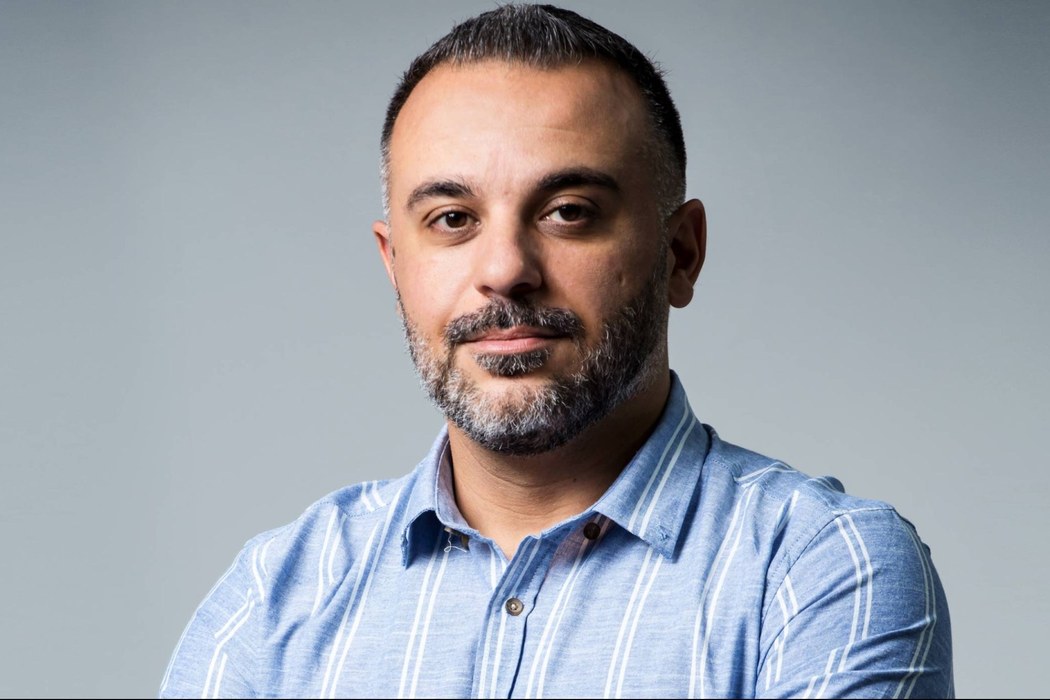
Ramy Assaf and the unfinished business of a conversation
A hat business on Instagram gave Ramy Assaf a close look at the gap between finding a customer and getting paid. With Zbooni, he has spent years building a way across it.

Jake Goh and the business of making business easier
He began by helping shoppers pay less across borders. With RateS, Goh Jian Kai (Jake) turned his attention to the work that keeps would-be shopkeepers from making their first sale.
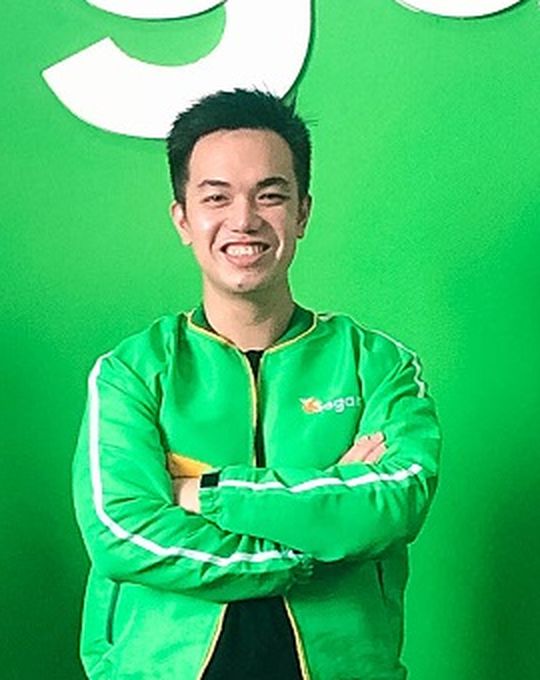
Yosua Setiawan and the Fifteen-Hour Test
Before Segari, Yosua Setiawan studied finance and architecture, helped grow Traveloka in Vietnam, and worked at BCG. Now his business rests on a promise that customers can inspect: fresh groceries, fifteen hours from harvest to home.

Evermos turns your neighbours into a sales network
In Indonesia, a familiar face can open a market that an app cannot reach alone. Evermos connects local brands to those faces - then teaches them how to sell.

DealShare made groceries social. The bill came later.
A grocery bargain travelled through WhatsApp and helped build a $1.7 billion company. Making the next order pay proved harder.
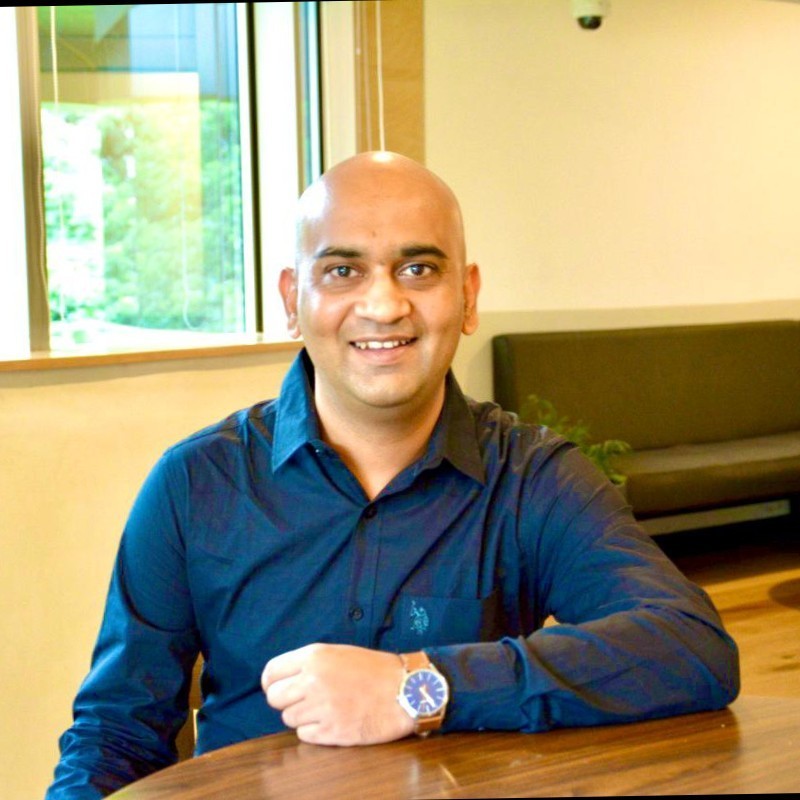
Vineet Rao and the small basket that became a billion-dollar bet
After a decade building software at Microsoft, Vineet Rao co-founded DealShare around a different customer: the household watching every rupee. A WhatsApp experiment in Jaipur became a venture-backed grocery business, then faced the harder arithmetic of scale.

Arip Tirta and the value of coming home
He left Silicon Valley to build in Bandung. From property data to Evermos, Arip Tirta has kept returning to a practical question: what would help more Indonesians take part in business?

ShopShops turned the shopping trip into a spectator sport
A failed store-directory idea became a live shopping marketplace. Now ShopShops is bringing the conversation of the boutique to the complicated business of pre-owned luxury.

Wahool sells the machinery behind the livestream
A host can charm a room. Keeping the products, prompts, promotions and payroll in order takes another kind of talent. Wahool is turning that backstage work into software.

Later and the distance between a like and a sale
A tool born to schedule Instagram posts now wants to follow influence all the way to checkout. Its acquisitions tell a story about the awkward gap between being admired and getting paid.

The Wish List Found a Rent Bill
Fancy once made a spectacle of wanting things. Now the name is attached to a plainer obsession: getting something back from rent. Its history shows how expensive attention can be, and why a monthly bill is suddenly interesting.

Liyia Wu Put the Shop Window Inside the Phone
She began with a travel directory nobody needed. Then Liyia Wu noticed that the most useful part of a shop was not the shelf, but the person standing beside it.

Cindy Lee Is Trying to Fix the Party She Once Joined
After seeing direct sales from both sides of the table, the Ryze Party co-founder built her jewelry company around a blunt proposition: the field should not be the customer.

Miranda Qu and the Three-Hour Queue That Became a Map of Modern China
A long wait in a Hong Kong shop gave Miranda Qu a small idea: tell travelers what was worth buying. The guide became Xiaohongshu - and the useful habit of listening became her operating system.
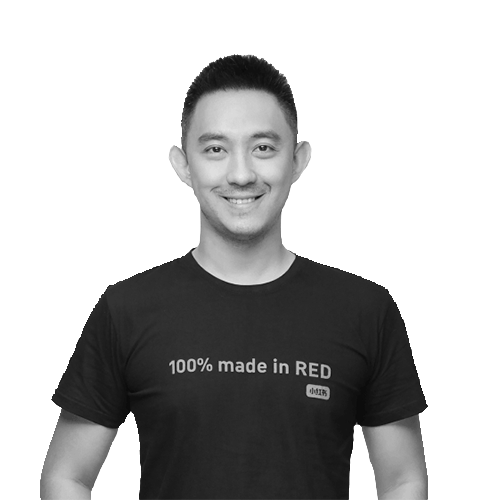
Charlwin Mao Built a Little Red Book Big Enough for the World
He began with shopping guides for Chinese travelers. A decade later, the quiet founder of Xiaohongshu presides over a place where hundreds of millions decide what is worth eating, wearing, visiting and remembering.

SHOPLINE sells the shop behind the shop
A storefront gets the applause. SHOPLINE wants the inventory, payments and repeat orders to work together - and its best sales pitch is the work a merchant can stop doing.

VK built a social network. Then it put a shopping mall inside.
VKontakte turned friends, feeds and fandoms into a market for video, subscriptions and shopping. Its next test is making all that attention pay.
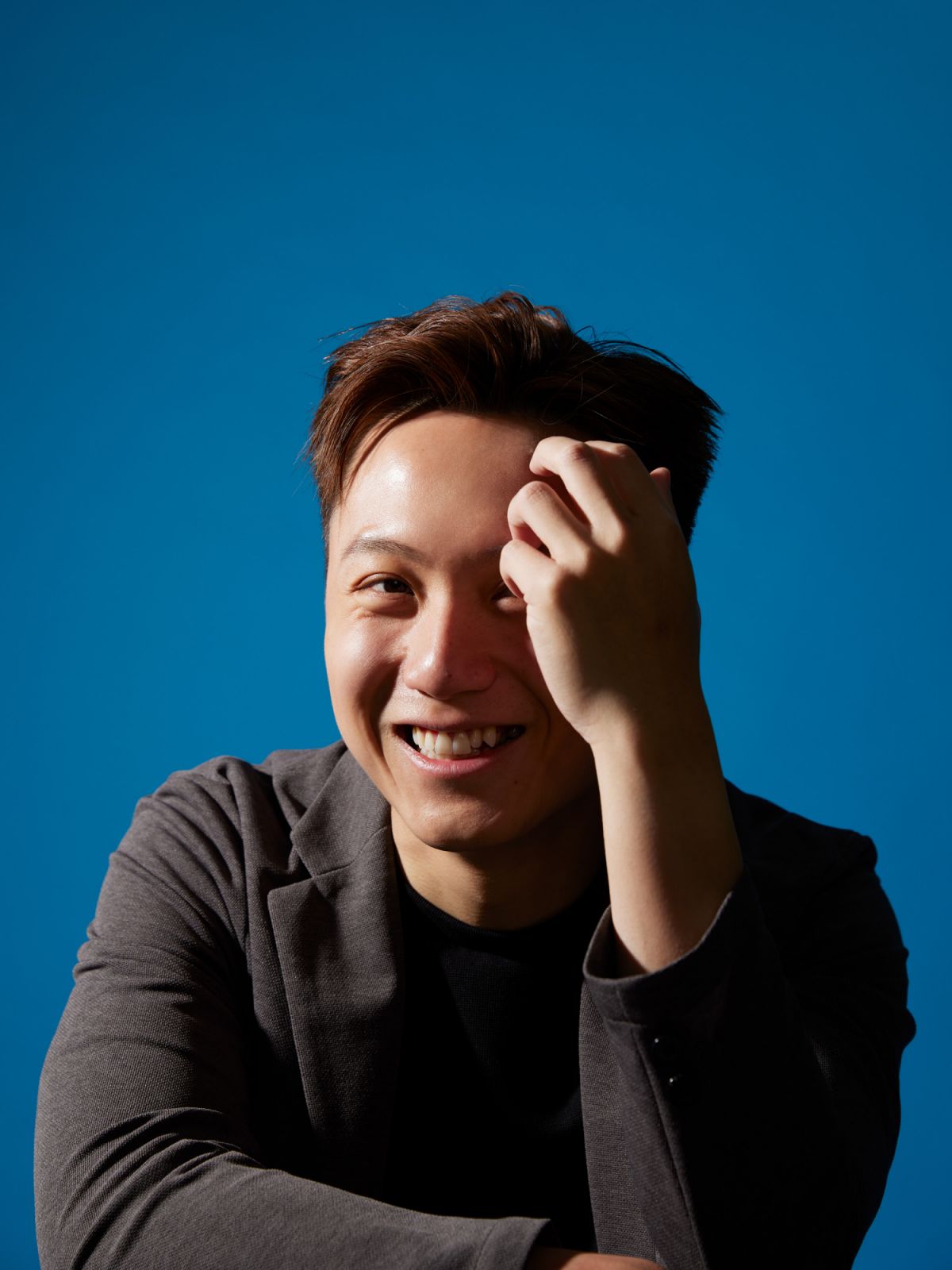
Henson Tsai Bet Everything on the Wrong App - Then Learned to Listen
A failed food app emptied his savings. A hotel pitch went nowhere. Henson Tsai kept the two engineers, changed the customer in a day, and built SleekFlow by treating rejection as data.