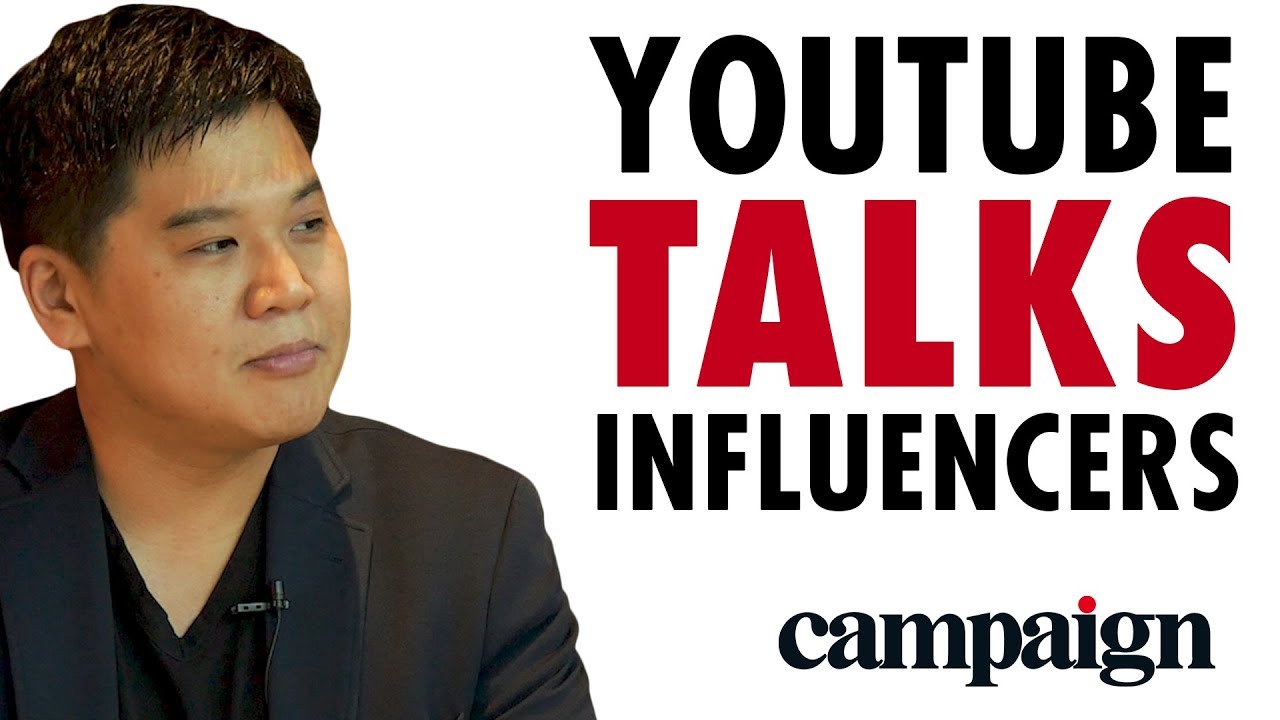
Executive Profile - Google / YouTube
Sean Park
박현욱 (Hyun Wook Park)
Vice President, Head of Marketing
YouTube Asia Pacific & Global Shopping · Google · Singapore
YouTube Asia Pacific & Global Shopping · Google · Singapore
Profile
February 2007. Steve Chen and Chad Hurley walk into Google's Seoul office. YouTube has been inside Google for four months. The acquisition price was $1.65 billion. The revenue model: none yet. Sean Park was in that room, watching the founders of the world's future dominant video platform try to figure out what comes next.
Park doesn't get written about much. That's partly because he runs marketing, not product. Partly because Singapore is not Silicon Valley. And partly because the work he does - building creator programs, designing award systems, architecting fan experiences - lives in the results, not in press releases with his name on them.
But spend any time tracing the programs that turned YouTube from a file-hosting experiment into a $400 billion platform that pays creators $70 billion every three years, and Park's fingerprints are everywhere.
"YouTube now generates over $50 billion in revenue and is valued at over $400 billion."
- Sean Park, LinkedIn, YouTube 20th AnniversaryHe co-created VidCon in 2010 - back when "YouTuber" was not a career option most parents would endorse. VidCon now draws 75,000 people to Anaheim every year. Park helped launch the Creator Awards - those gold and silver play buttons that have become one of the most recognizable status symbols in digital media. He built YouTube FanFest into a 60+ event franchise spanning 15+ countries.
Each of these was a bet on a thesis: that YouTube wasn't just a platform, it was a community. And communities need rituals, recognition, and gathering points. Park gave YouTube all three.
Before YouTube, he was at Bain - the management consulting firm where analysts learn to see a business as a set of levers. Before Bain, Procter & Gamble, where he would have learned that brand isn't what you say, it's what you make people feel. The arc from P&G to Bain to Google makes more sense as career design than it does as accident.
He holds an MBA from the University of Michigan's Ross School of Business (class of 2004) and a BA from Yonsei University in Seoul - one of Korea's most competitive schools, with the kind of pedigree that opens doors in Northeast Asia.
The moment the creator economy began: When YouTube launched its Partner Program in 2007, enabling creators to earn from their content, most people dismissed it. Park was there. He watched it become the engine that would eventually pay $70 billion to creators in just three years.
He is currently based in Singapore, running YouTube's Asia Pacific marketing operation - the largest, most complex, and most linguistically diverse market YouTube operates in. The APAC region includes markets as different as Japan (affluent, brand-conscious, uniquely creator-driven), Southeast Asia (fast-growing, mobile-first, platform-switching), South Korea (K-pop, K-drama, global cultural export), India (YouTube's single largest market by users), and Australia (mature, high-CPM). Coordinating a coherent marketing strategy across those realities is not a simple job.
He also leads Global Shopping for YouTube - YouTube's increasingly aggressive push into commerce, where the platform competes with TikTok Shop, Shopee, and Amazon for the same shopping budgets. In Southeast Asia, this has materialized as a direct partnership with Shopee, announced in 2025, positioning YouTube as the video infrastructure for social commerce across the region.
Outside of Google, Park engages with startup founders through the XA Network. He gardens. He barbecues. He travels. For someone whose professional world spans four countries and hundreds of millions of users, the grounding rituals are deliberately analog.
On YouTube's 20th anniversary, Park published a retrospective that reads less like a corporate milestone post and more like someone accounting for 18 years of choices. "I met YouTube co-founders Steve Chen and Chad Hurley in February 2007 at Google Korea," he wrote. The post catalogued VidCon, Creator Awards, FanFest, subscriptions, fan funding, shopping - the compounding history of a person who chose to stay when everyone was chasing the next shiny startup. The post received 355 reactions. Twenty-three comments from people whose careers he had touched.
That's not a small number. For someone who mostly stays out of the spotlight, 23 people feeling moved enough to comment on an anniversary post is a particular kind of measure.
Geographic Journey
Each move tracked YouTube's geographic expansion - from the birthplace of K-pop-driven creator culture, to Japan's brand-obsessed market, to the global headquarters, to the regional hub for Asia Pacific's 3+ billion internet users.
Key Achievements
Scale Context
Sources: YouTube / Google public statements, Sean Park LinkedIn post (April 2025)
Career Timeline
On the Record
"YouTube has paid out $70 billion to creators, artists, and partners in just the past three years."
- Sean Park, LinkedIn, April 2025"giving everyone a voice and showing them the world"
- Sean Park, on YouTube's founding missionBehind the Title