product-market-fit
(44)
Bryan Stevenson and the first ten customers who had a different job
Before Reprise chased growth, Bryan Stevenson wanted ten customers who would tell him what needed fixing. The repeat founder’s next business began with a familiar frustration: software that was harder to show than it should have been.

Daniel Erickson and the customers who changed the question
He built Viable to help startups find product-market fit. Its customers pointed him toward a different problem - and a career spent shortening the distance between what people say and what teams do.

Young Zhao and the feature that refused to be small
Before OpusClip reached millions of creators, Young Zhao was paying people to try a product they kept abandoning. The useful part was hiding inside it.
Stage 2 Capital and the right to scale
A venture firm built by a financier and a sales operator asks founders to prove something before they hire faster: are customers actually succeeding?

David Ehrlich and the price of an E-ticket ride
The Aktana co-founder spent years turning complex data into useful suggestions. His advice to the next generation of founders starts with a less glamorous skill: staying in business long enough to find a market.

Stefan Debois and the Seven-Year Question
A birthday quiz gave Stefan Debois a business. Seven years of listening taught the Pointerpro founder what people actually wanted back: advice they could use.
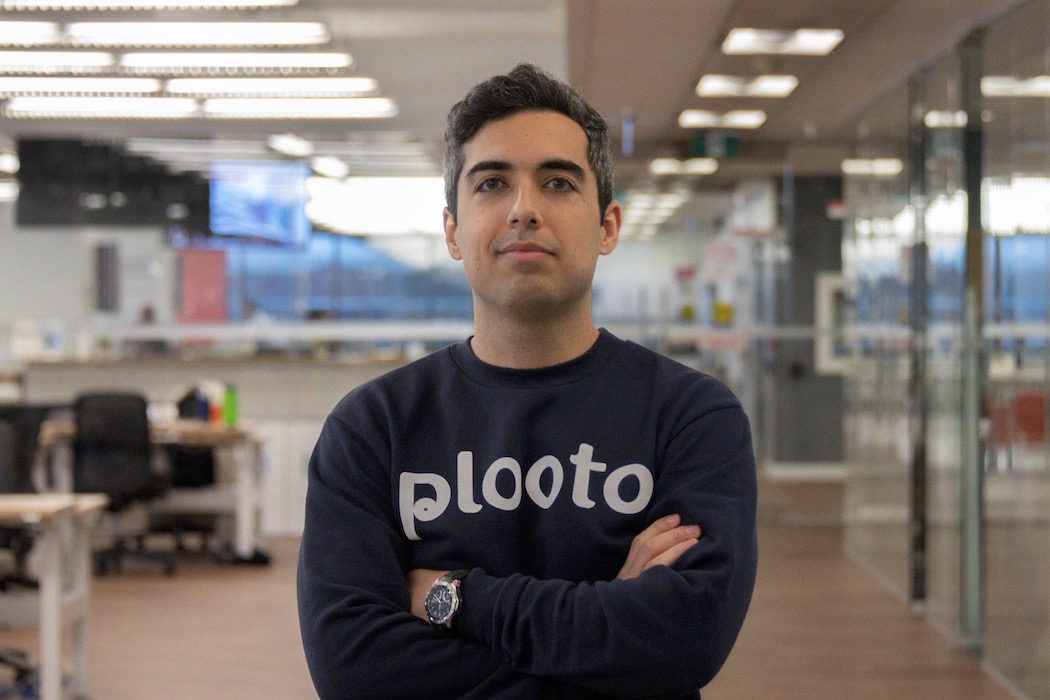
Hamed Abbasi and the customers who stayed
He left banking for video games, then built Plooto by changing his mind. The revealing moment came when a new monthly fee gave customers a reason to leave - and most stayed.
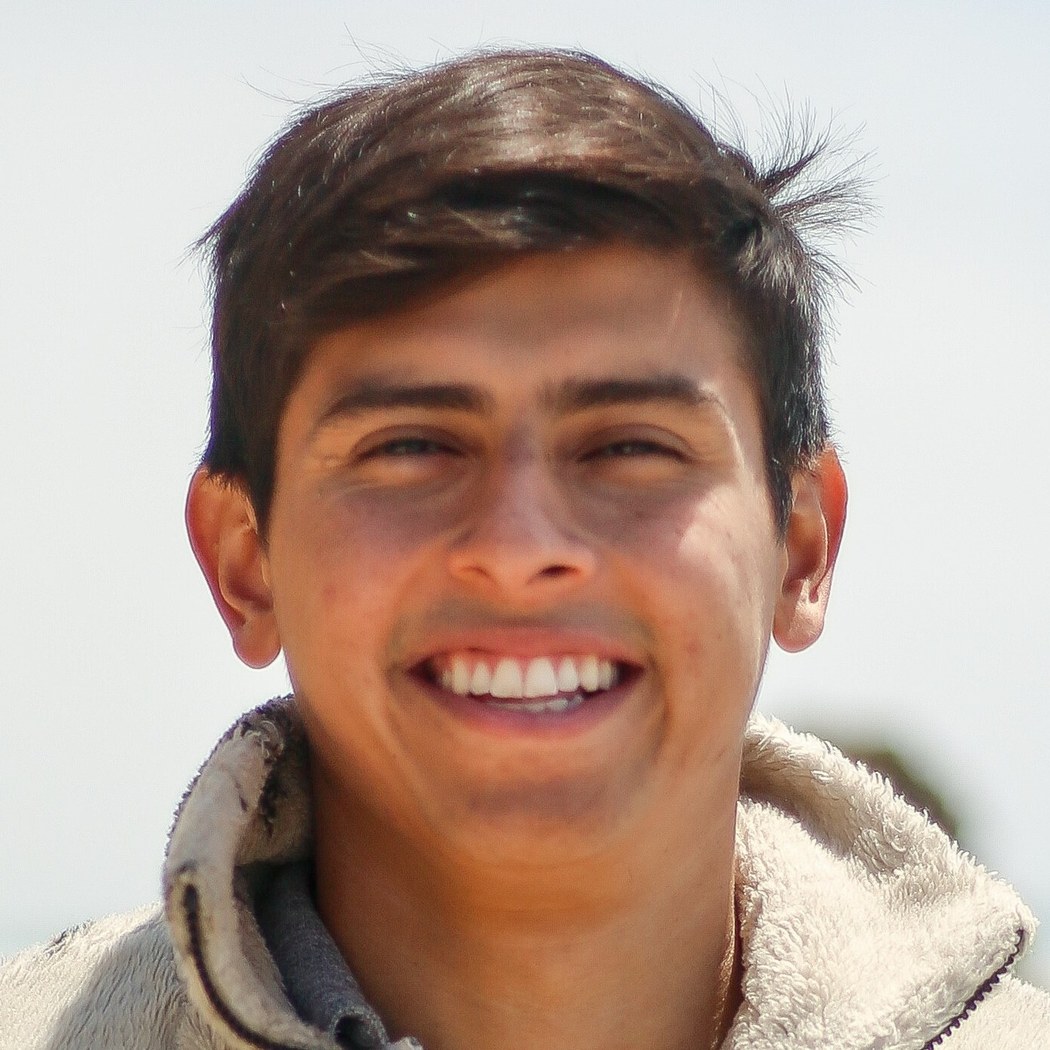
Michael Narea and the company you keep
Before he backed education founders, Michael Narea brought students, surfers and conservationists together. At Transcend Network, he is still working on the same question: what can people build when they have someone beside them?

Startup Field Guide: Find the customer. Then build.
The first idea rarely survives the first customer. Unusual Ventures’ Startup Field Guide turns that awkward discovery into a free education for software founders.

SaaS Club asks the expensive questions.
Omer Khan has spent twelve years asking software founders what actually worked. SaaS Club turns their wrong turns, first sales and uncomfortable decisions into something the next founder can use.

Growth Charger puts the customer before the cheque
The Kuala Lumpur venture platform gives founders a route from promising product to paying market. Its most useful offering may be the introduction that makes a business real.
League of Innovators makes ambition cheaper
Canada’s young founders can buy advice with shares they may one day regret selling. League of Innovators offers another bargain: free coaching, no equity, and people to call when the plan unravels.

George Carollo Lost Product-Market Fit. Then He Went Looking for It Again.
Dover climbed to roughly $15 million in recurring revenue, fell to $1.8 million when the hiring market turned, and found a second life in a four-month experiment. Its co-founder learned that rebuilding a company can require letting go of the company you thought you had.

RED EAGLE and the work before the pitch
The Hyderabad mentorship consultancy puts product-market fit, revenue models and launch strategy on the same agenda as fundraising. Its proposition starts with the business an investor will be asked to believe in.

Volta’s next big idea: build less
The Halifax startup hub once expanded to 60,000 square feet. Now it is betting on smaller teams, practical AI coaching and a question founders cannot dodge: who will pay?
WOW Makes Its Investors Do the Homework
The Brazilian accelerator puts angel investors to work selecting and mentoring startups. Its bet: a useful introduction can matter as much as the money in the bank.
Challenger Accelerator’s Real Test: Can You Find a Customer?
The Civitta-backed accelerator connects founders with mentors, corporate buyers and investors. Its equity-free offer is the invitation; the work begins when a promising product has to become a business.

Jim Rose Has Spent Six Startups Hunting for the Flicker
Before CircleCI became the factory floor for digital goods, its CEO learned entrepreneurship through copy machines in China, a group-buying patent, a vanished Facebook growth engine, and one stubborn mobile testing problem.
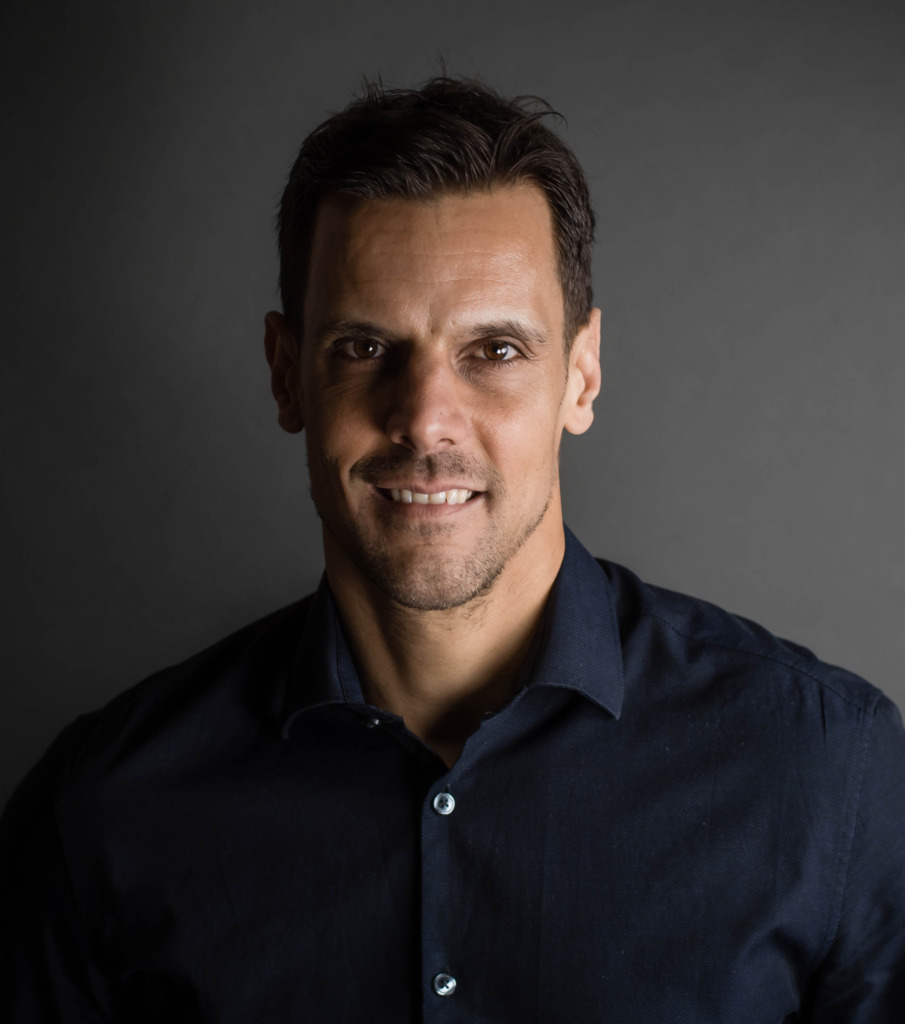
Darren Lucia Turned Rejection Into a Sales Operating System
The Rampd co-founder built his career around an unfashionable idea: rejection is useful data, and founders should collect it before they collect more features.

Oklahoma’s Startup Onramp Starts Before the Check
i2E does the unglamorous work between a promising idea and an investable company. In Oklahoma, that means customer discovery, candid advice and a statewide network built to keep founders from navigating the earliest stage alone.

Product-Market Fit Is the Easy Part
Greenfield Partners, a TPG spinout running about $1 billion out of Tel Aviv and New York, invests at the exact moment most startups stall - and treats the climb from Series B to scale as an engineering problem, not a leap of faith.
The Venture Fund That Asks Founders to Move In and Lock Out the Noise
Brickyard has no cohorts, classes or demo day. Its wager is simpler and more demanding: put about 20 early-stage teams under one roof in Chattanooga, remove the usual startup theater, and let proximity do the work.

The Fund That Bets on Boring: Predictive Hunts Data Moats in the Industries AI Forgot
While most AI money chases chatbots, Kevin Alvarez-Fung is writing seed checks into freight, factories and payments - and handing founders a rolodex of 500 corporations to prove it works.
Footwork Built a $400 Million Venture Firm on Two People Saying Yes
Footwork pairs an investor's pattern recognition with an operator's scar tissue, then asks both partners to own every decision. Five years in, that compact design is becoming a case study in how a small venture firm can stay concentrated while its market changes underneath it.

Bloccelerate VC
Bloccelerate built a crypto venture firm around a stubborn observation: capital is often easier to find than a real market. Its answer is equal parts research desk, founder workshop and bridge to institutional finance.

Ali Khokhar
After proving people would pay for an AI clone, Ali Khokhar scrapped the model, refunded customers and rebuilt Concurrence—formerly Amigo—around a harder question: how do you create empirical convergence on what works in healthcare?
SatisMeter
The handy feedback collection tool you didn't know you needed - built to turn quiet product moments into the customer signals teams actually act on.
Rampd
Rampd is a New York sales consultancy that coaches early-stage technical founders through the awkward, high-stakes phase of selling their own product. Led by co-founder and CEO Darren Lucia, the firm runs hands-on sprints and an accelerator that help founders validate product-market fit, build a repeatable sales motion, and chart a path to their first $1M in ARR. Its frameworks have been pressure-tested across hundreds of Y Combinator-backed startups.
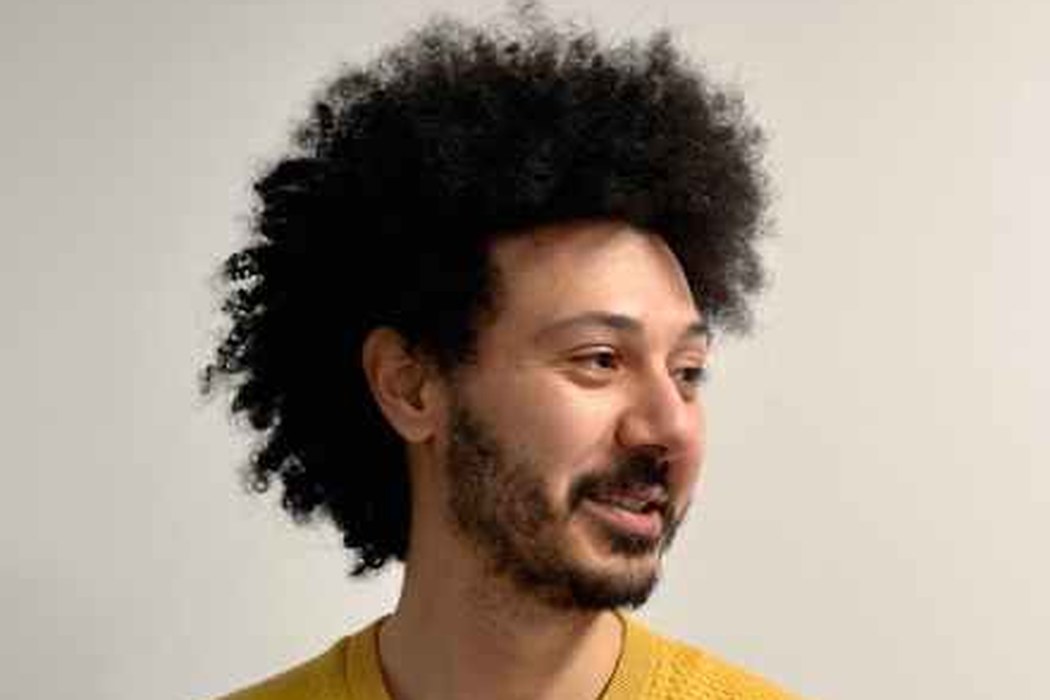
Kareem Amin
Kareem Amin is the cofounder and CEO of Clay, a New York-based go-to-market platform that lets sales and marketing teams pull data from dozens of sources and run AI-powered personalized outreach at scale. After a seven-year search for product-market fit, Clay crossed $100M in annual recurring revenue and raised a $100M Series C in 2025 at a reported valuation above $3B. A second-time founder and McGill-trained engineer, Amin frames Clay as a creative tool that gives non-programmers the power of code, and talks openly about meditation, founder psychology, and building 'from a place of wholeness.'

Startup Secrets: How to Build a Winning Value Proposition with Michael Skok
In this Harvard Innovation Labs 'Startup Secrets' workshop, veteran venture capitalist and Underscore VC founding partner Michael Skok walks a room of founders through how to define, evaluate, and build a compelling value proposition. Arguing that the number-one reason companies fail is not solving a valuable enough problem, Skok lays out a practical toolkit: nailing the 'for who,' finding a minimum viable segment, testing pain with the 'Four Us' (Unworkable, Unavoidable, Urgent, Underserved), distinguishing latent/aspirational needs from blatant/critical ones, replacing 'faster, better, cheaper' with the '3Ds' (Disruptive, Discontinuous, Defensible), and measuring the 'gain/pain ratio.' Real founders from Kazakhstan, Kenya, South Africa, and beyond pressure-test their ideas live as Skok returns again and again to one refrain: stop pitching, and go ask your users.