las-vegas
(68)
Southwest Gas gets smaller. The stakes get bigger.
After selling its pipeline acquisition and construction arm, Southwest Gas is back to the utility business. Its next test is a proposed $2.3 billion expansion beneath the growing West.
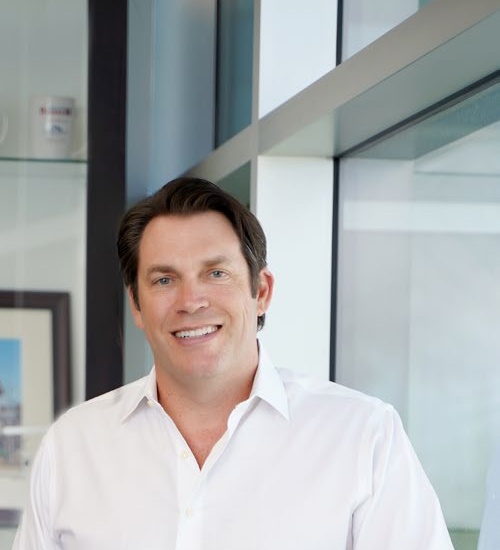
Bryan Smith’s 60,000-house problem
Before he became AMH’s CEO, Bryan Smith helped answer an awkward question: how do you make a national rental business work one house at a time? His career has been an education in the details.
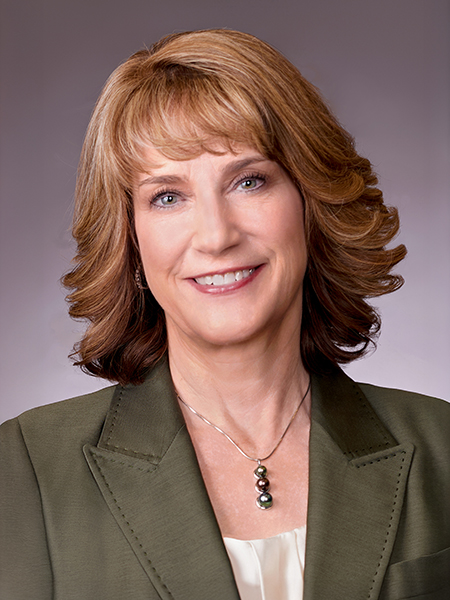
Karen Haller and the art of making a company smaller
After 25 years inside Southwest Gas, Karen Haller became CEO during an investor revolt. Her next four years were spent simplifying the business she knew from the inside out.

Allegiant bets on your day off
Small cities. Nonstop flights. A timetable built around vacations. Allegiant found a business in the trips other airlines made inconvenient - and learned an expensive lesson when it tried to own the destination, too.
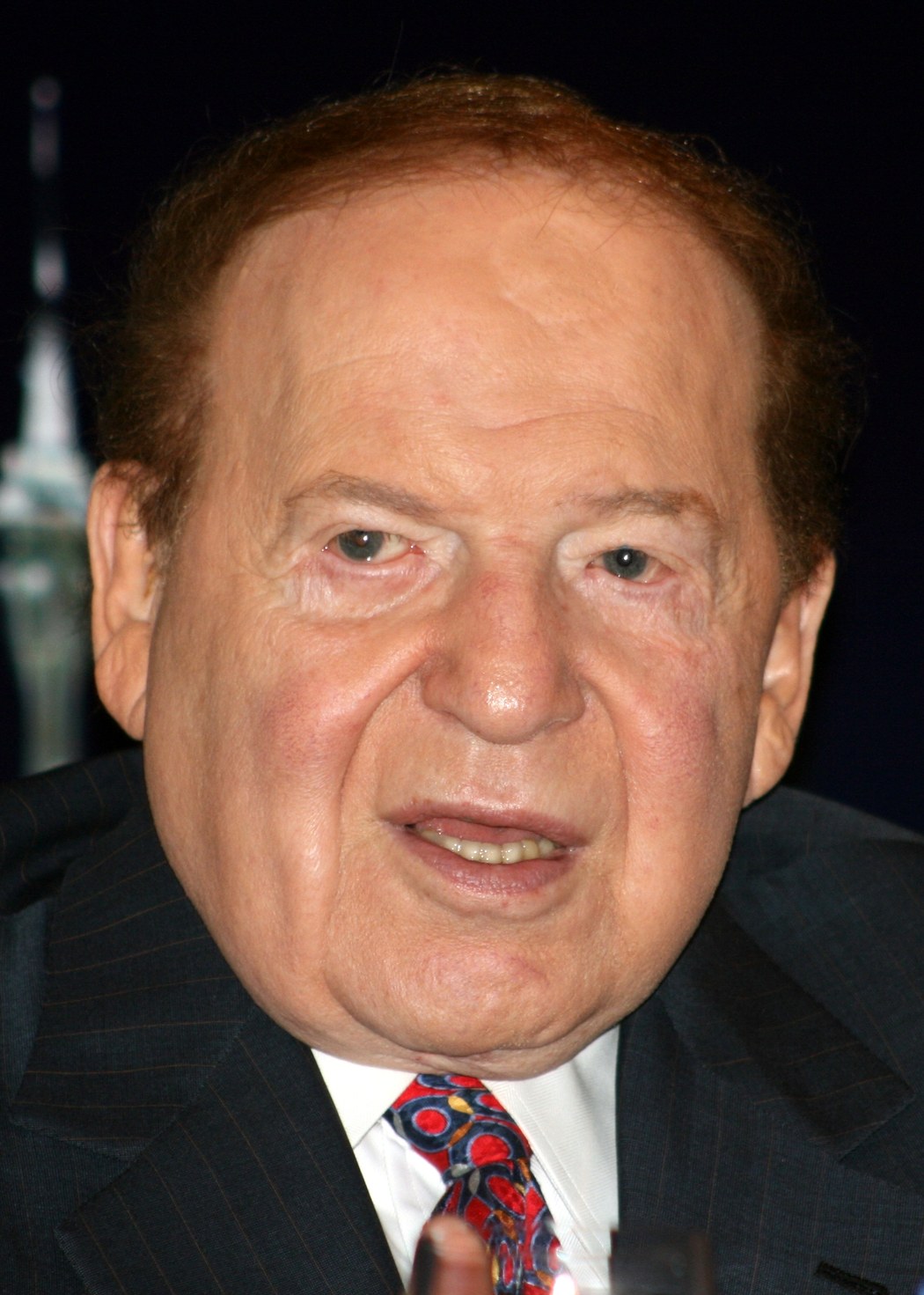
Sheldon Adelson and the value of a crowded room
Before the casinos came a computer trade show. Sheldon G. Adelson built his fortune by bringing people together, then spent it trying to shape the places and politics that mattered to him.
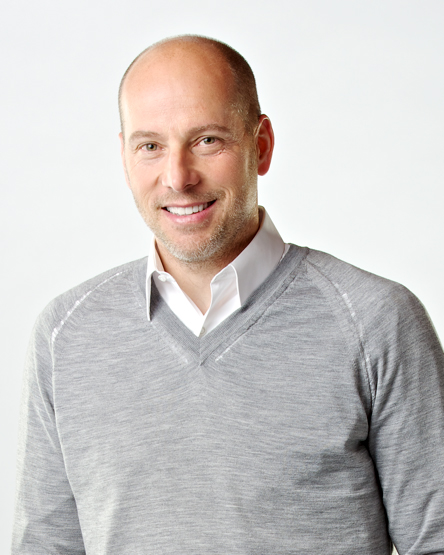
Andrew Pascal’s Thirty-Day Detour
He asked for a month to understand the slot-machine business. The assignment led Andrew Pascal through casino technology, Wynn Las Vegas, and a mobile gaming company built around rewards beyond the screen.
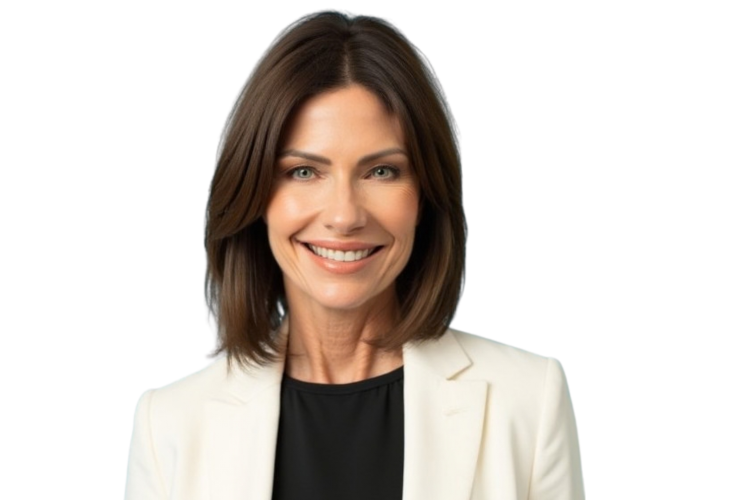
Molly Hamrick and the business of staying
In 1998, Molly Hamrick bought the Las Vegas brokerage where she worked. Decades later, her approach to ownership still comes down to people, preparation and the call after the sale.
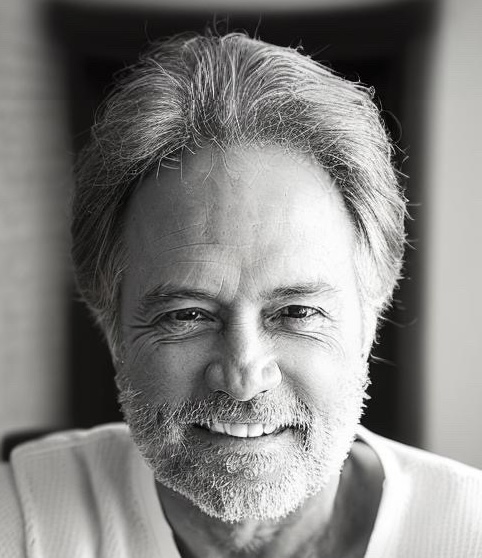
Barry A. Ellsworth and the business of beginning
He helped turn an Iowa ethanol venture into a public company, then handed over the controls. Barry A. Ellsworth’s next chapters took him from capital raising to books, housing arguments and electoral politics.
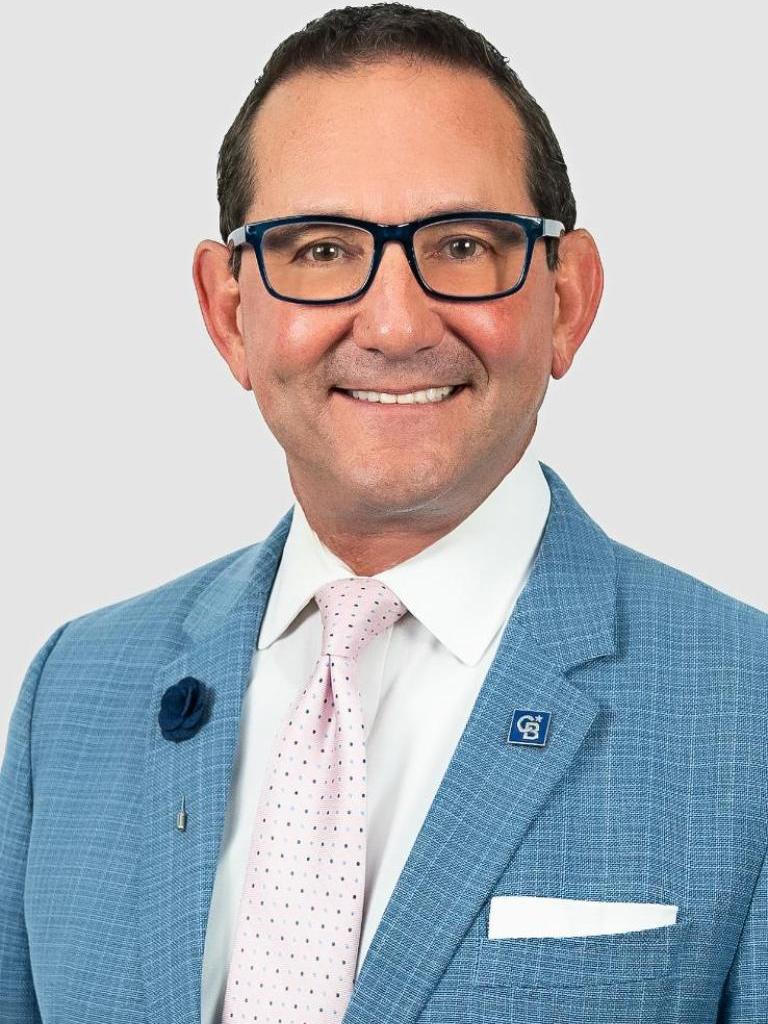
Bob Hamrick and the business of staying in the room
He bought a Las Vegas brokerage with Molly Hamrick in 1998. Through a housing crash, a CityCenter assignment and years of agent coaching, his most consistent investment has been in the people across the desk.
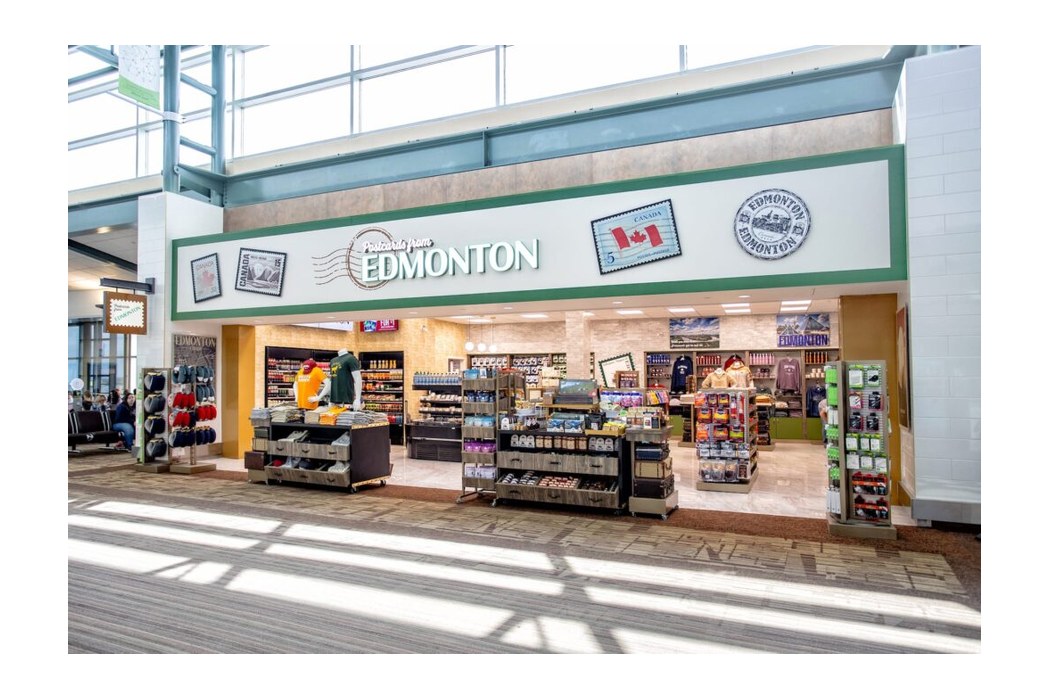
The airport shop with a local accent
Marshall Retail Group learned to make a chain store feel like a piece of the city. Its next test is deciding which of those stores still deserve a place on the map.
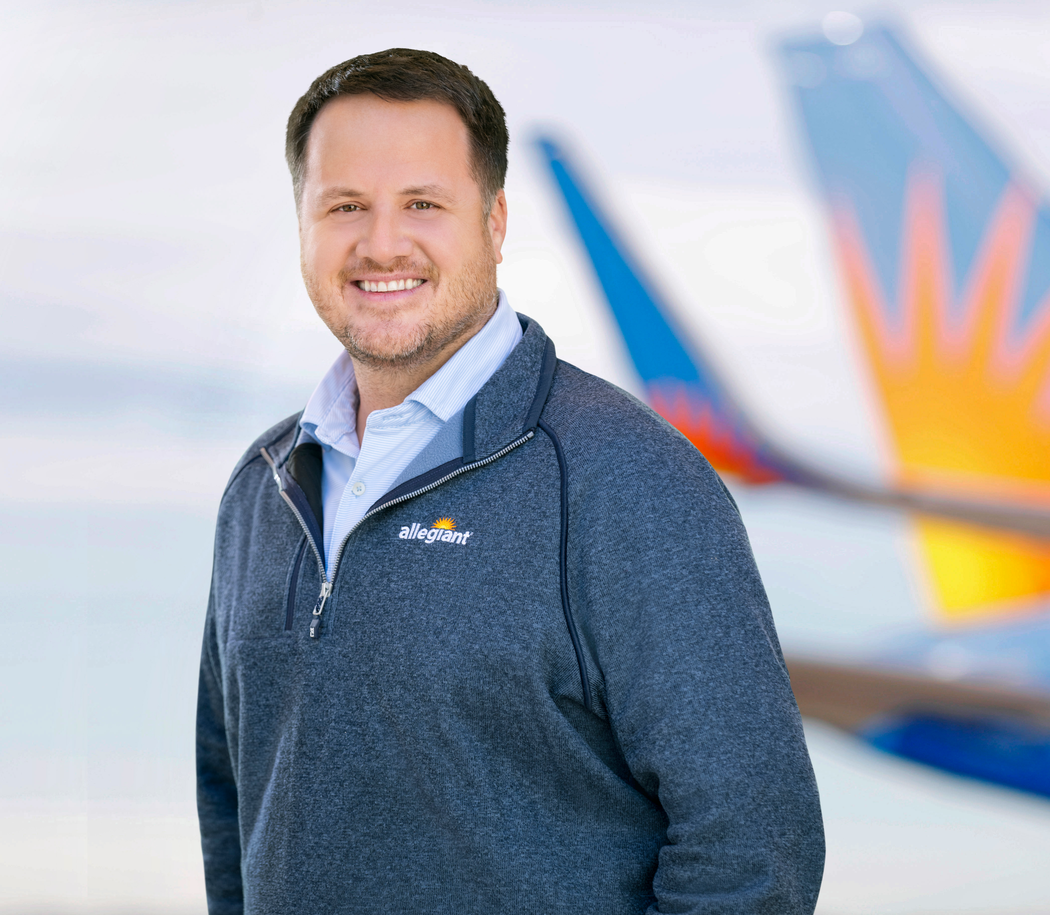
Greg Anderson and the art of knowing what to leave behind
He joined Allegiant in accounting. Now Greg Anderson is reshaping the airline around a simple conviction: know which business you are in, and earn the right to grow.
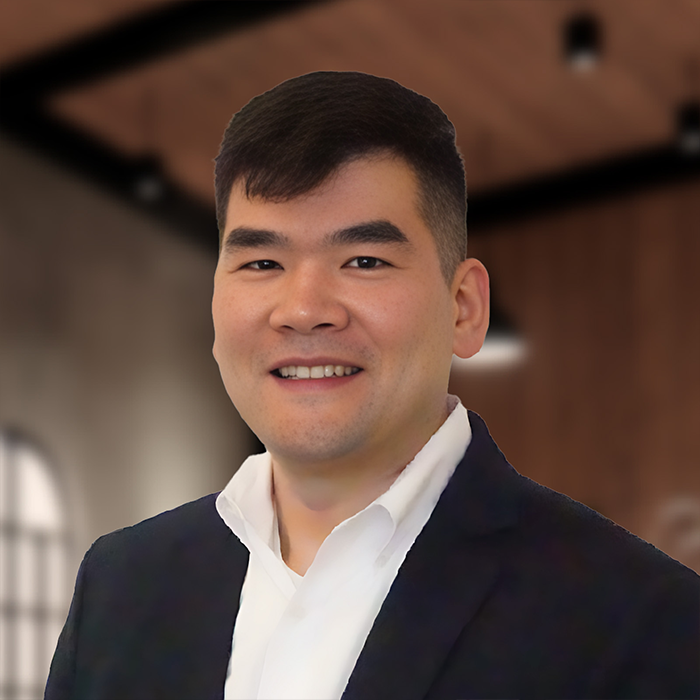
Felix Lin and the distance between a menu and a meal
Before he led HF Foods, Felix Lin worked through the machinery of a school-bus company. Now his job is to connect specialty ingredients, independent restaurants, and a distribution business stretching into Canada.
Sushil Garg and the business of the unnoticed
A hotel guest sees the room. Sushil Garg saw the purchasing behind it. The BirchStreet founder built a software business around the orders, invoices and small decisions that keep hospitality running.

MGM Resorts International sells the whole night.
A room, a restaurant, a show, a reason to return. MGM’s business is connecting them - and keeping the connections working.
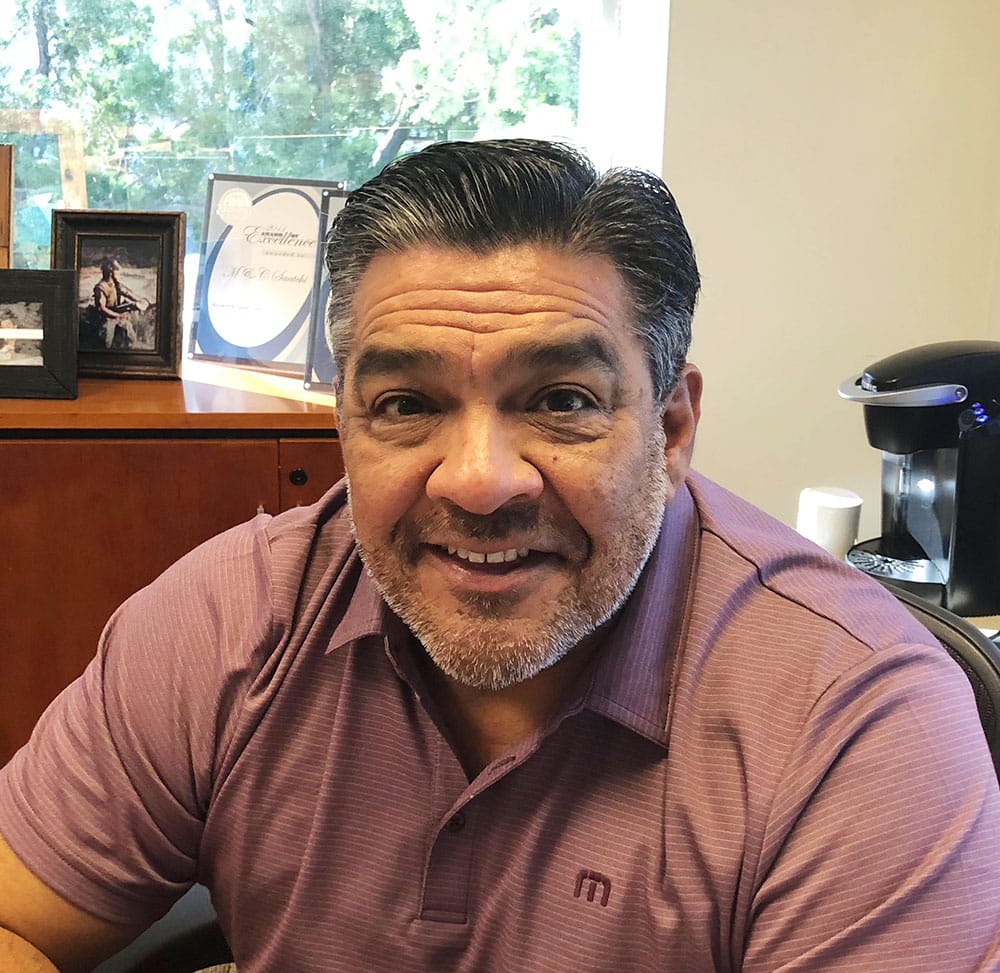
David D’Andrea and the cost of standing still
A Los Angeles printer followed his customers into bigger graphics, custom fabrication and Las Vegas. David D’Andrea’s career shows how a business can change shape without giving up its craft.
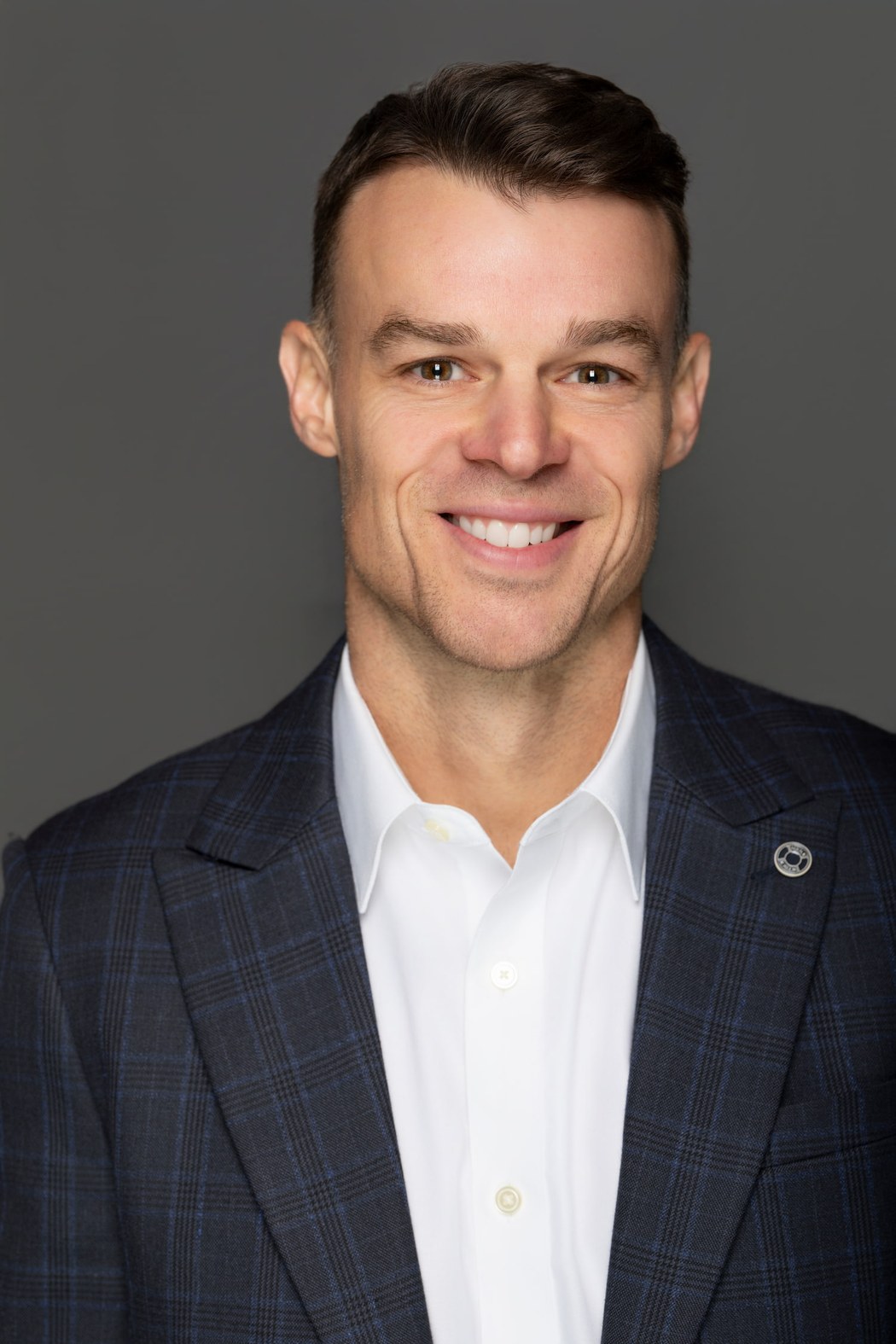
Jeremiah Boucher and the value of one more call
Before Jeremiah Boucher built Patriot Holdings, he built a list of people to call. His path through manufactured housing, self-storage and small industrial buildings shows what happens when a deal finder becomes responsible for everything that follows.
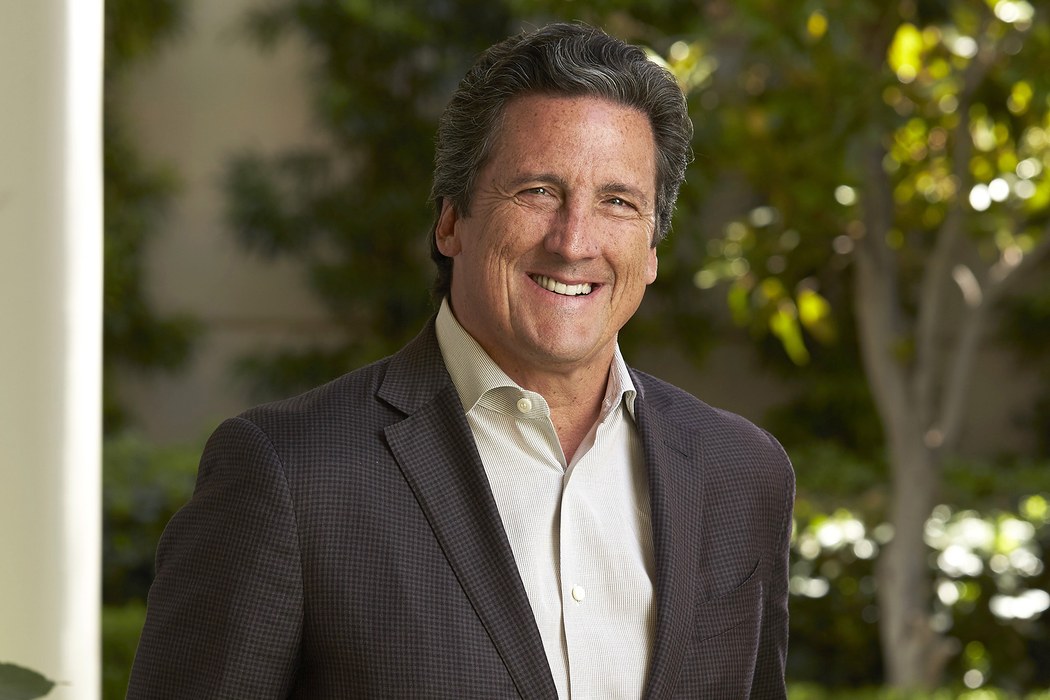
Bill Hornbuckle’s first Vegas bet broke down in Connecticut
A $100 station wagon failed to get Bill Hornbuckle out of his home state. A borrowed van got him to Las Vegas, where the future MGM Resorts CEO began a career measured in hotel shifts, opening nights and opportunities passed along.
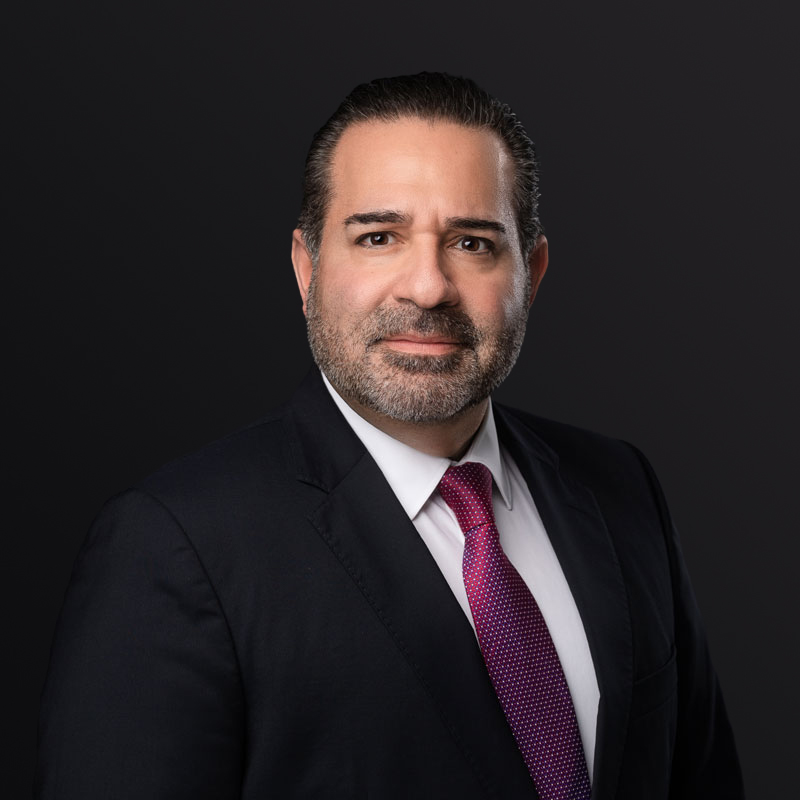
Sam Ataya and the distance between a sample and a factory
At Western Magnesium, Sam Ataya has spent years connecting capital, customers and a new production process. His ambition is an American supply of magnesium; his task is turning pilot results into a business that can deliver it.
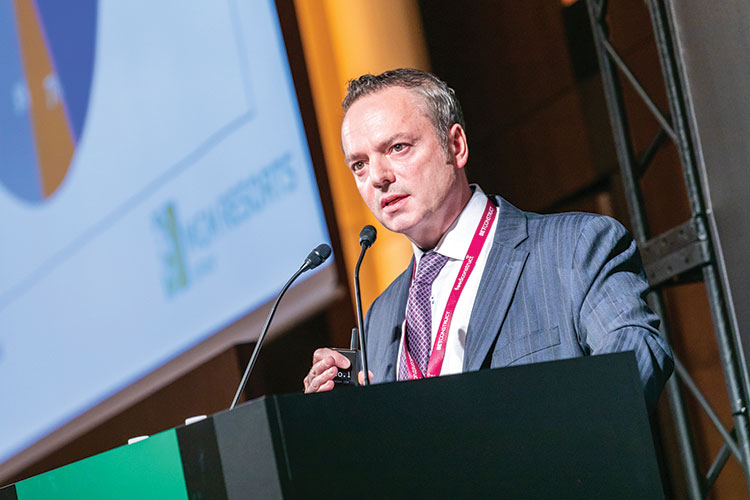
Ed Bowers and the twenty-one-year opening act
He began visiting Japan in 2009. With MGM Osaka scheduled to open in 2030, Ed Bowers has built a career around the work that happens long before the first guest arrives.
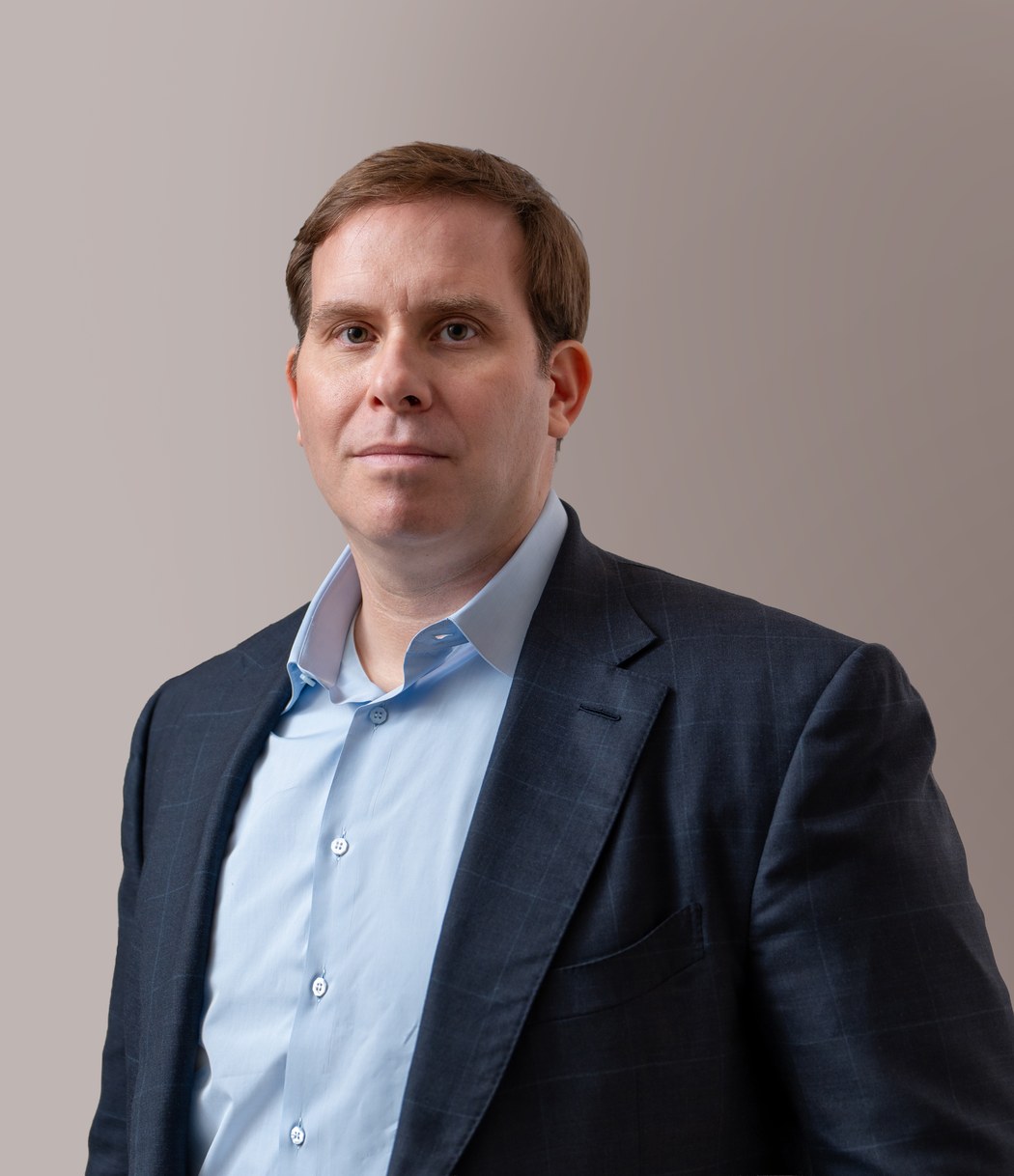
Patrick Dumont and the Problem of the Perfect Arena
He learned to think in decades at Las Vegas Sands. Owning the Dallas Mavericks has given Patrick Dumont a much less patient audience.
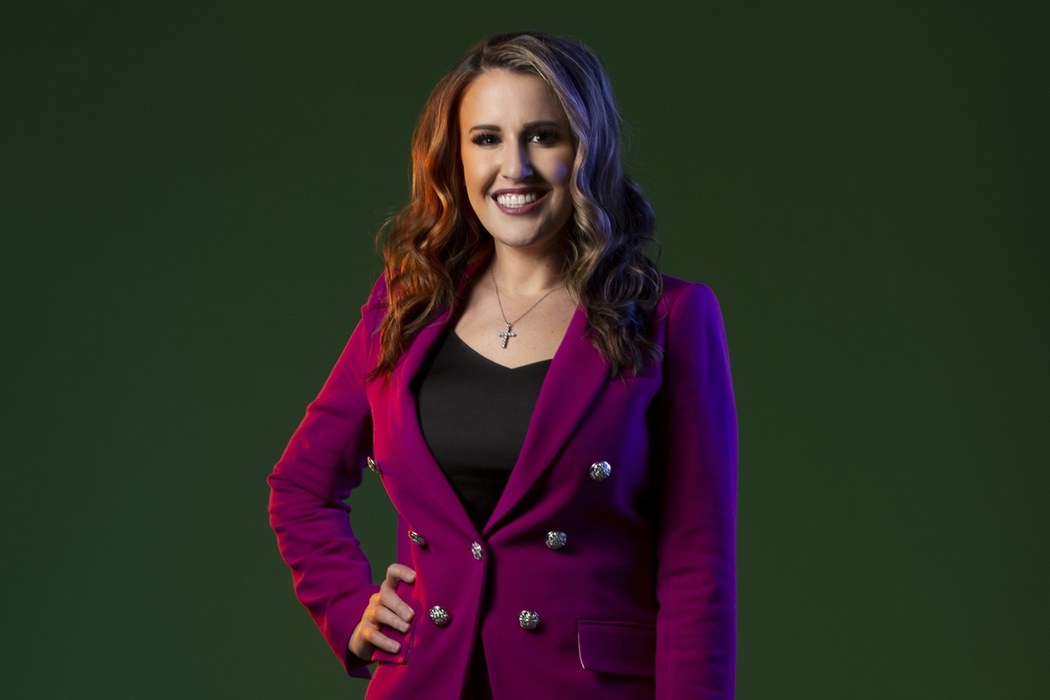
Alexis Mussi and the art of coming back
Before returning to MountainView Hospital as CEO, Alexis Mussi spent years building teams, overseeing expansion and learning the workings of Las Vegas institutions. Her career has room for capital projects, a long-awaited stoplight and one winning Bon Jovi parody.

Plan A Technologies fixes what the demo leaves out
The founders had sold software companies. Then they built the engineering partner they wished they could hire. The interesting work begins where the sales pitch ends.
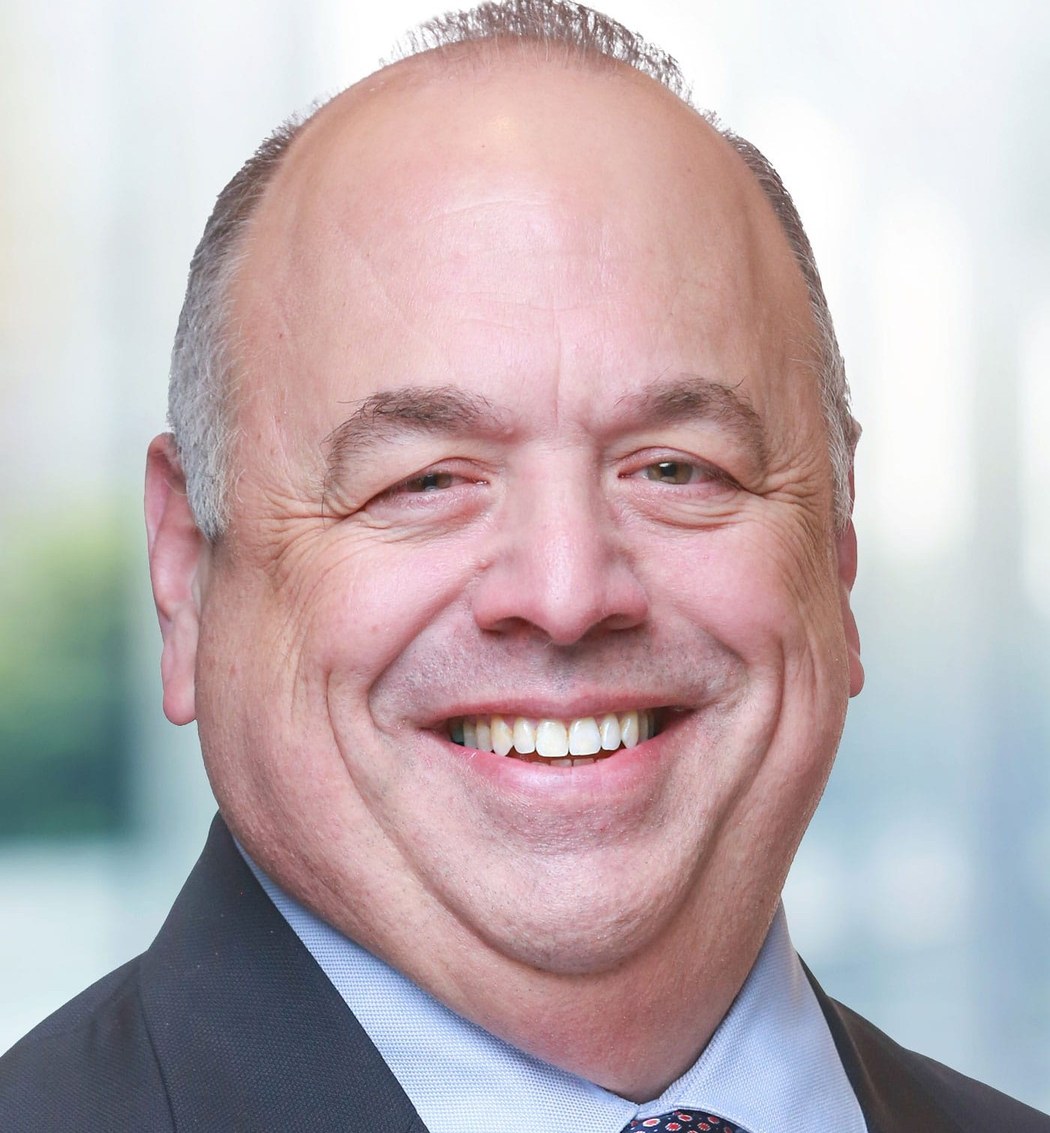
Seth Ravin and the expensive habit of starting over
Seth A. Ravin built Rimini Street around a question software buyers rarely get to ask: what if we kept what already works? Two decades, a public listing and a long legal fight later, he is asking it again in the age of AI.
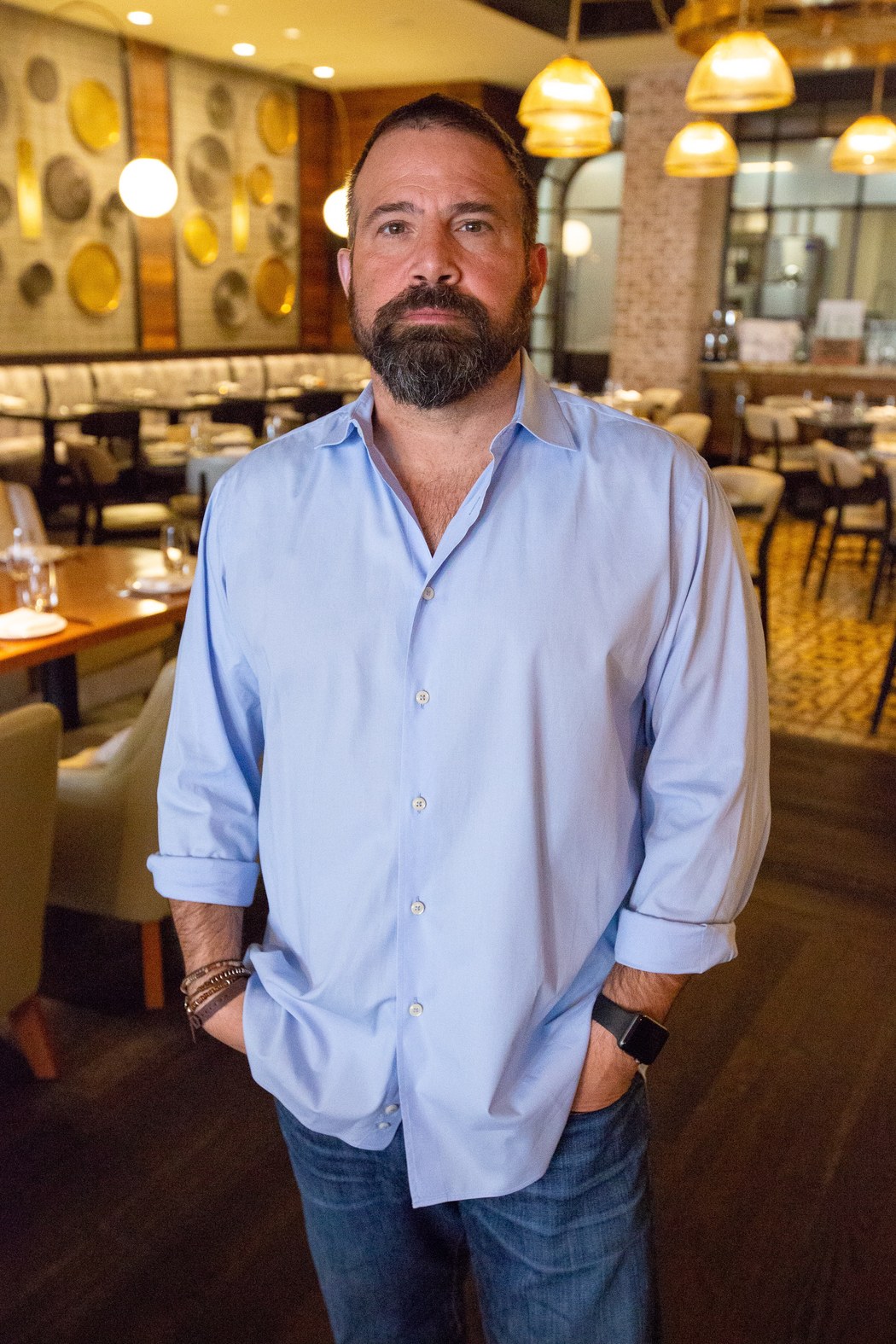
Andy Masi and the art of staying out
He helped build the Las Vegas nightclub business. With Clique Hospitality, Andy Masi keeps returning to a smaller question: where would you actually like to spend the evening?
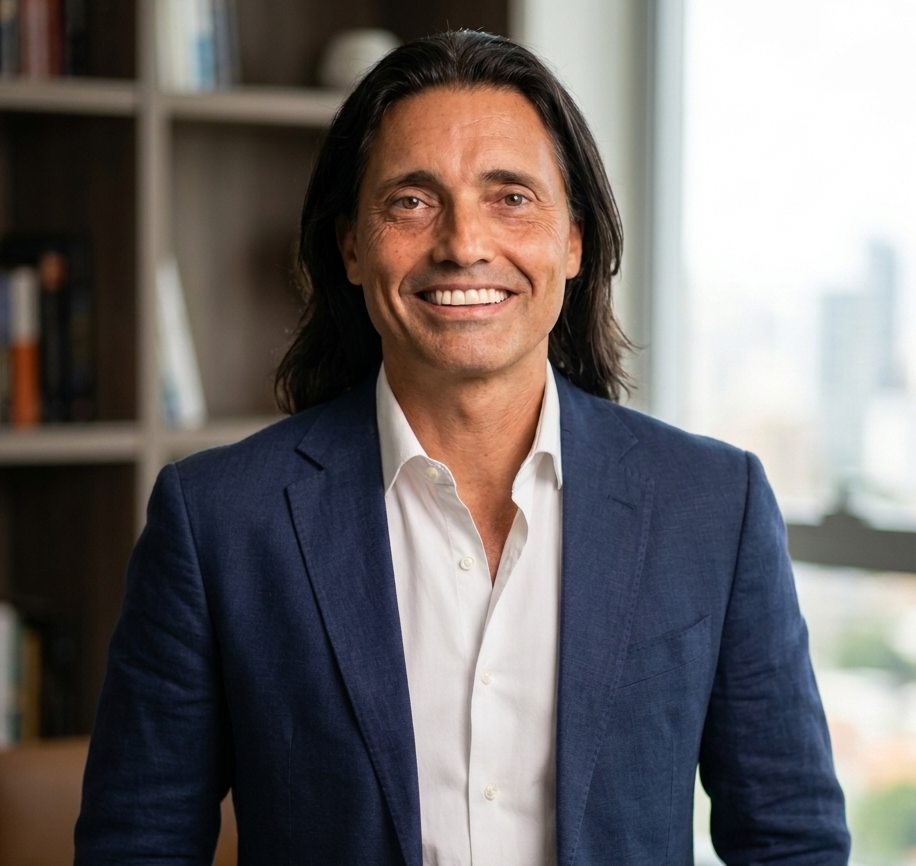
Ale Gicqueau and the trouble with taking the easy route
He built software companies, represented Monaco in San Francisco, and drove a used car across Central America. Ale Gicqueau keeps finding out what happens between a good plan and the actual border.
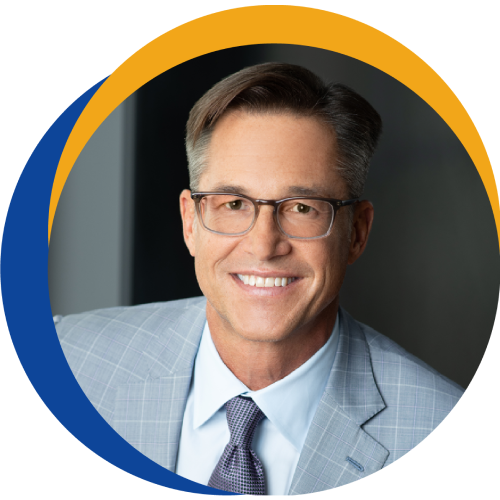
Rich Barton and the price of knowing
A traveler wanted to see the screen. A house hunter wanted to see the price. Across Expedia, Zillow and Glassdoor, Rich Barton kept finding businesses inside the questions people were expected to leave unasked.
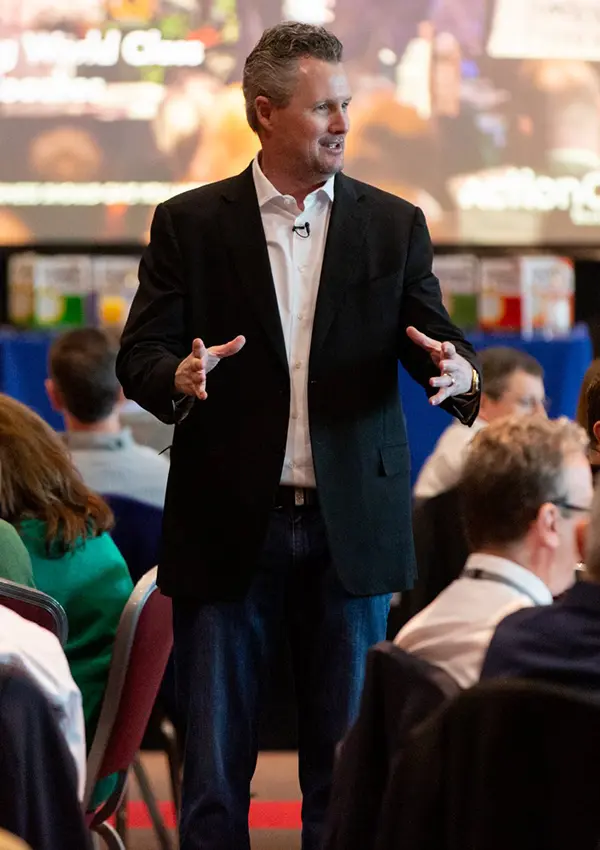
Brad Sugars and the business of becoming unnecessary
Brad Sugars built ActionCOACH by teaching owners how to step away. Three decades later, the Australian entrepreneur is still asking an awkward question: what happens to your business when you leave the room?
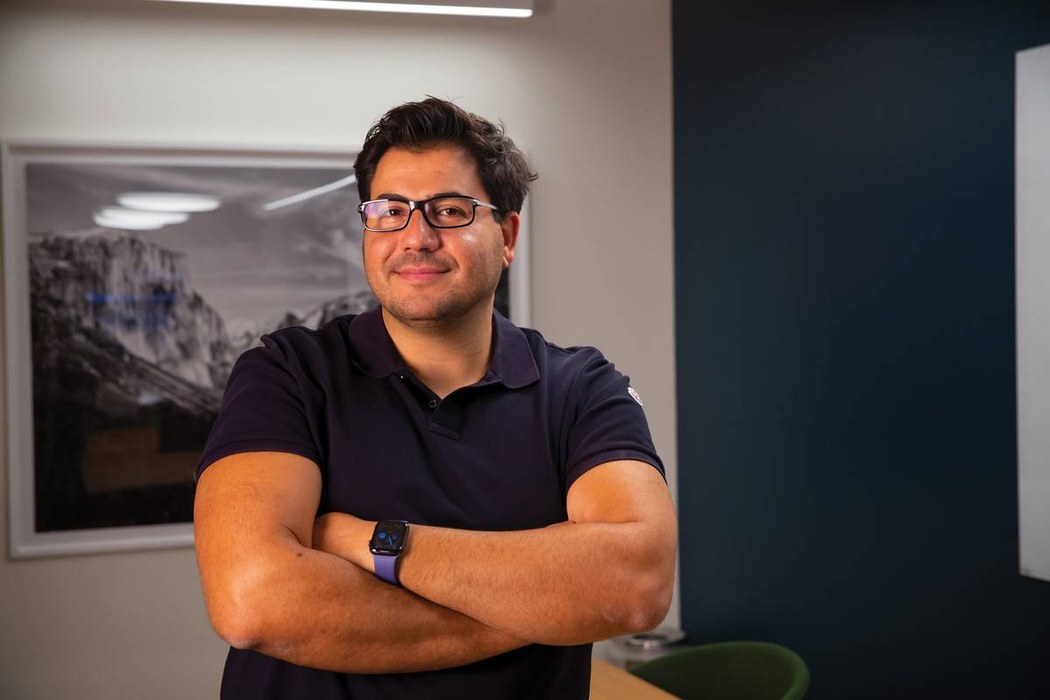
Idan Udi Edry and the trouble with ordinary things
An Air Force captain, a telecom security leader, and a Trustifi co-founder follows the same problem from industrial systems to the inbox: what happens when everyday connections become someone else’s way in?
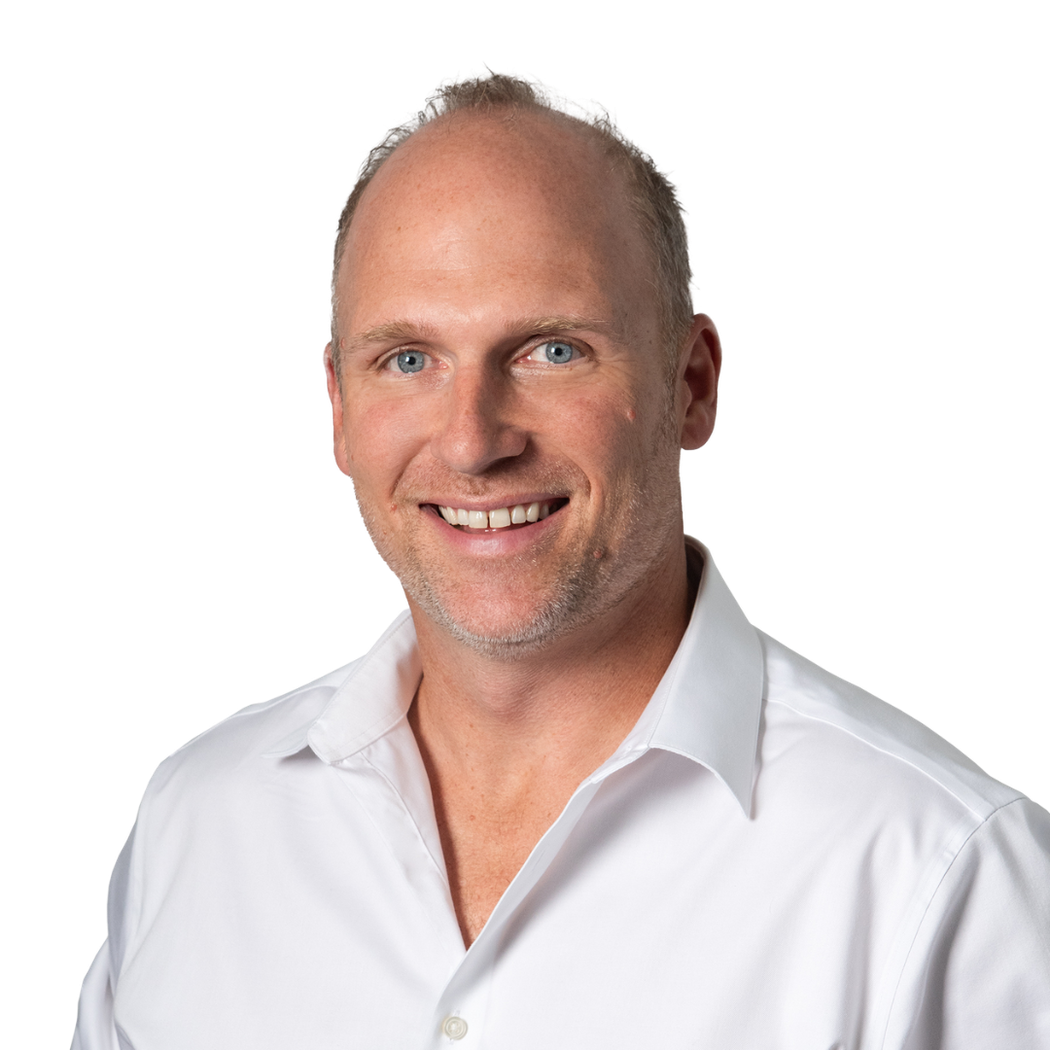
Chris Marlin and the business behind the business
Fifteen years at Zappos took Chris Marlin across finance, supply chains and merchandising. His next chapters led through restaurants and tequila in Mexico to CFO services at Venture First.
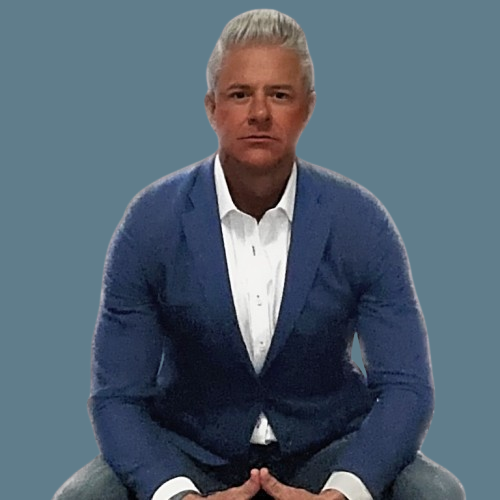
Adam Stryker and the Work After the Pitch
From Nevada campaigns to national technology operations, business ownership and acquisitions, Adam Stryker has worked on the machinery behind an ambition. His career follows the people and responsibilities that make a plan run.