urban-planning
(18)
Beth Silverman and the Business of Turning No Into a Lease
She spent a career learning how cities, developers and nonprofits talk past one another. Then she built a housing model around the useful part of no.
The Collaborative Plans the Conversation Before It Plans the Place
A Boston firm found an unusual way to move public projects forward: treat the meeting, the map and the message as one piece of infrastructure.

The Consulting Firm That Turned a Stormwater Tax Into a Day at the Park
Shockey Consulting sells something city halls badly need and cannot manufacture on command: a credible conversation. Its best work begins where the engineering ends and the public questions start.
Joe Brevard Has Spent 35 Years Making Plans That Leave the Office
The engineer turned city planner built a career around an unfashionable idea: a plan matters only when people can use it. At the Collaborative, that has meant water systems, revived land, public meetings, safer routes and a firm that still calls itself a startup after three and a half decades.
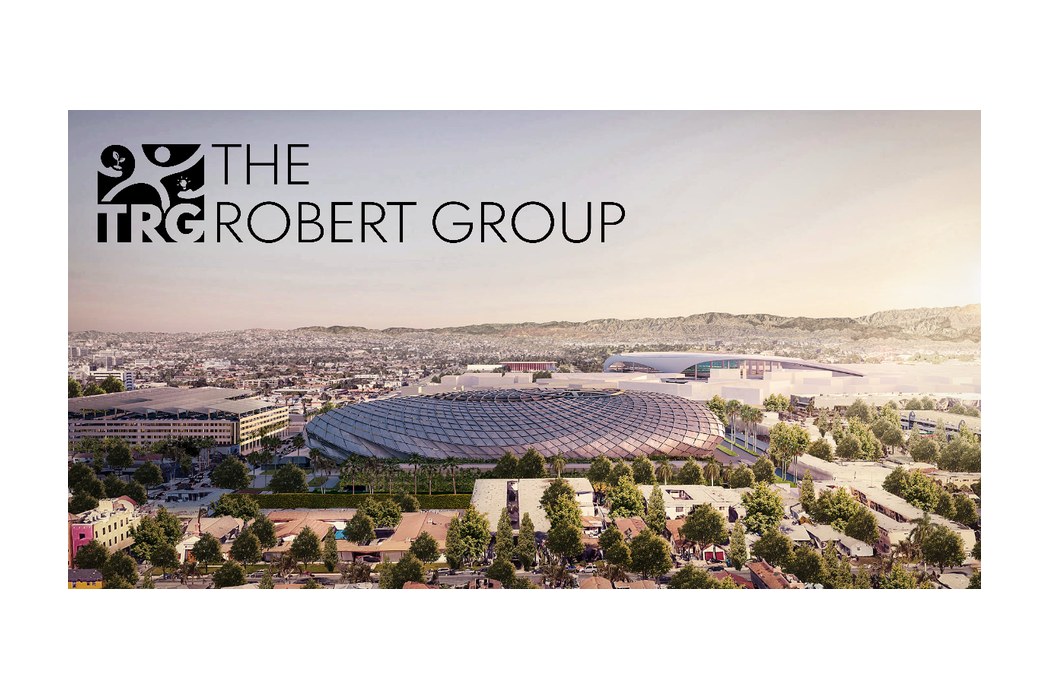
The Robert Group Makes Public Input Hard to Ignore
Southern California's biggest plans do not move on engineering alone. This 11-person public-affairs firm turns maps, environmental reports and construction schedules into conversations people can actually enter.
Winter goes looking for the people missing from the meeting
A Bay Area consultancy takes transportation planning to farmers markets, classrooms, and neighborhood conversations. Its work makes a practical argument: who gets asked helps determine what gets built.

Christelle Rohaut Is Teaching Offices to Run Themselves
The urban planner behind Codi has spent eight years following one stubborn question: why do cities make people and spaces work so hard to find each other? Her answer has evolved from neighborhood desks to software that orders the oat milk.
TestFit
TestFit is a Dallas-based real estate feasibility platform that uses configurator and generative-design algorithms to turn a raw parcel into a buildable site plan, unit mix, parking layout, cost estimate and pro forma in minutes instead of weeks. Founded in 2016 by Clifton Harness and Ryan Griege, it serves developers, architects, contractors, civil engineers and municipalities evaluating multifamily, industrial, retail and mixed-use projects, and has raised $22M including a $20M Series A in 2022.
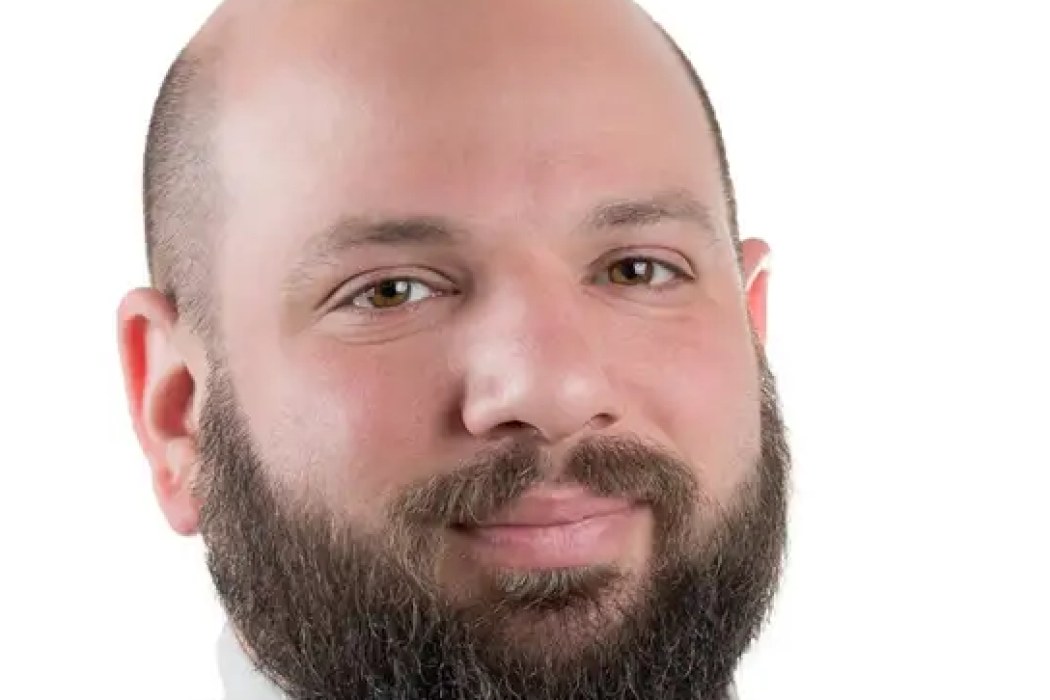
Eyal Feder-Levy
Eyal Feder-Levy is the co-founder and CEO of Zencity, a govtech company that uses AI to turn millions of resident interactions into actionable insight for local governments. An urban planner by training who came up through nonprofit community work in South Tel Aviv, he started Zencity in 2015 to give cities a routine 'finger on the pulse' of their communities. Under his leadership the company has raised roughly $93M, works across six countries, and serves hundreds of government agencies reaching hundreds of millions of residents.
Tolemi
Tolemi is a Boston-based govtech company whose flagship platform, BuildingBlocks, stitches together scattered municipal data - property records, ownership, code violations, tax liens - into a single map-based interface. State and local governments use it to run spatial analysis, spot problem properties, and make faster, data-driven decisions about housing, land use, and neighborhood revitalization. Formerly OpportunitySpace, the company rebranded to Tolemi after Y Combinator and today serves cities from New York to small towns across the U.S.

Populus
Populus is a San Francisco-based mobility intelligence platform that helps over 100 cities digitize, manage, and monetize their streets, curbs, and shared mobility fleets - from scooters and e-bikes to delivery vans and ride-hail vehicles.

Anneli Tostar
Anneli Tostar is the CEO and co-founder of Tangible, a San Francisco software company that helps real estate developers measure, manage, and cut the embodied carbon locked inside the materials they build with. An Oregon-born, Swedish-heritage urbanist who studied anthropology and environmental policy at Harvard and sustainable urban planning at KTH Stockholm, she spent years inside the commercial real estate sustainability world in the UK and US before deciding the industry's spreadsheet-and-Google-search approach to low-carbon materials needed a real platform. She co-founded Tangible with Nicole Granath in late 2021, raised $8.8M, and is on a mission to make choosing low-carbon materials, in her words, stupidly easy.
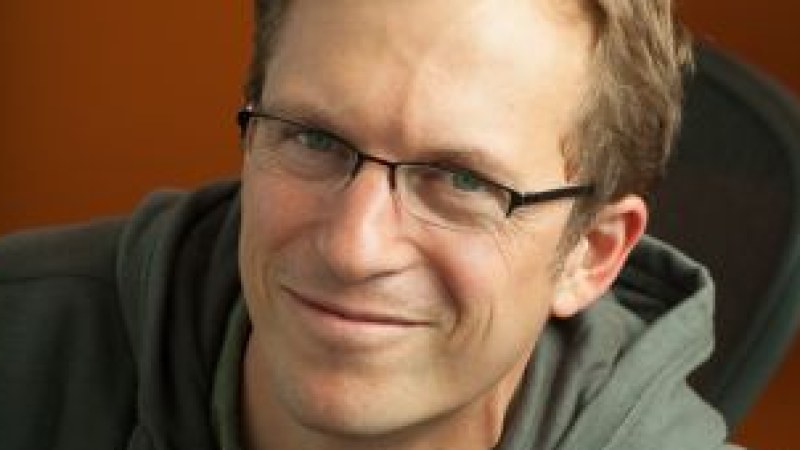
David Block-Schachter
David Block-Schachter is the Chief Business Officer at Transit, the multimodal trip-planning and fare-payment app used in cities across North America and Europe. A car-free MIT transportation PhD who started his career designing websites for American Express and IBM, he co-founded the microtransit startup Bridj, ran customer technology as CTO of the MBTA, and now helps transit agencies turn rider data into faster buses and simpler fares. His through-line: use technology and data to make public transit work better for everyone.
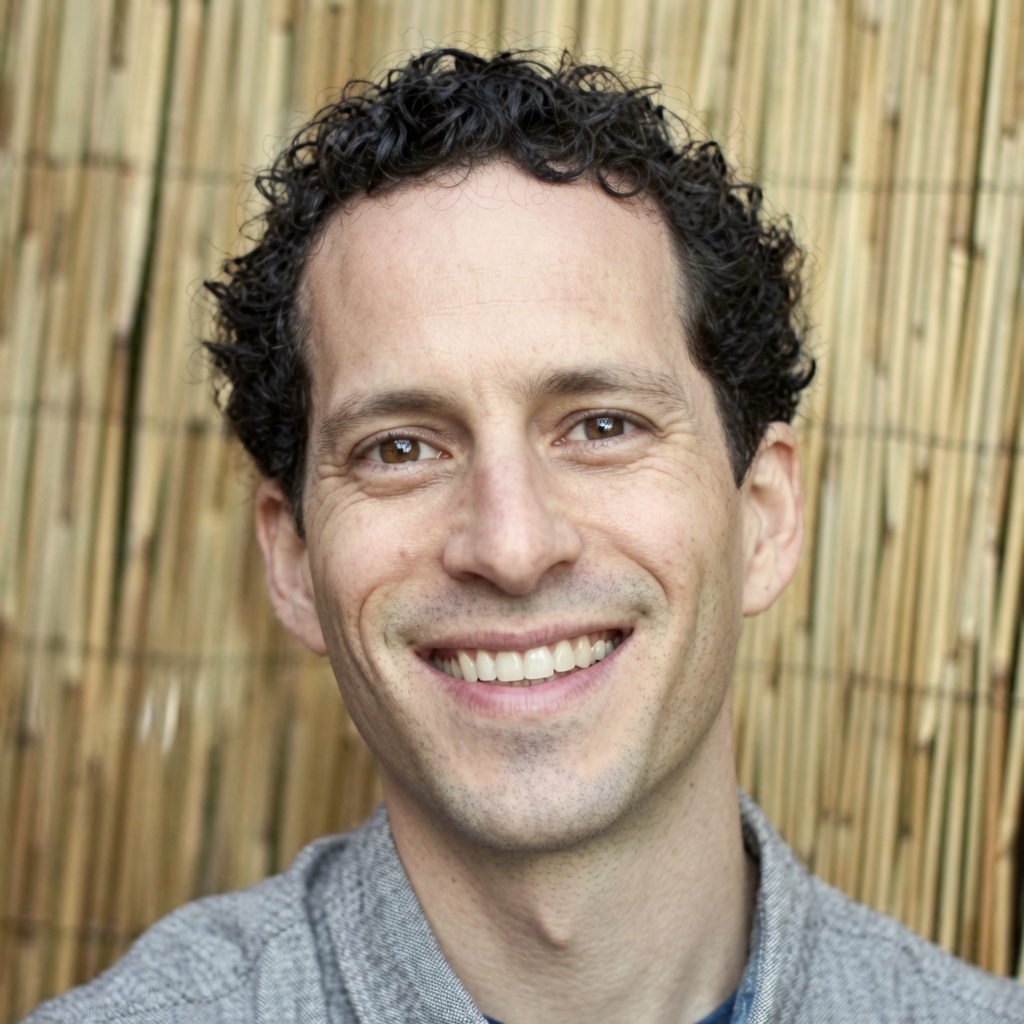
Ezra Goldman
Ezra Goldman is the co-founder and CEO of Upshift, a San Francisco-based company reinventing how city dwellers access cars. Rather than owning or leasing a vehicle full-time, Upshift members subscribe to a car that appears at their door when needed and vanishes when they don't - a fractional model that eliminates insurance headaches, maintenance costs, and the guilt of a depreciating asset sitting idle 95% of the time. Goldman brings 25+ years of shared-transportation obsession to the role, starting with a communist-themed campus bikeshare in 1999, through an MIT master's in urban planning, a PhD stint in Copenhagen studying why Danes ride bikes, and stints at City CarShare and ReachNow before building Upshift into a platform backed by MINI (BMW), Ford, and thousands of crowdfunding investors.
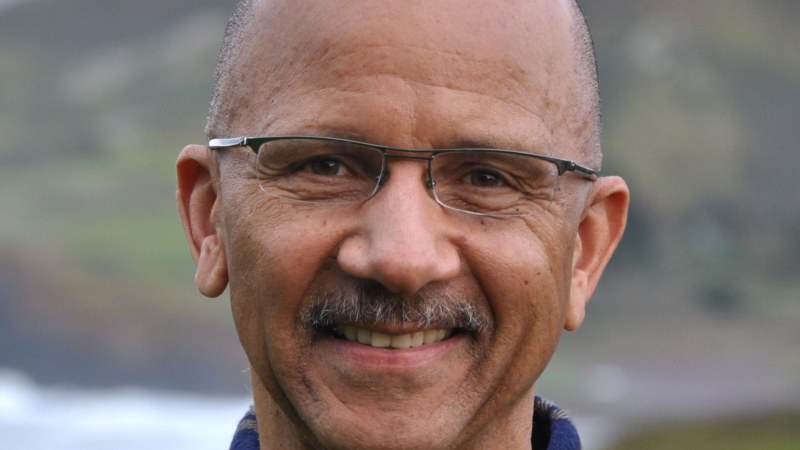
Chuck Collins
Chuck Collins (Charles M. Collins) is a Harvard-trained lawyer, MIT city planner, and former real estate developer who spent nearly two decades as President and CEO of YMCA of Greater San Francisco, transforming it into an organization serving more than 42,000 children annually across three Bay Area counties. Born in San Francisco's Fillmore district in 1947 and raised as one of the first Black families in Mill Valley, he brings a lifetime of crossing boundaries to his work at the intersection of community, equity, and opportunity. Now a Presidential Fellow at USF's Leo T. McCarthy Center for Public Service, he continues to shape the region's civic life.

Jase Wilson
Jase Wilson grew up in rural Missouri, earned a Master of City Planning from MIT, and has spent two decades trying to wire America together. After helping land Google Fiber's first network in Kansas City, founding and ultimately losing Neighborly - a civic fintech built on municipal bonds - he pivoted to Ready.net in 2019. Now, as founder and CEO, he runs a Y Combinator-backed vertical SaaS platform that helps state broadband offices manage billions in federal BEAD grants and track sub-grantee performance, with $14.6M in total funding and a team of 62.

Rick Holliday
Rick Holliday is a San Francisco Bay Area real estate developer and social entrepreneur with nearly 50 years of experience building affordable and market-rate housing. He co-founded Factory OS in 2017 to revolutionize multifamily housing production through factory-based modular construction, securing $77.7M in funding from Google, Autodesk, Facebook, and Citi. His career spans co-founding Eden Housing (1978), BRIDGE Housing (early 1980s), and Holliday Development (1988), where he pioneered live-work loft conversions in SoMa. Factory OS, located in a former WWII submarine shipyard on Mare Island in Vallejo, demonstrated 40% faster delivery and 20-30% cost savings over traditional construction.

Waypoint Transit
Waypoint Transit is an AI-powered urban planning platform that automates the creation of civil infrastructure studies for city governments and transit agencies. Founded in 2024 by Stanford graduates Varun Tandon and Ryan Johnston, the company replaces months of repetitive consultant work with AI-driven analysis - cutting costs by 70% and timelines from years to months. In a market where U.S. cities spend $50B annually on planning, Waypoint is already working with 10+ municipalities across the country.