antibody-discovery
(21)
The Biologist Should Not Have to Wait for the Bioinformatician
MiLaboratories began with a tool for reading the immune system. Its bigger wager is that the people asking biological questions should be able to follow the data all the way to a decision.
Invenra Built an Antibody Factory. Then One of Its Molecules Reached Humans.
The Madison biotech spent years making two-target antibodies easier to build, screen and manufacture. Now a partner-discovered molecule is in a Phase 1 trial - and the operating lesson may be more reusable than the science.

Jessica Grossman Keeps Choosing the Harder, More Useful Company
The physician-turned-founder has spent two decades converting clinical frustration into companies, products and hard-won momentum. At IgGenix, her operating system is simple: keep the mission close, the team candid and the next milestone concrete.

Debra Weidanz
Debra Wawro Weidanz is the co-founder, CEO and chief scientist of Resonant Sensors Incorporated, an Arlington, Texas biotech that builds label-free, high-throughput biosensor systems used to speed antibody discovery, drug screening and diagnostics. An electrical engineer turned inventor, she developed the company's guided-mode resonance sensor technology out of research at the University of Texas at Arlington, and later co-founded the cancer-immunotherapy startup Abexxa Biologics, which Boehringer Ingelheim acquired in 2021. With her husband Jon, she has become a notable UTA benefactor, funding a named tissue-engineering lab and research fellowships.
Resonant Sensors Incorporated
Resonant Sensors Incorporated (RSI) is an Arlington, Texas biotechnology company that builds label-free optical biosensor systems based on its patented guided-mode resonance (GMR) technology. Its ResoSens Ultra-Mab Pro benchtop plate reader and disposable Bionetic microarray plates let researchers watch molecular binding interactions in real time, in a standard 96-well format, using tiny sample volumes and no fluorescent labels. RSI targets antibody discovery, epitope binning, hybridoma screening, kinetics and cell-based assays for immunotherapy, diagnostics and life-science research, and also offers analytical contract testing services.
Sanavia Oncology Inc.
Sanavia Oncology is a New York-based biotech company developing next-generation cancer immunotherapies for patients who don't benefit from existing treatments. Its proprietary platform pairs high-throughput sequencing, single-molecule super-resolution microscopy, 3D protein modeling and artificial intelligence to discover novel, clinically relevant cancer-specific epitopes in drug-resistant tumors, then generates antibodies with atomic-level specificity to those targets. The company is building antibody drug conjugates (ADCs), bispecific T cell engagers (TCEs) and CAR-T therapies - led by its SANA-01 ADC - and is backed by Two Bear Capital.
Katherine Bowdish
Katherine (Kathy) Bowdish is a molecular geneticist and biopharmaceutical leader who serves as President and CEO of PIC Therapeutics, a Natick, Massachusetts biotech developing cancer drugs that work by modulating RNA translation - targeting the eIF4E 'master switch' that tumors use to overproduce oncogene proteins. Over more than two decades she has founded and led a string of early-stage life science companies including Prolifaron (acquired by Alexion), Anaphore and Permeon Biologics, and she built and ran Sanofi Sunrise, the pharma giant's early-stage venture and partnering arm. She holds a PhD in molecular genetics from Columbia and led PIC through a $35 million Series A to push its lead program toward the clinic in drug-resistant breast cancer.

Eureka Therapeutics, Inc.
Eureka Therapeutics is a clinical-stage biopharmaceutical company in Emeryville, California, developing next-generation T-cell therapies for cancer, with a focus on hard-to-treat solid tumors. Founded in 2006 by Dr. Cheng Liu, the company pairs its E-ALPHA phage-display antibody engine with its ARTEMIS T-cell receptor platform - an alternative to conventional CAR-T designed to keep engineered T cells potent inside immunosuppressive tumors while sharply reducing the inflammatory cytokine release linked to CAR-T toxicity. Its lead program, ECT204, targets GPC3-positive advanced liver cancer and has received FDA RMAT designation.
IgGenix, Inc.
IgGenix is a clinical-stage biotechnology company in South San Francisco developing fully human, allergen-specific antibody therapeutics for severe food and environmental allergies. Its proprietary SEQ SIFTER single-cell RNA-sequencing platform isolates the rare IgE-producing B cells behind allergic reactions and re-engineers them into protective IgG antibodies designed to block the allergic cascade. The lead candidate, IGNX001, is in a Phase 1 trial for peanut allergy.
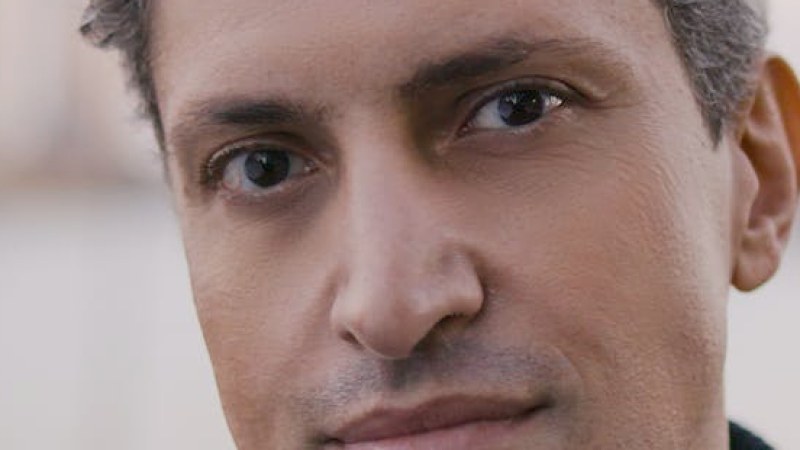
Server Ertem
Server Ertem is the founder and CEO of Sanavia Oncology, a New York biotech developing antibody drug conjugates, T-cell engagers, and CAR-T therapies aimed at the roughly 80% of cancer patients whose tumors escape today's treatments. He built the company after a PhD in cancer cell biology at Weill Cornell, a postdoc at Memorial Sloan Kettering, and a Runway Startup Postdoc fellowship at Cornell Tech - stitching high-throughput cell biology, super-resolution microscopy, and machine learning into a platform designed to find cancer-specific epitopes on validated targets with atomic-level precision.
Abalone Bio
Abalone Bio is an Emeryville-based preclinical biotech building target-activating antibodies for diseases other drugs can't reach. Its FAST platform pairs engineered yeast cells with AI/ML to screen ~100 million antibodies per experiment for functional activity, not just binding, with an initial focus on G-protein coupled receptors (GPCRs) and metabolic disease.
Diagonal Therapeutics
Diagonal Therapeutics is a Watertown, Massachusetts biotech building 'clustering antibodies' - multi-specific, agonist antibodies that bind two or more cell-surface receptors at once to switch broken signaling pathways back on. Its DIAGONAL Product Engine combines computational and experimental screening to sift billions of antibody combinations for the rare ones that restore receptor activity. The lead program, DIAG723, restores dysregulated ALK1 signaling to address the root cause of hereditary hemorrhagic telangiectasia (HHT) and pulmonary arterial hypertension (PAH). Founded by Alex Lugovskoy with Atlas Venture, the company launched in 2024 with a $128M Series A and raised an oversubscribed $125M Series B in January 2026 to push DIAG723 into the clinic.
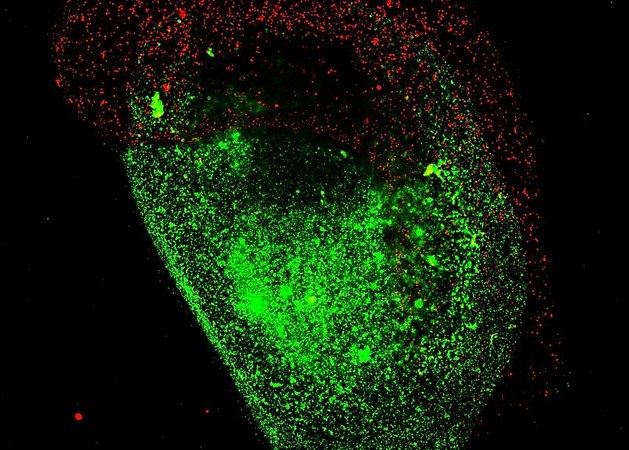
Prellis Biologics
Prellis Biologics is a Berkeley, California biotech that 3D-prints human lymph node organoids to grow real human antibodies in a dish. Its EXIS platform uses holographic two-photon laser bioprinting plus AI to recreate the human immune response in vitro, discovering fully human antibody therapeutics faster and cheaper than animal-based methods, including against difficult targets like GPCRs where mouse models fail.
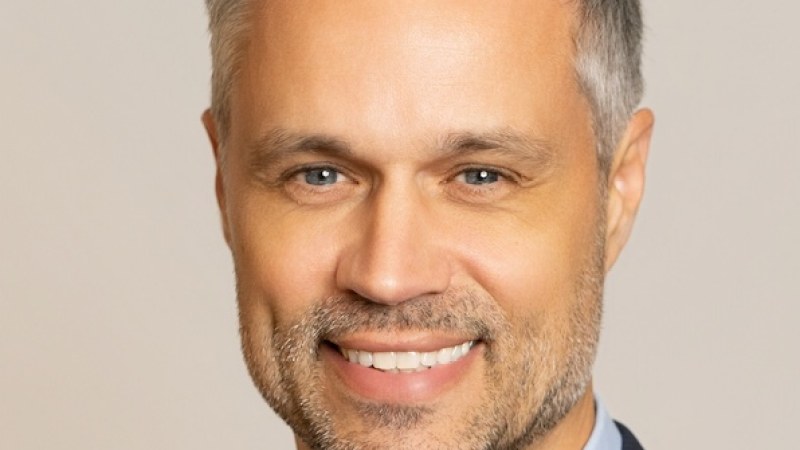
Errik Anderson
Errik Anderson is the founder and CEO of Alloy Therapeutics, a Lexington, Massachusetts biotech he built around a single idea: stop selling drugs and start selling access to the tools that make them. A bioengineer and serial entrepreneur, he has founded or co-founded seven venture-backed biotech companies - Adimab, Alloy, Compass Therapeutics, Alector, Arsanis, and Avitide among them - whose technologies have helped discover more than 90 therapeutic antibodies now approved or in FDA review. Alloy reinvests 100% of its revenue into science and, by design, can never be sold. Outside the lab, Anderson co-owns the New England Free Jacks pro rugby team and has chaired Major League Rugby's Board of Governors.

Tentarix Biotherapeutics
Tentarix Biotherapeutics is a San Diego biotech building conditionally active, multispecific biologics that switch on only at the cells where they are needed. Its proprietary stack - the VH-Select stabilized human VH scaffold, Tentacles multifunctional molecules, and the FunctionSeq mammalian-display screening engine - lets the company discover therapies with high cell selectivity and a wider therapeutic index across oncology, immuno-oncology, and autoimmune disease. Backed by Versant Ventures, Samsara BioCapital, Amplitude Ventures, and Gilead Sciences, and partnered with AbbVie and Gilead.
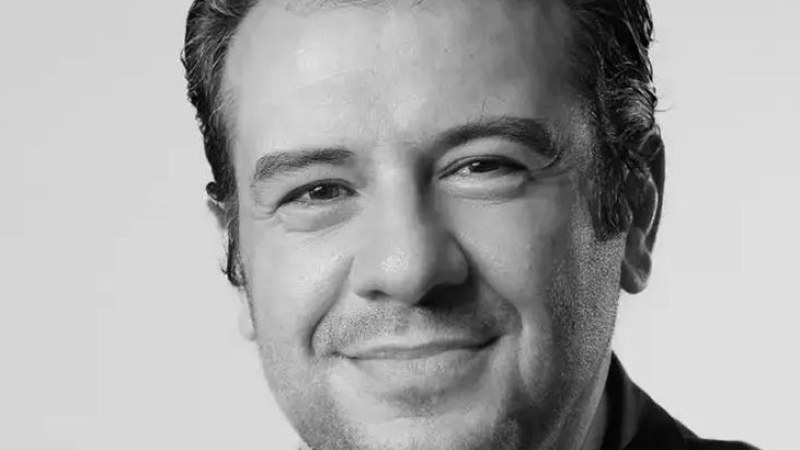
Mike Nohaile
Mike Nohaile is the CEO of Prellis Biologics, a Berkeley biotech using two-photon holographic 3D bioprinting to grow lymph node organoids and pull antibody candidates straight from the human immune repertoire. A molecular biologist by training (PhD from UC Berkeley, postdoc at MIT), he spent decades operating at the top of the pharma industry - partner at McKinsey, Global Head of Molecular Diagnostics at Novartis, Senior VP of Strategy, Commercialization & Innovation at Amgen, and Chief Scientific Officer at Generate Biomedicines - before taking the helm at Prellis in 2022 alongside a $35M Series C. He is a vocal skeptic of AI drug-discovery hype, insisting AI optimizes proteins but does not yet invent medicines.

Vibrant Therapeutics
Vibrant Therapeutics (VibrantX) is a clinical-stage biotechnology company building intelligent, logic-gated antibody therapeutics that switch on only inside diseased tissue. By pairing computational protein design with high-throughput wet-lab validation across its BumbleBee, LogicBee and NeuroBee platforms, Vibrant develops conditionally activated, multi-specific antibody prodrugs for oncology, autoimmune, inflammatory and neurological diseases. Its lead program, VIB305, is a logic-gated masked T-cell engager for EGFR-positive solid tumors that has received FDA IND acceptance.

Alloy Therapeutics, Inc.
Alloy Therapeutics is a biotechnology ecosystem company that democratizes access to the tools, platforms, and expertise needed to discover and develop new drugs. Founded in 2017 by Errik Anderson and headquartered in the Boston area (Lexington, Massachusetts), Alloy gives more than 200 partners non-exclusive, affordable access to proprietary technologies - led by its royalty-free ATX-Gx transgenic-mouse antibody discovery platform - along with discovery services and a venture studio that builds new biotech companies. Its model is unusual: Alloy reinvests revenue into innovation and its controlling stock cannot be sold. In April 2026 the company raised a $40M Series E at a $1B valuation.

Lila Sciences
Lila Sciences is a Cambridge, Massachusetts company building what it calls scientific superintelligence: an 'AI Science Factory' that fuses generative AI with fully autonomous, robotic laboratories. Its platform generates hypotheses, designs and runs physical experiments, reads the results, and decides what to test next - closing the loop of the scientific method without a human pipetting at every step. Spun out of Flagship Pioneering's labs in 2023 and unveiled from stealth in March 2025, Lila has raised roughly $550 million and reached a valuation around $1.3 billion, with autonomous-science units aimed at life, chemical, and materials science.

Normunity
Normunity is a clinical-stage biotech building a new class of cancer drugs it calls 'immune normalizers' - antibodies and T cell engagers that target previously hidden mechanisms tumors use to evade the immune system. Founded on the science of Yale immunologist Lieping Chen and led by drug-development veteran Rachel Humphrey, the company runs research at Yale's West Campus in West Haven, Connecticut, and dosed its first patient in 2025.
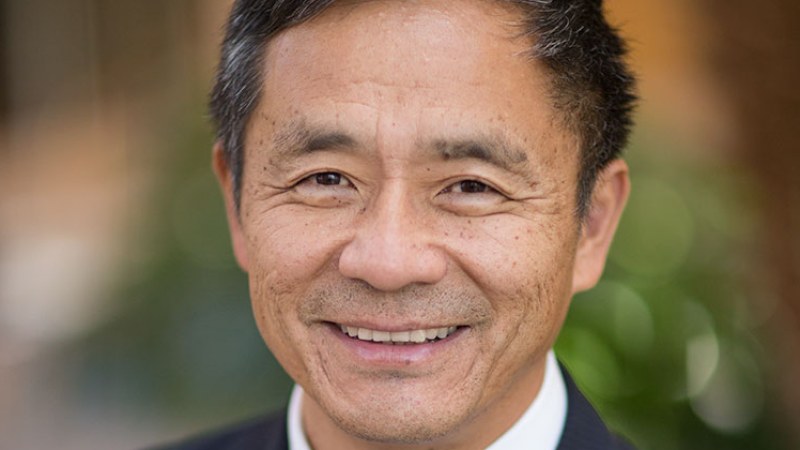
Cheng Liu
Cheng Liu is the founder, President, and CEO of Eureka Therapeutics, Inc., a clinical-stage biopharmaceutical company based in Emeryville, California. A molecular cell biologist trained at UC Berkeley and Peking University, Liu invented a novel class of TCR mimic antibodies that allow engineered T cells to recognize intracellular tumor antigens - a major challenge in treating solid tumors. Since founding Eureka in 2006 after a decade at Chiron/Novartis, he has built a pipeline of ARTEMIS T-cell therapies targeting liver cancer, multiple myeloma, and neuroblastoma, with the company's ECT204 program earning FDA RMAT Designation in January 2026 - one of the highest-priority designations the FDA gives to regenerative medicine therapies. Eureka has raised over $168 million in total funding and holds more than 500 patents worldwide.