Tagged: aging
23 results
HERVolution Therapeutics
HERVolution Therapeutics is a Copenhagen-based biotechnology company developing immunotherapies that target human endogenous retroviruses (HERVs) - dormant remnants of ancient viruses embedded in human DNA that can reactivate with age and disease. Formerly named InProTher, the company has engineered a proprietary platform that redesigns these 'dark genome' antigens to break immune tolerance, making them visible to the immune system for the first time. Its off-the-shelf vector-based pipeline, led by IPT-001, aims to treat cancer, metabolic disease, and other diseases of aging.
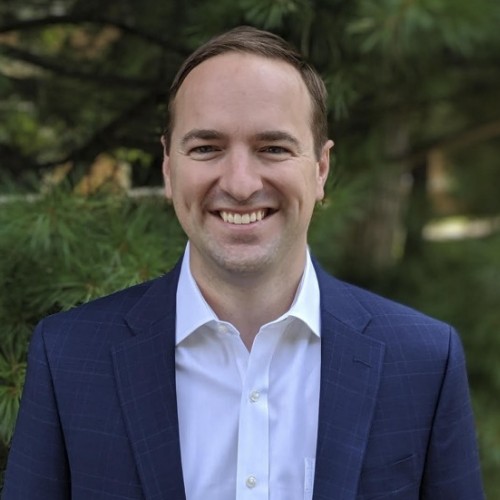
J. Robert Coleman
J. Robert Coleman, PhD, MBA, is Chairman and CEO of HERVolution Therapeutics, a Copenhagen-based biotech developing immunotherapies that target human endogenous retroviruses (HERVs) - the ancient viral DNA lodged in the dark genome that reawakens in cancer, aging, and neurodegeneration. A trained virologist, he co-founded Codagenix, where he built a synthetic-biology vaccine platform into a clinical-stage pipeline and raised nearly half a billion dollars before pivoting to HERVs in late 2023.

Generation Lab
Generation Lab is a San Francisco longevity biotech building SystemAge, a diagnostic that measures how fast your body is actually aging rather than predicting a number. Using DNA methylation analysis of hundreds of biomarkers, it reports biological ages across roughly 19 organ systems from a blood sample, then hands clinicians an actionable plan to track whether interventions are moving the needle. Founded in 2023 by CEO Alina Rui Su, UC Berkeley aging researcher Dr. Irina Conboy, and operator Michael Suswal, the company raised an $11M seed in October 2025 led by Accel and works with 275+ clinics across roughly 18 countries.

Integrated Biosciences
Integrated Biosciences is a Redwood City biotech founded in 2022 that fuses optogenetics, chemistry, and AI to discover small-molecule drugs for age-related diseases. Its optogenetic screening platform uses light to control cellular biology at millisecond and micron scale, generating clean data to train an explainable-AI drug-discovery engine. The company has published in Nature - including a new structural class of antibiotics - and raised $17.2M in seed funding led by Sutter Hill Ventures.

Mitrix Bio
Mitrix Bio is a Bay Area biotech startup building bioreactor-grown mitochondria - the cell's power plants - packaged into vesicles it calls 'Mitlets' and delivered by injection. Founded by former SLAC accelerator manager Tom Benson, the company treats the slow decline of mitochondria as a root cause of aging and aims to manufacture autologous, young mitochondria at industrial scale so clinicians can regenerate organs, boost immunity and cognition, and extend healthy human lifespan toward 130 years.

Reframe Financial
Reframe Financial is a Los Angeles-based insurtech building digital-first insurance for the messy middle of life - the years when millennials and Gen Xers are raising kids and starting to care for aging parents. Its flagship product, Reframe LifeStage, bundles Indexed Universal Life insurance with cash value and long-term care benefits into a single policy that evolves across three life stages, sold through employers and associations with online underwriting that skips the lab tests and interviews.

Waterlily
Waterlily is a San Francisco-based startup that uses AI and more than 500 million data points to predict when and how a person will need long-term care, what it will cost, and how to pay for it. Built primarily for financial advisors and insurance carriers, its software turns one of retirement planning's most avoided questions into a concrete, personalized plan - from care projections to matching families with optimal long-term care insurance policies in under a second.

John Ramunas
John Ramunas, PhD, is the Co-Founder and CEO of Rejuvenation Technologies Inc., a Mountain View, CA biotechnology company pioneering mRNA-based telomere extension therapy to reverse cellular aging. A serial entrepreneur turned neuroscientist, Ramunas spent his PhD at Stanford's Baxter Laboratory for Stem Cell Biology inventing the first safe, nonimmunogenic TERT mRNA drug - a technology now protected by 50+ patents. His company, backed by Khosla Ventures and Y Combinator, is advancing a pipeline targeting fatal orphan diseases including idiopathic pulmonary fibrosis and liver cirrhosis, with the long-term vision of a single therapy taken every few years to prevent age-related disease.

Gordian Biotechnology
Gordian Biotechnology is a South San Francisco in vivo drug discovery company building a high-throughput screening platform that tests hundreds of gene therapies simultaneously inside animals that naturally develop age-related diseases. By pairing 'patient avatar' models with single-cell transcriptomics and machine learning (a stack the company calls Mosaic Screening + Pythia), Gordian aims to predict human clinical outcomes earlier and cure complex diseases of aging.

Felix Wong
Felix Wong is the co-founder and CEO of Integrated Biosciences, a Redwood City biotech using synthetic biology, optogenetics and explainable AI to discover small-molecule drugs for age-related disease. A physicist and mathematician by training with a Harvard PhD in applied physics, he led the team that reported the first new structural class of antibiotics discovered with explainable deep learning - published in Nature in 2023 - and pioneered the AI-driven discovery of senolytics. He was named to the Forbes 30 Under 30 in Healthcare and has authored more than 30 papers in journals including Nature, Science and Cell.

Arda Therapeutics
Arda Therapeutics is a San Carlos, California biotech building precision biologics that eliminate the specific cells driving chronic disease rather than tinkering with the proteins those cells produce. Using a single-cell data discovery engine, Arda maps disease-specific cell states, pinpoints their surface markers, and designs targeted therapies that deplete only the harmful cells while sparing healthy tissue. Founded in 2021 by former Calico scientist Adam Freund, the company is applying lessons from oncology to fibrosis, autoimmune, and metabolic disease, backed by a $43M Series A led by a16z Bio + Health.

Epirium Bio
Epirium Bio is a San Diego-based clinical-stage biopharmaceutical company developing orally available small molecules that target PGE2 signaling to restore tissue homeostasis, reduce inflammation, and stimulate regeneration. Its lead candidate, MF-300, is a first-in-class oral 15-PGDH enzyme inhibitor advancing toward a Phase 2b trial for sarcopenia, the age-related loss of muscle strength for which no FDA-approved therapy currently exists.

Immetas Therapeutics
Immetas Therapeutics is a New Jersey biotech building drugs that target the chronic, low-grade inflammation that drives aging and age-related disease - what scientists call 'inflammaging.' Founded in 2018 by drug-development veteran J. Gene Wang and Harvard aging researcher David Sinclair, the company designs bispecific antibodies and other biologics to reprogram the innate immune system, aiming to treat age-related cancers and inflammatory and autoimmune disease. It raised an $11M Series A from Morningside Ventures in 2020 and partners with GC Biopharma on mRNA therapeutics.

Retro Biosciences
Retro Biosciences is a clinical-stage longevity biotech in Redwood City, California with a single, unsubtle goal: add ten healthy years to the human lifespan. Founded in 2018 and launched publicly in 2021 with $180 million from OpenAI CEO Sam Altman, the company attacks aging at the cellular level across three platforms - autophagy enhancement, cellular reprogramming, and plasma-inspired therapeutics. Its lead drug, RTR242, an autophagy-restoring small molecule aimed at Alzheimer's disease, entered a first-in-human Phase 1 trial in 2025. A 2026 raise valued Retro at $1.8 billion.
David Werdegar
Dr. David Werdegar, MD, MPH is the former President and CEO of Institute on Aging (IOA), San Francisco's leading nonprofit dedicated to helping older adults and adults with disabilities live with dignity and independence. A physician trained at New York Medical College and UCSF, Werdegar transformed IOA from a community program into a comprehensive elder-care organization serving thousands annually across the San Francisco Bay Area. Under his watch, IOA opened a landmark 50,000-square-foot campus on Geary Boulevard in 2011, consolidating programs spanning home care, dementia day enrichment, and the 24/7 Friendship Line warmline. He retired in 2022 after steering the organization to nearly $100 million in annual revenue with a staff of around 900.

Marty Lynch
Marty Lynch, PhD, MPA, is CEO Emeritus of LifeLong Medical Care, the Berkeley-based federally qualified health center he led for nearly four decades. He grew a small Over 60 Health Center into a 16-clinic network covering Alameda, Contra Costa, and Marin counties, and now lectures at UC Berkeley while serving on California's Master Plan for Aging Advisory Committee.

Gero
Gero is a Singapore- and Palo Alto-based biotech company applying physics-informed AI to longitudinal human health data to find the root causes of aging and develop therapies for age-related diseases. Co-founded by physicist Peter Fedichev and entrepreneur Maxim Kholin, Gero has built a foundational model of human health trained on 100M+ medical records, and partners with major pharma including Pfizer and Chugai.

Max Kholin
Maxim (Max) Kholin is the co-founder and COO of Gero, a physics-powered longevity biotech company applying statistical physics and AI to crack the biology of aging. With roots in contract law, international business, and computational drug design, he bridges the gap between cutting-edge science and real-world commercialization. Gero - which he co-founded with physicist Peter Fedichev in 2015 - has pioneered the field of 'Gerophysics,' trained its models on 100M+ longitudinal medical records, and secured partnerships with Pfizer and Chugai Pharmaceutical worth up to $250M in milestones. Based across Singapore and Palo Alto, Kholin's mission is nothing less than transforming humans into a non-aging species.

Peter Fedichev
Peter Fedichev is a theoretical physicist turned longevity entrepreneur who co-founded Gero, a biotech AI company applying physics-based generative AI models to crack the root causes of aging. A former top-2 cited Russian physicist under 35, he traded quantum gases for aging clocks, building a platform that predicted biological age from wearable data before it was fashionable, secured a Pfizer collaboration, and landed a potential $250M deal with Chugai Pharmaceutical (Roche Group) in 2025 - all while publishing over 75 scientific papers and winning a $10,000 prize for winning a public debate on defeating aging.

Mon Ami
Mon Ami is a San Francisco software company building a cloud-based operating system for the aging and disability services sector - the agencies, nonprofits, and state units that quietly hold up America's care infrastructure. Its platform replaces decades-old databases and spreadsheets with a HIPAA-compliant system for case management, programs, billing, and reporting.

Francisco Leport
Francisco Leport is the co-founder and CEO of Gordian Biotechnology, a South San Francisco-based company pioneering high-throughput in vivo drug discovery for age-related diseases. Trained as a physicist at Stanford, Leport pivoted from particle physics and energy tech into biotech, driven by a lifelong fascination with longevity sparked by his mother's fruit fly research. Gordian's signature 'mosaic screening' platform uses gene therapy vectors and single-cell RNA sequencing to test hundreds of therapies simultaneously in single animal models, with an AI system called Pythia scoring results against human disease signatures - achieving 80% accuracy in predicting clinical outcomes. The company raised a $60M Series A in April 2024, backed by Founders Fund, Gigafund, and The Longevity Fund, and in early 2026 announced a research collaboration with Pfizer to accelerate obesity drug discovery.
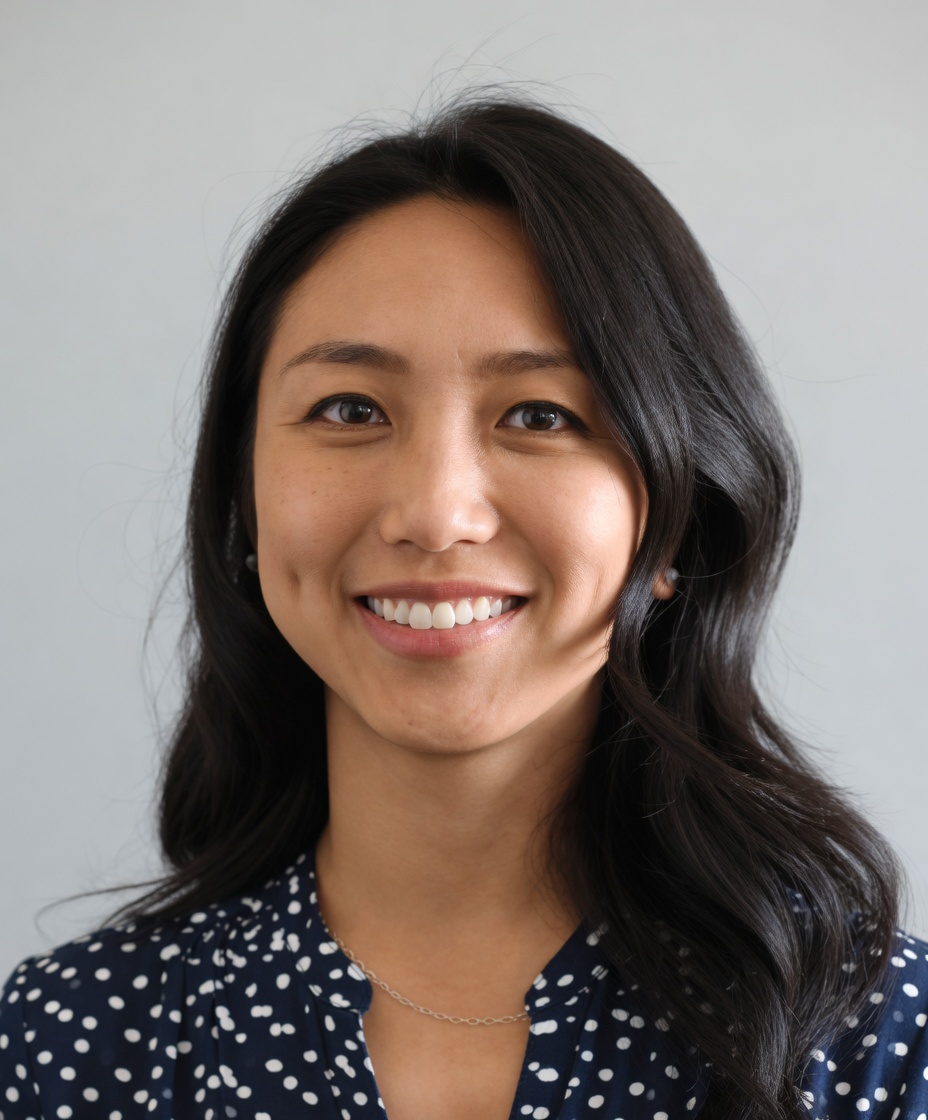
Joy Zhang
Joy Zhang is the CEO and Co-Founder of Mon Ami, a San Francisco-based healthtech company building HIPAA-compliant SaaS for agencies that serve older adults and people with disabilities. A Stanford MBA who has volunteered in hospice and dementia care since high school, Zhang co-founded Mon Ami in 2018 after interviewing 150+ seniors and caregivers to understand what the system was missing. Today Mon Ami is used by government agencies and nonprofits across the US, helping them replace manual paperwork with automation - so their staff can focus on care instead of administrative burden. The company has raised over $12M and grown to 180 employees, making it one of the most visible startups in the aging-services technology space.
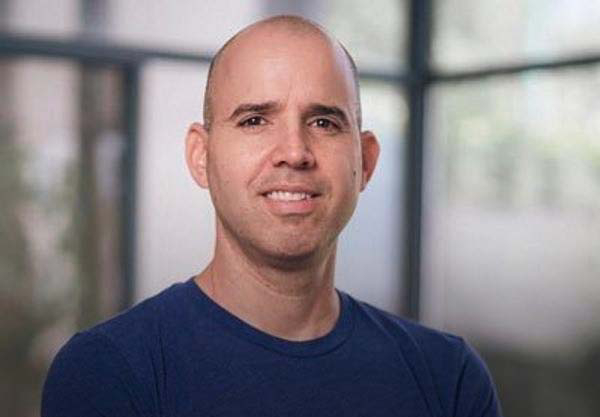
Omri Amirav-Drory
Omri Amirav-Drory, Ph.D., is a General Partner at NFX leading NFX Bio, a pre-seed and seed venture fund focused on scientist-founders at the intersection of technology and biology. A former Fulbright Scholar and Stanford postdoc turned biotech entrepreneur, he co-founded Genome Compiler (acquired by Twist Bioscience), launched Tech.Bio, and now backs breakthrough life sciences companies while co-founding Renewal Bio - a longevity company building synthetic embryo-derived tissues to combat aging. His stated mission is ending involuntary death.