tokyo
(8)
Llion Jones Helped Invent the Transformer. Now He Wants Room to Think Beyond It.
A paper he co-wrote changed artificial intelligence. In Tokyo, the Sakana AI co-founder is trying to protect the freedom that made such a paper possible - and see what comes after it.
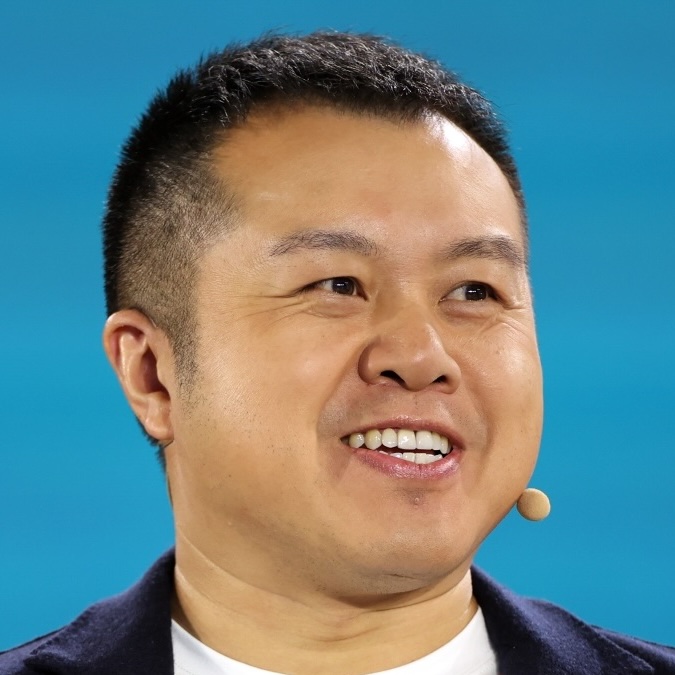
David Ha Followed a Lunch Card Into the Future of AI
A derivatives trader used points from his lunches to enter a library above the trading floor. The experiments he built there eventually took him to Google Brain and, years later, to a Tokyo AI company named for a school of fish.
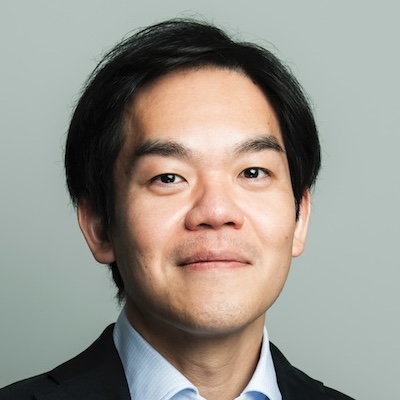
Ren Ito and the Art of Changing Course
He trained for law, spent years in diplomacy and helped take Mercari abroad. At Sakana AI, Ren Ito brings that habit of crossing borders to a new question: how should Japan build its own future in AI?

IPPO Wants Your Next Office to Come With a Past
The Tokyo broker helps startups inherit offices instead of paying to strip them out and build them again. The clever part is getting the departing tenant, the new tenant and the landlord to agree.

DMM Quit Robots. Now It’s Putting ¥5 Billion Into a Return.
Anime, currency trading, English lessons and an aquarium already share the DMM name. Its return to robotics reveals how this Japanese conglomerate decides which failures deserve another chance.
Nikon Spent a Century Perfecting Light. Now It Is Betting the Company on Everything Except Cameras.
The camera brand your grandparents trusted now etches microchips, prints jet parts in metal, and photographs living cells. In 2026 that pivot is running at a loss - and Nikon says that is the point.
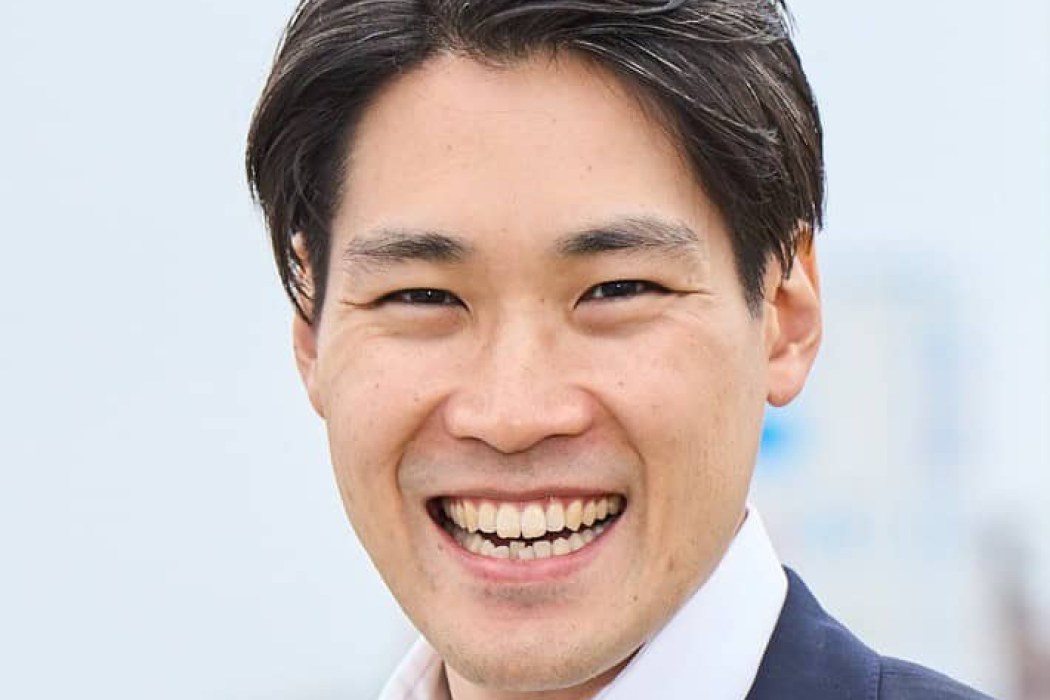
Ryo Chikazawa
Ryo Chikazawa is the co-founder and CEO of Autify, an AI-powered software testing automation company based in San Francisco and Tokyo. A software engineer who worked in Japan, Singapore, and the US, he kept running into the same problem everywhere: testing software takes too long. After eight pivots and interviewing 70+ prospects, he built Autify into a no-code test automation platform used by companies like Unity, DeNA, and ZOZO, raising roughly $32M through Series B and launching Autify Genesis, an autonomous AI testing agent.

Integral AI
Integral AI is a Japan-US startup building foundation world models - AI systems meant to learn, plan, and act in the real world the way people do, with an emphasis on energy efficiency and continuous, autonomous skill learning. Founded in 2021 by ex-Google AI leaders Jad Tarifi and Nima Asgharbeygi, the company positions its interactive world models as infrastructure for an AI-based economy, spanning robotics, universal simulators, and multimodal interfaces. In December 2025 it made headlines by claiming to have tested the world's first AGI-capable model, TOWA.