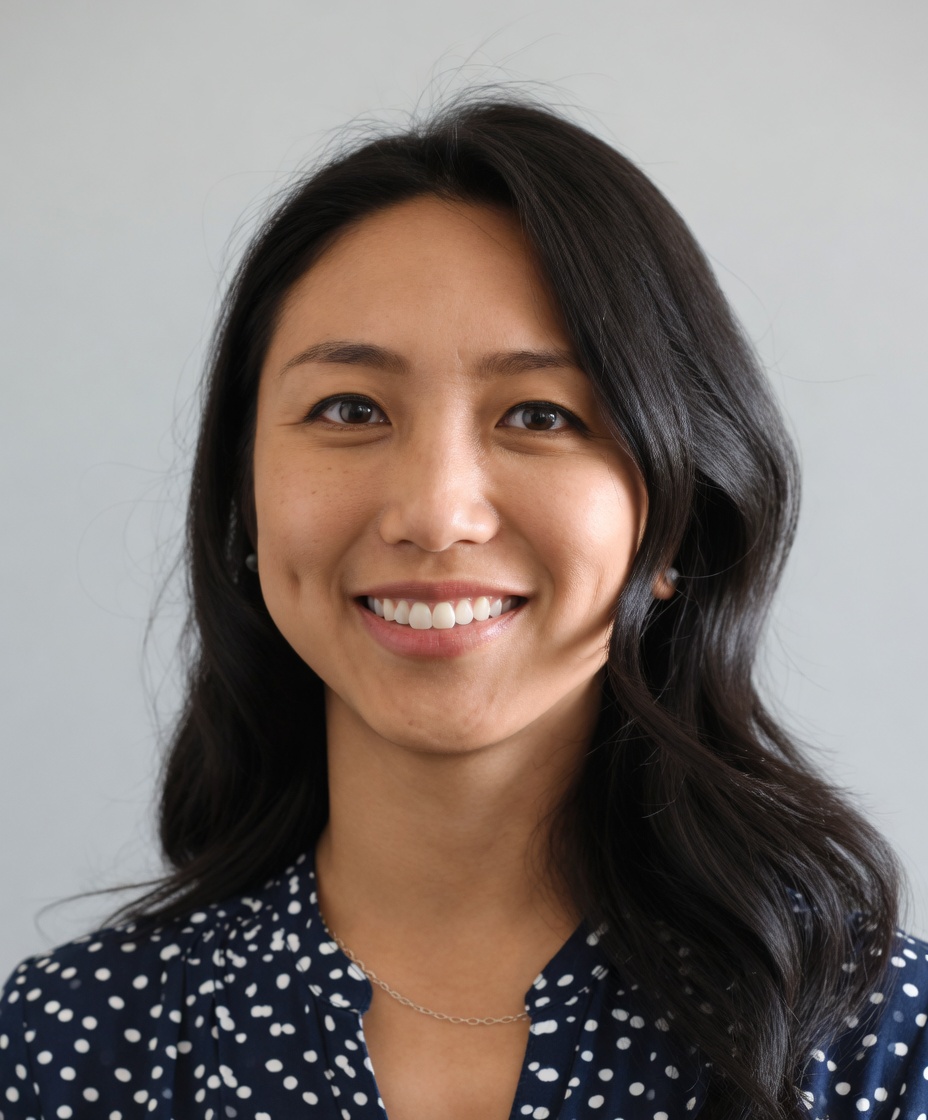
The first thing to know about Joy Zhang is that she was already doing the work before she started a company. As a teenager, she volunteered in hospice and dementia care. Not as a resume line. Not for college applications. She just showed up, sat with people, and stayed. That particular brand of stubbornness - rooted in something older and quieter than ambition - is what eventually built Mon Ami into one of the most consequential agetech startups in the United States.
Zhang graduated from Stanford in 2010 with a degree in Human Biology and walked straight into healthcare policy. She spent years at the Skoll Foundation analyzing health grants, then moved to AgeWell Global as a program manager, where she designed a pilot initiative for aging services that the World Health Organization later adopted as a global best practice. She joined WHO's Innovation for Healthy Ageing team. Then she stepped back, noticed the pattern - brilliant programs at the top, broken systems underneath - and decided to fix the plumbing.
"There is so much worry, fear, and feelings of responsibility that fall on the shoulders of families and individuals caring for aging loved ones. They want to do good, but they feel they're never doing enough."
- Joy Zhang, CEO & Co-Founder, Mon AmiBy 2016 she was at Stanford GSB for her MBA - not to pivot into finance or consulting, but to find the co-founders and tools to build something real. On a pre-orientation trip to Lake Tahoe, she met Madeline Dangerfield-Cha (former Google marketing leader) and Steve Fram (who had previously co-founded Caring.com). They connected as friends before they ever connected as founders. That detail matters. Mon Ami's entire thesis is built around the premise that genuine human connection - not transactional service delivery - is what aging well actually requires.
Before they wrote a line of code, Zhang and her co-founders conducted more than 150 interviews with seniors, family caregivers, service agency workers, and government administrators. They weren't looking for product-market fit in the startup sense. They were mapping a system. What they found: agencies providing life-sustaining services to older adults and people with disabilities were spending 60% of their time on administrative paperwork. Workers who became social workers to change lives were drowning in case files, billing forms, and compliance documents. The software helping them was outdated. The automation didn't exist. The data was scattered.
Mon Ami launched in 2018 as two things simultaneously: a HIPAA-compliant SaaS platform for aging and disability service agencies, and a companion-matching service pairing college students with isolated seniors. The name means "my friend" in French - chosen deliberately to keep the emotional core visible in the product name, to remind everyone in the org chart what the software is actually for.
The early model was elegant: use college students as a naturally occurring, under-deployed resource for senior companionship, then build the software infrastructure to coordinate it all. But as Zhang and her team dug deeper into the government agency side - Area Agencies on Aging, state programs, nonprofits operating on razor-thin margins - they saw that the bigger opportunity was infrastructure. The platform that let agencies manage case files, automate compliance, track service hours, coordinate volunteers, and report to funders. The operating system that didn't yet exist for a sector that serves millions and runs on Excel spreadsheets and phone calls.
Before Mon Ami, Zhang designed a pilot aging program at AgeWell Global. The WHO adopted it as a global best practice. When the world's top health body validates your approach, you know you're onto something real.
Zhang's team interviewed 150+ seniors, caregivers, and agency workers before building anything. That research foundation is why Mon Ami's software actually fits how agencies work - not how engineers assumed they work.
Zhang met her co-founders Madeline and Steve on a Stanford MBA orientation trip. "We connected as friends first," she says. That personal foundation shaped how Mon Ami thinks about connection as a product value.
When COVID hit and agencies had to shift to virtual service delivery overnight, Mon Ami reduced their administrative burden by 83%. The platform didn't just survive the stress test - it proved its thesis under pressure.
In October 2019, Mon Ami raised a $3.4M seed round led by Freestyle Ventures and Cowboy Ventures, with participation from Maverick Ventures, Felicis Ventures, and angel investor Bruce Dunlevie. Then COVID arrived and everything accelerated. Agencies scrambled to shift service delivery online, to track clients virtually, to maintain compliance without paper trails. Mon Ami's platform handled it. The 83% reduction in administrative time wasn't a projection in a pitch deck - it was a live number from agencies relying on the system during the worst public health crisis in a century.
In November 2023, Mon Ami closed a further $3.37M round led by Ulu Ventures and HearstLab. Total funding now exceeds $12.6M. The company has grown to 180 employees and is active across multiple states, including Kentucky, Mississippi, New Jersey, Tennessee, and Wyoming. San Francisco's own Department of Disability and Aging Services - a notoriously demanding government client - is a partner. So is the National Council on Aging.
"College students are a naturally occurring resource in every state in America, and we found an incredibly meaningful way for them to give back."
- Joy ZhangZhang's stated ambition is straightforward and enormous: for Mon Ami to become the largest healthcare and social care technology company in the United States. Not the most celebrated. Not the most funded. The largest. The one that runs the infrastructure. The one agencies can't operate without. That goal explains every product decision - why the platform is HIPAA-compliant from day one, why it integrates with government reporting systems, why it handles volunteer management and provider billing and client deduplication and open API connections to social determinants of health data. It's not feature bloat. It's a blueprint.
What Zhang has built, quietly, in the least glamorous corner of American healthcare, is something genuinely rare: a software company that governments trust, that nonprofits can afford, and that actually reflects the complexity of the people it serves. Every line of code runs under the constraint of "what does this mean for the 80-year-old with dementia at the end of this data chain?" That's an unusual design principle for a SaaS startup. It's the one Zhang has been working with since she was in high school, sitting with patients who couldn't always remember her name but always remembered she came back.