nonprofit-tech
(10)
Kevin Leahy Learned to Sell the Future by Writing the Present
A former reporter turned fundraising-tech marketer, Leahy treats every product claim like a story that still has to earn its ending. At Givzey and Version2, that means translating autonomous AI into the stubborn, human problems nonprofit teams face every day.

The Wedding Registry for Shelter Pets Is Run by an NFL Referee
John Hussey officiated Super Bowl XLV. His day job is a Seal Beach platform that has routed more than $100 million to 4,600 animal rescues - by selling them dog food instead of taking a cut of their donations.

The Startup Turning Charity Into a Feed You Actually Want to Scroll
Jason Hausske wants giving to feel less like a year-end tax chore and more like a habit you post about. His bet: philanthropy grows when it stops being private.

The Quiet Land Grab Inside Membership Software
Private equity spent a decade buying up the software that runs your professional association. Personify, Higher Logic, Glue Up and a bootstrapped upstart called GroupApp show what is left of the market - and who owns it now.

Glue Up
The all-in-one engagement platform betting that associations and chambers of commerce are done stitching together a dozen disconnected tools.

Chariot
Chariot is a New York fintech building the payment infrastructure for charitable giving. Its flagship product, DAFpay, is the first donation option that lets people give directly from a donor-advised fund in a few clicks, and it now appears on the donation forms of more than 100,000 nonprofits. Chariot also helps charities receive, code, and reconcile grant payments through a single portal, tapping into the roughly $326 billion sitting in donor-advised fund accounts.
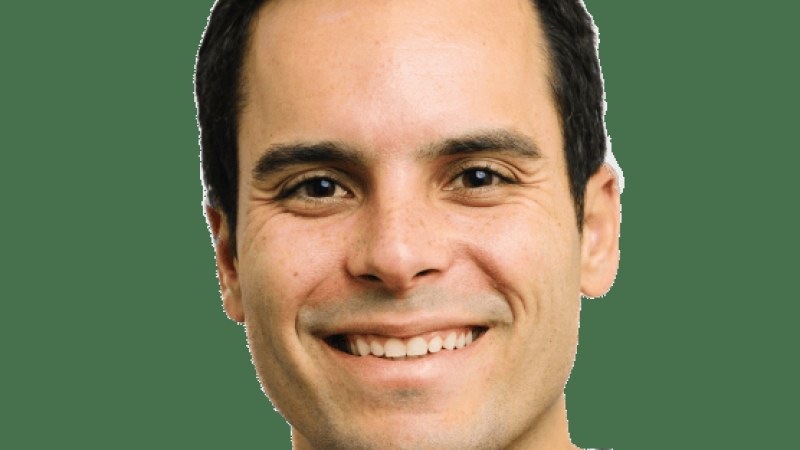
Salomon Serfati
Salomon Serfati is the co-founder and CEO of Chariot, the New York fintech building payment rails for the $326 billion donor-advised fund market. Its flagship product, DAFpay, turned the clunky multi-step process of donating from a DAF into a three-click checkout button now live on over 100,000 nonprofit donation forms, from the American Cancer Society to GoFundMe, and was named one of TIME's Best Inventions of 2025. A University of Pennsylvania computer scientist and former BlackRock engineer who opened a separate 10%-of-income charity account with his first paycheck, Serfati turned a personal tithing habit into financial infrastructure for giving.
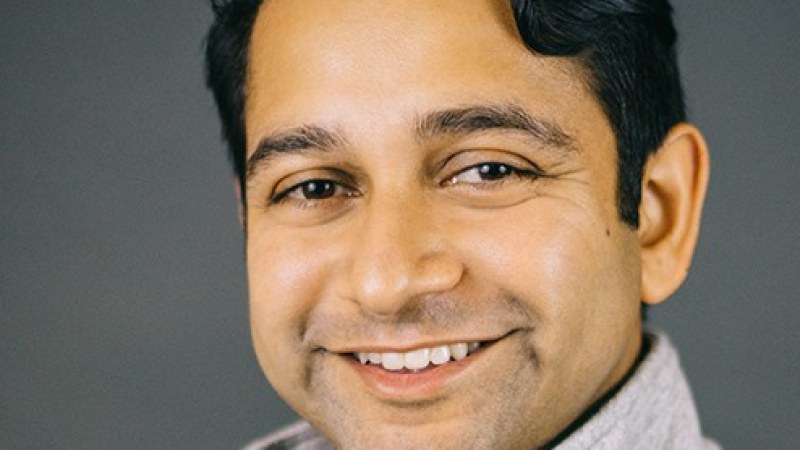
Arup Banerjee
Arup Banerjee is the CEO and Co-founder of Windfall, a San Francisco-based people intelligence platform that uses AI to estimate the net worth of every American and deliver actionable consumer financial data to over 1,500 organizations. With a background spanning investment banking at Citi, venture capital at Updata Partners, and product leadership at Radius Intelligence and GoodData, Banerjee founded Windfall in 2016 after identifying critical inaccuracies in consumer wealth data. In April 2025, Windfall raised a $65 million Series B led by Morgan Stanley Expansion Capital, bringing total funding to over $95 million.

Tim Paris
Tim Paris is the co-founder and CEO of Dataro, an AI-native fundraising intelligence platform helping nonprofits predict donor behavior and optimize campaigns. A former cognitive neuroscientist with a PhD from Western Sydney University, Tim pivoted from brain research to social impact by applying statistical machine learning to charitable fundraising. He co-founded Dataro in 2017 alongside high school friend David Lyndon (CTO) and later Chris Paver (COO). The company has grown to serve 300+ organizations worldwide - including World Central Kitchen, Amnesty International, and Stand Up To Cancer - and raised a $14.28M Series A led by Blueprint Equity in February 2026, bringing total funding to $16.78M.
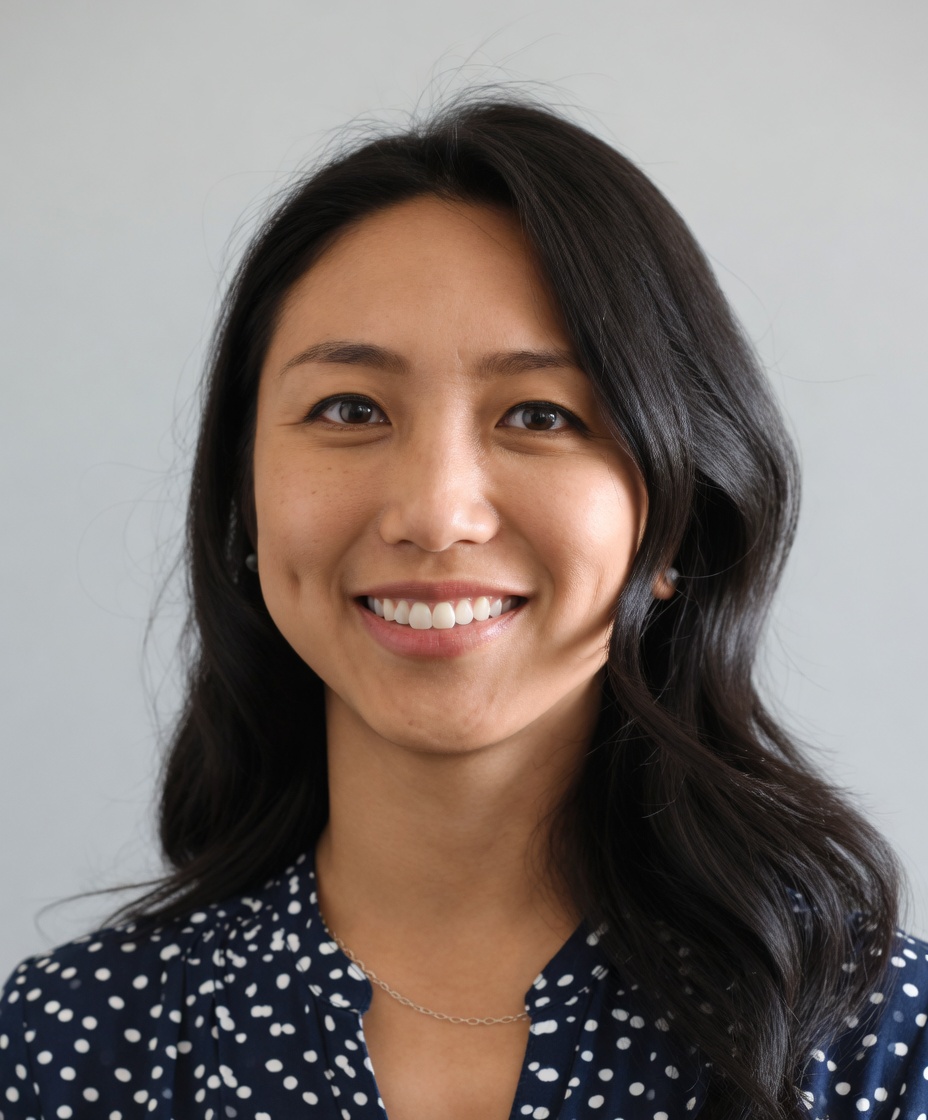
Joy Zhang
Joy Zhang is the CEO and Co-Founder of Mon Ami, a San Francisco-based healthtech company building HIPAA-compliant SaaS for agencies that serve older adults and people with disabilities. A Stanford MBA who has volunteered in hospice and dementia care since high school, Zhang co-founded Mon Ami in 2018 after interviewing 150+ seniors and caregivers to understand what the system was missing. Today Mon Ami is used by government agencies and nonprofits across the US, helping them replace manual paperwork with automation - so their staff can focus on care instead of administrative burden. The company has raised over $12M and grown to 180 employees, making it one of the most visible startups in the aging-services technology space.