brand-visibility
(15)
Profound sells a cure for being left out
A brand can rank on Google and still disappear from an AI recommendation. Profound turned that awkward discovery into a measurement business, then set about doing the marketing work itself.
The Eleven-Person Company With Two Followers
Experience Hair calls itself a communications company. Its most revealing message may be the one it has barely sent.
The PR Agency That Wants to Be the Answer
Trustpoint Xposure has turned an old frustration with public relations - paying for effort instead of an outcome - into a blunt new offer: guaranteed placements, structured authority and a bid to become the name an AI gives first.
Ascend Agency Put a Price Tag on the Part of PR Everyone Else Calls Hope
The Irvine firm grew by replacing open-ended pitching with guaranteed media placements. Its newest act is quieter and more interesting: becoming the white-label PR and SEO counter behind other agencies.

AI Search Has a Measurement Problem
Profound and Evertune are building the scoreboards for a world where brands compete inside AI answers. Their dashboards can reveal who gets mentioned and cited, but measurement is only the beginning of the work.

AI Is Rewriting Your Company’s Public Record
Buyers now meet a machine-made version of your company before they meet your sales team. The practical response is not a new bag of SEO tricks, but a steady public record built from specific, credible proof.
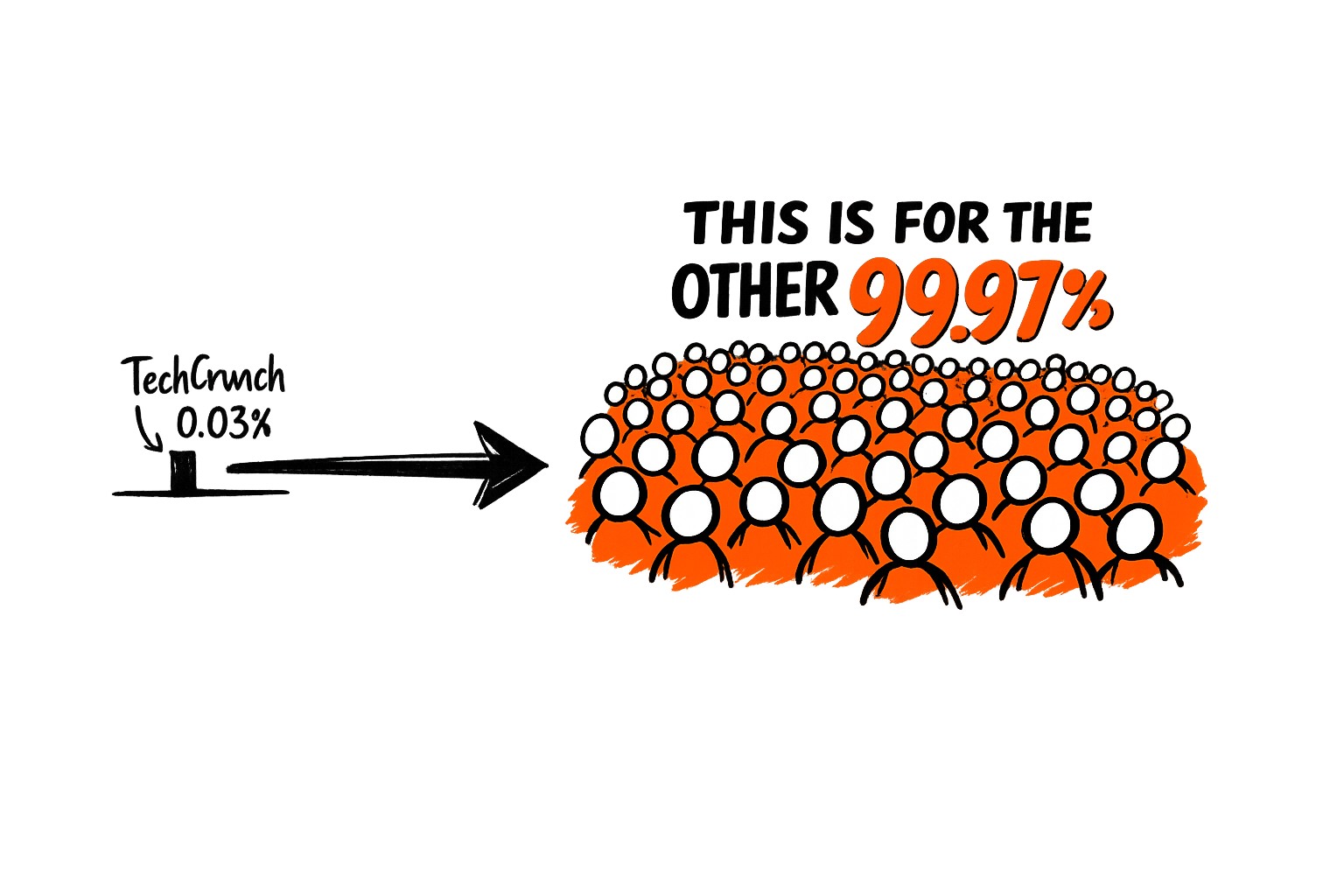
TechCrunch covers 0.03% of the companies that pitch it. This is for the other 99.97%.
An argument about the gap between getting covered and being known. TechCrunch runs a finite front page and turns away nearly everyone who pitches it, yet its stories now feed the AI systems that answer questions about the technology economy. The piece separates the editorial question - will a reporter find us interesting today - from the retrieval question - does enough structured, freshly dated material about us exist for a machine to find. It makes the case that press coverage is a moment while a continuously published public record is memory, and that a YesPress Newsroom is the second thing: an always-on, structured record of launches, hires and expertise that compounds on the days no reporter writes back.
AirOps
AirOps is a San Francisco-based software company that helps brands stay visible as search shifts from Google links to AI answer engines like ChatGPT, Perplexity, Gemini and Claude. Its platform combines visibility analytics with AI-assisted content creation and refresh workflows, letting marketing teams monitor how often they are cited by AI, find content gaps, and produce brand-consistent pages at scale. Founded in 2022 by Alex Halliday, Matt Hammel and Berna Gonzalez, AirOps raised a $40M Series B in November 2025 led by Greylock and counts Ramp, Webflow, Chime, Carta, Klaviyo and Kayak among its customers.
How AI Builds a Mental Model of Your Company
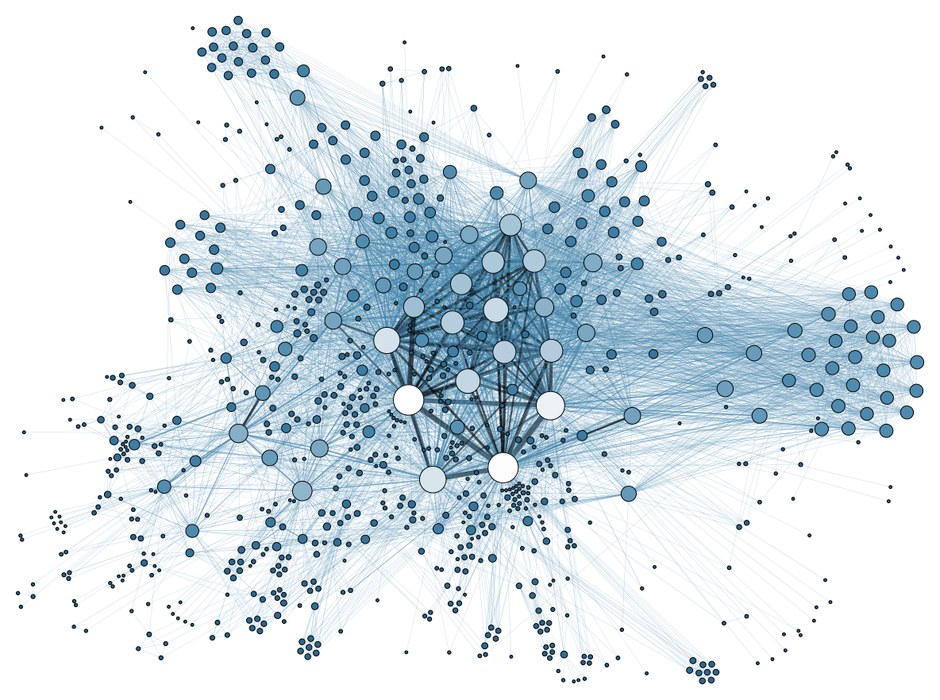
A plain-language field guide to how large language models decide what your company is, who it competes with, and whether to mention you at all. AI does not read a homepage the way a customer does. It assembles a mental model from six raw materials - entities, relationships, sources, repetition, consensus, and freshness - and the companies that understand those six levers are the ones that get named when someone asks an AI for a recommendation.

Peec AI
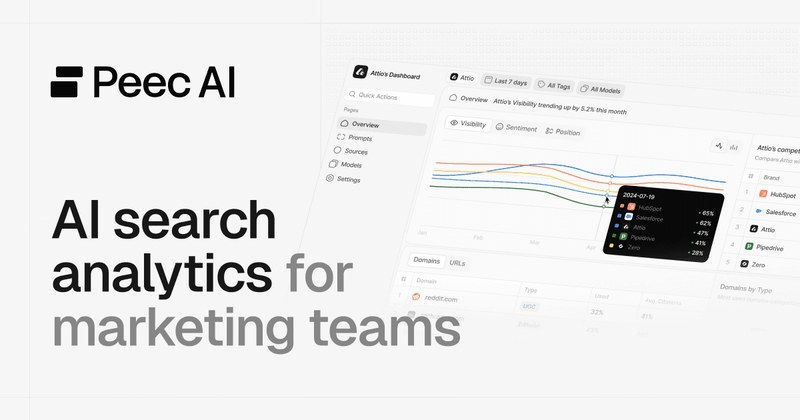
Peec AI is a Berlin-based software company that helps marketing teams measure and improve how their brand shows up in AI-generated answers. Its platform tracks a brand's visibility, ranking, sentiment and cited sources across ChatGPT, Perplexity, Gemini, Google AI Overviews and other generative engines, then recommends prompts and strategies to close gaps. Founded in early 2025 by Marius Meiners, Tobias Siwonia and Daniel Drabo, the company reached roughly $10M ARR within its first year and raised a $21M Series A led by Singular in November 2025.
YesPress vs Peec.ai
Two companies staring at the same problem from opposite ends of the pipe. Peec AI is an analytics platform that watches how brands show up inside ChatGPT, Perplexity, Gemini and Claude, and scores them on visibility, position and sentiment. YesPress is a content operation that manufactures the citable, structured stories that make brands show up in the first place. One measures. One publishes. Together they describe the emerging discipline that marketers are calling Generative Engine Optimization.

Why Your Company Doesn't Exist to ChatGPT Yet
A field report on the quiet reason mid-sized companies vanish from AI answers: not quality, not product, not people, but publishing cadence. Salesforce and Microsoft publish daily. Most companies publish quarterly. The models cite what exists, and the rest becomes a guess.
Andrew Yan
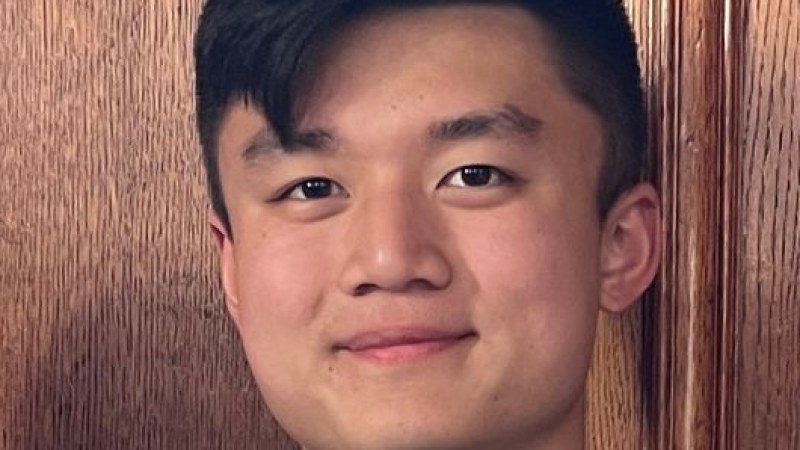
Andrew Yan is the co-founder and CEO of AthenaHQ, a Y Combinator-backed San Francisco startup building tools to help brands get discovered inside AI answers from ChatGPT, Claude, Gemini and Perplexity. A former Google Search product manager who also worked at DeepMind, the US Army Lab and Vimeo, he finished a Columbia degree in computer science and math in three years. Before tech, he was a touring jazz saxophonist who played in the band that inspired the Oscar-winning film Whiplash.
Bluefish
Bluefish is a New York-based agentic marketing platform (AMP) that helps Fortune 500 brands monitor, influence, and measure how they appear inside AI systems like ChatGPT, Google Gemini, Claude, Perplexity, and Amazon Rufus. Founded in 2024 by repeat ad-tech founders, it pioneered the category often called Generative Engine Optimization (GEO) and reached roughly 10% of the Fortune 500 within two years, raising $43M in Series B in April 2026 to bring total funding to $68M.

The Ask-and-Act Web: How AI Is Rewiring the Internet 2026–2029
A data-driven editorial report mapping how the AI-native internet will reshape search, content, attention and brand visibility between 2026 and 2029. The piece argues the web is shifting from 'search and click' to 'ask and act' — answer engines synthesize replies, agents transact on users' behalf, and the open link economy is being renegotiated in real time. Drawing on 30+ primary sources including Pew Research, McKinsey, Cloudflare, Stanford HAI, and Similarweb, it covers the adoption explosion (900M weekly ChatGPT users), the great decoupling of searches from clicks (69% zero-click), the stumbling first steps of agentic commerce, the rise of synthetic content (52% of new articles AI-generated), and a practical playbook for publishers, brands, and e-commerce operators navigating the shift.