From the Fillmore to Harvard Law to the helm of YMCA SF - a life spent building communities, not just buildings.
Collins holds degrees from Williams, MIT, and Harvard Law - plus an honorary doctorate from USF for the work that made all those credentials matter.
When Collins took the helm at YMCA of Greater San Francisco in 2004, he inherited an organization with a good reputation and the potential for a great one. What he built over the next 16 years was less a nonprofit and more a civic operating system for the Bay Area's most vulnerable youth.
Programs under his leadership spanned early childhood education, aquatics, after-school care, workforce training for teens, outdoor and nature programs, and mental health resources. The YMCA under Collins partnered with the CDC on diabetes prevention. It ran swim lessons in a city where drowning rates track closely with race and income. It provided childcare for families who could not otherwise afford to keep a job.
Collins understood that community is not a program. It is an experience that people choose to return to. He spoke often about diversity as a design principle, not just a metric. "They like to be in diverse communities," he said, referencing a conversation with a young member who explained why he came to the Y. That sentence does the work of an entire strategic plan.
"All kids are the same, and all kids are different."
- Chuck Collins, on designing youth programsThe scale of the operation he oversaw: 2,500 staff, $120 million in annual revenue, programs across Marin, San Francisco, and San Mateo counties. The YMCA of Greater San Francisco is not a community center. Under Collins, it was closer to a parallel public institution - filling gaps that governments left and markets ignored.
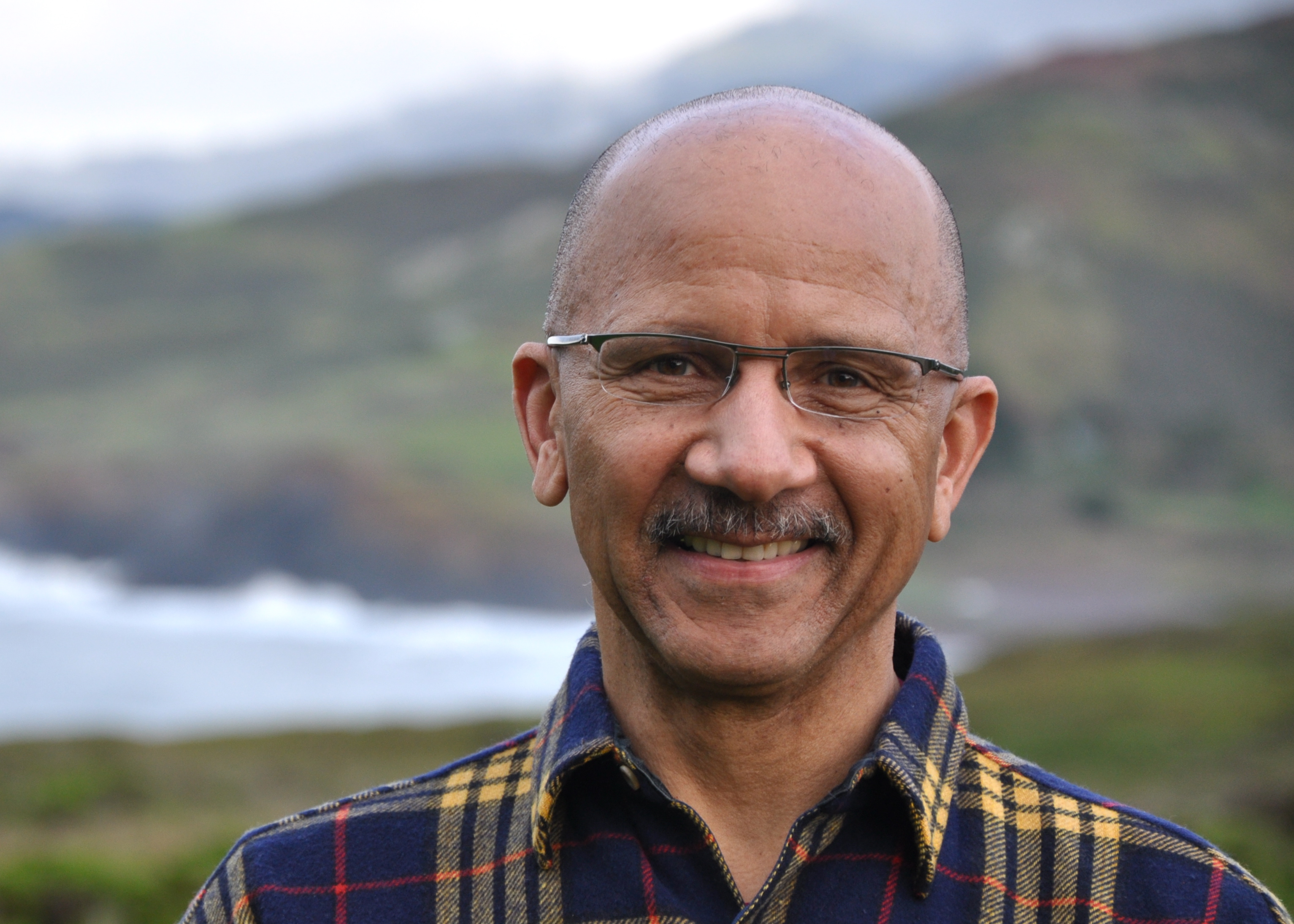
Collins's board memberships span art, medicine, civil rights, and civic planning - the full width of a city that he has been shaping since the 1970s. He has served on the SFMOMA board since 1991. That is not a recent appointment. That is a commitment that outlasted the dot-com boom, the Great Recession, and a global pandemic.
The breadth is intentional. Collins has always operated across sectors - law, planning, real estate, philanthropy, arts - not because he could not commit to one, but because he understood that cities work as systems. The San Francisco Arts Commission, the Commonwealth Club, UCSF's Center for Community Engagement: each represents a different lever in the same machine.
At the National Urban League, he rose to Senior Vice Chairman. The organization subsequently established the Charles Collins Award in his honor - a rare and specific recognition that an institution gives to someone who shaped what it aspires to be.
A YMCA MEMBER, AS QUOTED BY CHUCK COLLINS - ON WHY PEOPLE KEEP COMING BACK
In March 2023, Collins was named Presidential Fellow at the Leo T. McCarthy Center for Public Service and the Common Good at the University of San Francisco. The center's focus - civic engagement, public service, equity - maps directly onto the arc of Collins's career. But the appointment is not honorary. He is working.
His initial focus at the McCarthy Center is on the Equity Interns program, a partnership between USF and the Biden Institute at the University of Delaware that places students in civic and government roles. Collins is helping to deepen how the institution applies equitable principles - not just in programming, but in practice, across the organization.
It is the same question he has been asking since the 1970s, when he directed the Downtown Plan for San Francisco: who gets to shape the city? Who gets to live in it? Who gets resources, and who gets overlooked? Collins's answer, across every role he has held, has been consistent: you have to build the infrastructure that makes equity possible, whether that infrastructure is a zoning ordinance, a YMCA, or an academic fellowship program.
At COP26 in Glasgow in 2021, Collins served as Special YMCA Advisor focused on youth climate activism. He spent 16 years working for young people in San Francisco. The global stage was an extension of the same commitment, not a departure from it.
Appointed March 2023. Focus areas: educational equity, the Equity Interns program, and systematic application of equitable principles across the institution.