community-development
(29)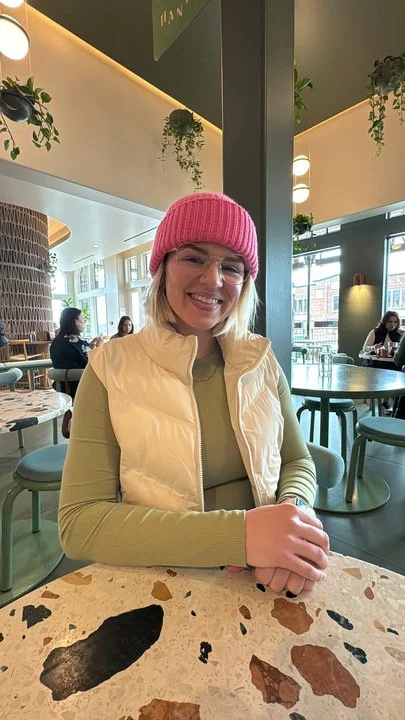
Sami Brown and the business of making a town work
A bakery taught Sami Brown to think about expansion. With Blue Sky Growth Agency in Arkadelphia, she turned that ambition toward the systems, people, and small businesses that keep a community going.
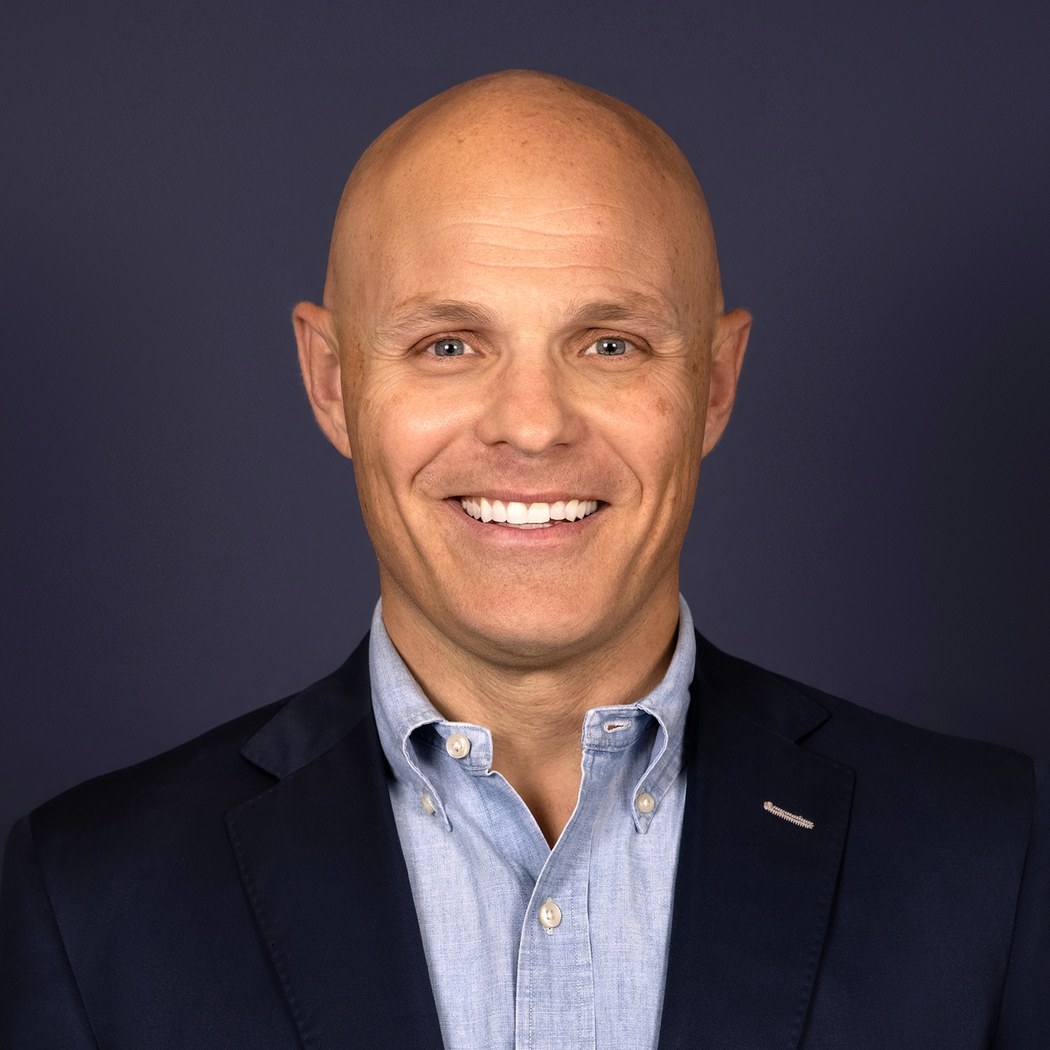
Bart Dickson Builds the Places Between Home and Work
A paperboy became a construction manager, went to law school at night, ran an electrical contractor and founded Cobalt. His latest bet is that a former warehouse can help give suburban Tualatin a little more soul.

The Collaborative Plans the Conversation Before It Plans the Place
A Boston firm found an unusual way to move public projects forward: treat the meeting, the map and the message as one piece of infrastructure.

Paradise Advertising & Marketing Sells a Place Twice
A pretty travel ad wins attention. Paradise has spent more than two decades arguing that the real product is what happens next - bookings, bed-tax receipts and a community with more reasons to thrive.
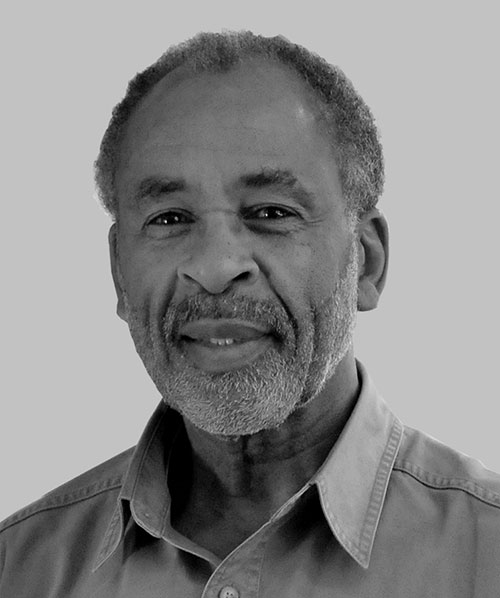
Joe Brevard Has Spent 35 Years Making Plans That Leave the Office
The engineer turned city planner built a career around an unfashionable idea: a plan matters only when people can use it. At the Collaborative, that has meant water systems, revived land, public meetings, safer routes and a firm that still calls itself a startup after three and a half decades.
The Grant Is Won Before the Application Opens
TFG built a Washington business around a deceptively practical idea: towns should shape projects for federal money long before a deadline turns strategy into paperwork.
The Small-Town Money Machine Hidden in a Clifton Office
Bruno Associates sells something local government rarely has enough of: time to hunt, write, win and manage grants. The payoff shows up as fire gear, safer streets, cleaner buses and projects that might otherwise wait years.
The Chamber That Sells a County - Then Teaches It How to Grow
In Lawrenceburg, the same organization courts factories, trains civic leaders, markets Amish Country and still finds time to organize the Christmas parade. The interesting part is not the variety - it is how the pieces reinforce one another.

Unseen Heroes Learned That a Great Event Should Outlive the Folding Chairs
The Sacramento experience agency turned block parties, markets and pop-ups into civic infrastructure. Then the pandemic removed the crowds and taught it a harder lesson: making a place is not the same as keeping it.

National ACE Turned a Chamber Network Into an $8.1 Million Small-Business Lifeline
A Washington nonprofit found its leverage in the gap between Main Street and the institutions that can help it. Its formula is unusually concrete: listen locally, negotiate nationally, then turn access into grants, coaching and a louder voice for AAPI entrepreneurs.
BCL of Texas Makes the Loan. Then Stays for the Homework.
From a $30,000 equipment loan to a family auto shop coming home, this Texas nonprofit pairs capital with coaching. Its most revealing success story begins with a rejection.
SIA wants Pakistan’s good ideas to become working businesses
From olive-oil marketing in Balochistan to startup grants and a women-led enterprise summit, Social Innovation Academy is working on the unglamorous parts of social change: skills, customers and connections.
Flywheel Coworking bets on the cities founders call home
Across the Carolinas, Flywheel pairs desks and private offices with a network of mentors, business services and local partners. Its wager: entrepreneurs should be able to build a company without leaving their community.

Lendistry turns big money into small-business breathing room
From Amazon sellers to airport coffee counters, Lendistry finances businesses that do not fit neatly into a bank’s checklist. Its next test is making that approach work beyond the emergency-aid boom.

Pakistan’s History Was Stuck in Textbooks. IRVI Put It on a Bus.
Zain Mustafa spent a decade taking students to forts, shrines and forgotten streets. Then he built an institute around a stubborn idea: Pakistan’s past makes more sense when the people living beside it become the teachers.

Cloudpermit Turned a Government Side Project Into the Software Behind 1,450 Town Halls
The first version looked like a wireframe and swapped integrations for hand work. Thirteen years later, Cloudpermit is selling local governments a practical escape from paper files, phone tag, and the lonely spreadsheet that somehow runs city hall.
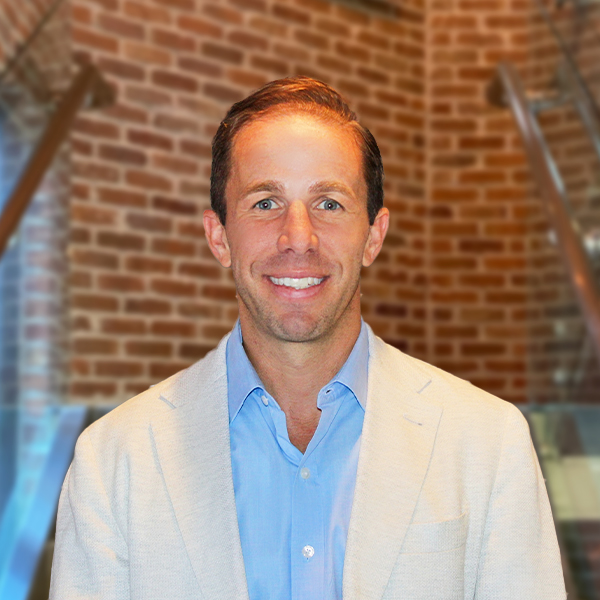
Joshua Simon Bet on the Strip Mall. Then He Made It a Community Strategy
He started SimonCRE in a bruised market with no outside equity. Sixteen years later, Joshua Simon is still making the unfashionable case that physical retail is civic infrastructure with a cash register.

Sorya Gaulin Markets a Hotel. The Product Is a Place.
After three decades in communications, Sorya Gaulin is applying the machinery of luxury marketing to a community asset - making every booking carry the story of Fogo Island with it.

World Vision Canada’s $456 Million Paradox: Sponsor One Child, Fund a Whole Community
The orange folder promises a relationship with one child. Behind it sits a 55-country machine for water, health, education, livelihoods and emergency relief - built to make itself unnecessary, and forced to explain why personal giving works best when the money is pooled.

The Firm That Turned a Dead Brewery Into a Business Model
Kit Goldsbury sold a hot-sauce company to Campbell Soup, then spent two decades proving that a good meal can rebuild a piece of a city. In 2024, for the first time, Silver Ventures is letting outsiders buy in.

Patty Jurca Makes a 200-Year-Old Bank Feel Present Tense
From a neighborhood reading garden to mobile ATMs dispensing tacos, KeyBank's chief brand officer has built a career around one durable idea: institutions earn attention by showing up in people's actual lives.
Atlantic Union Bank
Atlantic Union Bank grew from a $2,500 rural institution into a $38.1 billion Mid-Atlantic franchise. Its wager is that scale and local judgment can still share the same balance sheet.

K. Hovnanian® Homes
For 65 years the Hovnanian family has been putting keys in first-time buyers' hands and building 55-and-up communities where the lawn mows itself. Here is how a New Jersey homebuilder turned patience into a business model.
Rockland Trust
Rockland Trust began by taking deposits door to door in a Model T. More than a century later, its bet is still the same: technology gets you farther when a local banker comes along for the ride.

PolicyMap
PolicyMap is a Philadelphia-based cloud mapping and data analytics platform that lets anyone build custom maps, reports, and dashboards from more than 75,000 curated indicators drawn from 170-plus public and proprietary sources - no GIS expertise required. Spun out of the Reinvestment Fund, it serves banks, universities, hospitals, governments, and nonprofits that need to turn place-based data into decisions about housing, health, lending, and community investment.
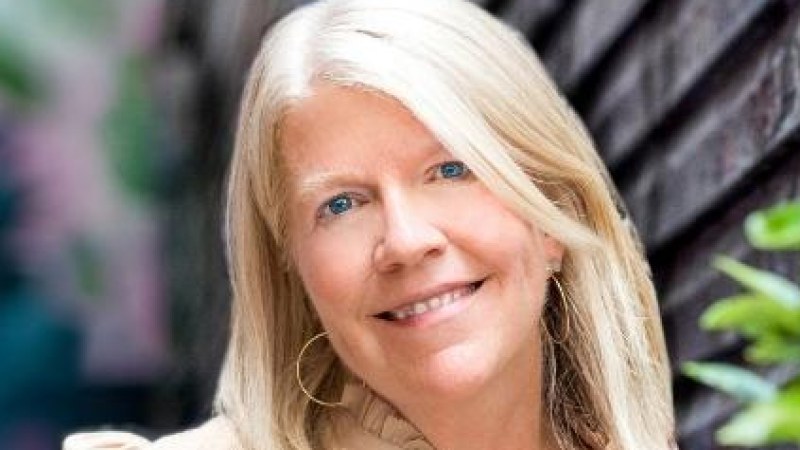
Maggie McCullough
Maggie McCullough is the CEO and founder of PolicyMap, the Philadelphia-based mapping and data-visualization platform she launched in 2008. A former White House budget-office staffer turned housing researcher, she built PolicyMap after struggling to fit maps and data into her own policy work, betting that anyone should be able to make a map as easily as they shop online. The platform now serves universities, banks, health systems, nonprofits and governments, layering thousands of public and proprietary datasets into one searchable map. In December 2023 the company closed a $3 million Series A led by its former parent, the Reinvestment Fund.
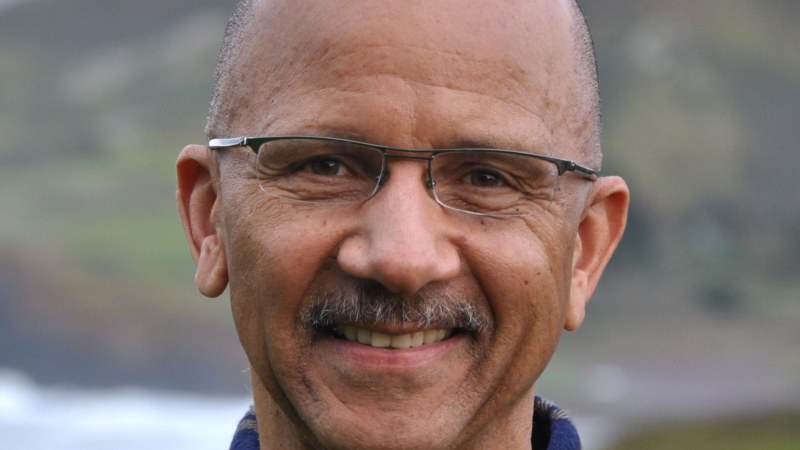
Chuck Collins
Chuck Collins (Charles M. Collins) is a Harvard-trained lawyer, MIT city planner, and former real estate developer who spent nearly two decades as President and CEO of YMCA of Greater San Francisco, transforming it into an organization serving more than 42,000 children annually across three Bay Area counties. Born in San Francisco's Fillmore district in 1947 and raised as one of the first Black families in Mill Valley, he brings a lifetime of crossing boundaries to his work at the intersection of community, equity, and opportunity. Now a Presidential Fellow at USF's Leo T. McCarthy Center for Public Service, he continues to shape the region's civic life.

Mwalimu Karisa
Mwalimu Karisa is an executive at Kong Inc., the San Francisco-based API connectivity company behind the Kong Gateway and Konnect platform. Originally from Kilifi County on Kenya's coast, Karisa's path ran through an exchange program in Iowa and onto the front lines of global API and AI infrastructure. Kong serves enterprises managing critical API traffic across cloud, hybrid, and on-premise environments, with over $424 million raised and a $2 billion valuation. Before entering the technology sector, Karisa was publicly recognized for community development work in his home village, raising funds for clean water access and healthcare infrastructure in coastal Kenya.

Kesha Cash
Kesha Cash is the Founder and General Partner of Impact America Fund, the largest VC firm in America run entirely by a Black woman. Based in Oakland, California, she manages $65 million across two funds, backing technology-enabled startups that serve low-to-moderate income and overlooked communities. Her portfolio includes Esusu (a fintech unicorn), Mayvenn, SoLo Funds, and CareAcademy. A former Wall Street analyst who grew up on a farm in South Carolina and was the first in her family to attend college, Cash draws on lived experience of economic inequality to identify billion-dollar opportunities that traditional investors routinely miss.