3d-bioprinting
(4)
Keith Murphy Keeps Asking Biology to Speak for Itself
After helping build the first commercial chapter of 3D bioprinting, the chemical engineer returned to the stubborn question underneath it all: can a small piece of human tissue make a better decision than a celebrated animal model?

The Tiny Biotech Betting a Lab-Grown Liver Can Tell Pharma Which Drugs Will Fail
Drug development still asks mice to predict people. Viscient’s nine-person team is building human liver disease in a dish - then using it to decide which medicines deserve a clinical trial.
Prellis Biologics
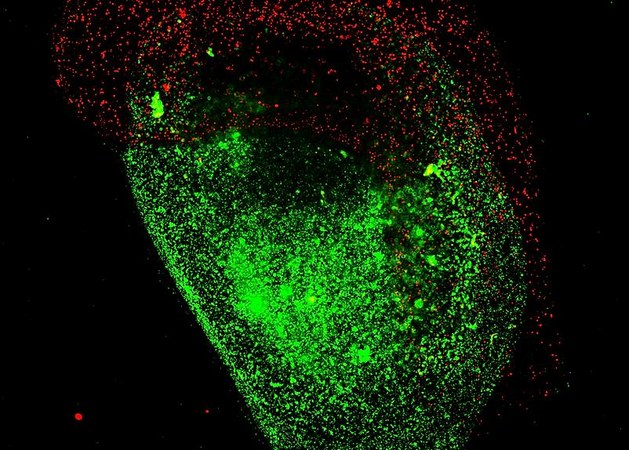
Prellis Biologics is a Berkeley, California biotech that 3D-prints human lymph node organoids to grow real human antibodies in a dish. Its EXIS platform uses holographic two-photon laser bioprinting plus AI to recreate the human immune response in vitro, discovering fully human antibody therapeutics faster and cheaper than animal-based methods, including against difficult targets like GPCRs where mouse models fail.

Dimension Bio
Dimension Bio (formerly Dimension Inx) is a Chicago-based regenerative therapeutics company that turns living cells into implantable, tissue-like therapies. Its BioNidum platform fuses materials science, 3D printing, and digital manufacturing to build three-dimensional microenvironments that help transplanted cells survive, vascularize, and function in the body. A Northwestern University spinout, the company already brought the first FDA-cleared 3D-printed regenerative bone graft (CMFlex) to patients and is now aiming its lead program at acute liver failure - building an engineered, mini-liver-like therapy to stabilize patients and give their own organs a chance to recover.