defense-technology
(101)
Hexagon US Federal: The Work Between Data and Decisions
A map is only useful if someone can act on it. From Marine Corps dispatch to navigation under interference, Hexagon US Federal built its business in that difficult gap - and now operates as Octave Federal.

Infleqtion puts atoms to work
A clock on a submarine. A computer built from trapped atoms. Infleqtion is turning the same strange physics into products with very different deadlines.

8VC builds its own bets
Most venture firms wait for a pitch. 8VC sometimes starts with a broken industry, finds the people who understand it, and helps build the company itself.
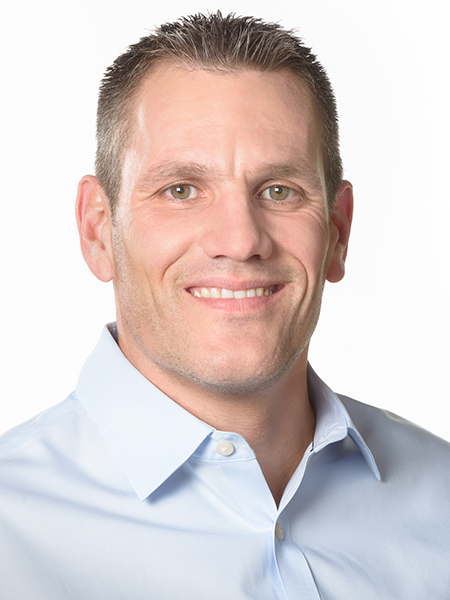
Stevan Slijepcevic and the business of making things work
A phone call in a German restaurant marked one turn in his career. Now Cubic’s chairman, president and CEO works where engineering meets the harder questions of customers, capital and time.

AV and the power of thinking small
A pedal-powered airplane, a drone in a backpack, a helicopter on Mars. AV built a business by shrinking the machine. Its next test is running a much bigger company.

Scott Ritchie and the long way home
He spent 22 years in the Air Force, then co-founded a business built around getting intelligence where it needs to go. Scott Ritchie’s next chapter keeps bringing him back to Middle Georgia.
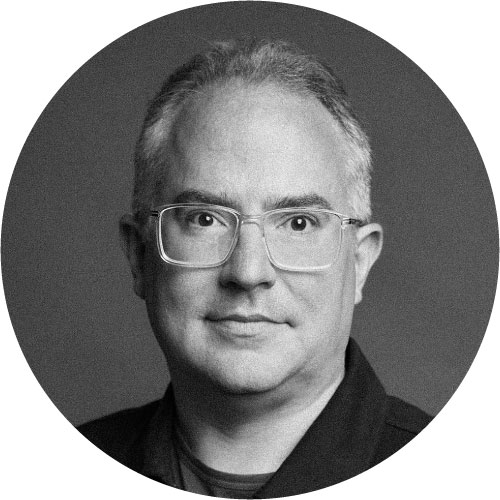
Bryon Hargis and the price of peace
After years in aerospace and a stint building SpaceX’s national security business, Bryon Hargis founded Castelion around a stubborn question: what good is an advanced weapon if a country cannot afford enough of them?
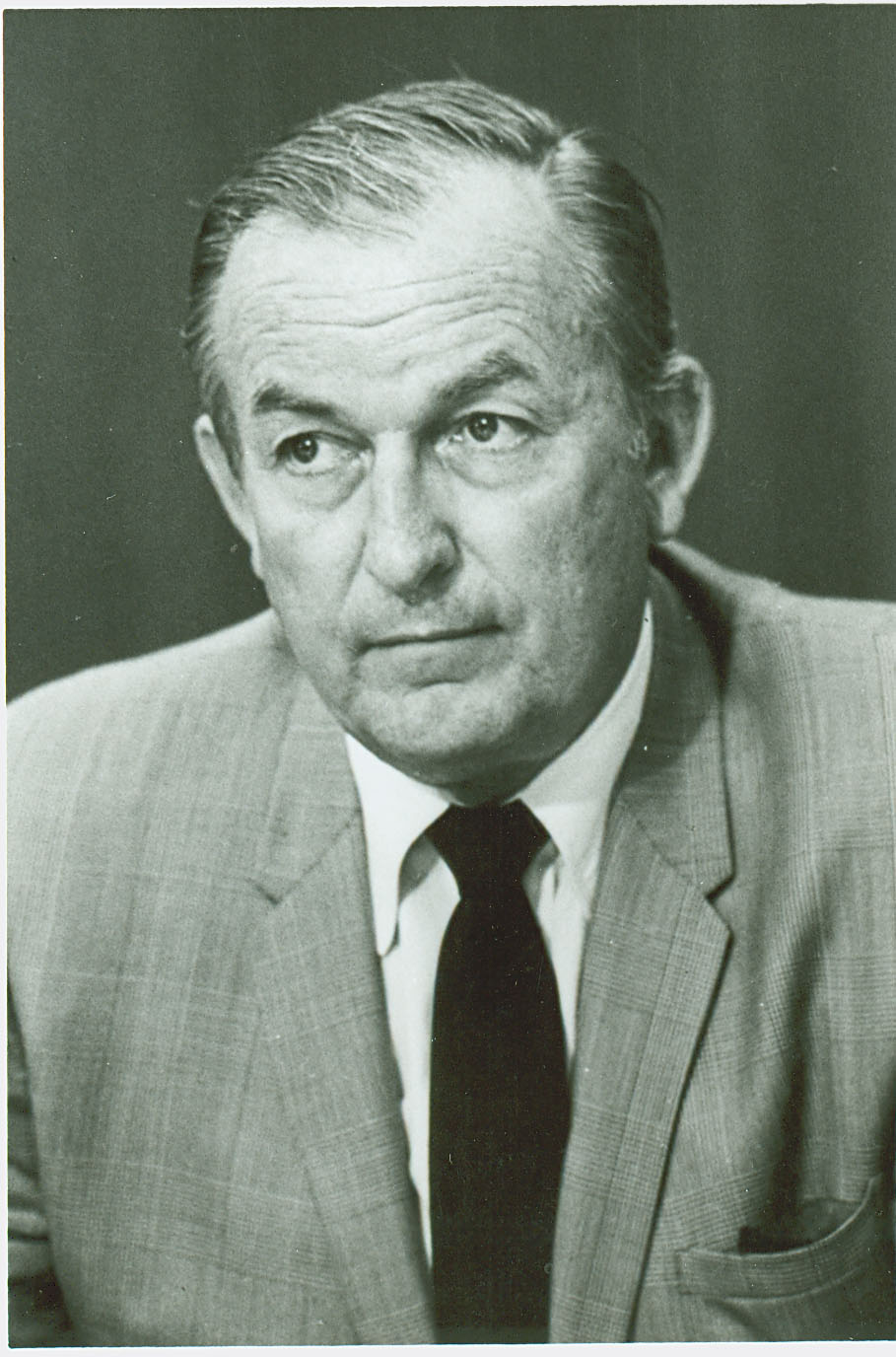
Walter J. Zable and the scholarship that kept paying forward
A football scholarship took Walter J. Zable to William & Mary. After six decades building Cubic, he left money for the students, laboratories and playing fields that might give someone else a start.

Sean Lane and the trouble with connecting everything
He built military networks, helped Baltimore founders find a room, and led Olive to a $4 billion valuation before it closed. Now Sean Lane is back in Columbus, asking how people and AI agents should work together.

Rob Slaughter and the surprisingly serious business of waffles
Before he co-founded Defense Unicorns, Rob Slaughter cooked waffles for an Air Force software team. His career has kept returning to the same question: how do you help people get useful software where it needs to go?

John Baylouny and the education of an impatient engineer
He learned to defend a design in front of the people who founded DRS. Four decades later, John Baylouny is running the company - and asking how much faster it can move.

Cubic makes the complicated disappear
A subway tap. A fighter-pilot debrief. Cubic builds the machinery behind both - and its hardest projects reveal what simplicity really costs.

David Broadbent’s search for a second way through
From engineering and contract law to the helm of SES Space & Defense, David Broadbent has built a career around getting complicated systems to work together. Now the test is keeping communications available when the easy route disappears.

Wahid Nawabi and the distance between two kinds of flight
As a teenager, Wahid Nawabi escaped Afghanistan with his three younger sisters. Decades later, the electrical engineer leads AV, where flying machines carry the weight of a very personal argument about freedom.

Leonardo DRS builds the power behind the platform
A thermal sight. A rugged computer. A submarine motor. Leonardo DRS has built a business inside the machines that get all the attention.

Ilya Levtov and the Company His Customers Discovered
A cellist turned founder built a directory of companies. His customers found something else inside it: a way to see the businesses their own survival depended on.

Booz Allen Hamilton takes AI off the grid
A century-old consultancy is putting AI in orbit and buying its way deeper into defense technology. Its real business is making new tools work where the usual assumptions fall apart.

Carey Smith’s view from the middle seat
Before she led Parsons, Carey Smith sat between a pilot and copilot, teaching them to use the digital displays she helped design. The job changed. The need to make complicated systems work together stayed.
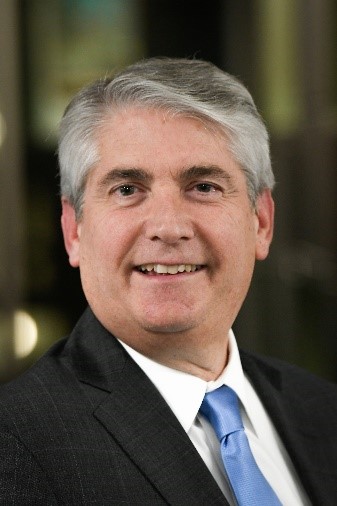
John Mengucci and the art of changing the score
He played drums at Carnegie Hall, then chose a career in computing. At CACI, John Mengucci has spent years making another deliberate change: moving a government contractor toward technology it can call its own.

Horacio Rozanski and the forty-five-day clock
He arrived in Wisconsin looking for an education and joined Booz Allen as a summer intern. Three decades later, Horacio Rozanski is trying to make a century-old institution move at the speed of the technology it builds.

Forterra takes the driver out. Then the real work begins.
A self-driving vehicle is only the start. Forterra is building the software, communications and controls that turn an empty driving seat into a working mission.

The military has a connection problem. Sigma builds the missing links.
A sensor can see everything and still tell the wrong person nothing. Sigma Defense builds the software and networks that help military information reach the people who need it.

Paul Lwin and the Problem of a Thousand Boats
A refugee childhood, a Navy cockpit, and a detour through golf software brought Paul Lwin to an unusual question: how much machinery can one person usefully command? At HavocAI, he is putting the answer on the water.

Grant Verstandig and the Uses of a Hidden Map
He collects the tools of yesterday’s intelligence operatives. At Red Cell Partners, Grant Verstandig is building companies for today’s security problems - and testing a different way to get Washington to buy their work.

Castelion’s real weapon is the factory.
Blackbeard flies at hypersonic speed. Castelion’s bigger bet is that America can build enough of them to matter - and afford to keep building.

Quantum Systems learned to fly without the signal
A German drone maker found its hardest engineering lesson in Ukraine. Now it is using that experience to connect autonomous machines across air, land and sea.

Oleg Rogynskyy and the week nobody could sell
A week spent cleaning sales records gave the People.ai founder a problem he could not leave alone. From Dnipro to Silicon Valley and now UFORCE, his career keeps returning to the distance between what people do and what their systems can see.
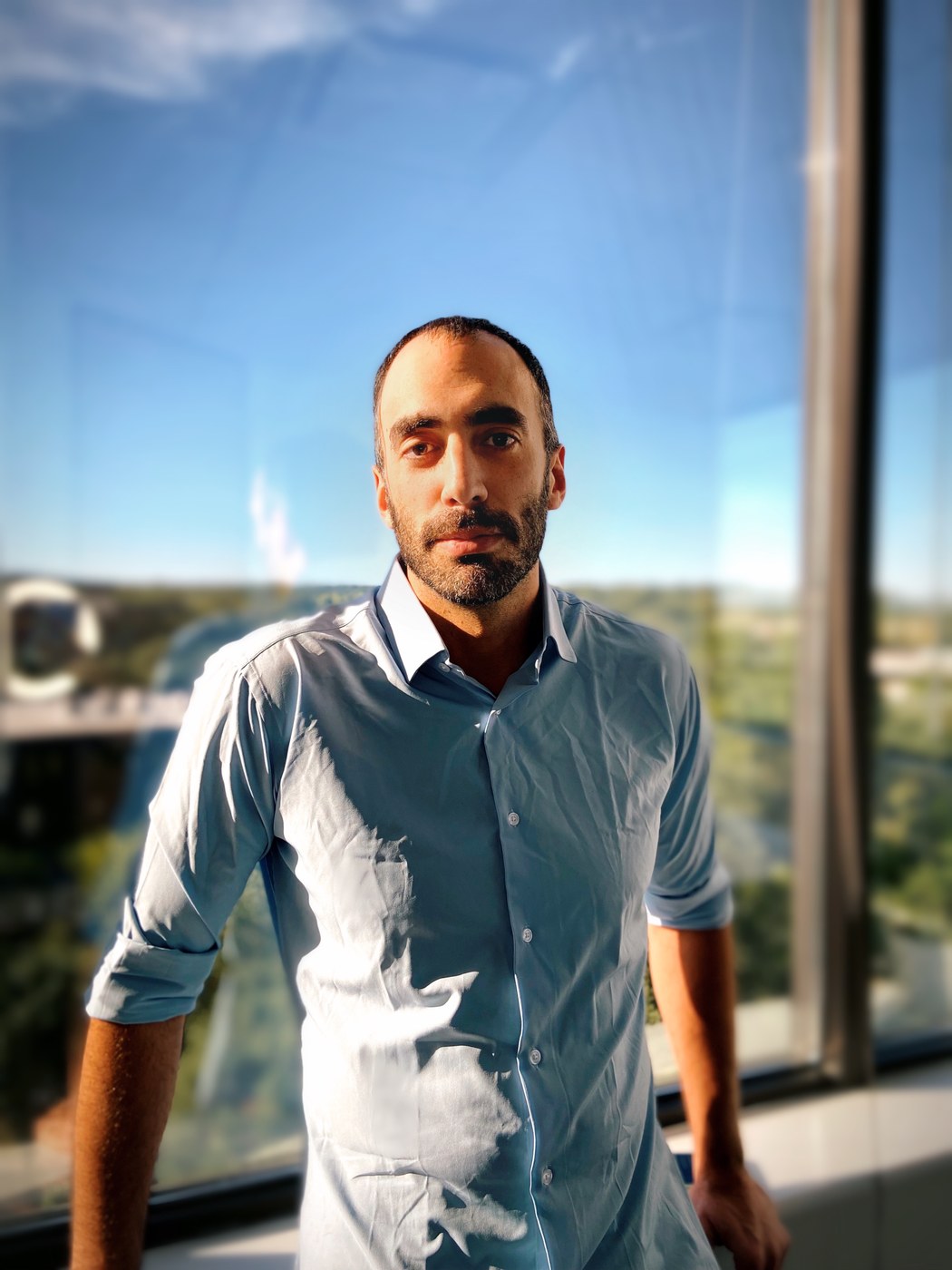
Jim Rebesco and the problem with tomorrow
He learned to keep algorithms working on Wall Street. At Striveworks, Jim Rebesco is applying that lesson to a world where the weather, the data, and the adversary refuse to stand still.
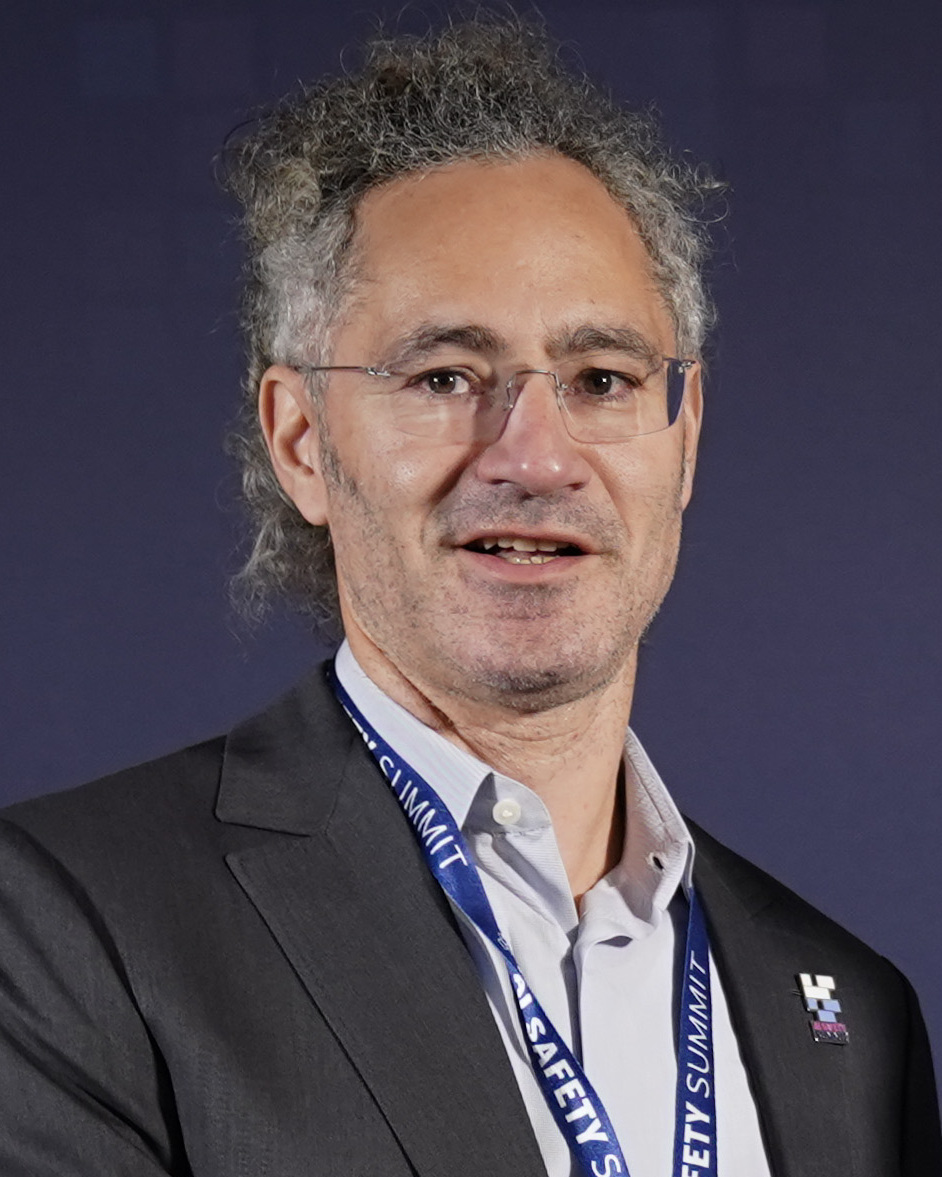
Alex Karp and the education of an argument
A social theorist from Frankfurt became the public voice of Palantir. His career asks an awkward question: what happens when a philosopher gets the means to put his convictions to work?
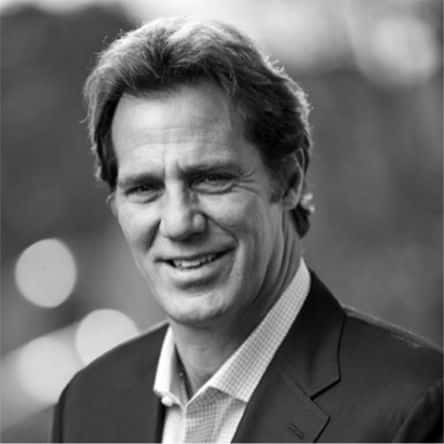
Dave DeWalt and the compound interest of showing up
Before the cybersecurity deals came 500 cold calls a week. The NightDragon founder has spent his career turning repetition, relationships, and an operator’s instincts into a larger field of play.