identity-resolution
(43)
Wunderkind and the shoppers hiding in plain sight
Kurt Geiger could copy the emails. It could not copy the audience. Inside the company betting that recognizing a shopper matters more than buying another click.
CustomersAI and the expensive art of recognizing a stranger
Larry Kim built a business around finding customers. Its most revealing turn came when he started asking whether the names it found belonged to the right people.
ActionIQ by Uniphore: Your data is ready. Your marketers are waiting.
ActionIQ turns customer data into audiences, journeys and timely messages. Its wager: the next marketing advantage belongs to companies that can use what they already know.

Listrak and the art of the second chance
A shopper leaves. A retailer remembers. Listrak has built a business around the delicate interval between those two events, connecting customer data with email, text and the next useful nudge.

Doceree wants pharma ads to follow the prescription
A physician-founded advertising company built its network where doctors read and work. Now Doceree is chasing the harder question: did the message help a prescription become a treatment?
Bluecore gives shoppers a reason to come back
A laptop is an awkward thing to sell twice. Bluecore turns that retail problem into a data problem, matching shoppers with products and moments that make another purchase worth considering.

Fullpath and the strange afterlife of a lost lead
A car buyer can vanish from a sales pipeline without vanishing from the market. Fullpath has built a business around remembering the difference.

The Customer Data Company That Gave the Warehouse the Keys
Soumyadeb Mitra could not get a customer-data system to behave at 8x8. His answer was to build the pipes around the warehouse companies already owned - and let the data stay there.

Rick Erwin and the Case for an Open Black Box
After decades inside the data industry’s largest machinery, the Adstra CEO is betting that its future belongs to marketers who can see, move, and govern their own identity data.

David MacCallum and the Art of Carrying More Than One Map
He trained to understand machines, studied the rules that govern companies, then took responsibility for making one grow. At Wunderkind, David MacCallum has built a career in the useful territory between disciplines.

Redpoint Global’s 20-Year Bet: Fix the Customer Record Before You Ask AI to Use It
Most customer-data vendors promise a smarter message. Redpoint starts one floor lower - with the misspelled name, duplicate household and stale transaction that can quietly wreck the model above it.
BlueConic Spent 15 Years Teaching Brands Who Their Customers Are. Now It Wants the Machine to Make the Next Move
The Dutch-born customer data platform built its name unifying messy first-party data. With Jebbit, Blueshift and a new crop of AI agents, BlueConic is betting that the next valuable layer is not another dashboard - it is the decision made while the customer is still there.

Zeta Global Threw Away Two-Thirds of an Acquisition - and Kept the Piece That Built a $1.3 Billion Machine
The company began by buying customers for brands. Then it bought a software business, sold most of it, and discovered the platform it wanted to become. Now Zeta is asking CMOs to swap a messy stack for one data-and-AI operating system.

Babel Street Built an AI Analyst for People Who Can't Afford a Bad Guess
The Washington intelligence-software company spent years helping analysts search a noisy world. Now it is asking AI agents to do the legwork - while humans keep the last word.
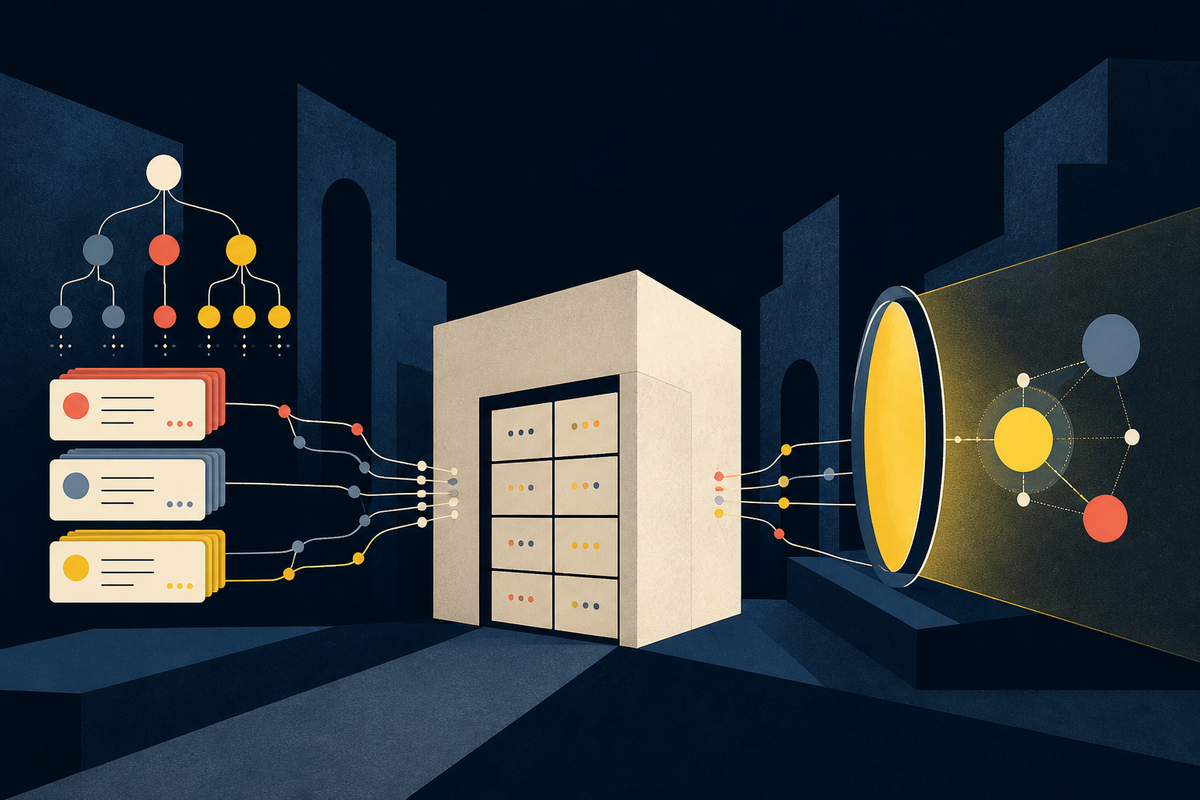
The Customer Success Stack Is Becoming a Data Trap
Totango and Hook promise sharper retention, expansion and portfolio focus. The consequential choice is not which dashboard looks smarter, but where customer truth lives when the contract ends.
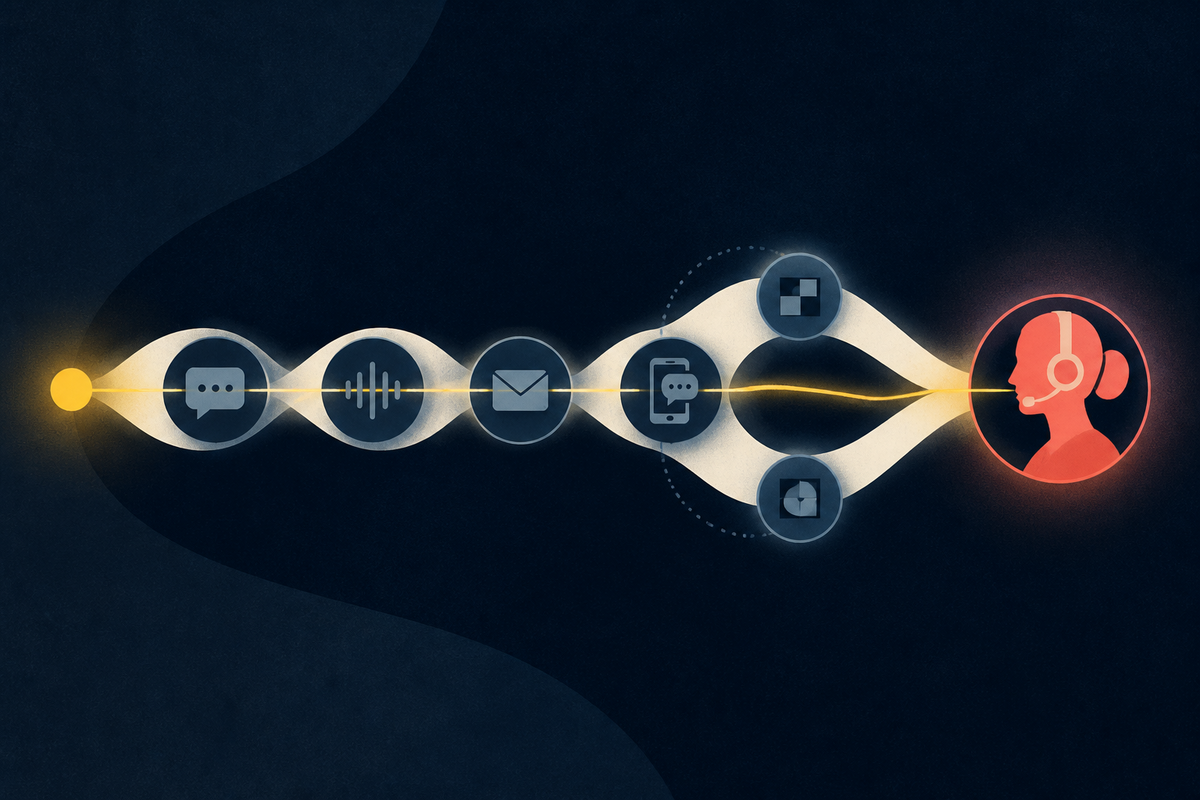
Gupshup or Yellow.ai? Which One Keeps the Customer Whole
Both platforms promise one conversation across every channel. The real choice comes down to where identity lives, what survives a handoff, and whether the reporting can reconstruct the customer’s complete journey.

Andy Rossmeissl Built an AI Company Where the Signal Is Human
From a solar-marketing experiment in Middlebury to a consumer context platform covering 240 million U.S. adults, Rossmeissl has spent nearly two decades asking one durable question: what can data help people decide next?

Faraday Spent 14 Years Mapping 240 Million Americans. Now It Wants to Be the Memory Your AI Agents Are Missing
Most marketing AI can write a charming sentence but still has no idea who the customer is. Faraday sells the missing context - and a lead-routing experiment at American Standard shows what happens when the data is finally switched on.

The Company That Turned "Prove It" Into a Business
For 20 years, ActiveProspect has sold one unglamorous promise to marketers: keep the receipt. In a regulatory minefield where a single unwanted robocall can cost $500 to $1,500, that receipt is the whole business.

Braze Is Quietly Making Your CDP Optional
Braze built Currents to stream engagement data out of its platform. Now its Data Platform ingests, enriches and activates events natively, and marketers are asking whether Segment is still worth a second bill.
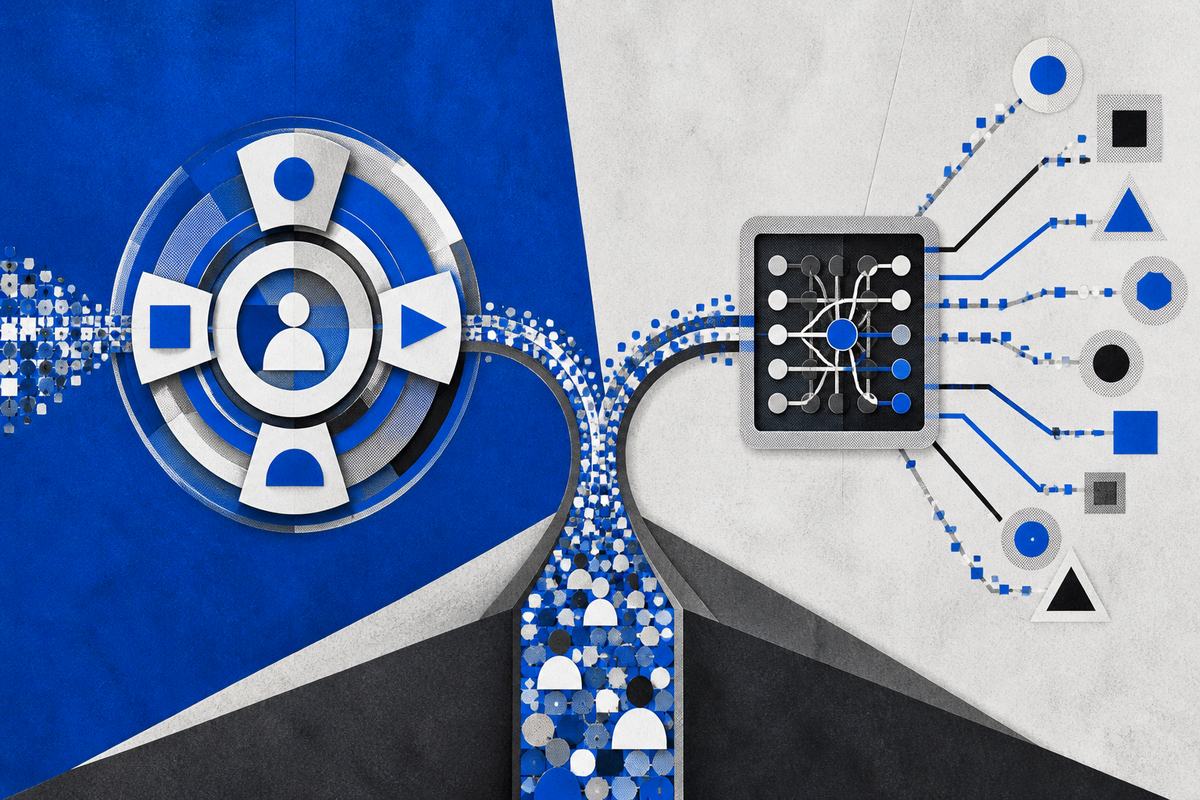
The Customer Data Fork Hidden Inside Your Stack
Segment and mParticle both promise clean, portable customer data. The consequential difference is where each product puts gravity: inside Twilio’s engagement suite or between the many tools you may want to keep.

PebblePost Put the Pixel in the Mailbox - Now It Wants the Living Room
The New York ad-tech company made direct mail behave like digital retargeting. Its next act is applying the same transaction-powered engine to connected TV - with the household, not the cookie, at the center.

Courtney Keating Wants to Make Data Feel Human
The CMO of Acxiom spent twenty years in mortgages, fintech and real estate learning to translate complicated things into plain language. Now she runs the brand at one of the most data-heavy companies in marketing.
The 57-Year-Old Data Company Quietly Sitting Under Modern Marketing
Acxiom began with mailing lists and one computer in Arkansas. Today, its identity layer helps global brands decide when scattered signals belong to the same person - and how to act on that knowledge without losing control of the data.

Scott McKinley
Scott McKinley is the founder and CEO of Truthset, an Oakland-based data validation company that scores the accuracy of consumer data used across advertising and marketing. A former captain of the 1988 US Olympic Road Cycling Team who walked away from the sport as doping spread, he spent roughly two decades in ad tech and martech - including a stretch as an EVP at Nielsen and CEO of IDify - before starting Truthset in 2019 to bring transparency and accountability to an industry he felt was full of unchecked claims about data.
Tony Owens
Tony Alika Owens is the Chief Executive Officer of Amperity, the AI-powered lakehouse customer data platform, a role he took in November 2024. A veteran enterprise software operator with more than 20 years of experience, he spent a decade at Salesforce running field operations in the Americas as the company grew from $1.4 billion to well over $20 billion in revenue, held a group vice president role at Oracle, and served as president of worldwide field operations at LivePerson. He also sits on several boards and is known for a relentless focus on customer value.

Leadspace
Leadspace is a B2B data intelligence company that unifies buyers, accounts, and buying signals into a single continuously updated data layer for go-to-market teams. Its GTM Data Intelligence Cloud enriches, scores, and activates data across CRM and marketing systems like Salesforce, Marketo, and HubSpot, helping sales and marketing teams find, segment, and prioritize their ideal customers. Founded in 2007 and backed by Jerusalem Venture Partners, the company has raised roughly $111M and counts enterprises such as Salesforce, Zoom, and American Express among its customers.

Narrative I/O
Narrative I/O is a New York-based data infrastructure company that makes incompatible data work together. Its platform automatically normalizes disparate datasets, resolves identity, and lets companies securely buy, sell, enrich, and activate data - increasingly delivered natively inside a customer's own Snowflake environment so no data has to move. Founded in 2016 by Nick Jordan and led since 2023 by CEO Tim Mahlman, Narrative serves marketers, data scientists, and enterprises including Nielsen, TransUnion, Experian, and Fanatics.
Omnisient - Collaborative Consumer Intelligence
Omnisient is a privacy-preserving data collaboration company that lets banks, insurers, retailers and consumer brands analyze their first-party data together without ever sharing or exposing it. Using privacy enhancing technologies, US-patented Crypto-IDs and AI-powered data clean rooms, the platform matches mutual customers across datasets so lenders can score credit-invisible and thin-file consumers using alternative behavioral data - all while personal information never leaves the owner's environment. Founded in Cape Town and now expanding into the United States, the company protects hundreds of millions of consumer records for more than 100 enterprises.
Verato
Verato is a healthcare-focused identity data company that helps organizations answer a deceptively hard question: who is who? Founded in 2012 and based in McLean, Virginia, Verato pioneered Referential Matching - a technique that compares fragmented records against a proprietary reference database spanning the U.S. population with up to 30 years of historical demographic data. Its cloud platform, now sold as Verato MDM Cloud, links and cleans patient and member records across hospitals, health systems, payers, life sciences firms, and government agencies, reducing duplicate records, claims denials, and safety risks while enabling a single 360-degree view of each person.