video-streaming
(27)
DMM Quit Robots. Now It’s Putting ¥5 Billion Into a Return.
Anime, currency trading, English lessons and an aquarium already share the DMM name. Its return to robotics reveals how this Japanese conglomerate decides which failures deserve another chance.

Ivi found paying viewers on the other screen
An early bet on paid movies missed its targets. Russia’s streaming pioneer found a better audience on televisions - and is now selling subscriptions alongside its rivals.

Velocix and the business of keeping the match on
A live audience arrives all at once. Velocix helps television operators handle the rush with a mix of private infrastructure, cloud capacity and software that keeps an eye on the bill.

Aferian kept the video running. Its own money ran out.
Aferian built the technology behind streaming apps and thousands of managed screens. Its March 2026 collapse left Amino and 24i operating under new ownership - and shareholders with no return from the sale.

Viraj Mehta Built a Streaming Playbook - Then Chose to Come Back
The Mumbai marketing executive joined Muvi when streaming infrastructure was still catching up with the idea. Years later, he returned for the product, the people and the rare pleasure of building the same story twice.
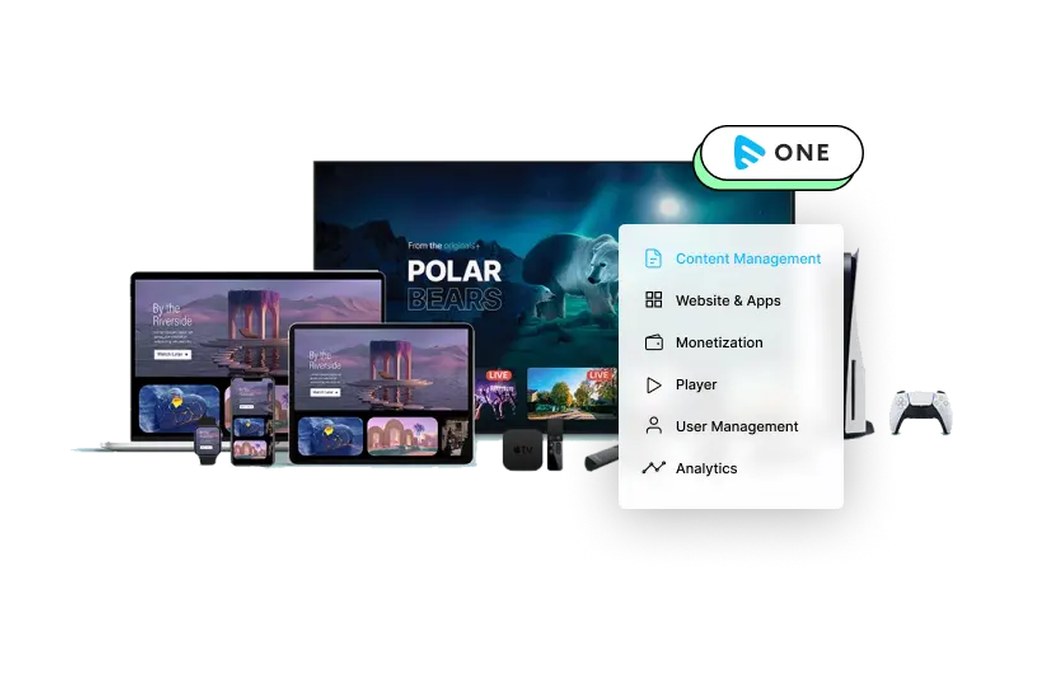
Muvi Wants to Build Your Netflix Before You Hire the First Engineer
The streaming SaaS company bundles apps, payments, DRM, analytics and delivery into one white-label stack. The bet is that most media businesses would rather rent the machinery than spend years becoming software companies.

Stefan Lederer Put the Invisible Machinery of Streaming on Play
A university research project became a developer platform, an Emmy-winning encoding technology, and a lesson in how open work can travel farther than guarded ideas.

BoxCast Built the Live-Stream Button for Teams That Can’t Afford to Miss
A funeral-home request became a hardware-and-software company for churches, schools, governments and event teams. BoxCast’s bet is simple: the best broadcast system is the one that starts on time, survives bad internet and does not need an engineer hovering over it.
The Colorado Startup Teaching Your Phone to Diet on Netflix
Video eats the wireless network alive. A husband-and-wife team on Colorado's Western Slope built AI that puts it on a diet - on the device, before it ever clogs the tower.

The Austrians Who Wrote the Rulebook for How the Internet Plays Video
Stefan Lederer and his co-founders helped write MPEG-DASH during their PhDs. Then they built a company on top of it - and won an Emmy for the encoding tech that keeps modern streaming from choking.

MasterClass Is Turning Celebrity Lessons Into a Career Stack
The company that taught millions to cook with Gordon Ramsay and write with Shonda Rhimes is widening its frame - from beautifully filmed inspiration to workplace training, AI rehearsal and credentials built for a changing job market.

Netflix
Netflix escaped the red-envelope era by learning to replace its own best idea. Now it is turning a streaming subscription into a wider entertainment system - one built from stories, software, live moments, games and advertising.

YouTube
Twenty years after three ex-PayPal employees uploaded a clip from the San Diego Zoo, YouTube pays creators more than any studio and gets watched more than any TV network. Here is how the video site became infrastructure.

Uscreen
The bootstrapped platform behind $1 billion in creator earnings is betting that the future of video isn't a bigger audience - it's owning the one you already have.

AlphaOTT
AlphaOTT is a Miami-based IPTV and OTT technology company that gives telcos, ISPs, cable operators and businesses the software to launch their own branded streaming service. Its carrier-grade suite - the CORE middleware, FRONT apps for 16-plus platforms, a CDN, transcoder and anti-fraud security layer - lets an operator run live TV, video-on-demand, billing and subscriber management end to end. The platform has been deployed in more than 40 countries and serves over two million subscribers.

Viddsee
Viddsee is a Singapore-based video entertainment company that curates, distributes and markets short-form premium content from Asia. Founded in 2013 by engineer-filmmakers Ho Jia Jian and Derek Tan, it began as a Facebook page sharing regional short films and grew into a multi-platform network reaching millions of monthly viewers. Beyond its consumer streaming platform, Viddsee runs Viddsee Studios, a branded-content production arm serving brands and government agencies, and Viddsee for Good, a social-impact storytelling initiative, plus the Viddsee Juree Awards that spotlight emerging Southeast Asian filmmakers.

Yang Cai
Yang Cai is the co-founder, chairman, president and CEO of VisualOn, a San Jose video technology company he started in 2003. A computer scientist with a Ph.D. from the University of Texas at Austin, Cai built his career in digital media engineering, including work on one of the industry's first real-time software MPEG-2 encoders. At VisualOn he has guided the company from cross-platform media player SDKs into AI-driven video compression, notably the Optimizer content-adaptive encoding engine that cuts streaming bitrates by 40 to 50 percent while lowering energy use.

Conviva
Conviva is a Silicon Valley analytics company that measures digital experiences from the consumer's point of view. Founded in 2006 by Carnegie Mellon and UC Berkeley computer scientists, it began by helping streaming brands cut buffering and improve video quality of experience (QoE), then expanded into a real-time Operational Data Platform (ODP) that processes trillions of client-side events daily. Its technology powers experience monitoring for many of the world's largest streaming services and, more recently, has extended into agentic AI performance and consumer-perspective analytics across apps, websites, and AI agents.

Minerva Networks
Minerva Networks is a San Jose-based software company that builds carrier-grade service management and video delivery platforms for pay-TV and broadband operators. Founded in 1992, its platform lets telcos, cable and satellite providers offer IPTV, OTT and hybrid television - with live TV, VOD, network DVR, catch-up and FAST channels - across set-top boxes, smart TVs, mobile and web. More than 300 operators worldwide run Minerva, and the company now layers AI-driven content discovery through its Minnie AI Companion and its FAST+ streaming service.

VisualOn, Inc.
VisualOn is a Silicon Valley video software company that helps streaming services and device makers deliver and play back video across every screen. Founded in 2003, its multi-platform media player SDKs power more than 200 million devices, and its AI-driven Optimizer for content-adaptive encoding cuts streaming bitrates by up to 40% on average while preserving picture quality. The company sits in the plumbing of online video - the codecs, players, DRM, and analytics that most viewers never see but rely on every time they press play.

Livepeer
Livepeer is an open, permissionless network that turns idle GPUs around the world into a decentralized marketplace for video infrastructure. Founded in 2017 by Doug Petkanics and Eric Tang, it began as a low-cost alternative to centralized video transcoding and has since expanded into real-time AI video - letting developers generate, transform and interpret live streams on a token-incentivized GPU network rather than expensive cloud providers.

ODK Media
ODK Media is a Fullerton, California-based media group that brings Asian entertainment to global audiences. Founded in 2011, it began as OnDemandKorea, the first legal Korean streaming service for North America, and has grown into a multi-platform operator running OnDemandKorea, OnDemandChina, OnDemandViet and the pan-Asian FAST service Amasian TV. The company licenses, localizes and distributes Korean, Chinese and Vietnamese dramas, movies, variety shows, news and live sports to viewers across more than 36 countries, blending AVOD, SVOD and free ad-supported TV with its own ODX back-end technology and AI-powered subtitling and dubbing.
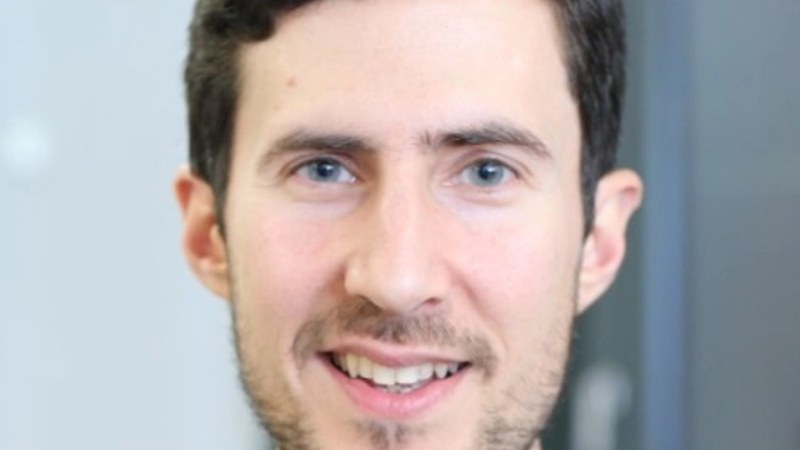
Doug Petkanics
Doug Petkanics is the co-founder and CEO of Livepeer, a decentralized network that turns idle GPUs around the world into open video infrastructure. A University of Pennsylvania computer scientist and three-time founder, he built and sold Hyperpublic to Groupon and shipped an Apple App of the Year at Wildcard before betting on blockchain in 2016. Today he is steering Livepeer squarely at real-time AI video, arguing the open internet should not be rebuilt on the same handful of cloud giants it set out to escape.

Jed Jeong
Jed Jeong runs OnDemandKorea, the first and largest legal Korean streaming service in North America, and is CEO of KOOLi Inc. and Head of OTT at ODK Media. He turned a single legal Korean OTT service into a multinational Asian media hub spanning OnDemandKorea, OnDemandChina, OnDemandViet and OnDemandLatino, plus digital magazines, e-commerce, content metadata production and international content IP distribution across 36+ countries. A Daum veteran from Korea's early internet era, he now builds streaming for diaspora audiences who want their stories in their language, wherever they live.

Xperi Inc.
Xperi Inc. (NYSE: XPER) is a San Jose-based entertainment technology company whose work hides in plain sight inside the devices people already own. Through its DTS, HD Radio, TiVo and IMAX Enhanced brands, Xperi puts immersive sound in living rooms, smart software on televisions, broadcast and streaming radio in cars, and personalized discovery across pay-TV and IPTV platforms. Spun out of Xperi Holding Corp in 2022 as the product-focused half of the business, the company now reaches hundreds of millions of devices worldwide while pivoting its growth toward a media platform built around TiVo OS and the connected car.
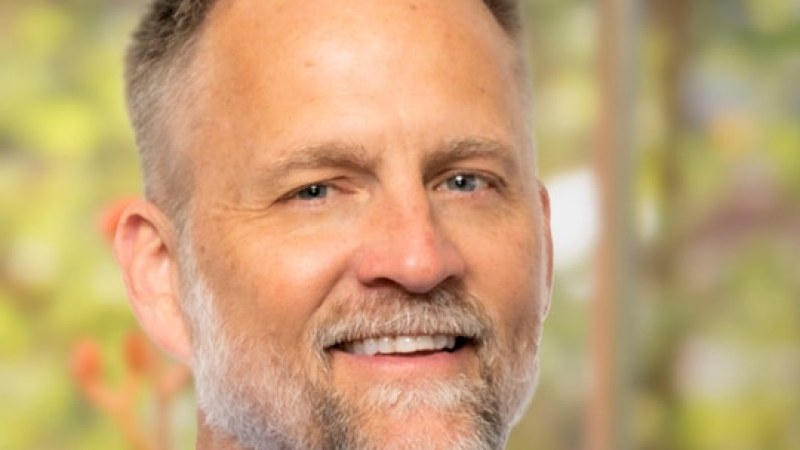
Keith Zubchevich
Keith Zubchevich is the President and CEO of Conviva, the streaming intelligence and digital experience platform that monitors over 5 billion sensors and processes 3 trillion real-time events daily. A serial entrepreneur who has founded six companies and raised over $500 million across his career, Zubchevich joined Conviva in 2008, served as Chief Strategy Officer, and stepped into the CEO role in 2021. Under his leadership, Conviva has evolved from streaming quality-of-experience monitoring into a full agentic AI analytics platform. He is widely recognized as a clear-eyed voice on the limits and measurement requirements of AI agents in consumer-facing applications.

Mauro Bonomi
Mauro Bonomi is the Founder, Chairman, and CEO of Minerva Networks, a San Jose-based company he built from the ground up into a global IPTV and OTT software platform serving over 300 operators across 6 continents. A Stanford-trained electrical engineer with deep roots in digital video compression, Bonomi spent decades at the intersection of television and the internet before that intersection became a cliche. His platform powers pay-TV services from linear broadcast to AI-driven content discovery, helping carriers modernize without tearing everything down.