pathogen-detection
(10)
The Bird Flu Test That Left the Lab
A palm-sized analyzer can identify bird flu beside the flock in 45 minutes. Alveo’s larger bet is that the value of a test lies in how soon someone can act on it.
The Chip Factory That Learned to Read Tissue
Centrillion borrowed the tools of a semiconductor fab to make biology legible - then discovered that the most useful product might be the manufacturing system behind the chip.

The AI Startup Teaching Machines to Read Matter - Before the Lab Calls Back
HyperSpectral began with a three-hour COVID testing line and a failed ad-tech bet. Now it is building a software layer that promises to turn light into answers - across blood samples, bioreactors, food lines and defense supply chains.
Delve Bio Built One Test for 68,000 Suspects - Now It Wants Doctors to Use It Before the Guessing Game
The UCSF spinout turned an academic pathogen-hunting assay into a 48-hour clinical service. Its next challenge is bigger than sequencing: persuading hospitals to order one broad test earlier, without pretending every strange read is the answer.
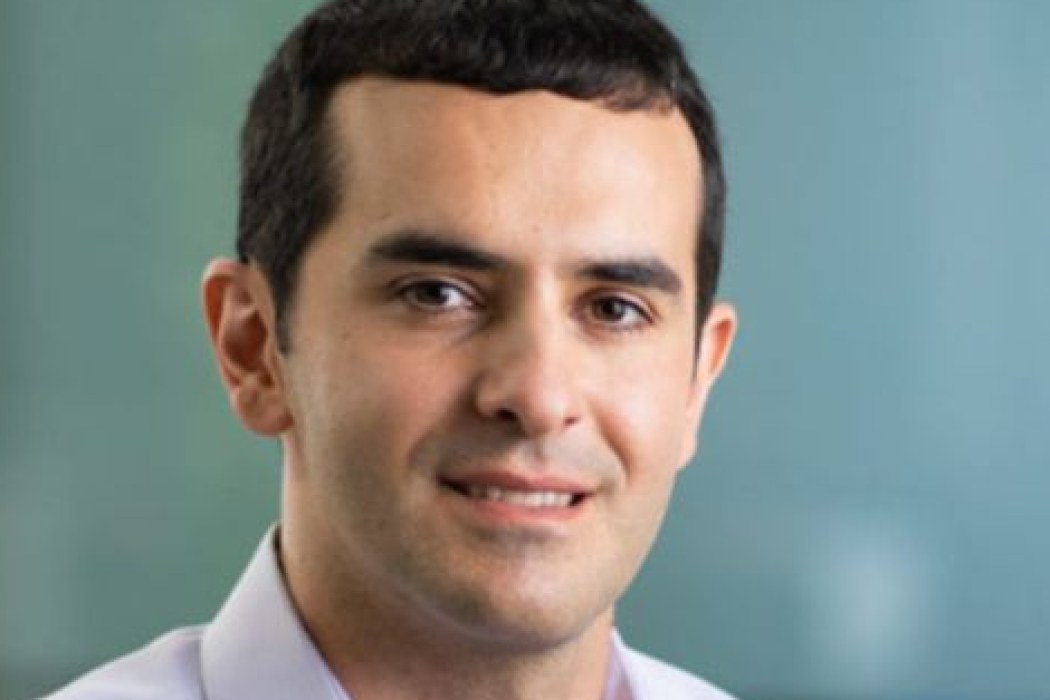
Sasan Amini
Sasan Amini is the co-founder and CEO of Clear Labs, a San Carlos genomics company that turns next-generation DNA sequencing into a push-button diagnostic for food safety and infectious disease. An Iranian immigrant who left Tehran at 22, he earned a PhD in genomics at Princeton, worked in advanced research at Illumina, and in 2014 set out to make sequencing simple enough for any lab to run. When COVID-19 hit, Clear Labs pivoted its automated platform into SARS-CoV-2 surveillance and reached more than half of U.S. public health labs.

Biotia
Biotia is a New York-based health-tech company that fights infectious diseases by combining next-generation DNA sequencing with AI-driven software. Its metagenomic platform identifies bacteria, fungi, parasites and viruses - plus antimicrobial-resistance markers - from a single sample against a curated database of more than 16,000 microbial species. Spun out of the Jacobs Technion-Cornell Institute at Cornell Tech and operating a CLIA-certified lab in New York City, Biotia turns a single microbiome test into an actionable clinical report to help providers diagnose hard-to-detect infections and support pathogen surveillance from the hospital to outer space.
Karius
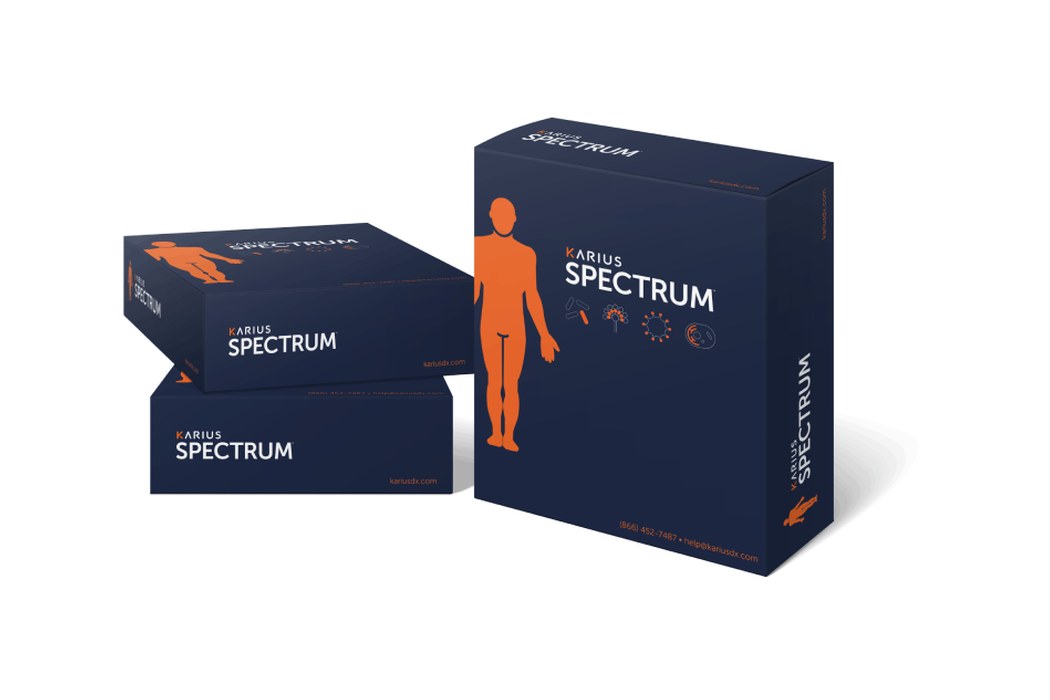
Karius is a Redwood City, California life-sciences company that turns a single blood draw into a broad infectious-disease diagnosis. Its flagship Karius Test uses microbial cell-free DNA (mcfDNA) sequencing, metagenomics and AI to detect more than 1,000 pathogens - bacteria, DNA viruses, fungi and parasites - often within a day of receiving a sample. Founded in 2014 out of Stephen Quake's lab at Stanford, the company aims to give clinicians a fast, non-invasive alternative to invasive biopsies and slow cultures, with a focus on the immunocompromised patients who need answers most urgently.
Clear Labs
Clear Labs is a San Carlos, California genomics company that builds Clear Dx, a fully automated next-generation sequencing platform. It turns whole genome sequencing - normally a slow, expert-heavy lab process - into a push-button diagnostic used by food manufacturers and public health labs to detect pathogens like Salmonella and Listeria, characterize SARS-CoV-2 and TB, and identify bacteria and fungi from clinical specimens, often with next-day results.
Solena
Solena is an agricultural biotechnology company that reads the microbiome of farm soil the way a doctor reads a blood panel. Farmers mail in a soil sample; Solena sequences the DNA of the microbes living in it, scores the soil's biological health with its MISS index, and its Prometheus platform turns that data into AI-driven prescriptions for what to apply, when, and how much. The goal is fewer synthetic inputs, healthier soil, better yields, and eligibility for carbon and regenerative-agriculture incentives.
Shyld AI
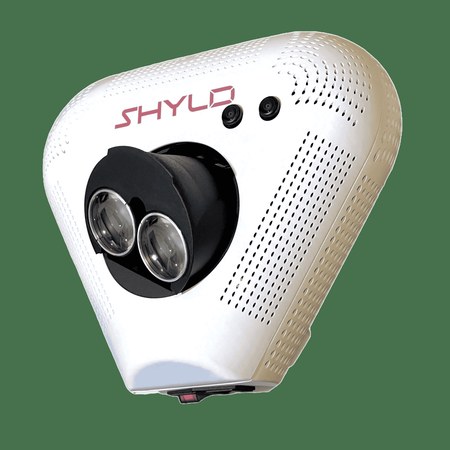
Shyld AI builds autonomous, edge-native devices that watch hospital rooms with computer vision and sensors, then fire targeted UV-C light to kill pathogens the moment a room is empty or a high-touch surface is used. Founded by brothers Mohammad and Morteza Noshad, the Silicon Valley company sells an 'Active AI' platform to U.S. health systems that has shown a 93% reduction in environmental contamination in a peer-reviewed Stanford study.