software-development
(188)
Lou LaRocca wants you to need him less
For the J2 Interactive co-founder, a good partnership leaves people more capable. His years as a software developer, employer and Boston volunteer tutor offer a few clues about how that works.
Beta Soft sold the missing piece.
A software project can stall for want of one person - or someone to own the whole job. Beta Soft Systems built its business around both needs.

B2B Techno Solutions: The work between idea and launch
A Jaipur software studio sells the practical work behind web apps, online shops and SaaS products. One unusually candid customer review explains what buyers should pay attention to.

Linkup ST and the art of doing less
A yacht listing. A fuel card. An auction filter. Linkup ST builds its case for digital consulting in the small decisions that make software worth using.

Bitcycl wants learning to outlast the classroom
A course ends. A job changes. The knowledge should travel with you. Bitcycl is building its identity around that deceptively simple proposition.
NarraSoft builds the team behind the thing.
A game needs artists. An app needs engineers. A business needs someone to keep the machinery moving. NarraSoft has built a company around all three.
Polosoft and the work before the wire
Fast broadband begins with slow questions. Polosoft turns surveys, point clouds, and pole calculations into the plans that help telecom networks get built.

Sigma Solve fixes the gaps between the software.
A broken login. A handwritten coffee code. A subscription that will not pause. Sigma Solve builds its business where somebody else’s systems stop talking.

Yellow Stone and the art of the second visit
Getting a player to click is one job. Yellow Stone brings payments, marketing, analytics and customer care into the much longer business of getting them to return.

Hire the team. Keep the knowledge.
Systems Engineering Services sells a practical bargain: outside expertise, shared project work, and a client team that can carry on after the consultants leave.

CENTECH and the business of keeping government running
A personnel-security product, base networks, and a founder’s difficult exit reveal the practical business behind federal IT.
IT Companies Network makes the shortlist the product
Finding an IT firm is easy. Choosing one is work. IT Companies Network organizes the hunt around services, technologies, and industries - with a business model that makes visibility part of the story.
BrickRed makes the pieces work together
The Redmond consultancy has a practical answer to enterprise complexity: connect the tools, fix the handoffs, and build the team that keeps everything running.

UKAD makes the complicated work together.
Four brands. Too many dashboards. UKAD’s work for East Capital Group reveals the quiet business of making software easier to live with.

AAIT wants the whole IT problem.
From office networks to barge-tracking software, AAIT sells a broad promise: fewer gaps between the people who build your technology and the people who keep it running.

David Jackson and the Small Print of Building Something Big
The FullStack co-founder built his case one sales call, time report, and working relationship at a time. His story makes an unlikely argument for the things founders would rather skip.

Iba Masood and the work between the work
Before Tara AI and Optimal AI, Iba Masood rented books to her schoolmates in Dubai. Her companies have grown around a recurring question: what keeps capable people from getting things done?

Stephen Murphy: the bank comes back
He spent years building technology inside banks, then a decade persuading them to build with Genesis. With Promenaut, Stephen Murphy has returned to a familiar customer - and a familiar question about how work gets done.

Daniel Haiem and the $140 Question
A school calculator sent Daniel Haiem looking for a cheaper answer. ClassCalc taught the AppMakers USA founder how much software depends on the people willing to trust it.
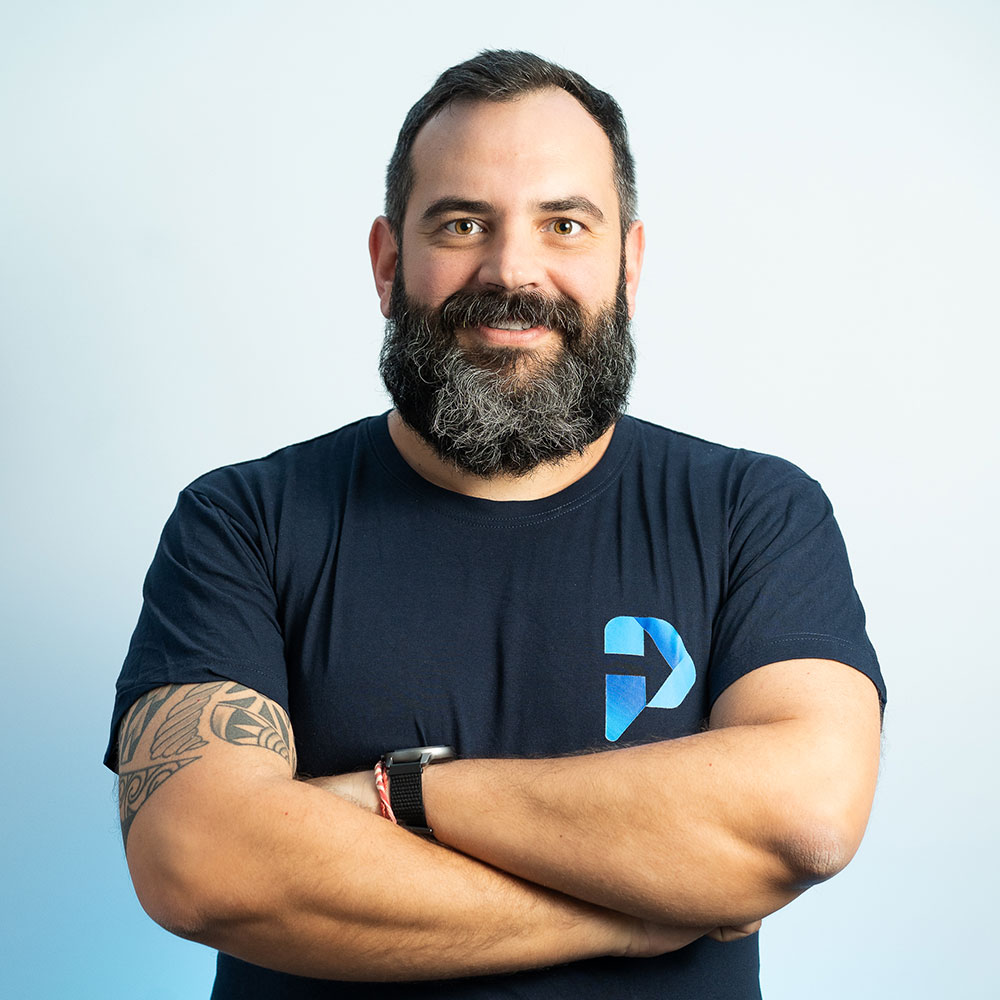
Nicolás Zangaro and the art of staying close
He helped build Switch Software in Montevideo, then learned how to sell its work across borders. Along the way, Nicolás Zangaro made a business question out of a personal one: how big can a company get and still feel close?

Tony Scherba and the problem after the prototype
He learned to build apps for musicians, helped Chelsea Handler make an escape button, and co-founded Yeti. Now Tony Scherba is working on what happens after the software works.
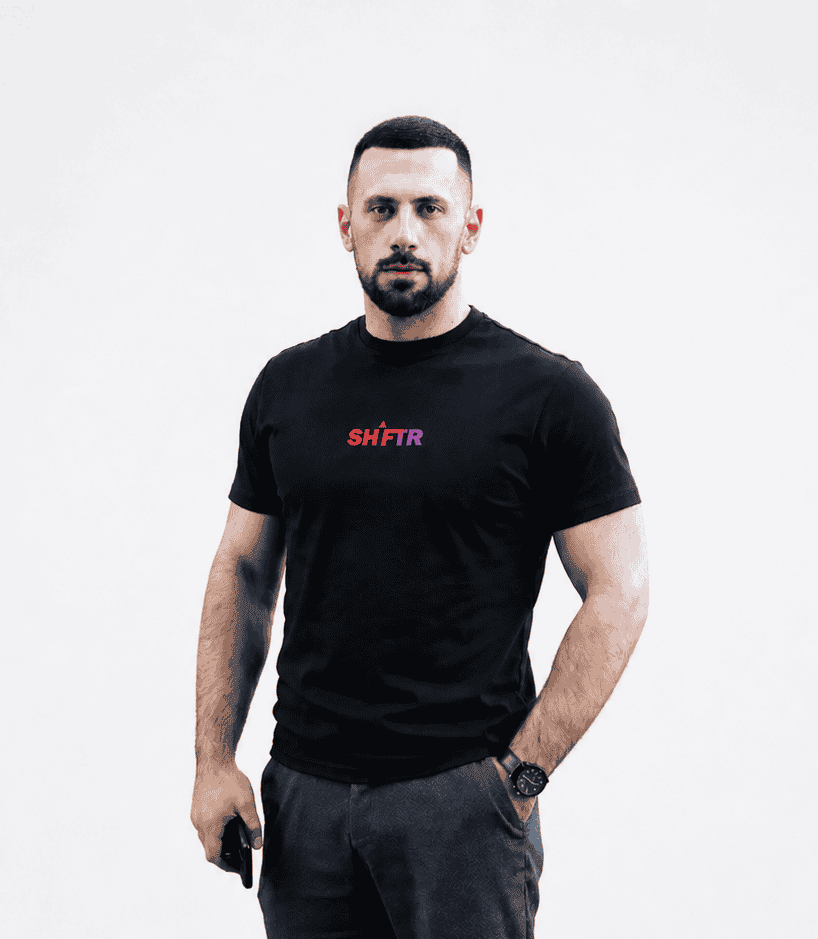
Volodia Yeghiazaryan’s case for boring repetition
A math teacher’s son, a formative internship in Belgium, and a month away from the business: how Shiftr’s founder came to put his faith in work that can happen again.

CACI makes the invisible useful.
A company built around a simulation language now works across drone defense, space sensors, and government software. Its big wager: customers will pay more for an outcome than an hour.

Ronald Tweedie and the problem of being only one person
He arrived in Britain with £500, built Neem around the work he could no longer do alone, and helped turn two hoteliers’ frustrations into software. Ronald Tweedie’s career has a recurring ingredient: somebody he knows has a problem worth solving.

Jeff Milgram and the Four-Dollar Detour
A cheaper way to ship educational software sent Jeff Milgram into the mailbox business. His route to iPostal1 ran through a blocked franchise deal, a New York warehouse and six stores he trained himself.

Sachin Dev Duggal and the price of easy
He wanted building software to feel as simple as ordering pizza. After Builder.ai’s collapse, Sachin Dev Duggal is starting again with a company about memory - and a past that travels with him.

Paulo Rosado and the price of changing your mind
Missed deadlines gave Paulo Rosado an idea: software should be easier to change. He spent 24 years leading OutSystems to test it, then changed his own job.
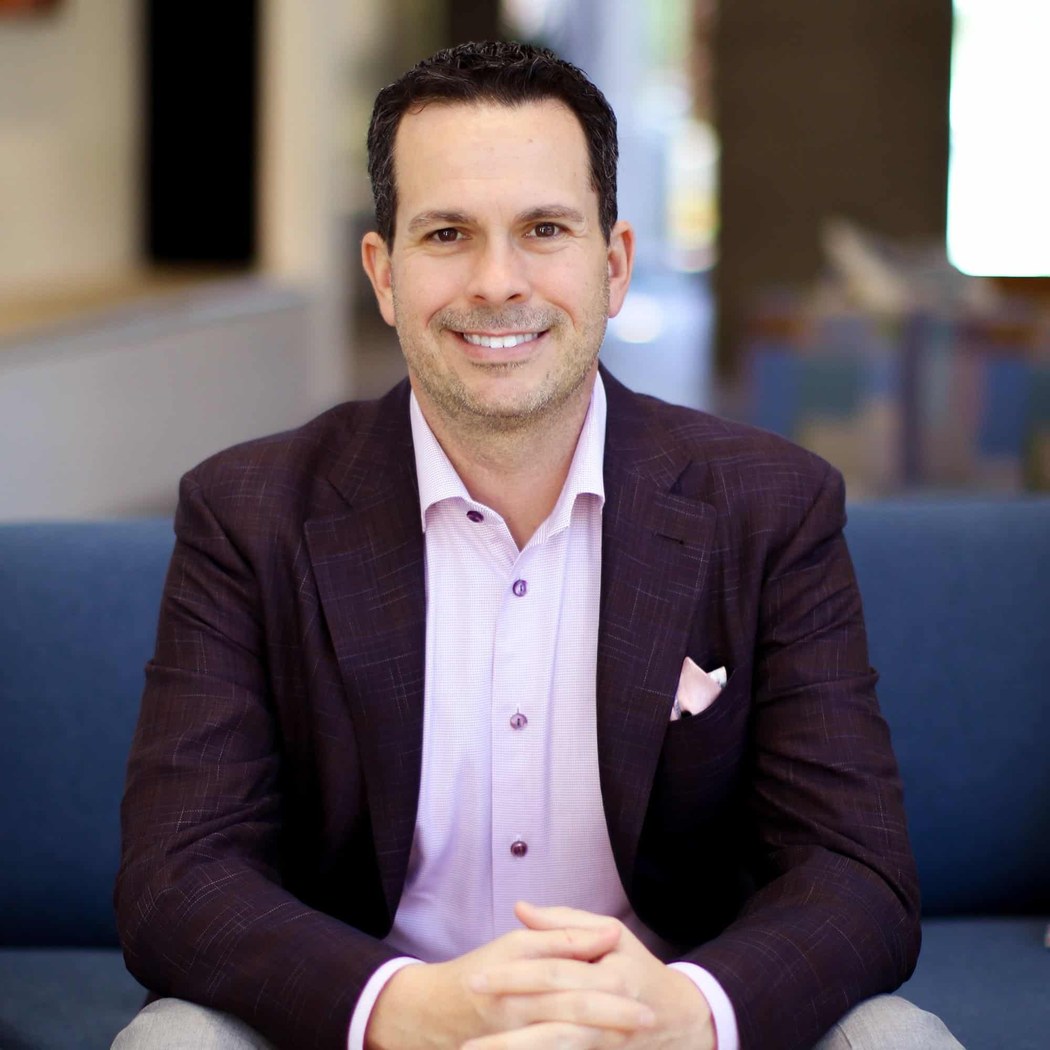
Jamie Baxter and the art of doing it by hand
Before Qwick reached a million completed shifts, Jamie Baxter learned to test the work before writing the software. With diner, he is back in the restaurant business, asking what a guest can tell you while dinner is still on the table.

Vlad Vakser and the Case for Keeping the Good Parts
From New York networks to distributed software teams, the Langate founder has built a career around continuity. His business history asks a practical question: what should change, and what deserves to stay?

Igor Epshteyn and the business of showing up
He left Belarus, started Coherent Solutions in Minnesota, and spent three decades learning how to keep a global company connected. The work kept changing. So did the founder.