digital-publishing
(71)
Scott Bedford and the value of a very particular crowd
Before Multiview became a B2B marketing business, Scott Bedford worked on electronic advertising for newspapers. His career kept returning to a practical question: how do you bring an advertiser to people who have a reason to care?

Nathan Chan had questions. So he started a magazine.
An IT support job, an improvised publishing education and a very ambitious guest list. How the founder of Foundr turned his own curiosity into a business for people learning to build one.

Asaf Peled and the game beyond the scoreboard
He left investing to get closer to sport. Fifteen years later, Asaf Peled’s Minute connects fans, athletes and publishers - with a business built as much on the machinery of media as on the stories.

Nakyang Seong’s long road from Yahoo to tire cords
Before he became co-CEO of HS Hyosung Advanced Materials, Nakyang Seong led Yahoo Korea and Doosan Dong-A. His career connects search engines, dictionary apps and the industrial materials inside everyday products.

Eric Koefoot and the trouble with counting everything
Before he co-founded PublicRelay, Eric Koefoot sold hotel rooms and helped take news online. His recurring question has been what people can actually do with all that information.

Andrew Casale and the business of staying on the publisher’s side
He started with fan sites and banner ads. After rebuilding the family business as Index Exchange, Andrew Casale is asking how much more of an advertising dollar can reach the people who make the internet worth visiting.

Robert Thomson and the price of a story
He began by typing commodity prices in a Melbourne newsroom. Now News Corp’s chief executive is asking the companies building artificial intelligence to put a price on the words they need.

Bertrand Quesada and the business between the paragraphs
He started by introducing brands to bloggers. Then Bertrand Quesada helped build Teads around an overlooked piece of publishing real estate: the space inside an article.

Multiview found the buyers already in the room.
Professional associations had the readers. Advertisers wanted their attention. Multiview built a business connecting the two - and now puts that network behind an AI-assisted audience finder.

Minute sells the story. And the machinery.
Sports Illustrated gets the attention. The business behind it connects sports stories, video rights and advertising - then sells the tools to other publishers.

Magic Software Inc. makes the textbook travel
A digital textbook has a surprisingly long journey to the classroom. Behind MagicBox, Magic Software Inc. handles the rights, rosters, formats and connections that help it arrive.
Static Media Knows What You’ll Read Next
A recommendation engine gave two engineers a view of the internet’s curiosity. They turned that view into a publishing business - and a growing collection of familiar names.

Jeff Elgie and the business of belonging
A digital consultant in Sault Ste. Marie saw a future in the local news business. Jeff Elgie has spent the years since building the software, newsrooms and neighbourhood connections to make it work.

Andy Sparks and the art of making yourself replaceable
At Mattermark, Andy Sparks learned to build a job and hand it over. After Holloway, he turned that habit into a second career: helping founders learn the parts of leadership nobody hired them to know.
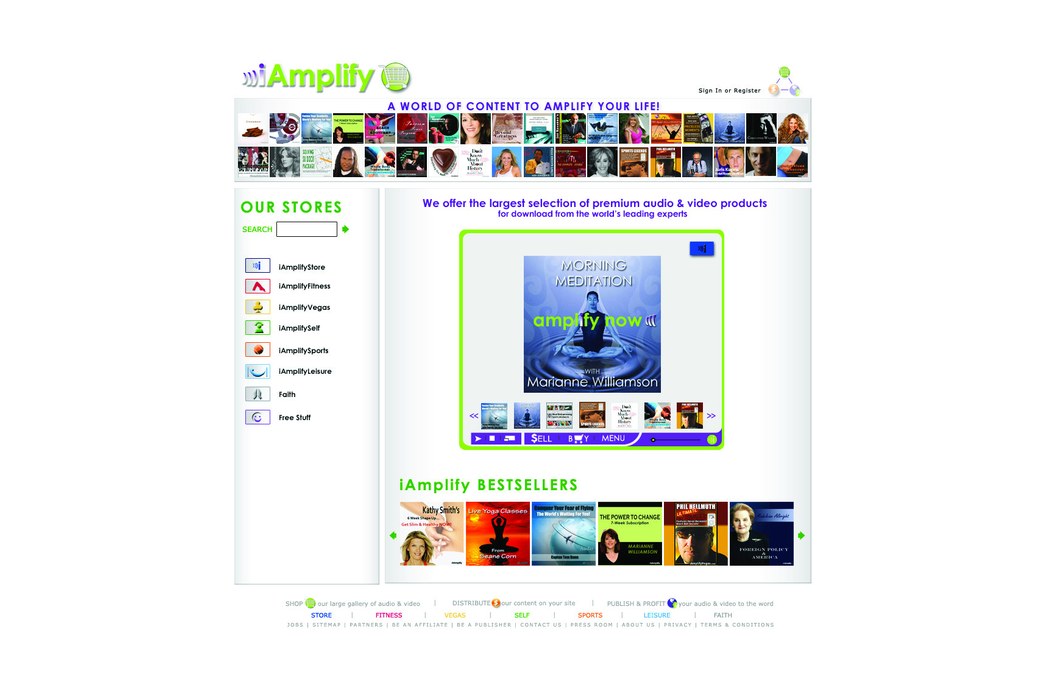
iAmplify put a price on know-how
Before the creator economy had its name, iAmplify sold lessons for your iPod. Its more interesting bet was putting the checkout wherever an expert already had an audience.

Niche Pursuits makes the experiment the business
Spencer Haws turned his online business experiments into a publishing company. Its most useful lessons begin where the easy-money story falls apart.

Connatix Found the Money Behind the Play Button
Publishers had stories. Advertisers had budgets. Connatix built the machinery between them - and its evolution into JWX reveals why a video player was only the beginning.

The Players’ Tribune Made “No Comment” Bad for Business
Derek Jeter and Jaymee Messler built a sports publisher around a scarce commodity: an athlete willing to talk. The stories travelled; making a business of them required another kind of teamwork.

Thrillist built a business on getting you out of the house
A newsletter for 600 friends became a guide to where to eat, drink, and disappear for the weekend. Its detour into selling clothes explains why knowing an audience and running a shop are very different talents.

Seventeen Magazine sold advertisers on teenage girls. Then the girls changed the rules.
A fictional reader helped Seventeen sell a real market. Eight decades later, the teen media brand offers a lesson in listening to the people you hope to influence.

USA TODAY Network makes the neighborhood national
A local reporter knows the street. A national network supplies the megaphone. USA TODAY Network turns that arrangement into journalism, advertising, and a business with some very public growing pains.

Space.com sells the sky. The useful part is closer to Earth.
A space newsroom built during the dot-com boom found a durable subject: human curiosity. Its practical trick is turning distant discoveries into something readers can understand, watch or try tonight.

Purch: the publisher that put a price on indecision
A product review is a small intervention in a large shopping bill. Purch built a business around that moment, then sold its consumer operation to Future for an announced $132.5 million.

GAMURS Group bought the gaming conversation. Then it changed the plan.
A gaming social network became a buyer of familiar publishing brands. Now GAMURS is selling some of those names and betting on where young audiences go next.
RebelMouse gave the archive a brain. Then taught it some manners.
A publishing platform found a useful job for AI inside a newsroom’s back catalogue. Its more interesting lesson came when the clever search started getting things wrong.

Giddy’s business begins where polite conversation ends
A wearable ED device brought Giddy into the bedroom. A sexual-health publication gave it a much bigger subject: the questions people hesitate to ask.

Atypon puts the editor in the driving seat
A five-day Ebola website reveals what Atypon really sells: control over how research reaches its readers. Behind the journal pages sits a business built around the awkward details of publishing.

The Newsletter That Had to Learn Its Readers' Names
InsideHook built a business by telling busy men where to go next. Fourteen years later, it decided the more useful question was who they wanted to hear it from.
The Dodo Turned Animal Videos Into a Media Empire
A tiny animal site learned that the best rescue story travels further than the homepage. The harder trick was turning all that attention into shows, books, brand deals and, sometimes, actual adoptions.

The Sports Desk That Became the Bundle
The Athletic sold die-hard fans a simple promise: better reporting on their teams. The wager bought it a $550 million exit, but the harder game was making all those reporters pay for themselves.