sharing-economy
(22)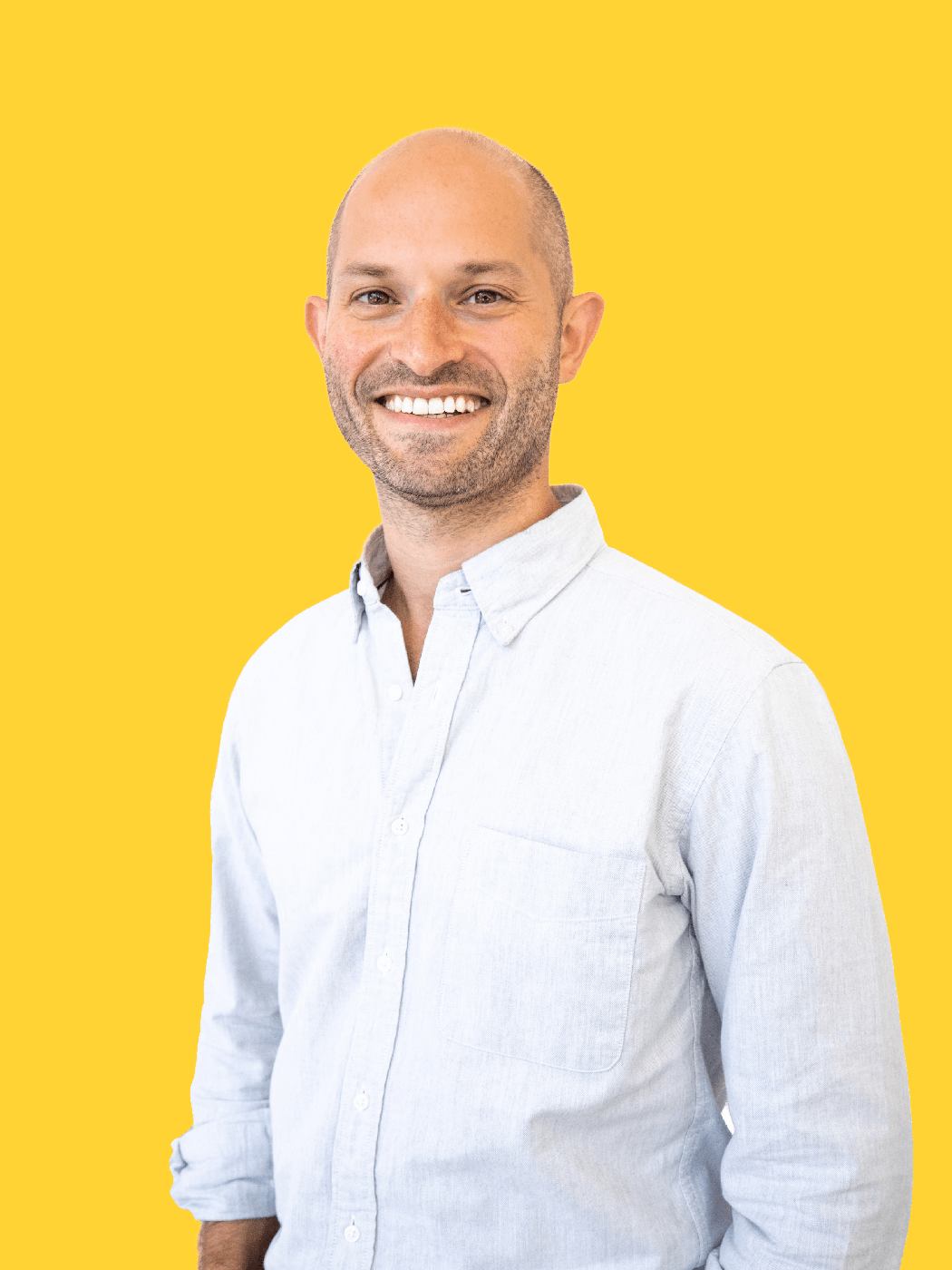
Alex Stephany and the price of a fresh start
A parking app taught Alex Stephany how to bring strangers together. At Beam, he has applied that experience to jobs, homes and the paperwork that stands between people and support.
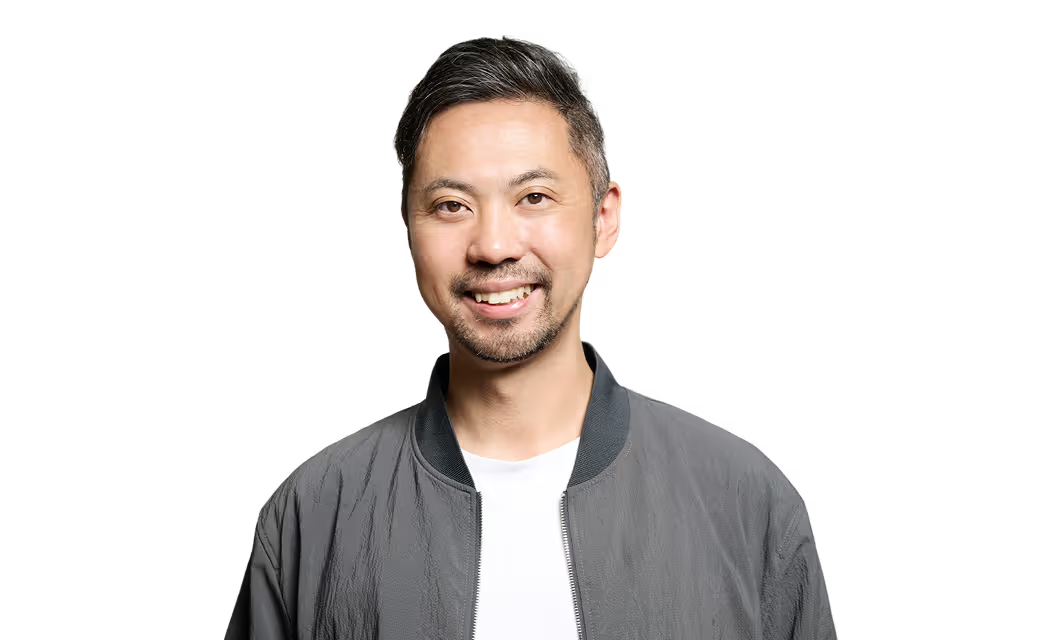
Yasukane Matsumoto and the value of an idle machine
A printing press between jobs. A software account nobody uses. Yasukane Matsumoto has built his career around the things businesses pay for and fail to put to work.
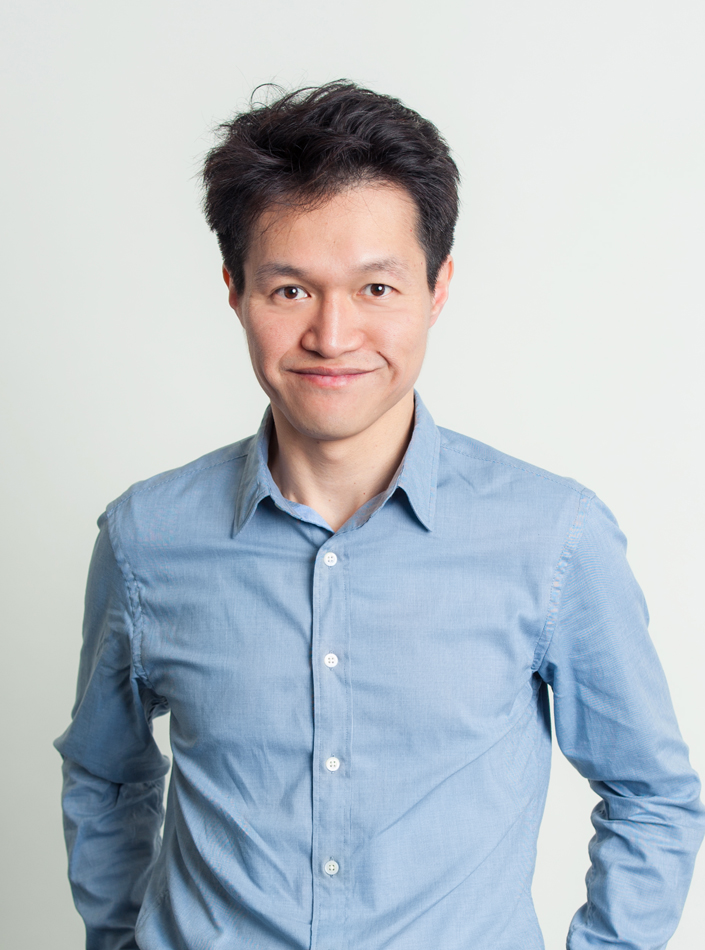
Yuji Ueda and the company built to let people leave
He founded Gaiax at 24 and took it public at 30. Then Yuji Ueda began making room for an unusual kind of growth: employees becoming founders, with the company helping them go.
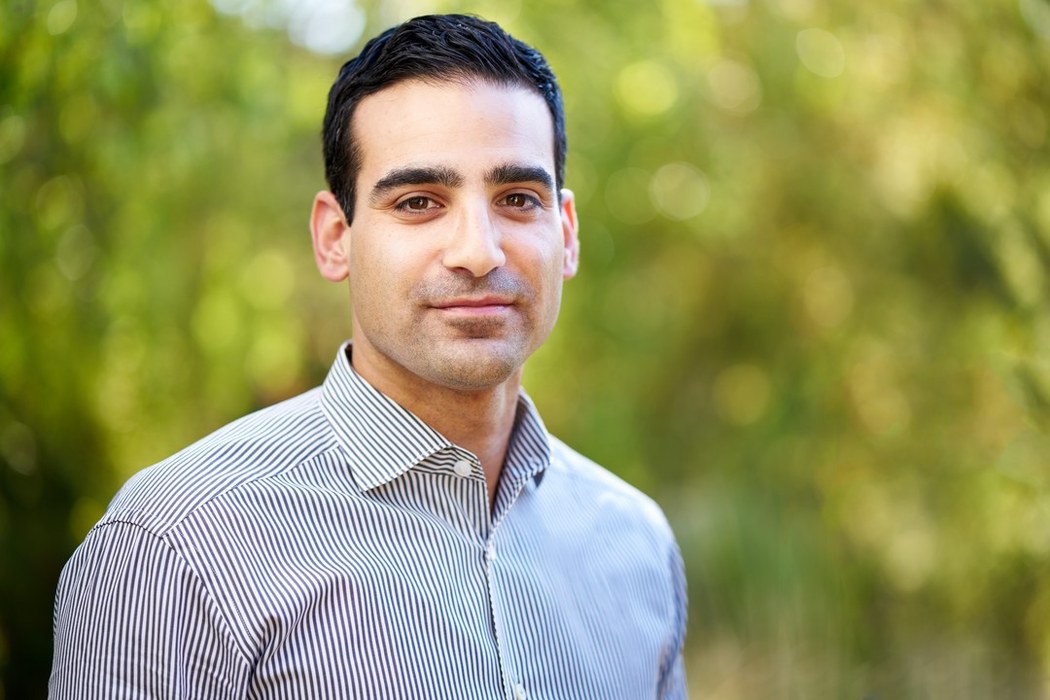
Rony Chammas and the room nobody was using
An empty Manhattan art gallery helped Rony Chammas see a business in the hours between other people’s plans. At Peerspace, he has spent years making those hours easier to book.

The Idea That Waited at the Dock
Getmyboat's founders saw marinas full of unused boats before the sharing economy had a name. A decade of waiting turned that observation into a global marketplace - and, eventually, a merger with its closest American rival.

Gaiax wants its employees to outgrow the company
The Tokyo startup studio lets teams turn their departments into independent businesses. Its next experiment asks what happens when those businesses share more of what they know.

TULU
TULU is a proptech company that turns underused lobby and common space in apartment and student-housing buildings into 24/7 on-demand rental hubs. Through IoT-based units and a mobile app, residents can rent or buy brand-name products - from vacuums and e-scooters to VR headsets and household consumables - without owning them. Founded out of MIT's DesignX by Yishai Lehavi and Yael Shemer, the company pairs physical smart units with an AI layer that personalizes inventory per building, and it has served more than 500,000 residents across dozens of cities in North America and Europe.
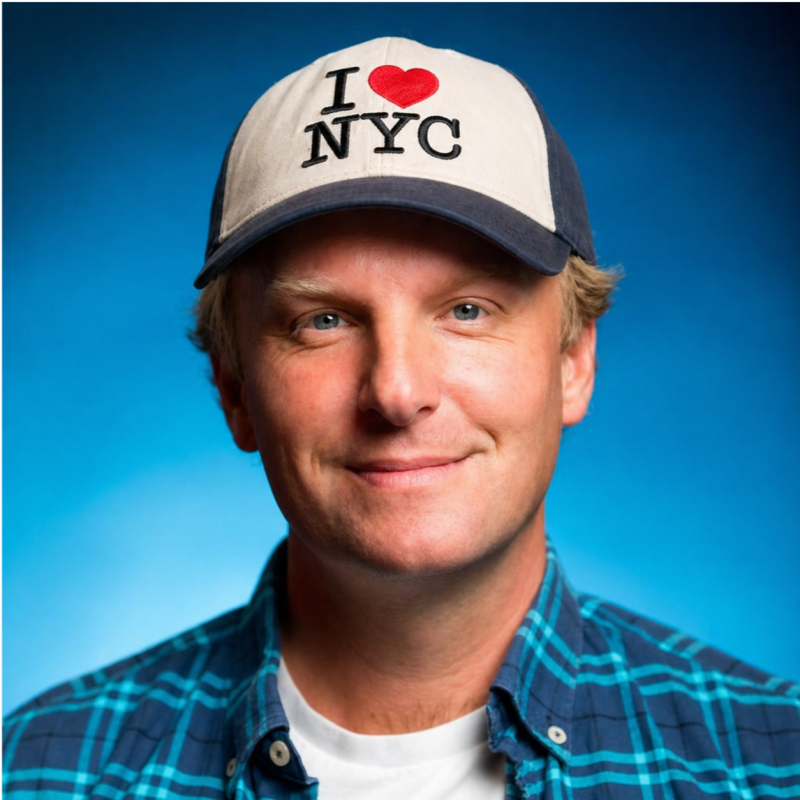
Humphrey Bowles
Humphrey Bowles is the founder and CEO of Truvi (formerly Superhog), a London-based risk management platform for the short-term rental industry. After entering the home-sharing sector in 2011, he identified trust, insurance and safety as the biggest barriers to the growth of peer-to-peer accommodation, and built a group of companies - Guardhog and Superhog/Truvi - to close that gap. Truvi provides guest screening, identity verification, damage protection and deposit services to property managers and hosts, and raised a £5.5m Series A in 2026 led by 6 Degrees Capital and Hambro Perks to expand into the US.

Curtsy
Curtsy is a mobile-first, peer-to-peer resale marketplace where Gen Z and young millennial women buy and sell secondhand clothing, shoes and accessories. Founded in 2016 and originally a dress-rental service, it pivoted to resale and built its edge around making listing fast for casual sellers - using machine learning to suggest prices, fill in item details and estimate shipping weight, backed by human review. Sellers keep more of their money than on rival platforms (a ~19-20% commission), buyers save up to 70% on brands like Lululemon, Free People and SKIMS, and the app carries a 4.8-star rating across tens of thousands of reviews. Curtsy raised an $11M Series A led by Index Ventures in January 2021, part of $14.5M total funding.

EVmatch
EVmatch is a California-based cleantech company that builds software and services to make electric-vehicle charging affordable, shared, and reservable - especially for the hardest places to electrify, like apartment complexes, condos, and commercial properties. Founded out of a UC Santa Barbara master's thesis, the company began as a peer-to-peer marketplace letting home charger owners rent out their stations and has grown into a full EV charging management platform that pairs reservation software, load management, and rebate-navigation services so property owners can deploy charging without straining budgets.

Heather Hochrein
Heather Hochrein is the founder and CEO of EVmatch, a peer-to-peer electric vehicle charging network she likens to Airbnb for chargers. What began as a master's thesis project at UC Santa Barbara's Bren School became a venture aimed at the least glamorous corner of the EV revolution: helping renters and apartment dwellers find a place to plug in. A self-described accidental business owner with roots in energy efficiency and workforce development, she has spent over a decade arguing that the clean energy economy only works if it is also a just and equitable one.

Turo
Turo is the world's largest peer-to-peer car-sharing marketplace, connecting people who want to rent a car with everyday car owners who list their vehicles. Instead of a fleet of identical sedans behind an airport counter, Turo offers roughly 340,000 cars across 1,600 makes and models - from electric Teslas and pickup trucks to convertibles and classic exotics - bookable through an app or website. The platform handles transactions, host protection plans, liability insurance and roadside assistance, letting owners earn income from idle cars and guests find the exact vehicle they want, often delivered to the airport or their door.

Riders Share
Riders Share is the largest peer-to-peer motorcycle rental marketplace in the U.S., connecting motorcycle owners with vetted riders. Founded by Guillermo Cornejo after a costly crash left him unable to afford a new bike, the Austin-based platform turns underused garages full of Harleys, Ducatis and BMWs into income for owners and affordable rides for the 20+ million ex-riders who want to get back on two wheels. It layers machine-learning rider screening, proprietary insurance backed by Lloyd's of London, and roadside assistance on top of a simple Airbnb-for-motorcycles model.

Airbnb
Airbnb is a global travel marketplace that lets hosts rent out homes, rooms, and experiences to guests in more than 220 countries and regions. Born in 2008 from three air mattresses on a San Francisco apartment floor, it turned spare space into a category-defining business, went public in 2020 at roughly a $100 billion valuation, and in 2025 expanded beyond stays into Services and a redesigned Experiences product - positioning itself as an everything app for travel.

Kindred
Kindred is a members-only home-swapping network that turns primary residences into a credit-based travel platform. Founded in 2021 by Opendoor alums Justine Palefsky and Tasneem Amina, the San Francisco company has grown to nearly 300,000 members across 150+ cities and raised $125M in combined Series B/C in February 2026 to scale a 'third way' alternative to hotels and short-term rentals.
Amr Aloufi
Amr Aloufi is a Co-Founder at Beyond (formerly Beyond Pricing), a San Francisco-based SaaS platform that uses AI and dynamic pricing algorithms to maximize revenue for short-term rental property managers and vacation rental hosts worldwide. With roots in Saudi Arabia and a background in business administration and human resources, Aloufi brought operational and business development acumen to a company that has grown to serve 715,000+ listings across 44,000+ cities, raised $46M in funding, and priced over $15 billion in bookings.

Caroline Shin
Caroline Shin is the CEO and co-founder of Vacatia, a San Francisco-based marketplace reinventing the $35 billion timeshare industry. A MIT nuclear engineering graduate who cut her teeth building Hotwire from the ground up and running global CRM at Starwood Hotels, she launched Vacatia in 2013 to apply technology-first thinking to an industry that had barely touched the internet. Under her leadership, Vacatia has raised $46.8M across multiple rounds, acquired several resort management companies, grown to 750+ industry partners, and expanded to manage 4,750 resort units across eight states.

Tasneem Amina
Tasneem Amina is the Co-Founder and President of Kindred, a members-only home-swapping platform that lets people exchange homes without exchanging money. Born in South India and immigrated to the US at 14, she studied Biology at the University of Chicago before pivoting into finance and tech. After stints at Goldman Sachs, Yik Yak, and Stitch Fix, she became a product leader at Opendoor - where she grew a business line from $0 to ~$300M in annual volume. She co-founded Kindred in 2021 with fellow Opendoor alum Justine Palefsky after a week locked in a cabin whiteboarding ideas. Kindred has since grown to 300,000+ members and 300,000+ homes across 150+ cities, raising $148M total with a $125M round in February 2026 led by Index Ventures.
Andre Haddad
Andre Haddad is the CEO and All Star Host of Turo, the world's largest peer-to-peer car-sharing marketplace. A Lebanese-born, HEC Paris-educated entrepreneur who survived Beirut's civil war, co-founded and sold iBazar to eBay for $140 million, and then spent a decade inside eBay before taking the helm of Turo in 2011. Under his leadership, Turo has grown from a niche car-sharing startup into a global platform operating in the US, UK, Canada, France, and Australia, generating nearly $1 billion in annual revenue and empowering hundreds of thousands of hosts worldwide.
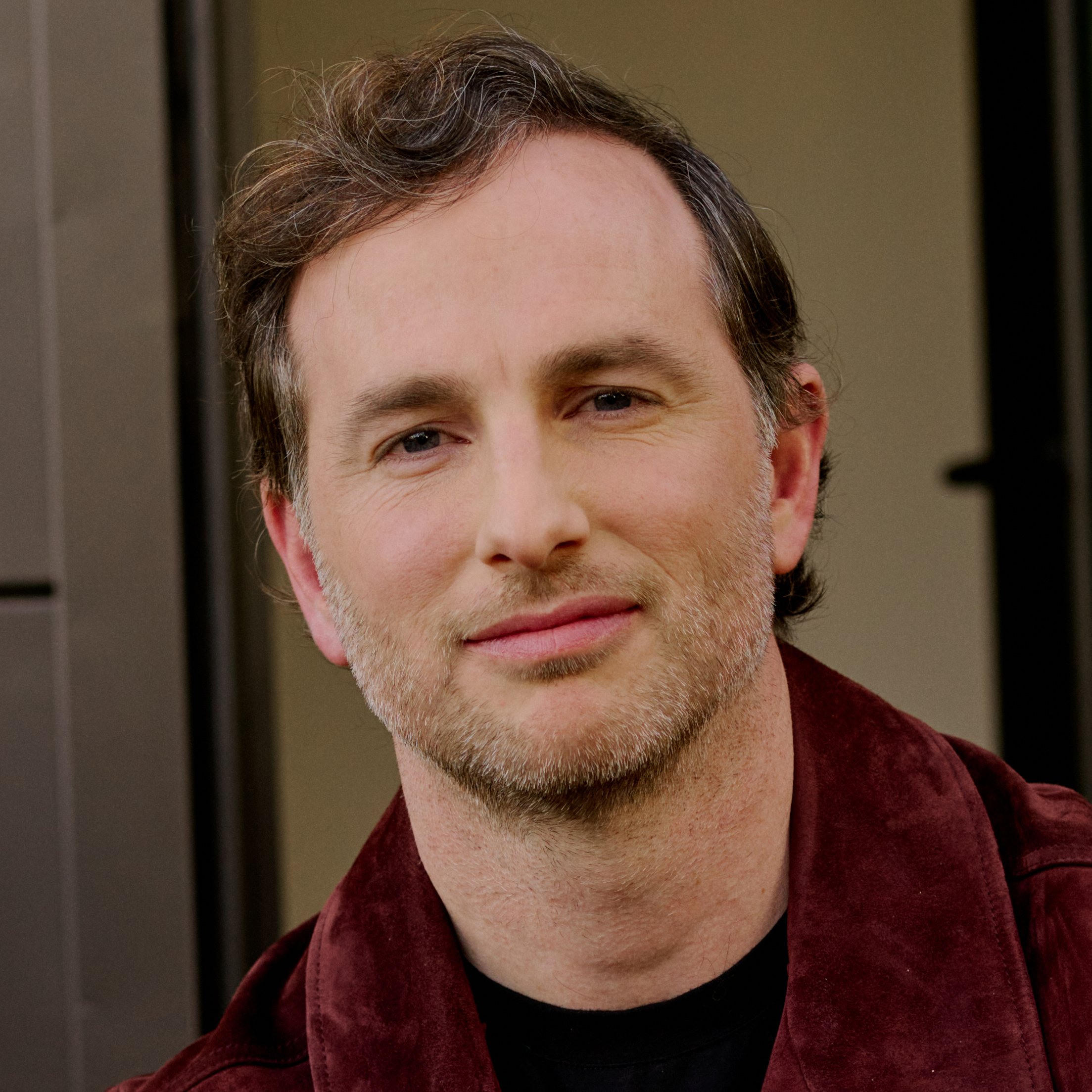
Joe Gebbia
Joe Gebbia is the co-founder of Airbnb and a designer-turned-billionaire who helped reshape how humanity thinks about trust between strangers. He graduated from RISD with dual degrees in graphic and industrial design, then turned air mattresses and a breakfast cereal stunt into a $100 billion company. After stepping back from Airbnb in 2022, he founded Samara - a prefab housing company - and in 2025 became America's first Chief Design Officer under the Trump administration, tasked with redesigning the federal government's 27,000+ websites to feel as intuitive as the Apple Store.
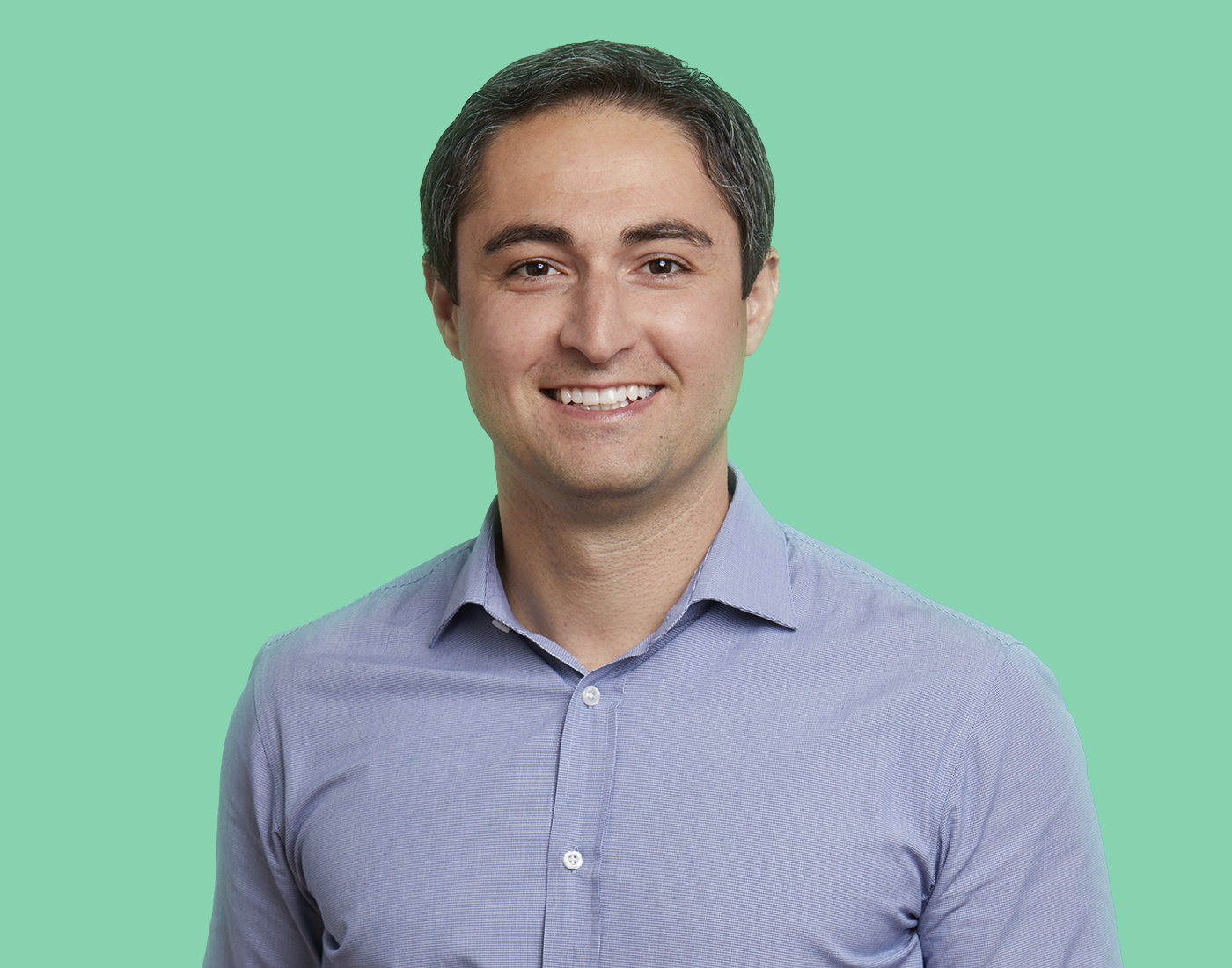
Hrach Simonian
Hrach Simonian is a General Partner at Canaan Partners, one of the oldest venture capital firms in the US, where he has spent nearly two decades rising from investment analyst to leading the firm's West Coast technology practice. A UCLA and Michigan-trained electrical engineer who detoured through laser physics research at Northrop Grumman before pivoting to VC via Stanford GSB, Simonian is best known for writing one of the first institutional checks into Instacart when the company was just five weeks old in 2012 - a bet that returned billions. His current portfolio spans industrial AI, autonomous robotics, advanced manufacturing software, and battery safety tech, reflecting a full-circle return to his engineering roots.
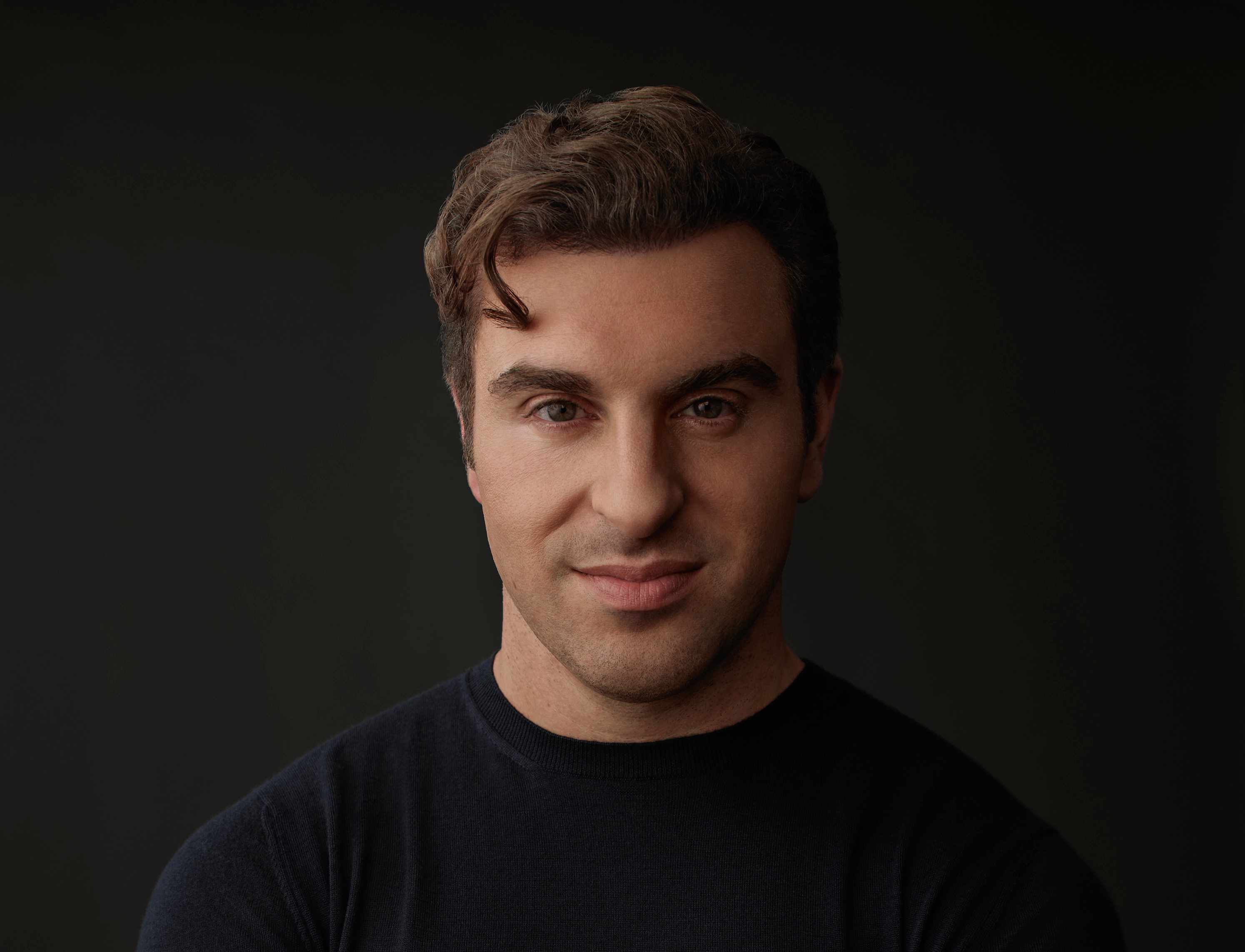
Brian Chesky
Brian Chesky is the co-founder and CEO of Airbnb, the global home-sharing and travel marketplace operating in 220+ countries. A Rhode Island School of Design-trained industrial designer, Chesky built Airbnb from a $80/night air mattress rental in his San Francisco apartment into a company that went public in December 2020 at an ~$86.5 billion market cap — just nine months after losing 80% of its business to COVID-19. In 2024, his hands-on leadership philosophy sparked a viral debate in Silicon Valley under the term 'founder mode,' coined by Y Combinator's Paul Graham after a Chesky talk. As of 2025, he is steering Airbnb's boldest pivot yet: from a home-rental platform to a full-service travel ecosystem.