thiel-fellow
(48)
Christian Owens and the value of the boring bits
He learned to sell software before he finished school. After building Paddle around the chores developers wanted to escape, Christian Owens is starting again with Clove - and another profession buried in paperwork.
Paul Gu and the price of a future
He left Yale with a question about how to finance human potential. Fourteen years after co-founding Upstart, Paul Gu is now its CEO, still working out what a lender should see when it looks at a person.
Adam Guild and the Value of Being Useful
He learned to find customers in Minecraft, then put those skills to work for his mother’s dog-grooming shop. The Owner.com co-founder has been following that same problem ever since: how a small business gets a fair chance online.
Julián Ríos Cantú and the art of changing his mind
He started a company at 16. Two pivots, a Thiel Fellowship and a move into Brazil later, Eden’s co-founder is still revising the route.
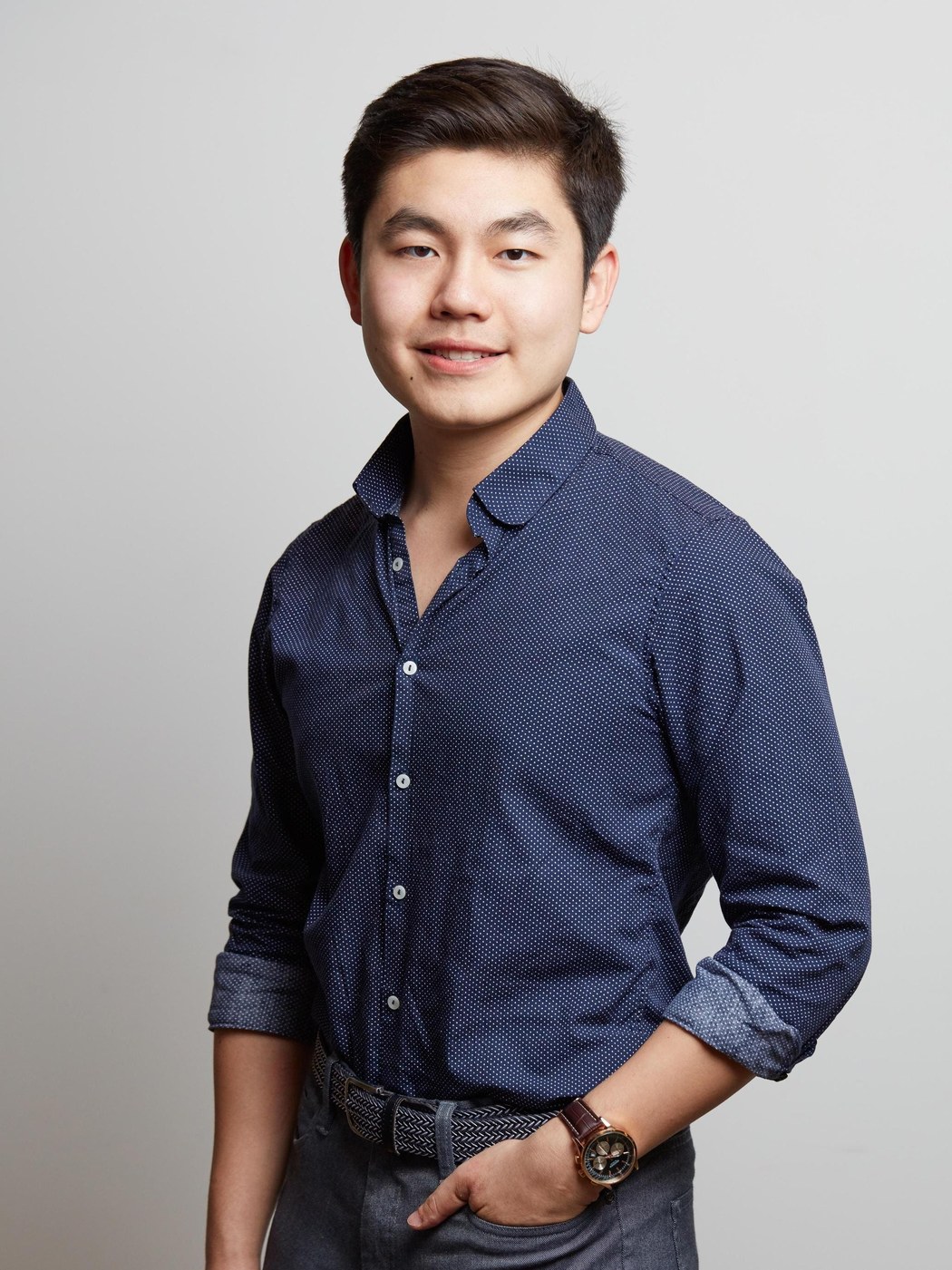
Kevin Wang and the small print inside your software
Before FOSSA, Kevin Wang made software licenses readable. Now its founder and chairman wants to make the work of maintaining borrowed code easier to finish.
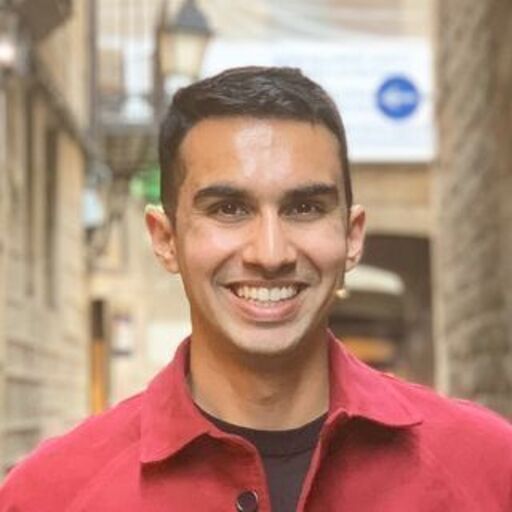
Rory O’Reilly and the price of “I’ll do it later”
A customer’s reluctance to update a saved card changed Rory O’Reilly’s business. The Knot co-founder’s route runs through animated GIFs, a family partnership and the small chores that keep money in familiar places.
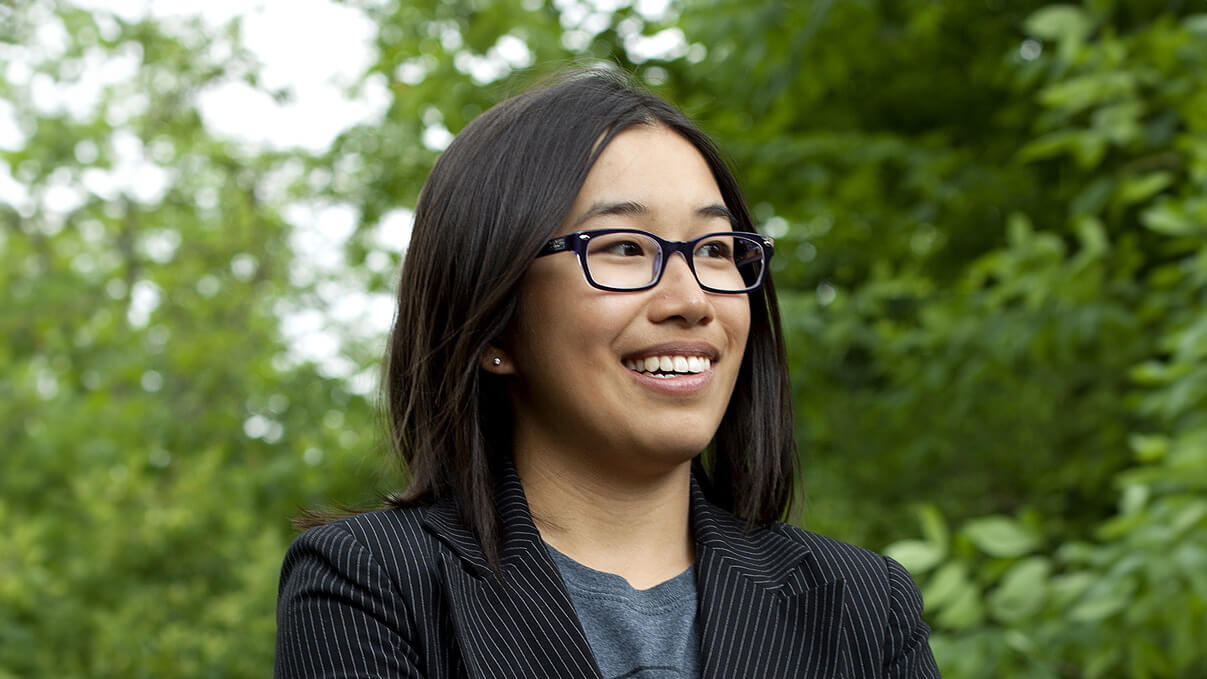
Eden Full Goh and the work software leaves behind
A solar tracker, a rowing shell, and a robot with a touchscreen to tap. Eden Full Goh’s career follows the small physical tasks that ambitious ideas still need someone to do.
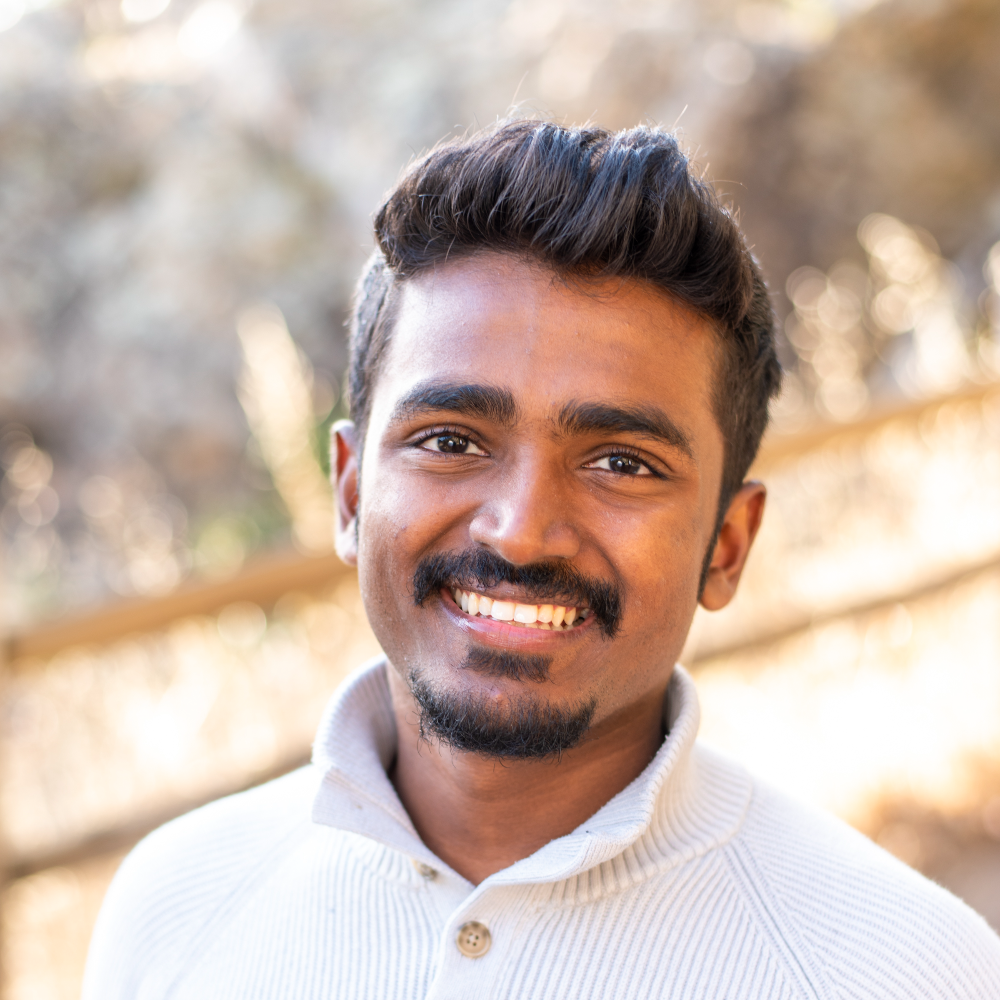
Kesava Kirupa Dinakaran and the education of a restless cuber
Before he co-founded Luminai, Kesava Kirupa Dinakaran solved 290 cubes in an hour, cycled the Silk Road and paid his bills with hackathon winnings. His route into business began with a much smaller discovery: a puzzle could introduce him to people he had never imagined meeting.
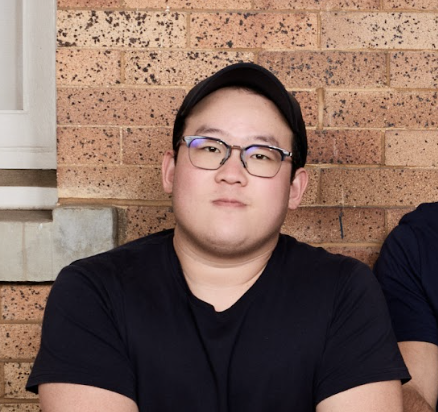
Ian Lee and the art of leaving early
Three months at university. Nearly four years as CEO. From Examedi to Nexor, Ian Lee keeps confronting the same question: when should a builder move on?

Sara Du and the trouble with the room
She left Harvard, cofounded Alloy Automation, and learned that building a company could also reveal the work she wanted to do next. At Ando, Sara Du is redesigning the place where people and AI agents meet.
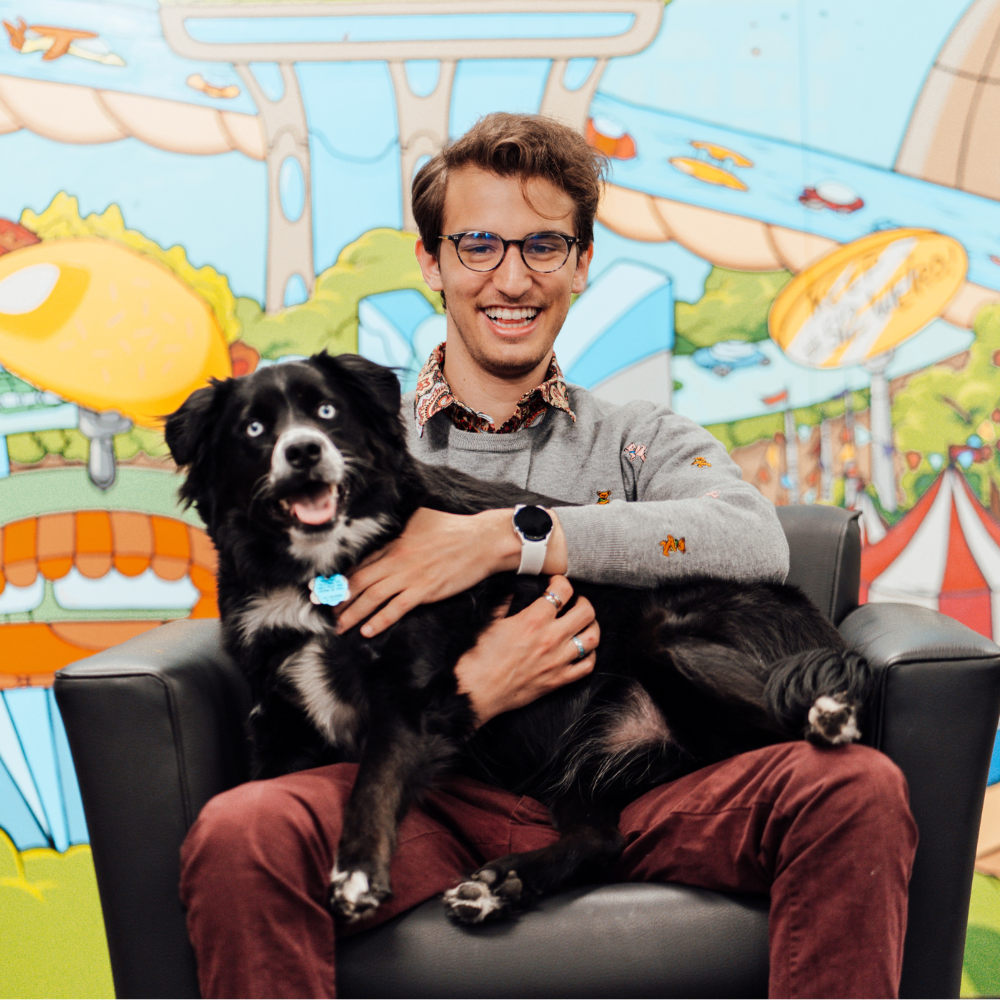
Micah Estis Green and the homework that refused to end
A housekeeping assignment at Cornell sent Micah Estis Green into the robotics business. A decade later, the Tailos founder is still working through the consequences, one hotel floor at a time.
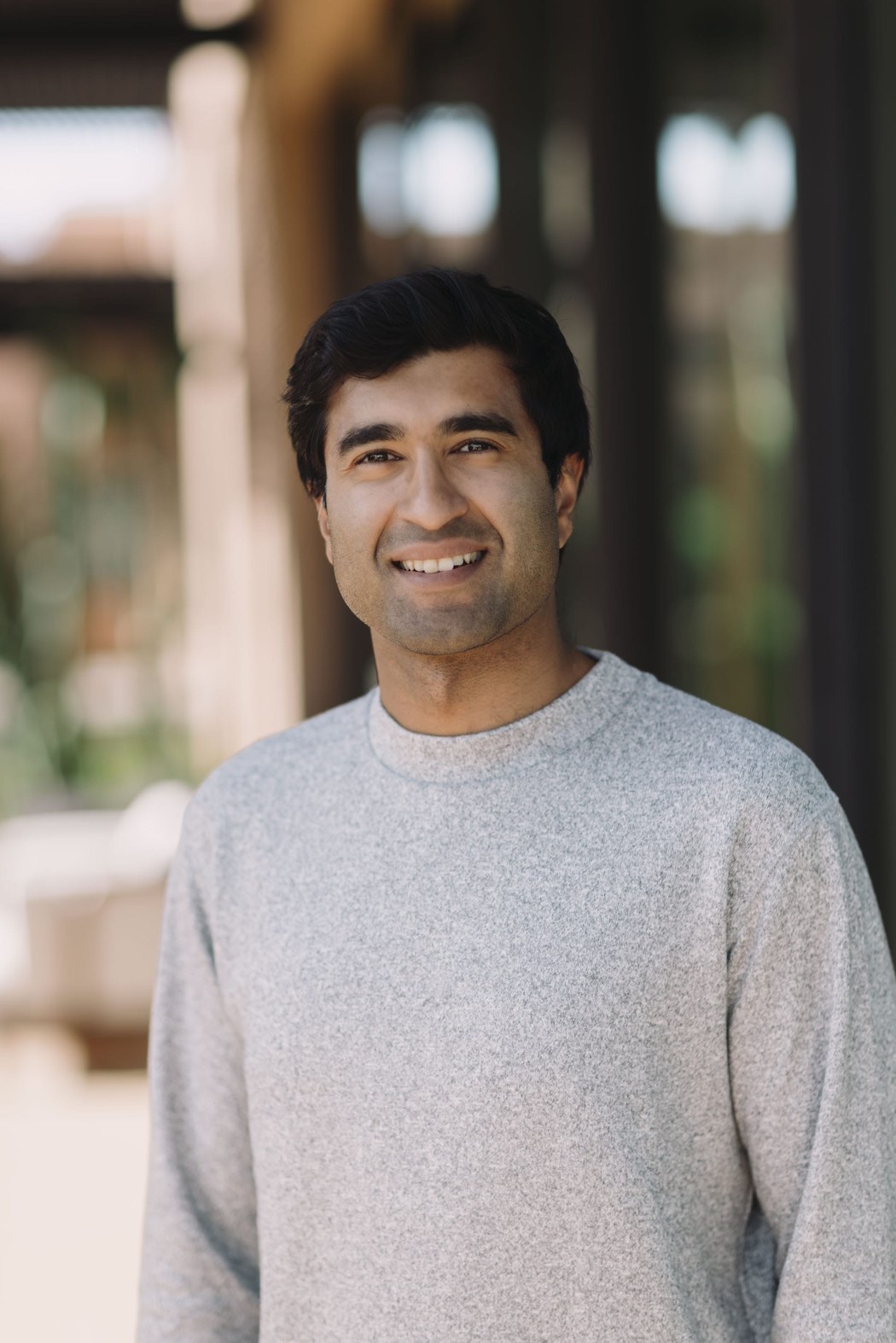
Sujay Tyle and the business of getting ahead of himself
He entered Harvard at 15, left for a Thiel Fellowship, and built marketplaces across emerging economies. At Merama, the next chapter is about financing inventory, backing founders and giving a smaller group of brands more attention.
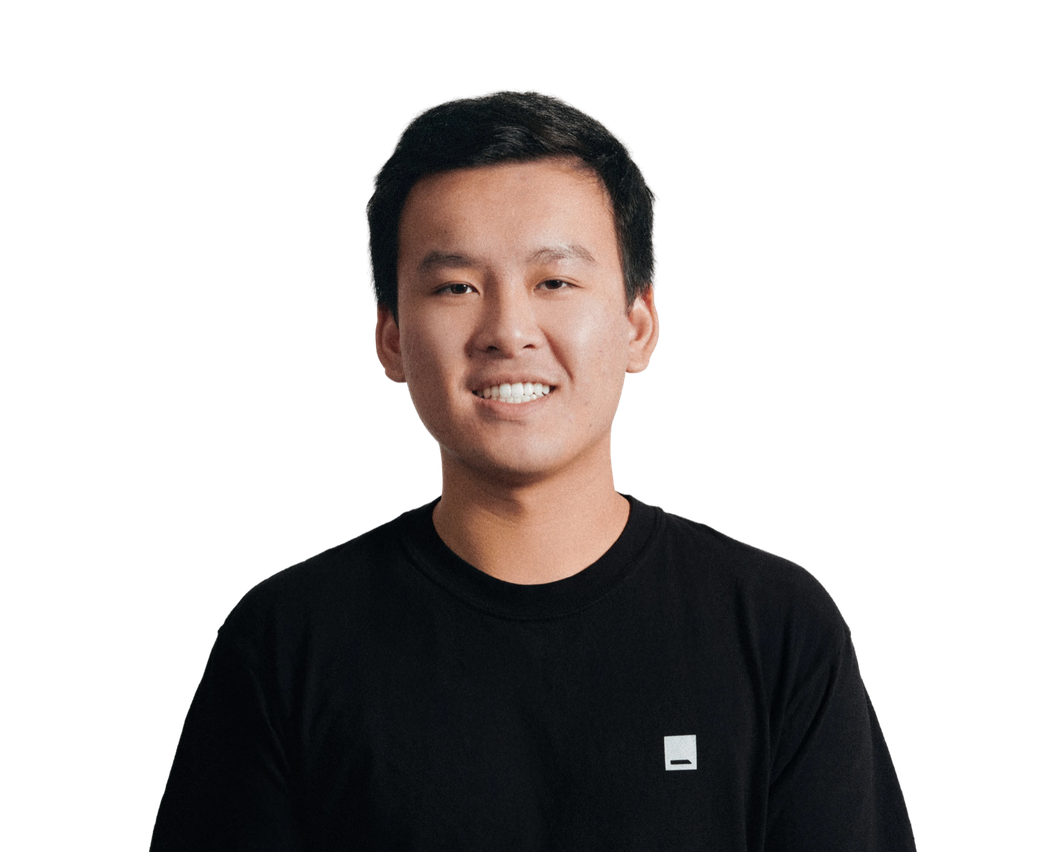
Chris Zhu Put a Mathematical Bet on a Factory Floor
A high-school combinatorics paper led Chris Zhu to Harvard. A LaTeX file and a wager on transformer inference took him to Silicon Valley - and, eventually, to a rack running in Jane Street’s data center.
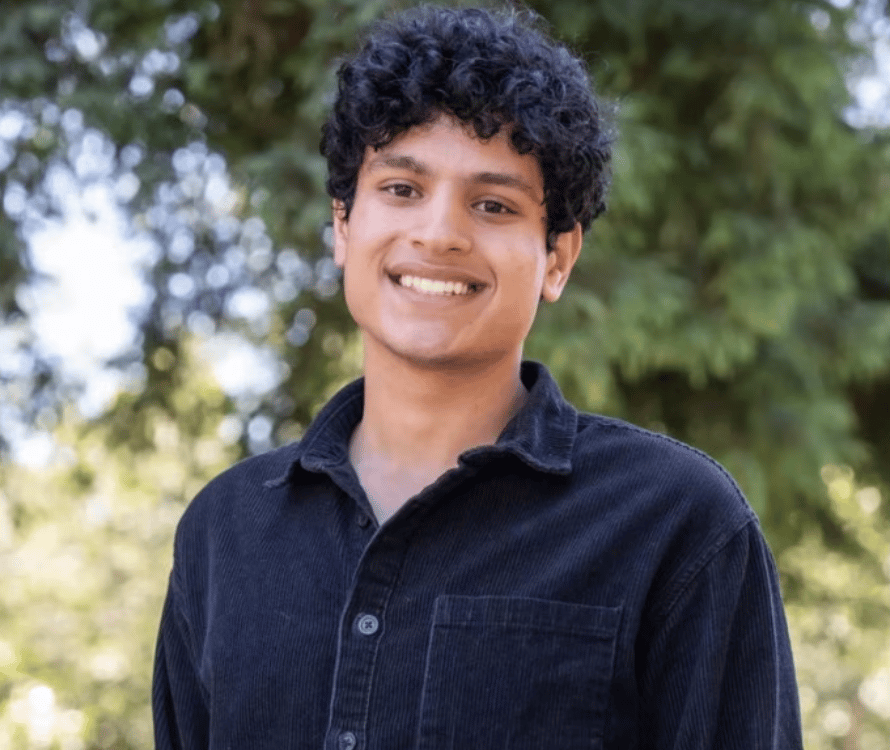
The Quiet Debater Who Built a Business Around Judgment
A quiet debate student became the engineer behind Mercor’s effort to find the people who can teach AI what expertise looks like. Now, as co-CEO, Adarsh Hiremath is trying to make that judgment work at a remarkable scale.
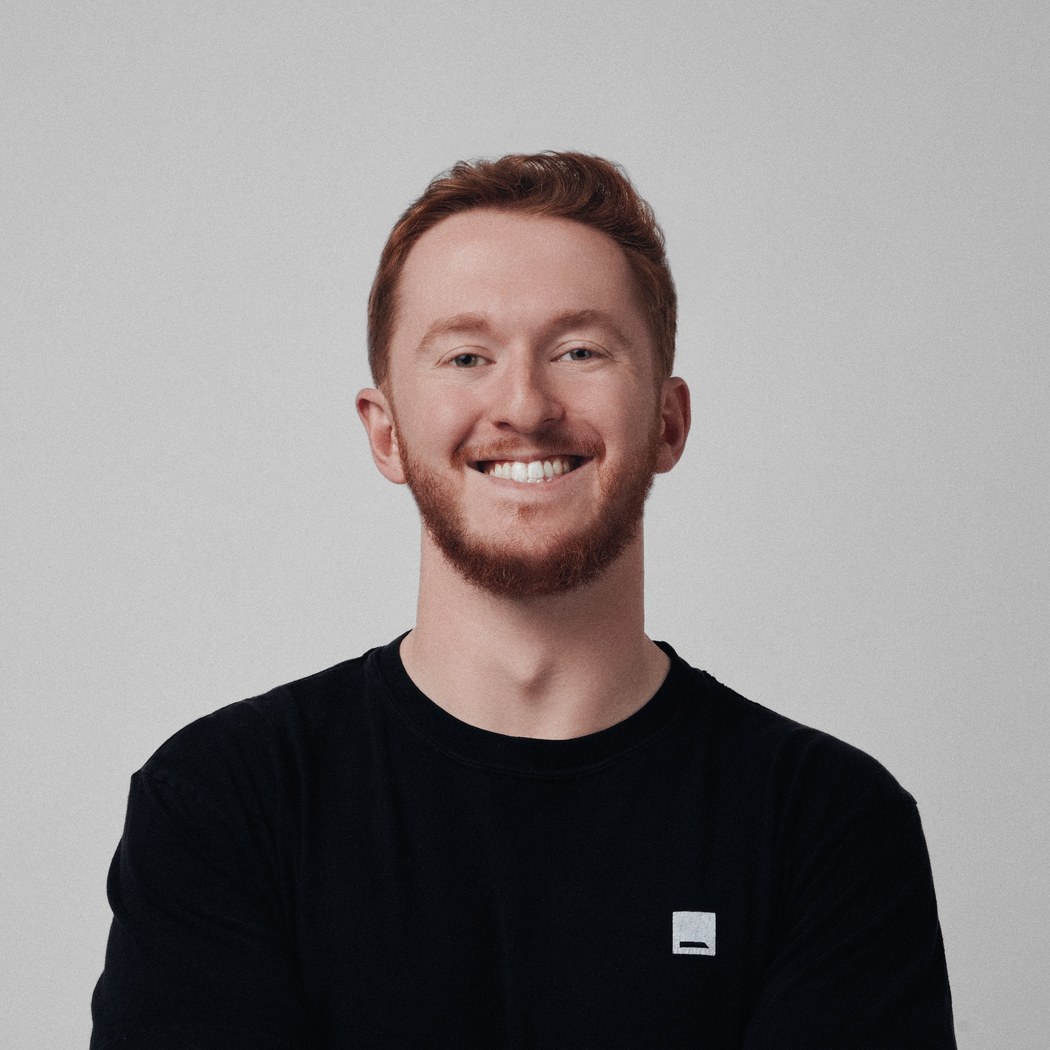
Robert Wachen and the Art of Building What Others Dismiss
Before Etched shipped an AI inference rack, its co-founder helped deliver birthday cakes, built student startups, and slept on a floor in the Bay Area. His latest project has a larger delivery route.
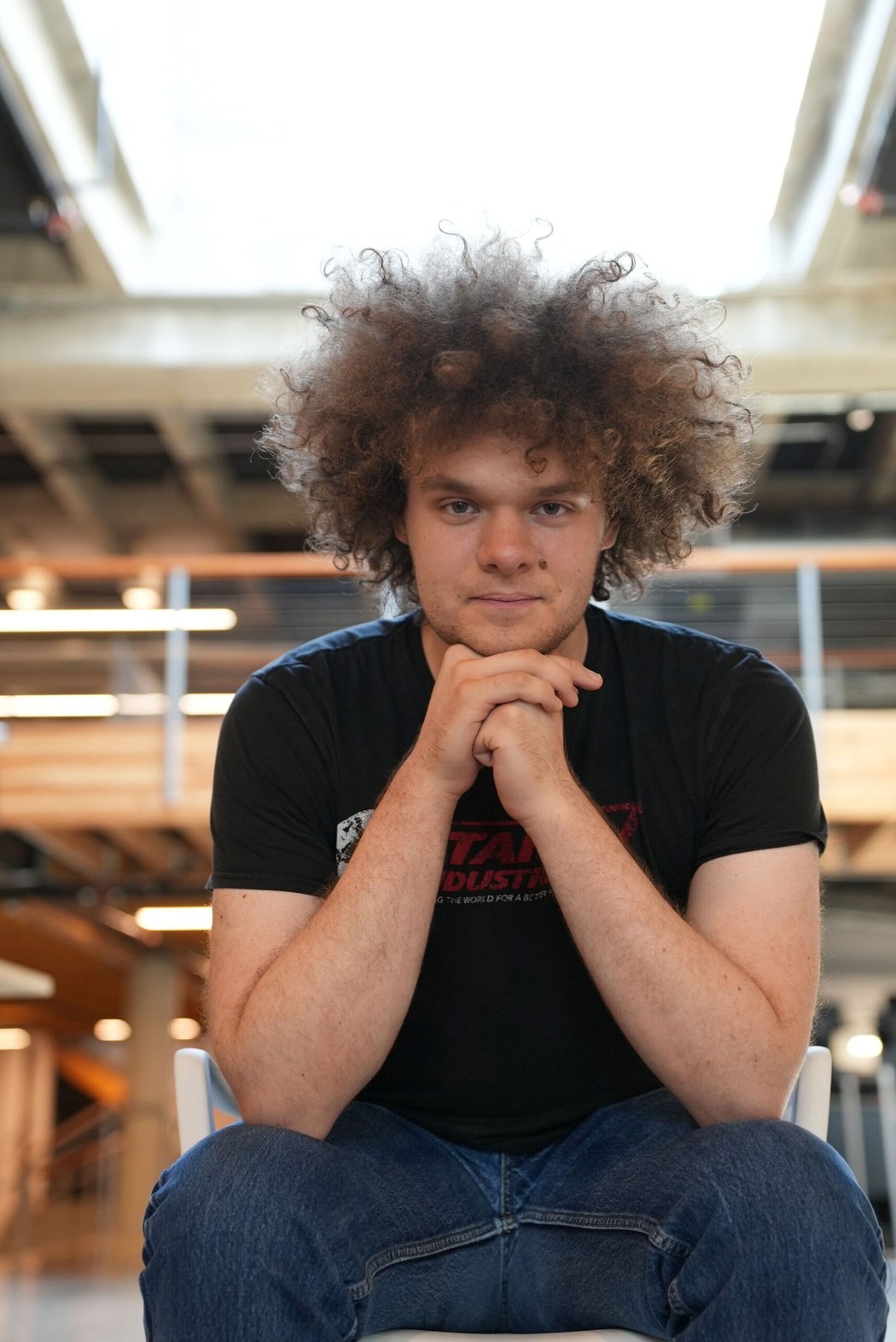
Blake Resnick and the Seventy-Second City
He began by building a machine that could enter a room too dangerous for a person. Now the BRINC founder wants to compress emergency response from minutes into seconds - and make judgment, not speed, the technology's hardest problem.
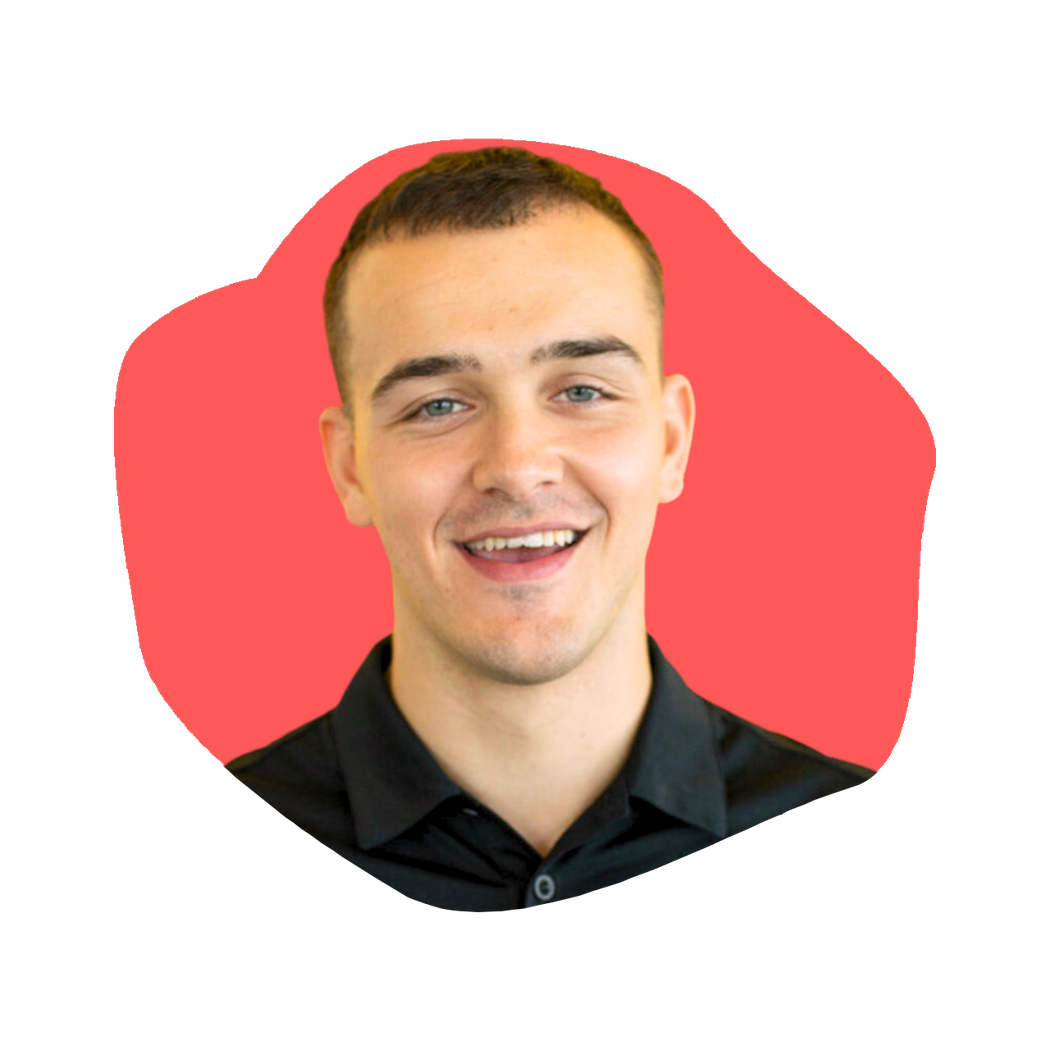
Jordan DeCicco and the Second Shift at Super Coffee
A college point guard solved an 8 a.m. problem with a dorm-room blender. A decade later, Jordan DeCicco is back at the controls, learning that the harder trick is not starting a company - it is teaching one to endure.
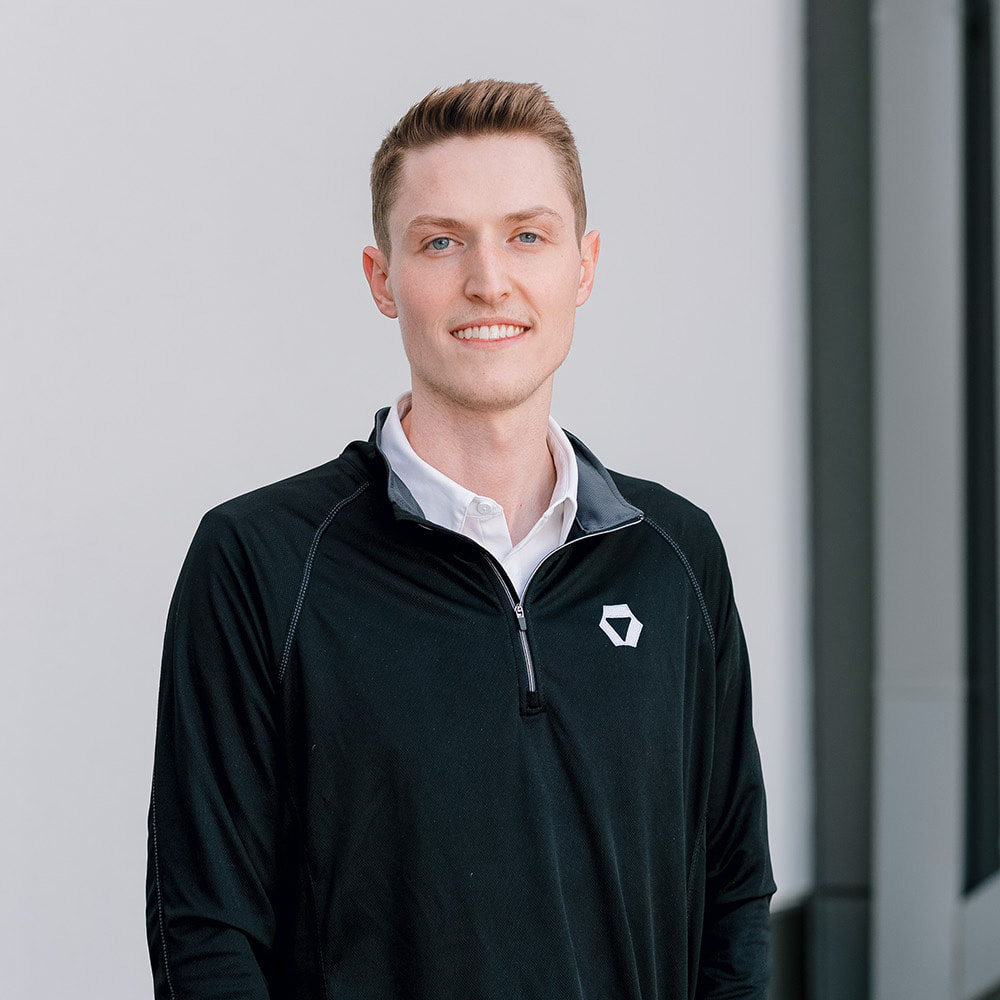
The Christmas Presents That Became a $3 Billion Bet
Sean Henry started selling online before he was old enough to drive. Two decades later, his obsession with what happens after the click has turned Stord into a $3 billion experiment in making independent commerce move like the giants.

Lucy Guo and the Expensive Art of Leaving Early
She left college, then left the company that made her fortune. Lucy Guo's career is a study in knowing when ownership matters more than presence - and when the next room looks more interesting than the last.
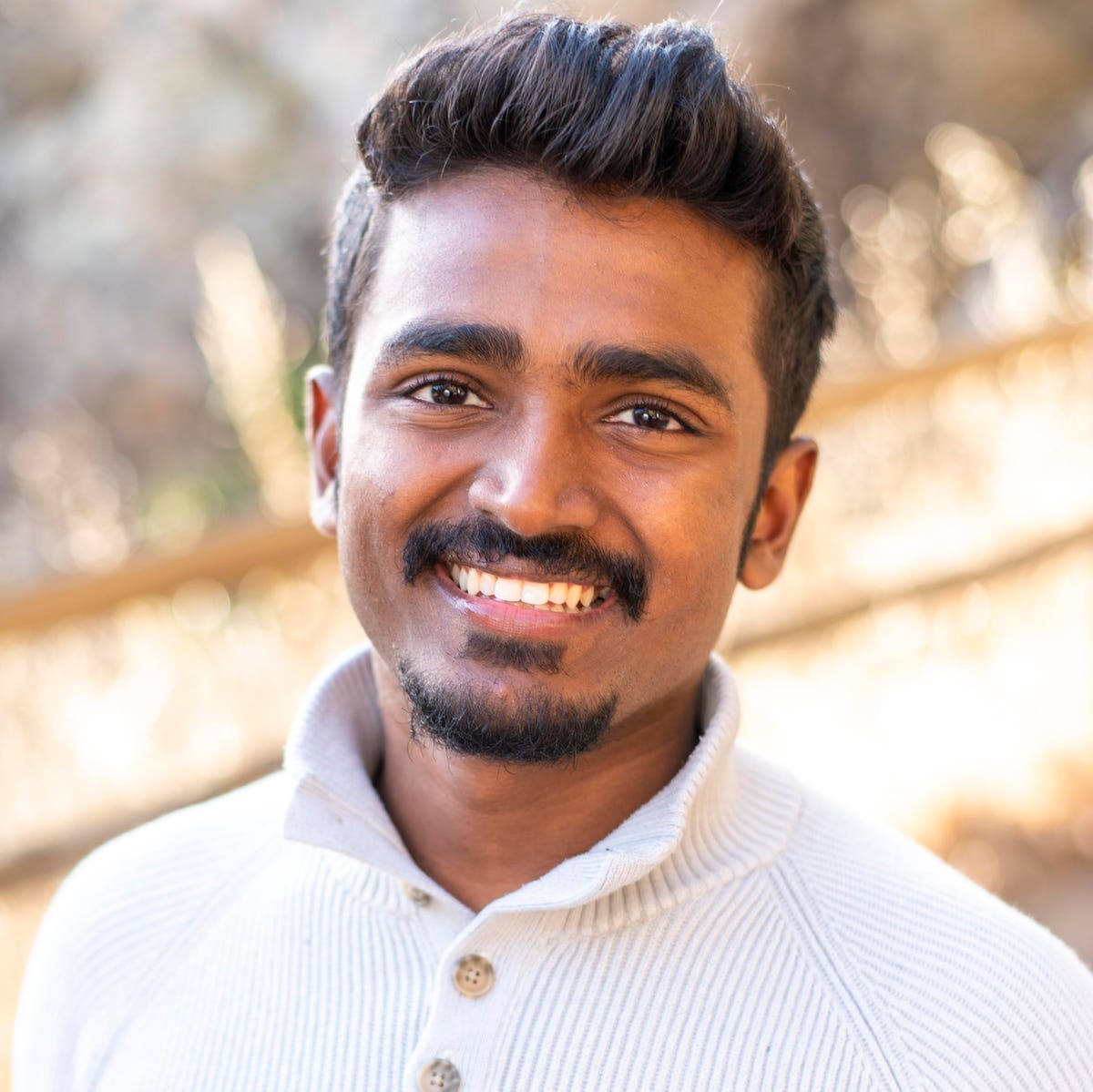
Kesava Dinakaran Solved 290 Cubes. Then He Took On a Bigger Puzzle
A cube record, 4,000 kilometers by bicycle and more than 100 unanswered investor emails taught Luminai's founder the same lesson: complicated systems yield to patient, repeatable moves.

James Kawas Keeps Finding the Work Inside Other People’s Closets
Before Flyp became a toolkit for thousands of resellers, Kawas learned the secondhand trade by trying to sell a PlayStation 3, skipping class to send business emails and building a marketplace in two days.
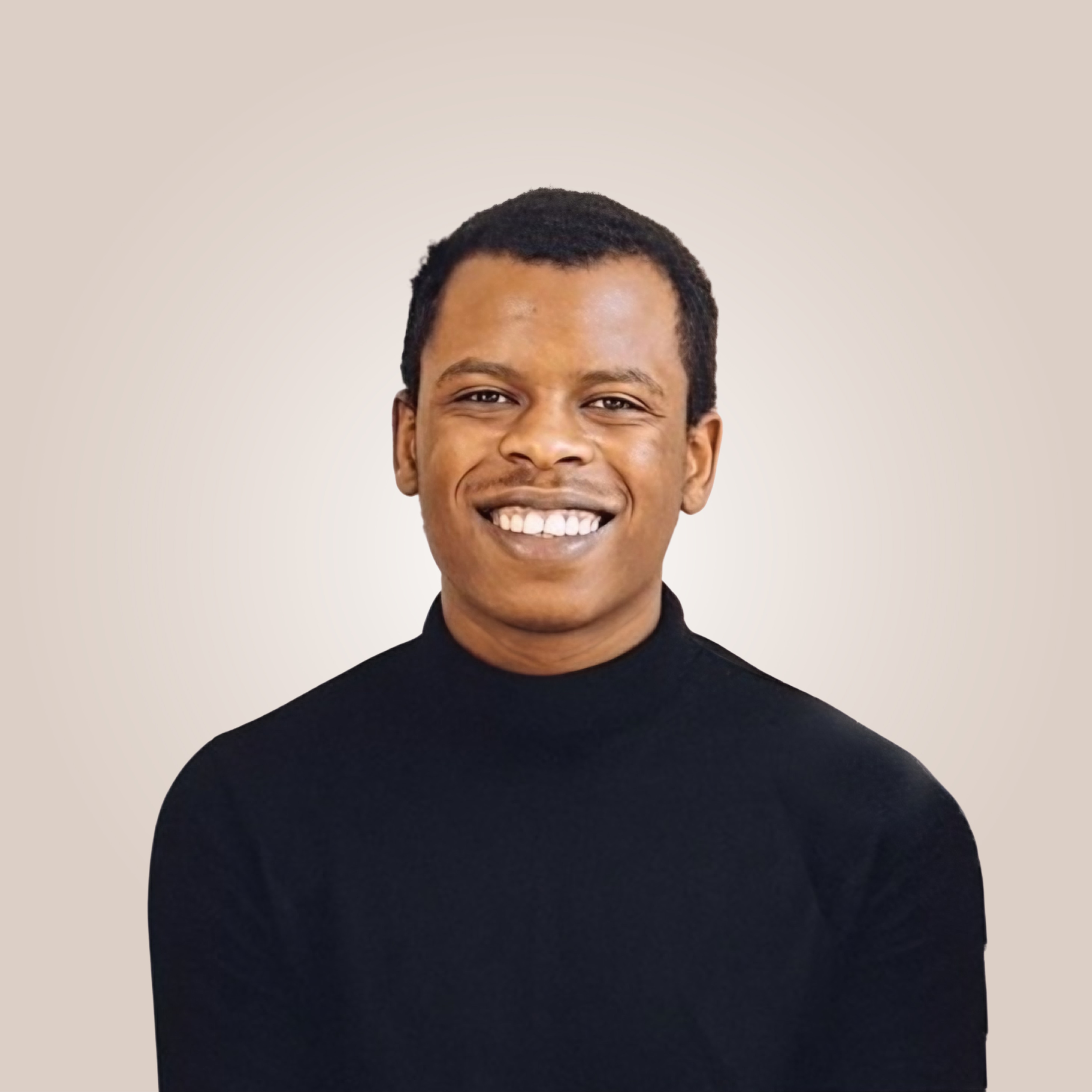
Joseph Kitonga Put a Healthcare Idea in a Mall Kiosk - Then Took It Nationwide
A family business exposed the gap. A $10,000 student prize funded the first attempt. Joseph Kitonga built Vitable by meeting workers face to face, then kept widening the map.
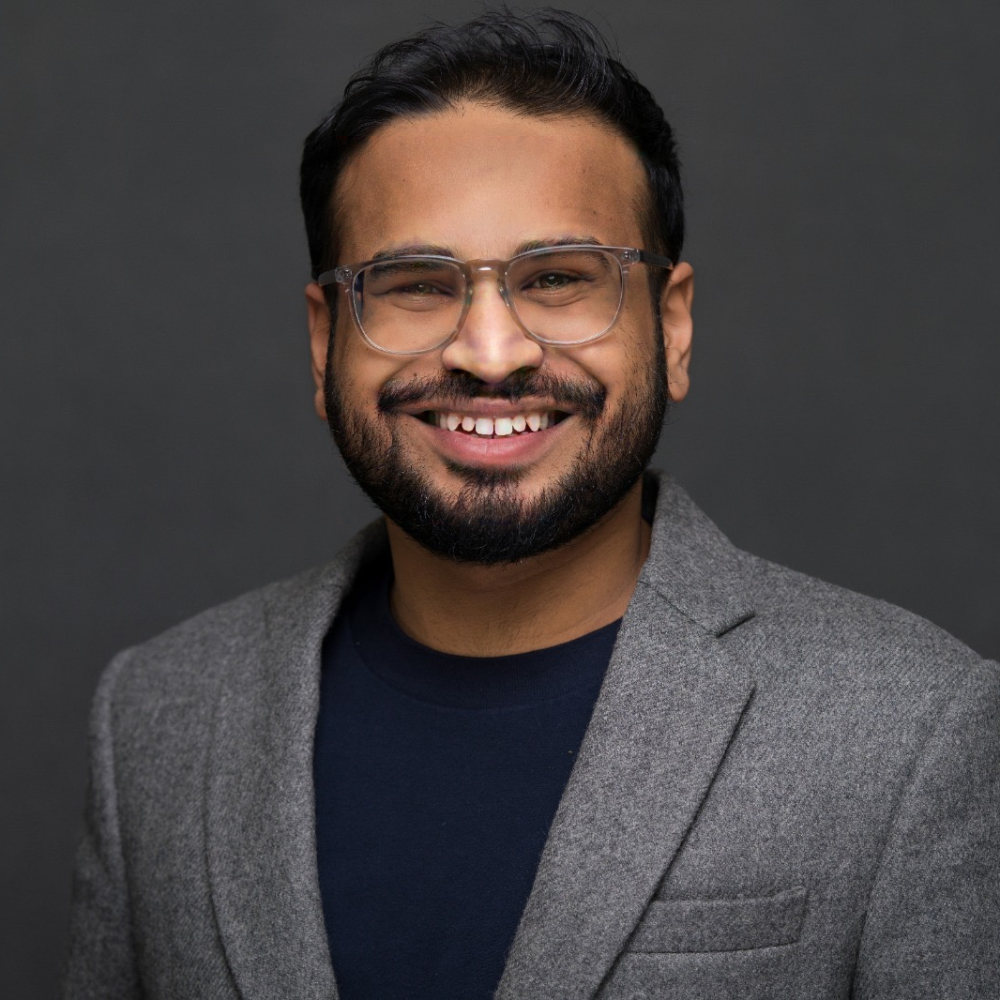
Kaushik Tiwari Is Turning a Failure Resume Into a Venture Studio
After GlucoIQ, TrueDime and Better Financial, the Columbia graduate and Thiel Fellow stopped treating each startup as a solitary bet. At Attack Capital, he is testing whether one shared system can turn hard-earned lessons into a portfolio of vertical AI companies.
Flex
Flex is an AI-native private banking platform for high-net-worth, middle-market business owners. It bundles credit, business and personal banking, payments, AP automation, expense management, and ERP-style tooling into a single super app aimed at owner-operators of $3M-$100M revenue companies.
Attack Capital
Attack Capital is a New York based, Y Combinator alumni founded AI venture studio and seed-stage fund. It builds vertical AI companies from scratch on a 30-day build cycle - spinning out products like OpenMic (AI phone agents), PowerDialer, and HealOS - while also giving accredited investors direct, diversified access to vetted YC startups. Founded by Thiel Fellow Kaushik Tiwari and Saumik Tiwari, it pairs a company factory with a fund.
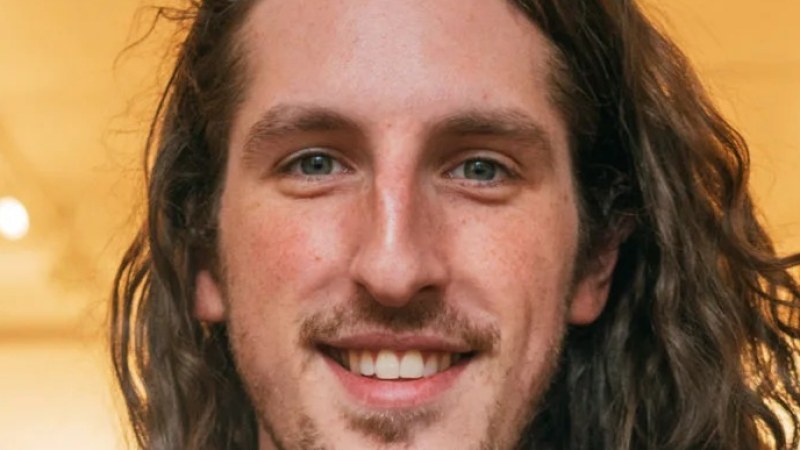
Spencer Hewett
Spencer Hewett is the founder and CEO of RADAR, a New York retail-technology company that wires store ceilings with RFID and computer-vision sensors to locate inventory in real time. He dropped out of Washington University in St. Louis to take the Thiel Fellowship in 2012, spent years building and rebuilding the idea, and has since taken RADAR through Old Navy and American Eagle rollouts to a $1 billion valuation on a $170 million Series B closed in May 2026.

Pareto.AI
Pareto.AI is a San Francisco-based, talent-first human data platform that connects AI labs with a deeply vetted network of expert labelers to produce premium training data, RLHF, and evaluation signals. Founded by Thiel Fellow Phoebe Yao, the company started as a bootcamp for women and work-from-home mothers, pivoted into AI data labeling in 2023, and now positions itself as the 'verification layer' for reinforcement learning on real-world expertise, turning specialist judgment into durable reward signals under the banner 'Expert data for AGI.'
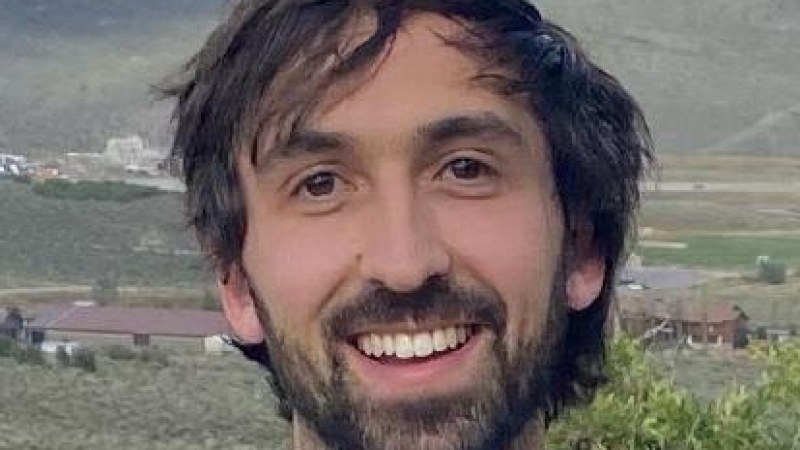
Charlie Stigler
Charlie Stigler is the co-founder and CEO of Tenor, a San Francisco startup building voice-AI role-play simulations that let managers rehearse hard conversations and get instant feedback. He first made his mark at 16 by writing SelfControl, one of the earliest open-source distraction blockers for the Mac, downloaded by millions. He dropped out of Columbia to become a 2012 Thiel Fellow, founded the video-learning company Zaption (acquired by Workday in 2016), led engineering teams at Workday, and landed on Forbes' 30 Under 30 in 2016. Off the clock he is a steel sculptor with the Flaming Lotus Girls, a competitive punner, and a songwriter.
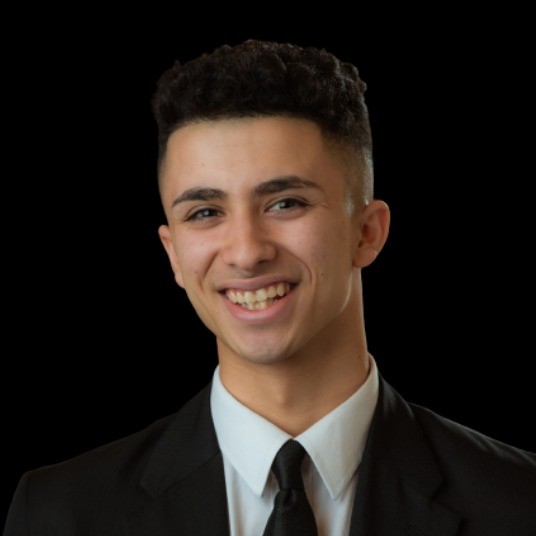
Jacob Rodriguez
Jacob Rodriguez is the founder and CEO of Oligo Space, a Hawthorne, California aerospace startup automating the design and manufacturing of large multi-orbit satellites. A first-generation college student who won a full scholarship to MIT and interned at NASA's Jet Propulsion Laboratory, he left school early as a 2024 Thiel Fellow to build a manufacturing-in-the-loop foundation model for spacecraft production. Oligo plans to fly its first satellite, Chimera-1, on SpaceX's Transporter-15 mission in 2026.
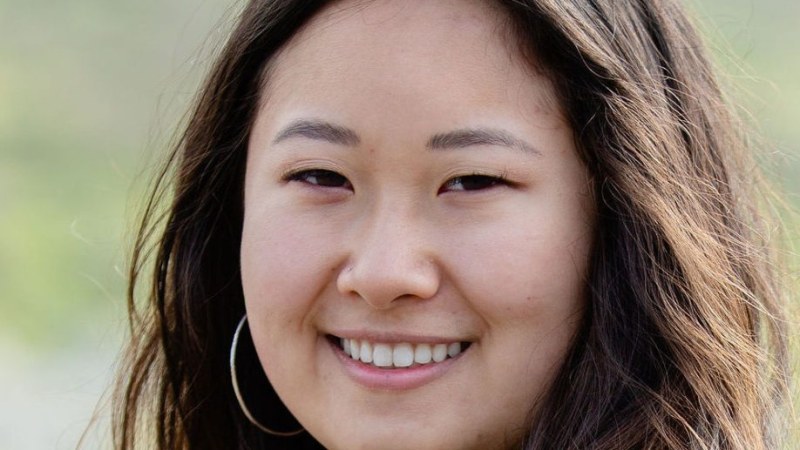
Phoebe Yao
Phoebe Yao is the founder and CEO of Pareto.AI, a talent-first human data platform that recruits and trains the top sliver of expert labelers to produce high-quality training data for the world's leading AI labs. A Chinese-American immigrant, classical violist, 2020 Thiel Fellow and Forbes 30 Under 30 honoree, she dropped out of Stanford during the pandemic to build what began as a bootcamp training women as remote virtual assistants and pivoted in 2023 into the human-data backbone for AI research. Her companies have worked with the likes of Character.AI and Imbue and researchers at Stanford and UPenn, all anchored by a single conviction: the humans behind AI deserve to be treated as experts, not anonymous clickworkers.