industrial-design
(55)
Abigail Kiefer and the art of making room
She helped turn a San Francisco intersection into a place to gather, then built a business connecting designers with retailers. At Airbnb, Abigail Kiefer is still working on how people, places and technology get along.
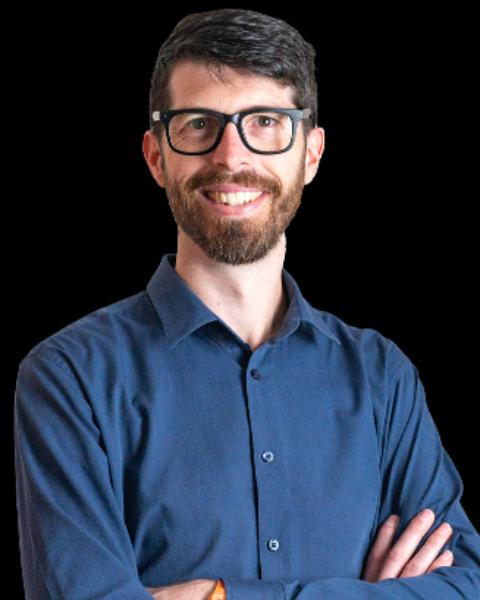
David Moodie and the trouble with a convincing imitation
A product designer needed metal prototypes that behaved like the finished thing. His search for an answer took him from backyard microwave experiments in New Zealand to building a casting business in Austin.
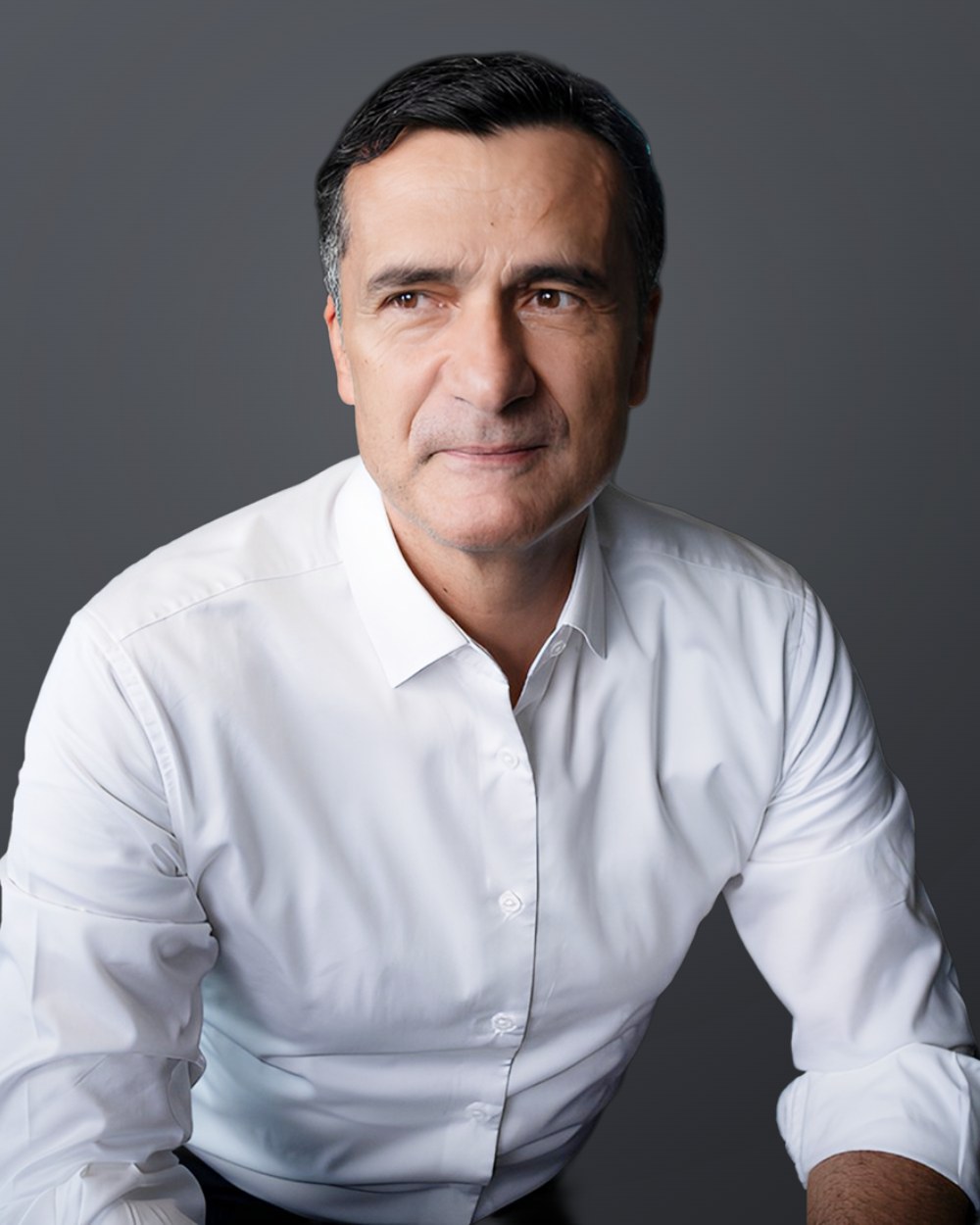
Akif Ekin and the city that wouldn't sit still
Before he put intelligence into a police-car lightbar, Akif Ekin studied spacecraft and designed lamps. His route from Denizli to Stuttgart to Istanbul helps explain a career spent moving technology out into the street.
fuseproject changes the question
A television that hangs like art. A chair borrowed from a bridge. Inside the design studio that keeps asking whether the brief was wrong in the first place.
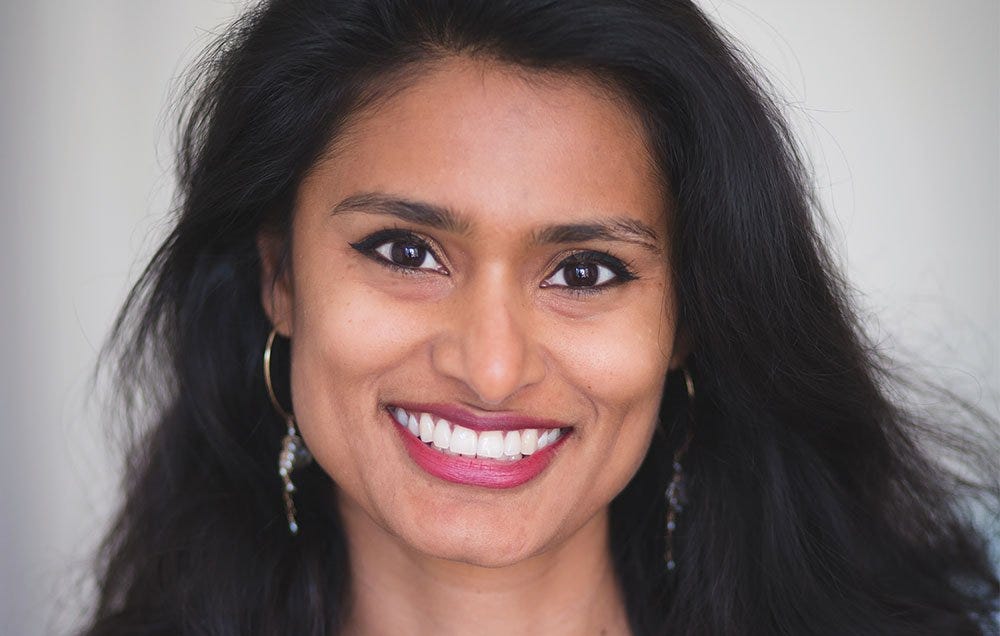
Aashi Vel and the dinner on the other side of the window
A kitchen glimpsed in Mexico gave Aashi Vel an idea. With Traveling Spoon, the industrial designer turned founder has spent more than a decade helping travelers get invited inside.
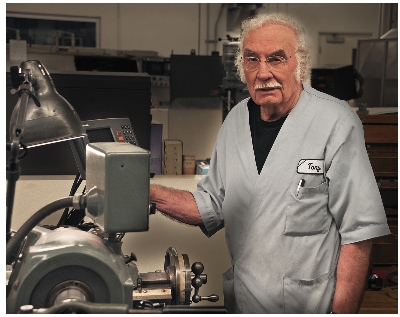
Anthony Maglica and the $125 question
Before the Maglite, there was a lathe he could barely afford. Anthony Maglica spent the next seven decades working out what he could make with it - and where he believed it ought to be made.
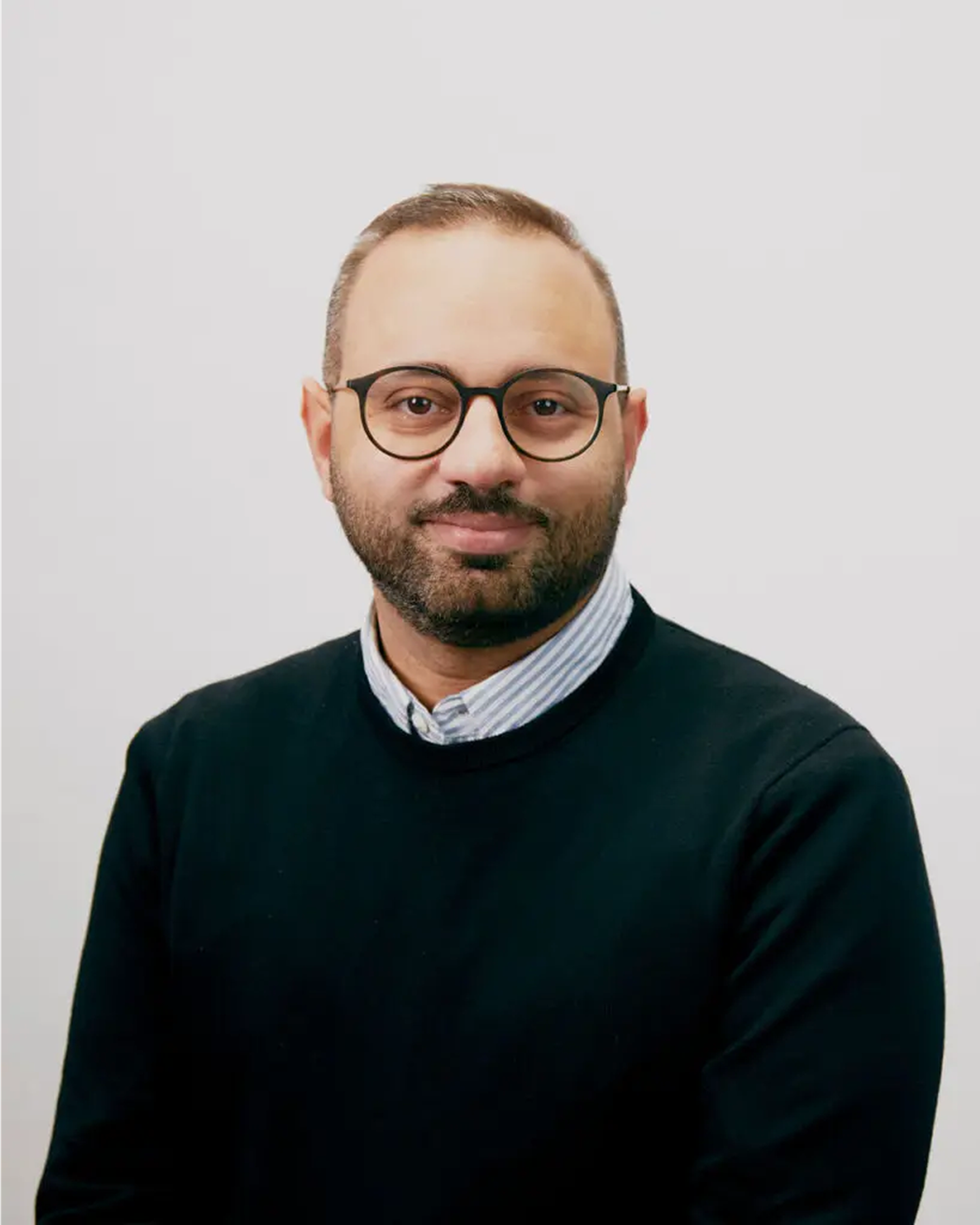
Mostafa ElSayed and the problem between the machines
He left architecture to build a robot arm. Running Automata taught Mostafa ElSayed to look beyond the machine - at the people, spaces and unfinished work around it.
Marc Tappeiner and the Art of Leaving Things Out
Before founding Lifestyledesign, Marc Tappeiner led product design at BMW Designworks. His work since then keeps returning to a deceptively difficult question: what does an object actually need?

NIU made the scooter think.
A battery, two wheels and a better question: what does a city rider actually need? NIU built a business around the answer. Keeping it profitable is the harder ride.

Andrew Adamovich and the art of building something that lasts
Before founding AdvanCell, Andrew Adamovich invested in companies across Asia. His next act brought scientists, designers and investors together - and eventually meant handing over the CEO’s job while staying to build in Australia.
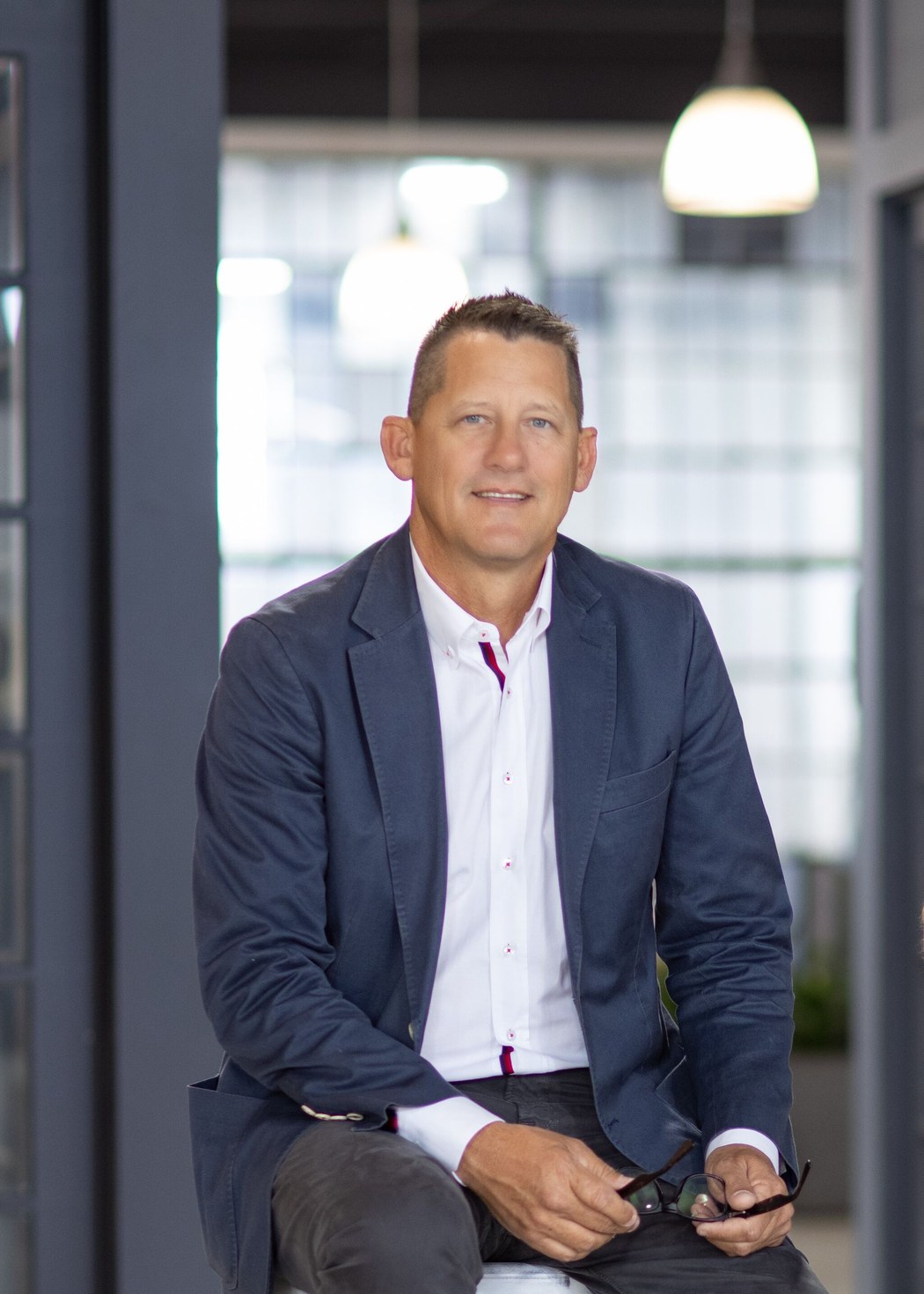
Dougan Clarke and the education of an umbrella
A Florida boatyard taught Dougan Clarke how things survive the sea. At Tuuci, he brought those lessons ashore - and learned that building a company also means letting other people build it.
PENSA and the art of removing the awkward bit
A hospital curtain, a razor, an inflatable dog kennel. The Brooklyn design firm finds its opportunities where everyday objects make people work too hard.
DIGGS gave the dog crate a place in the living room
A dog named Louise exposed the trouble with ordinary crates. DIGGS built a business around the details her owner could no longer overlook: the latch, the mesh, the fold, and the room around them.

Opal Electronics wants to make your next favorite thing
A webcam was the opening act. Opal’s wager is that a small, opinionated electronics company can make everyday devices worth caring about - provided the software keeps up.
Sigma Design makes the parts between the breakthroughs
A running rig, 58 wiring harnesses, and a factory retrofit reveal what this Washington engineering firm sells: fewer gaps between an idea and a working product.

Chris Hugh Put a Life Raft in a Pocket
For more than a decade, the Southern California inventor has pursued a severe design brief: make cold-water survival equipment small enough to wear, simple enough to deploy, and substantial enough to climb into.
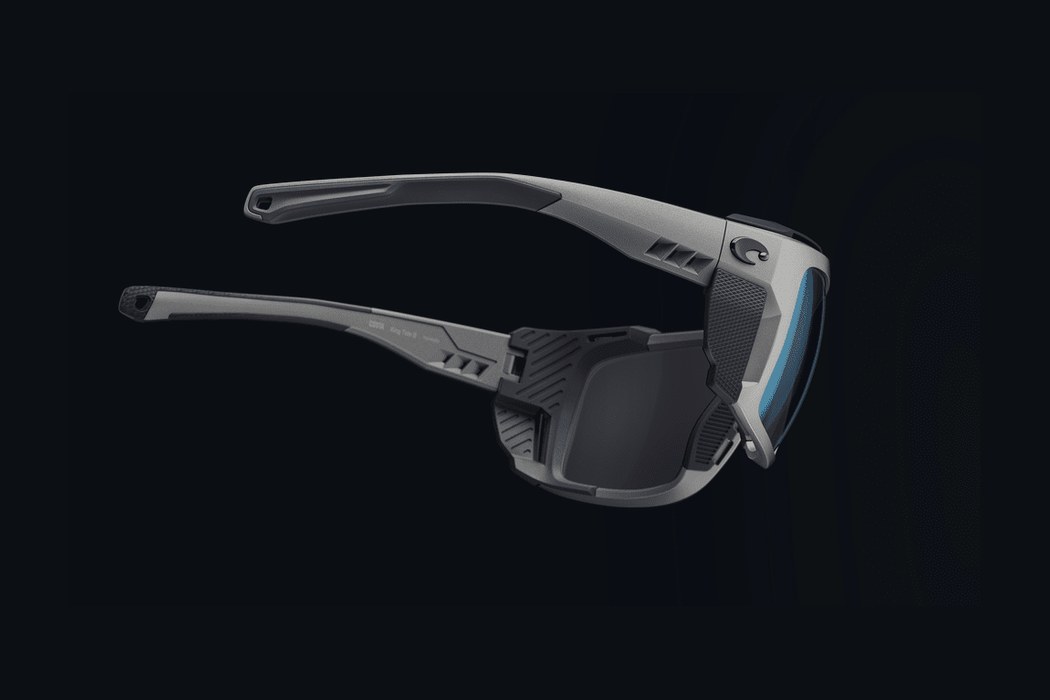
Lifestyledesign Has Put 500 Products on Shelves. Its Trick Is Starting Before the Sketch.
The Santa Barbara studio has spent two decades turning fuzzy business questions into sunglasses, speakers, smart glasses and hard cases. Its advantage is less about drawing a beautiful object than refusing to hand the idea off halfway through.
ERNST knows a brand is only as good as its next product
A ski bag, a driving shoe, a motocross boot. The Los Angeles design studio works where brand promises have to survive contact with the things people actually use.

14TH ROUND builds the part of a cannabis brand you can hold
Behind the name on the box is another company designing the box, the vaporizer, and the way they work together. For 14TH ROUND, the physical product is where a brand earns its keep.
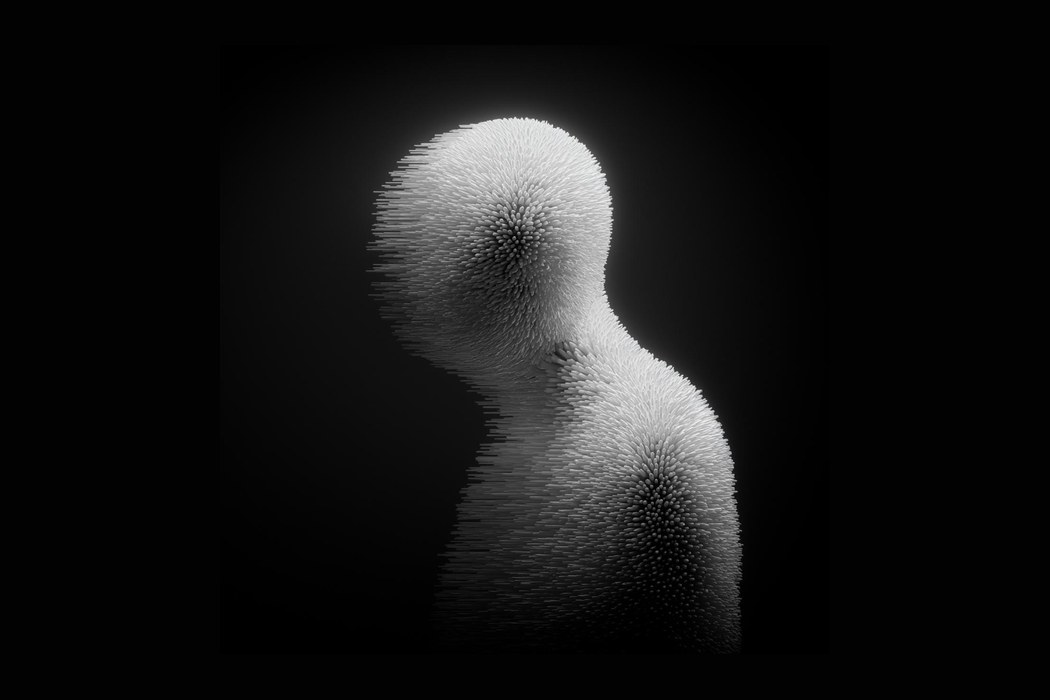
copyself_xyz wants AI to keep your peculiarities
Branko Lukic helped turn a portable speaker into a design statement. His next problem is more personal: keeping your own judgment in the work when AI can generate almost anything.
Push Button makes the brand. Then makes it work.
A business card, a website, a room: Push Button treats them as parts of the same design problem. The Los Angeles studio brings a maker’s eye to branding - and a technologist’s attention to what happens next.
Why Brandcreative has a warehouse
A creative agency with 30,000 square feet of warehouse space has a different idea of a successful campaign. At Brandcreative, the work can run from the first product sketch to the package on the doorstep.
Red Clay brought the homewares. Retailers wanted the process.
A home-decor startup discovered that its method of finding and developing designs was something retailers would buy. Red Clay turned that discovery into a marketplace for making physical products.
Ammunition makes the future feel familiar
The studio behind Beats, Ember and Square works on the awkward moment when new technology meets an old habit. Its most useful design move is often knowing what to leave alone.
KEYDESIGN Makes the Case for Fewer Parts
A two-piece wallet case. A thermometer without a charging sled. Three generations of checkout hardware. Inside the industrial design studio that treats everyday friction as a design brief.
Astro Studios put a whole brand in your hands
From the Xbox 360 to Nike's FuelBand, Astro made technology feel like something people wanted to live with. Its move into PA Consulting reveals the business pressures behind the objects.
Design Catapult takes the sketch all the way to the shipping box
A hospital cart, a contamination scanner and a cold-brew machine have something in common: Design Catapult. The California firm makes a business of the difficult distance between a clever idea and a product someone can actually use.
Vapor Studio builds brands you can pick up
From robot-inspired headphones to a lemonade can with summer plans, the California agency treats the product, the packaging, and the pitch as parts of the same job.
GKDI makes Japan feel at home in America
A sauce label, a boat dashboard, a machine built for splashing around. GK Design International makes the case that understanding a customer’s culture belongs inside the design brief.

OnQ gives the store shelf something to say
Inside a former Ohio mall, OnQ builds the displays that help shoppers choose. Its next job is making those displays agree with the stockroom.