baltimore
(44)
Volo Sports makes room for one more
A missing teammate. A free evening. Volo Sports built a business connecting the two - and turned adult recreation into a way to fund free sports for kids.
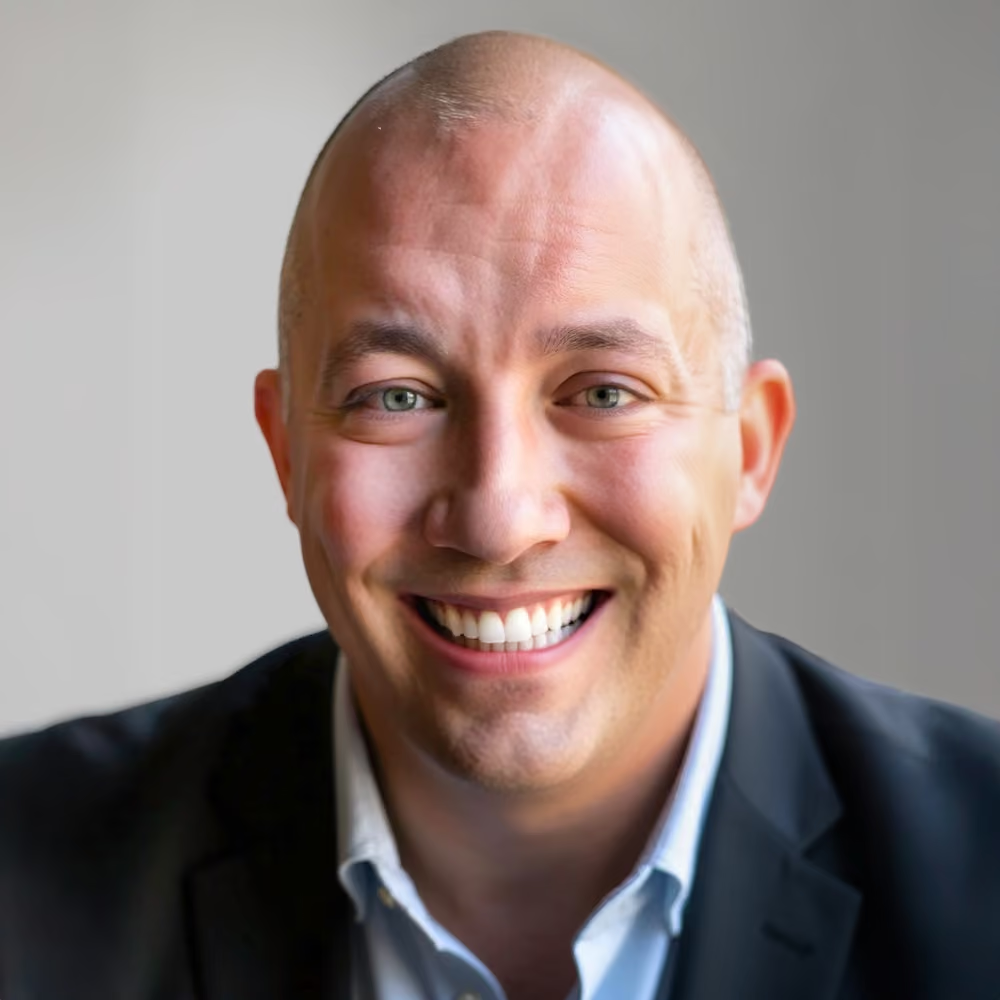
James C. Foster and the trouble outside the fence
He helped build ZeroFox around the threats companies could not see from inside their own networks. Now leading eSentire, Foster is taking on another version of the same restless problem.
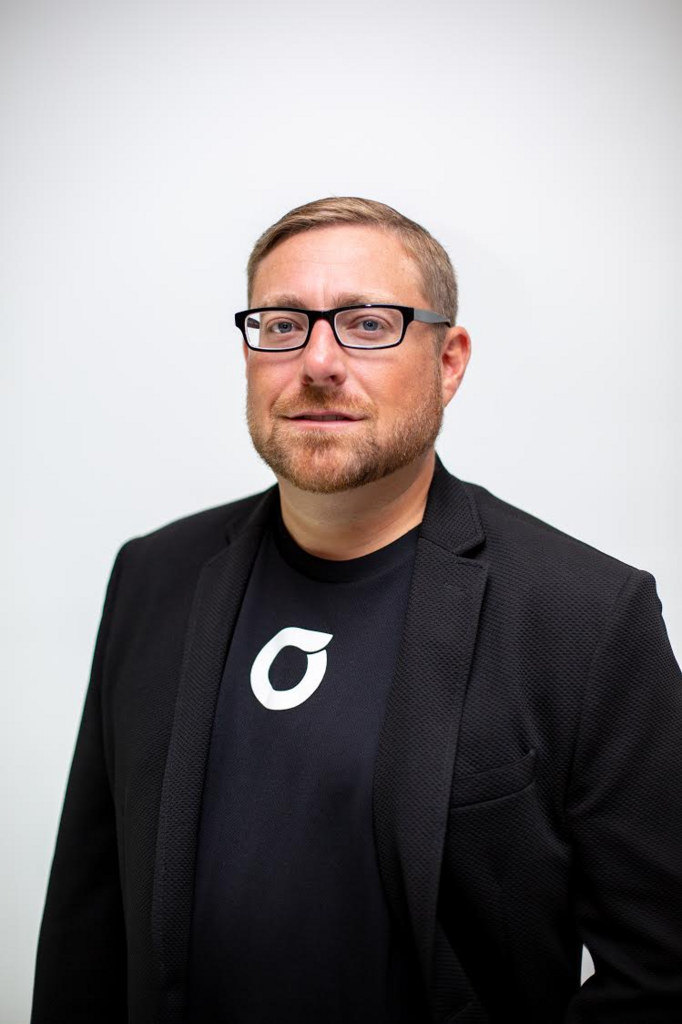
Sean Lane and the trouble with connecting everything
He built military networks, helped Baltimore founders find a room, and led Olive to a $4 billion valuation before it closed. Now Sean Lane is back in Columbus, asking how people and AI agents should work together.
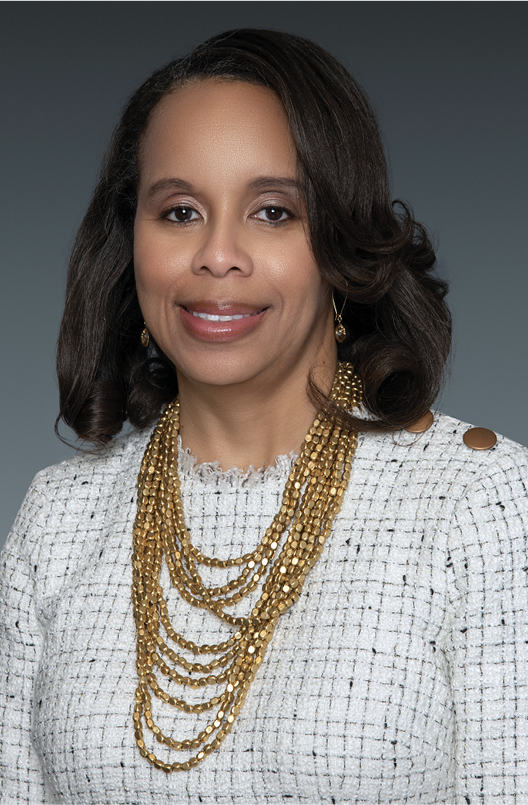
Tamla Olivier and the power of asking
Before she ran Maryland’s largest utility, Tamla Olivier learned that hard work alone would not speak for her. Now BGE’s first woman CEO is listening to a region with urgent questions about the price of power.

Baltimore Gas and Electric: The price of keeping the lights on
A painter’s gaslight experiment became central Maryland’s energy network. Two centuries later, BGE’s hardest problem is making reliability affordable.

Amy Elias Asked the People Already in the Room
She built PROFILES from one client and helped a junior employee grow into its next CEO. At the Baltimore Museum of Art, Amy Elias asked another overlooked group to take a turn: the security guards.

T. Rowe Price bets on patience. The market won’t wait.
The Baltimore investment firm built its name by thinking in decades. Its next test is persuading investors that patient judgment still deserves a place in a faster, cheaper market.
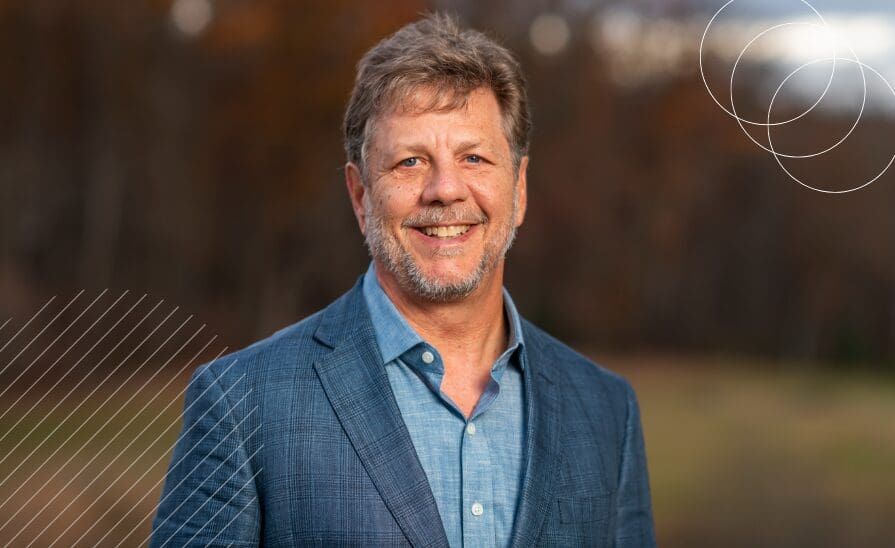
Michael DeMos and the Art of Starting Again
A bicycle, a mailing list, a marketing agency: Michael DeMos kept finding another way forward. The C-360 founder and former co-CEO is now considering a different kind of return - time to call his own.

Dave Imre and the Business of Wanting to Show Up
Dave Imre started an agency in his basement, surprised himself when it reached 40 people, and kept building. His career poses a practical question: how big can a company get while remaining a place its founder would want to work?
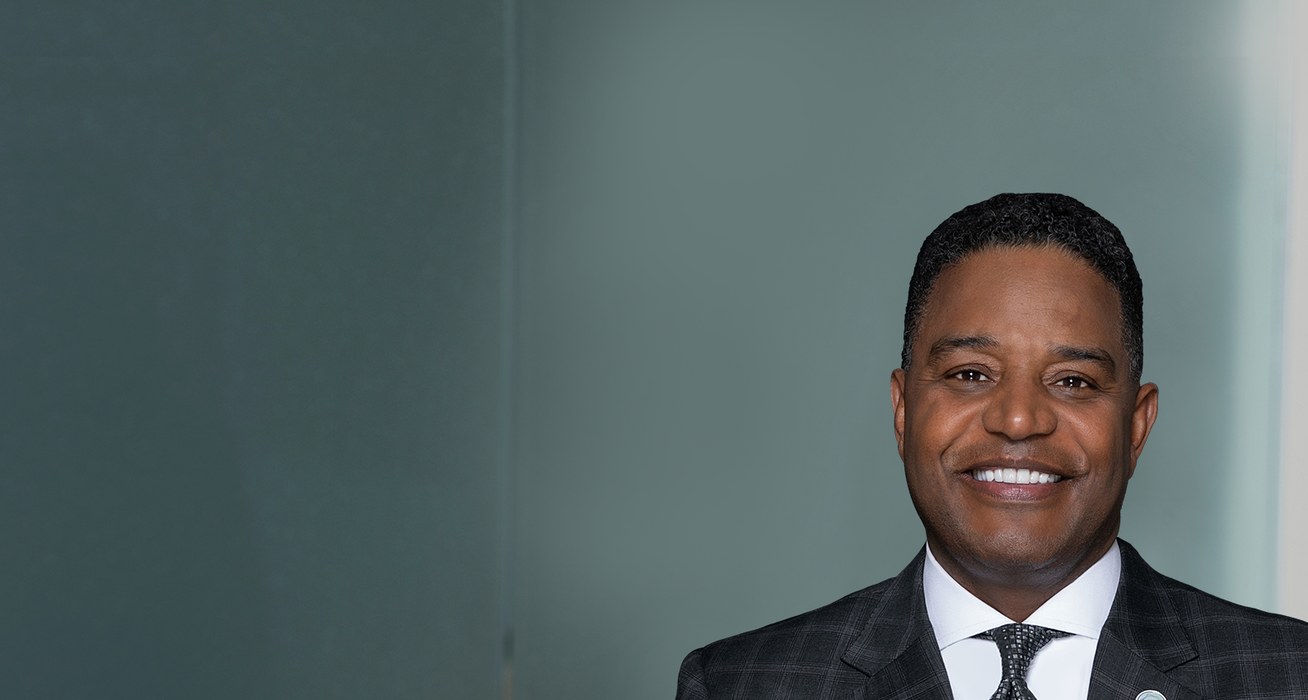
Calvin Butler and the education of the second shift
Before he led Exelon, Calvin Butler learned to run a factory shift. The lesson still follows him: understand what people need, then make the position useful.
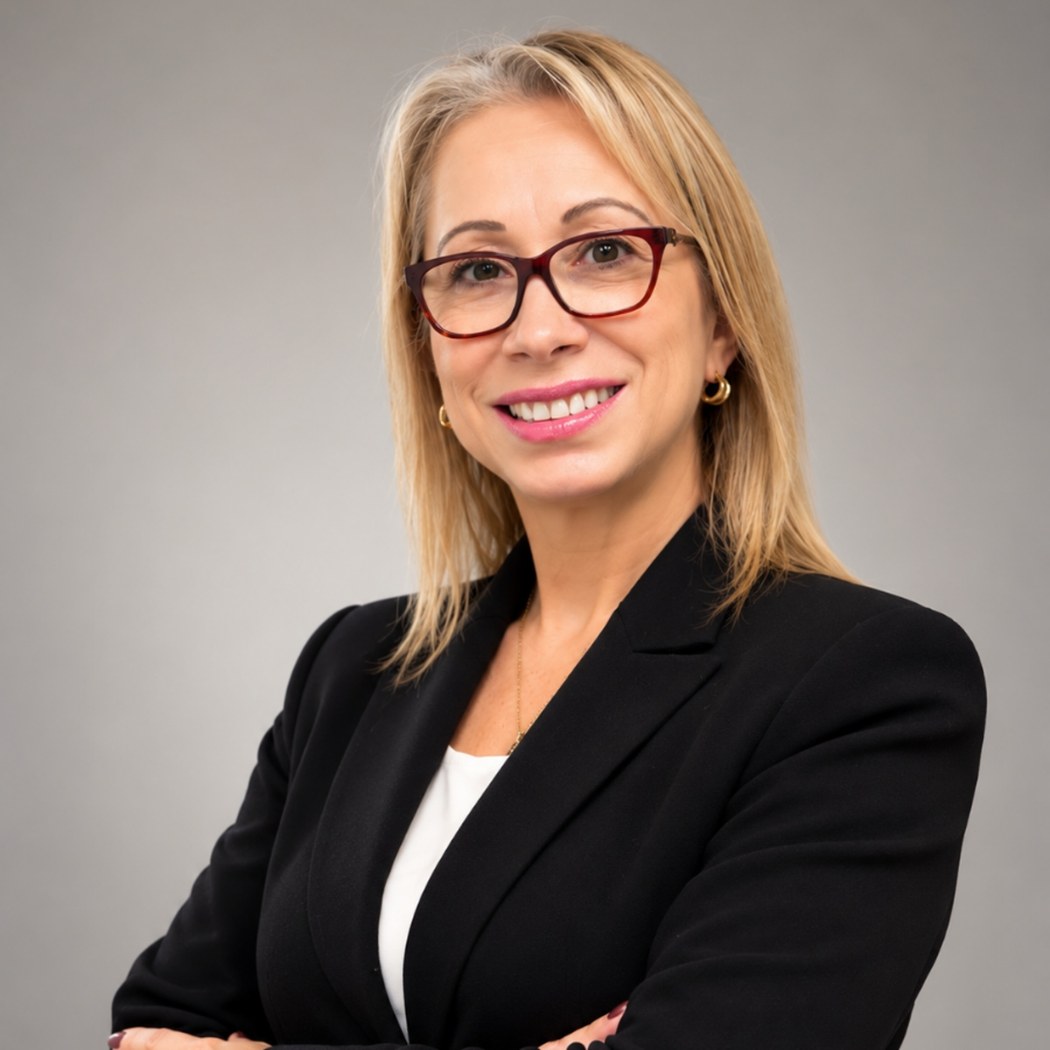
Gloria Rojas and the client who called again
A condo, a marriage, another home. How Gloria Rojas built a real estate practice around the relationships that outlast a closing date.

Rob Sharps and the patience of a Halloween bet
A $2 million institutional strategy helped shape his career at T. Rowe Price. Now the Baltimore investor has a larger assignment: changing how the firm does business while keeping faith with the research that brought him there.

ZeroFox and the business of making threats disappear
A fake account can steal a real customer. ZeroFox built its business around the awkward work that follows: finding the impersonator, proving the abuse, and getting someone else to take it down.
Mason Dixie Foods found its future in the freezer.
A sold-out biscuit counter became a national frozen-food business. The turning point was a customer request, a vacuum sealer, and a willingness to follow the dough.
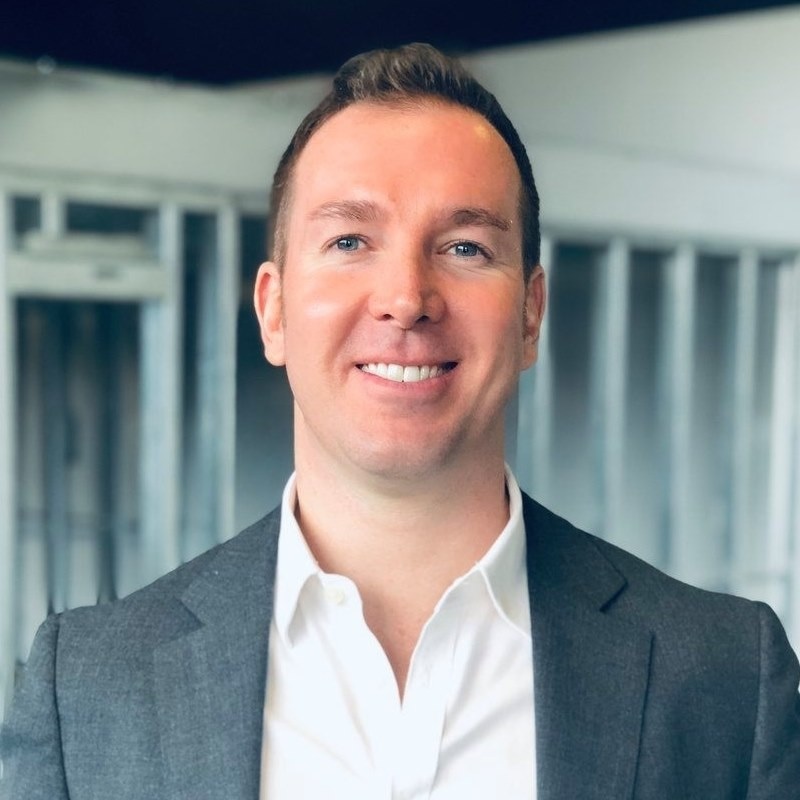
Howard Carolan and the work between the breakthroughs
An economics graduate helped build CoapTech through licensing, fundraising, sales and Baltimore manufacturing. His story follows the practical work that turns an invention into a company - and the moment a founder changes chairs.
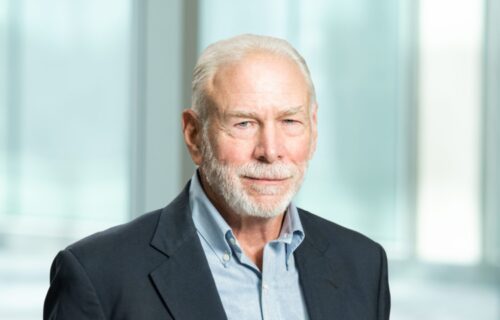
Donald B. Hebb Jr. and the education of patient capital
Before he co-founded ABS Capital, Don Hebb helped build a technology banking business inside Alex. Brown. His second act carried that experience into the boardroom, where growth takes longer than a transaction.
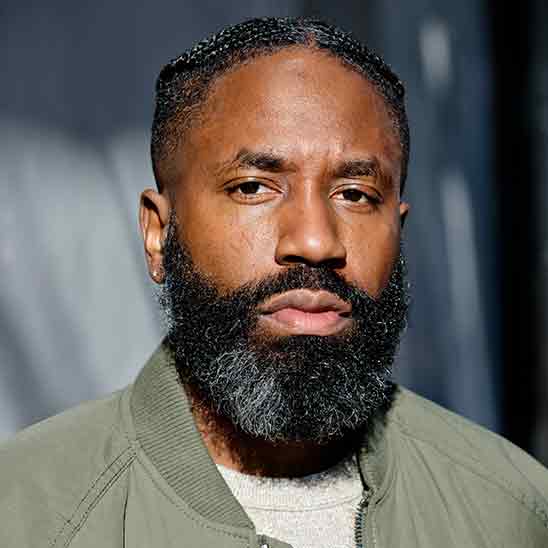
Rodney Williams and the business of closing the distance
A magazine rental scheme in a Baltimore beauty shop came before the patents, the StartupBus and the payment technology. Across LISNR and SoLo Funds, Rodney Williams keeps returning to a practical question: who gets connected, and who gets left waiting?
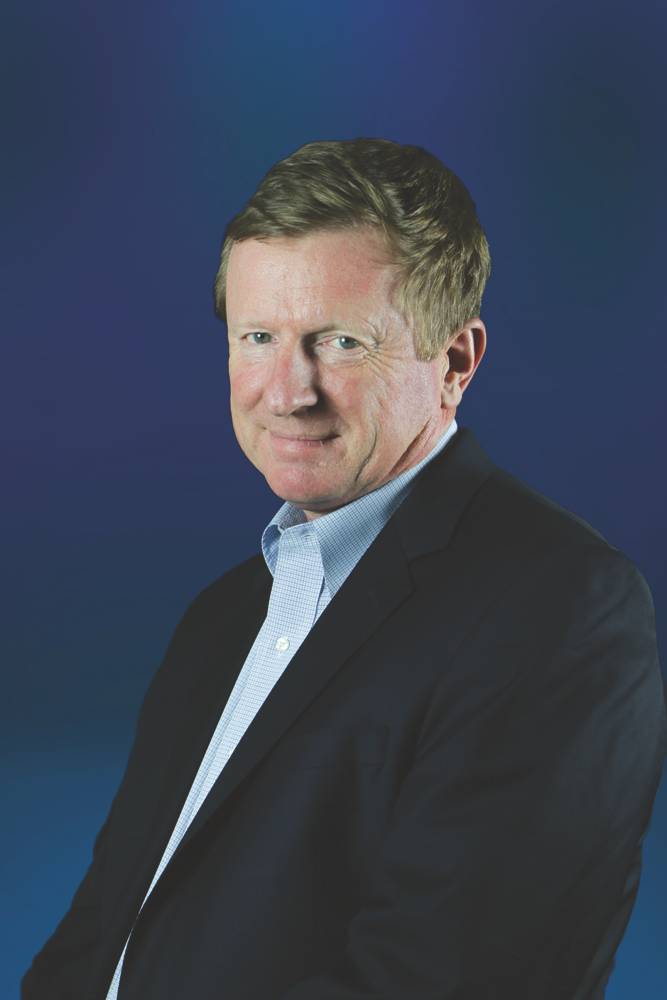
Mike Read and the art of making connections underwater
From subsea connectors to a global marine technology group, Mike Read has spent his career getting specialist businesses to work together. At OceanSight, he is taking that experience back beneath the surface.

Matt Doud and the Agency Behind the Coffee Shop
A third-grade friendship became a Baltimore advertising agency. Then Matt Doud and Ed Callahan put a coffee shop beside it, giving the neighborhood a window into the business they had built.

Roger Gray and the Art of Getting People to Budge
The GKV founder has spent decades studying why people stay put. His answer runs through phone bills, golf balls, Baltimore institutions and a margarita with his name on it.

Catalyte and the talent hiding in plain sight
A produce manager can become a software developer. Catalyte has built a business around that possibility - and the harder business of persuading employers to pay for it.
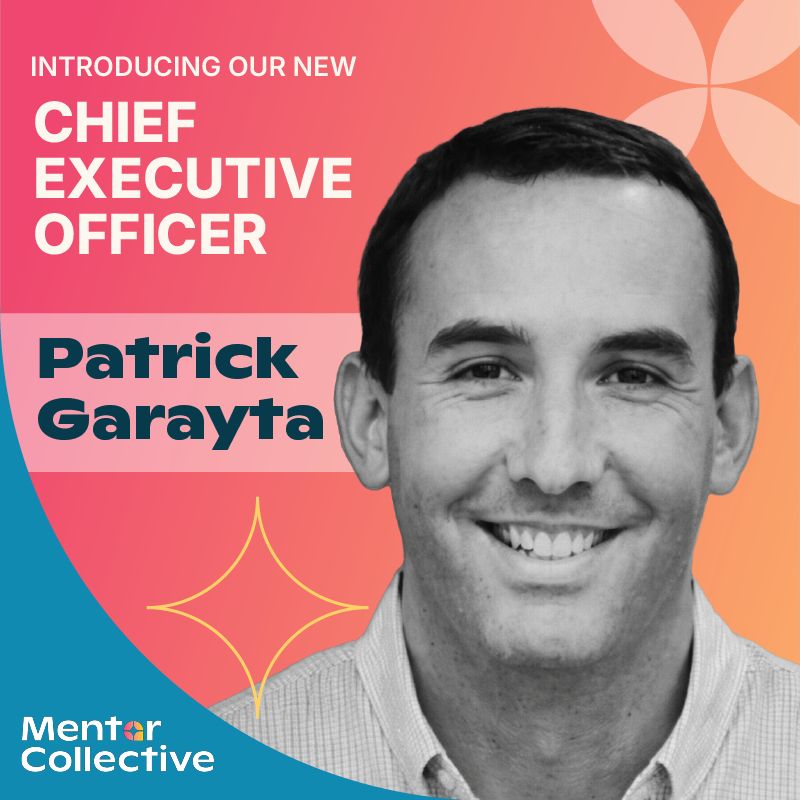
Patrick Garayta Is Betting That College’s Missing Infrastructure Is a Relationship
After two decades selling the machinery of education, Patrick Garayta has taken charge of a company built around something stubbornly human: making sure a student has someone to ask.

Planit and the Six Months Nobody Was Selling
A Baltimore agency found its sharpest sales pitch in the half-year after a weed never appears. Thirty years in, Planit still makes its best work by looking for the part of the customer story everyone else walked past.

GKV - The Agency That Learned to Win With Less
A Baltimore agency built its identity around the underdog. The revealing part is not the slogan - it is what happened when a $14 million public-health budget shrank to $1.3 million and the work still had to work.

The $1.1 Million Bet Against the Old Agency Clock
C-360 began as a public-relations shop. Then it renamed itself, bought into an AI strategy engine and tried to make the agency clock run from months to weeks - without removing the people who know why a message matters.

PROFILES Put One Restaurant Online. Then the Rest of the Chain Followed.
A Baltimore PR shop used one local restaurant as a social-media laboratory, then watched the experiment travel. Thirty-five years after its founding, PROFILES still works the same way: close enough to touch the assignment, broad enough to move the story.

Michael Letschin Learned Marketing From the Server Room
Before he shaped campaigns, Michael Letschin designed data-center systems. That technical apprenticeship still defines his work as a fractional CMO: get close to the product, listen to the customer, and make the complicated useful.
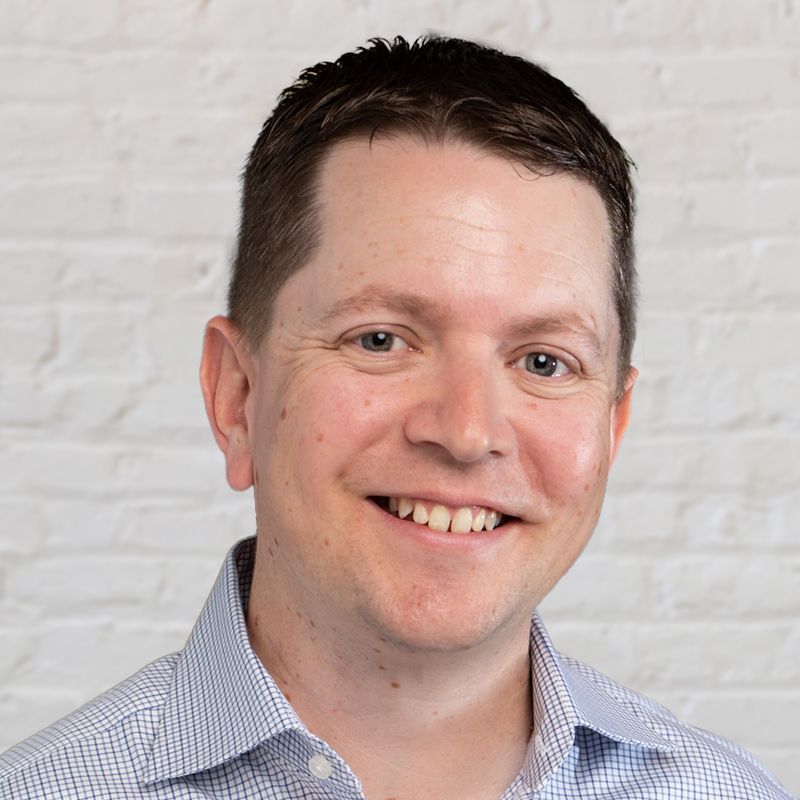
Andy Mott Took the Long Way Into Marketing - and Learned to Make Technical Work Human
A submarine electrician talked his way past a degree requirement, built a 14-year Autodesk career, and arrived at SBS with a durable idea: infrastructure technology matters most when people can see themselves in the story.
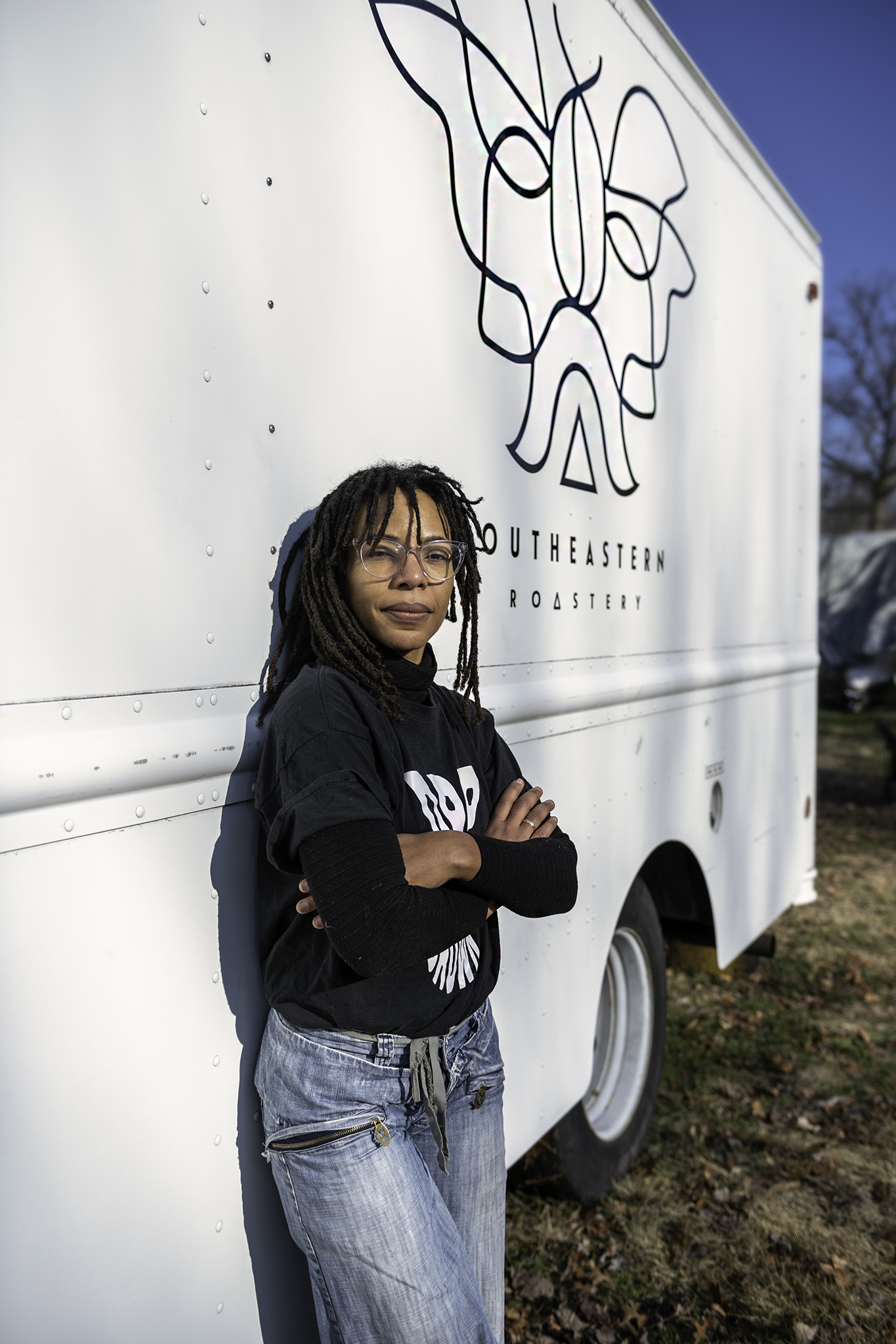
Candy Schibli Put an Engineer’s Ear to the Coffee Roaster
She left international development for a one-kilo roaster in her great-grandmother’s Virginia house. A decade later, Candy Schibli is still treating every batch as an experiment in flavor, fairness and human connection.

Neurogazer Turns a 40-Minute Brain Scan Into a Report Card for Who You Might Become
A Johns Hopkins neuroscientist and his CEO brother built a company that reads 169 things out of a single MRI - cognition, temperament, aptitude, risk. From Baltimore, they are betting families will pay to see it.