researcher
(10)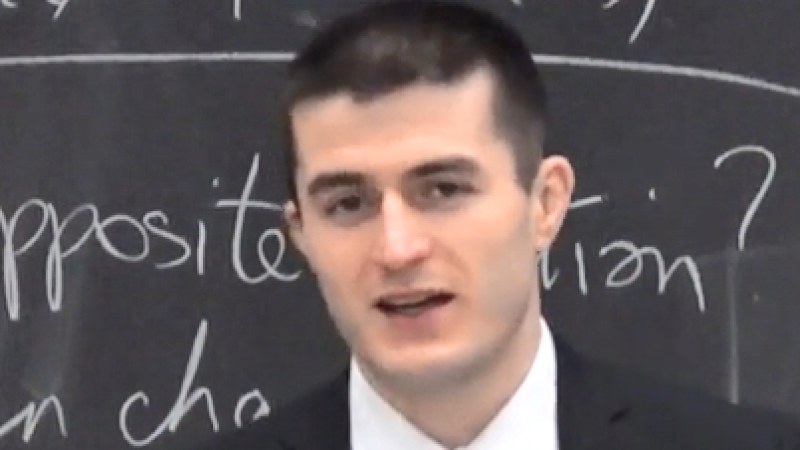
Lex Fridman
Lex Fridman is a Russian-American computer scientist, AI researcher at MIT, and host of the Lex Fridman Podcast — one of the most-watched long-form interview shows in the world. With a PhD from Drexel University and research spanning autonomous vehicles, deep learning, and human-robot interaction, he interviews everyone from Elon Musk to world leaders to Nobel laureates. A black belt in both jiu-jitsu and judo, he blends intellectual curiosity with martial discipline, and has built a YouTube channel with over 4.8 million subscribers and hundreds of millions of views.
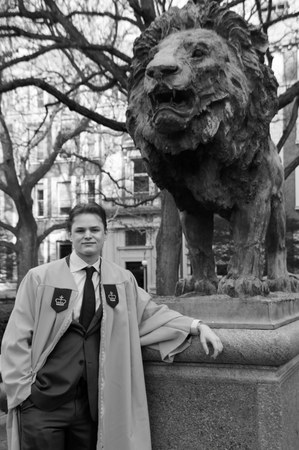
Nicolai Ouporov
Nicolai 'Nic' Ouporov is Co-Founder and CEO of Fleet AI, a startup building reinforcement learning training environments - or 'RL gyms' - that let AI agents practice operating real software tools like Salesforce and Excel before deployment. Fleet raised ~$45M total and grew from $1M to $60M+ annualized revenue in under a year. Nic is also a 3x YoungArts Award winner in photography and visual arts, a former pre-professional ballet dancer trained at Boston Ballet and San Francisco Ballet, and a QuestBridge Scholar from Columbia University. He previously served as Founding Engineer at Respell (acquired by Salesforce in 2024) and published AI research at Stanford's Robotics and Embodied AI Lab.
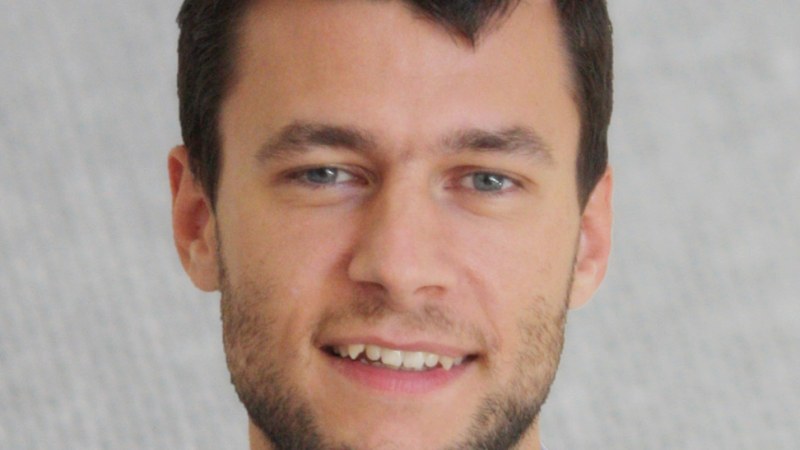
Stefano Ermon
Stefano Ermon is the CEO and co-founder of Inception Labs, the company behind Mercury - the world's first commercial-scale diffusion LLM. An Italian-born Stanford associate professor on leave, Ermon co-invented DDIM (the speedup trick powering modern image generation), Direct Preference Optimization (DPO, the alignment technique used to fine-tune today's leading LLMs), and the SEDD discrete diffusion framework that won ICML 2024's Best Paper Award. At Inception, he's betting that diffusion - not autoregression - is the architecture that will define the next generation of AI, with Mercury 2 clocking 1,000+ tokens per second at a fraction of the cost of GPT or Claude.
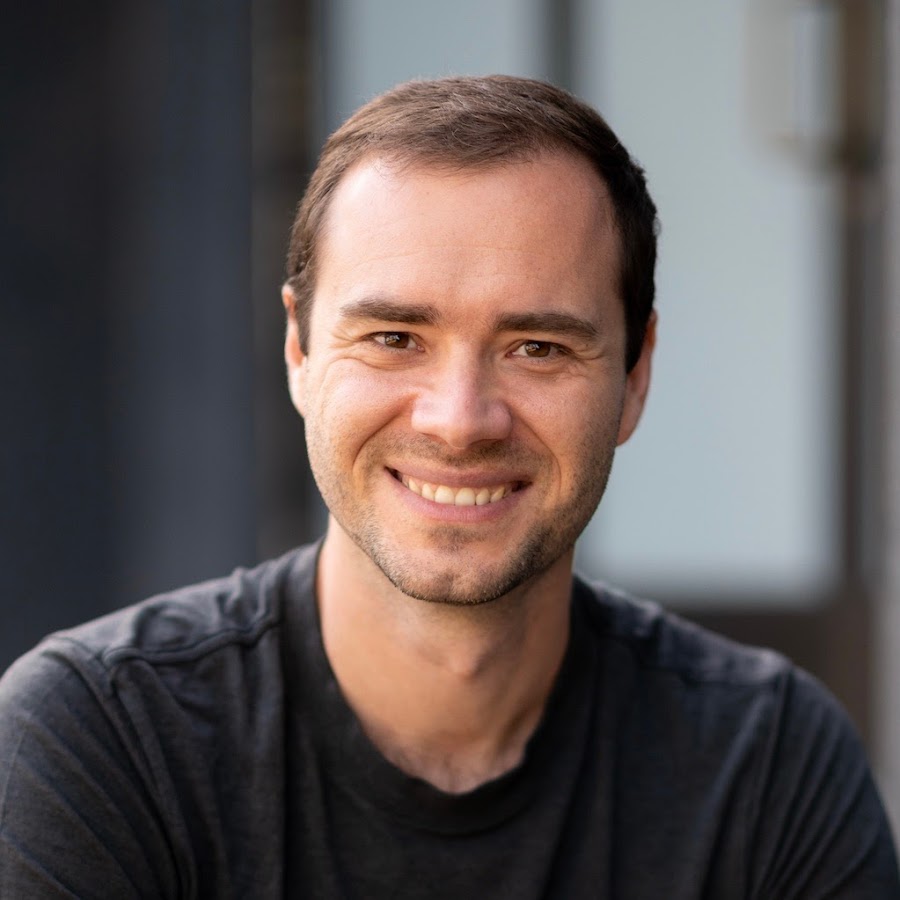
Andrej Karpathy
Andrej Karpathy is a Slovak-Canadian-American AI researcher and educator who co-founded OpenAI, led Tesla's Autopilot AI as Director of AI from 2017-2022, and now runs Eureka Labs, an AI-native education startup. He coined 'vibe coding' (Collins Dictionary 2025 Word of the Year), created the legendary Stanford CS 231n course, and builds open-source tools like nanoGPT that have become essential references for the global ML community. His YouTube 'Zero to Hero' series and multi-hour deep dives have demystified deep learning for millions.
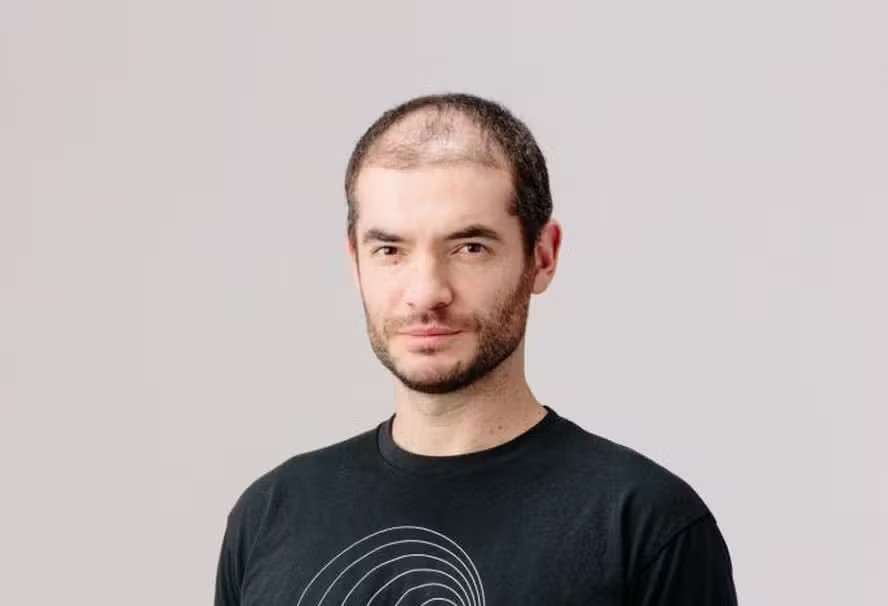
Ilya Sutskever
Ilya Sutskever is a co-creator of AlexNet, the 2012 deep learning breakthrough that launched the modern AI era, and a co-founder and former Chief Scientist of OpenAI. After a dramatic board vote to remove Sam Altman in November 2023, he departed OpenAI in 2024 and co-founded Safe Superintelligence Inc. (SSI) — a $32B company with roughly 50 employees and a single stated mission: build artificial general superintelligence that is provably safe, with no commercial products until that goal is achieved.
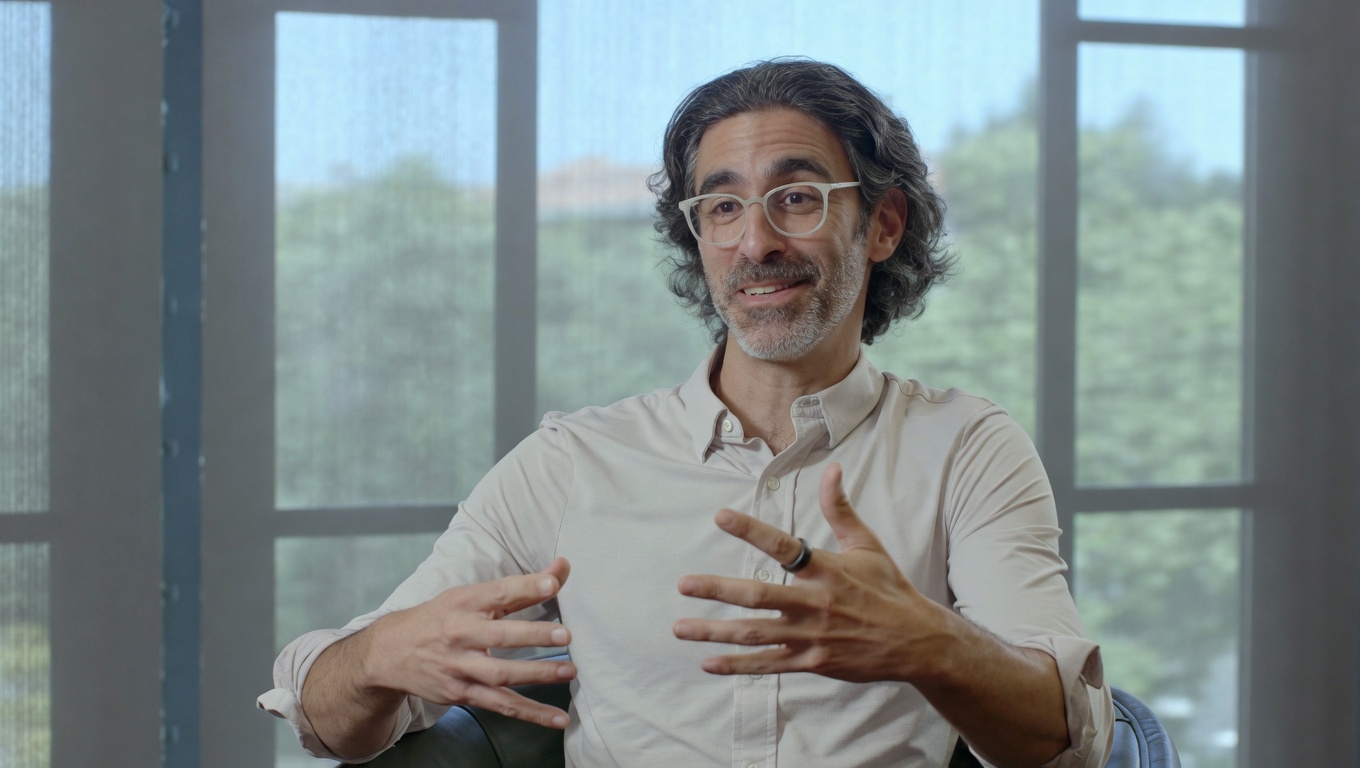
Ziad Obermeyer
Ziad Obermeyer is a physician-scientist and professor at UC Berkeley whose 2019 Science paper exposing racial bias in a healthcare algorithm used by millions changed how the world thinks about AI fairness. An emergency medicine doctor who moonlights as a machine learning researcher, McKinsey alum, and serial founder, Obermeyer co-founded Dandelion Health and Nightingale Open Science while testifying before Congress and earning a spot on TIME's 100 Most Influential People in AI.
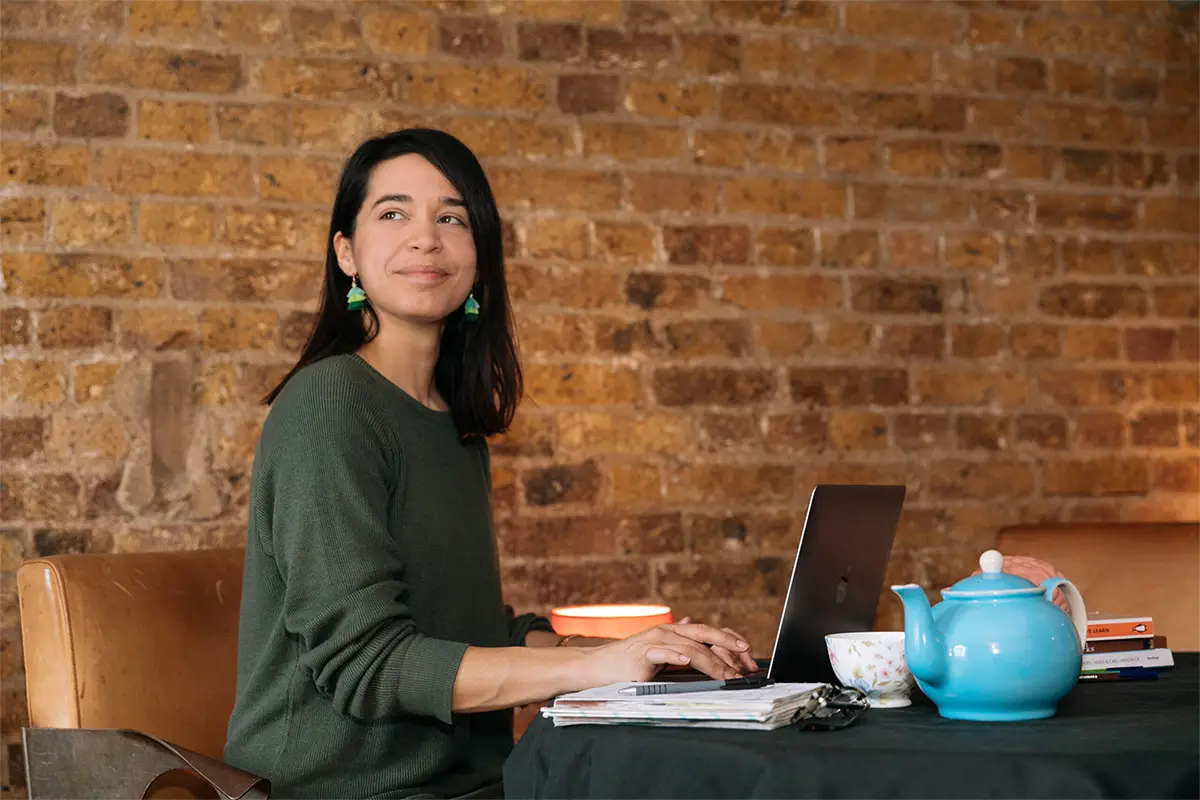
Anne-Laure Le Cunff
Anne-Laure Le Cunff, PhD is a French-Algerian neuroscientist, entrepreneur, and author based in London. After leaving a marketing career at Google, she founded Ness Labs - a bootstrapped newsletter and community focused on science-backed mindful productivity - while simultaneously earning her MSc and PhD in Applied Neuroscience at King's College London. Her 2025 book 'Tiny Experiments' (Penguin Random House) proposes replacing linear goal-setting with a circular, experimental approach to growth. As a UKRI-funded postdoctoral research fellow at King's College London, she studies the evolutionary neuroscience of curiosity and has proposed the 'Hypercuriosity Theory of ADHD'. Ness Labs has grown to 120,000+ newsletter subscribers and a paid community of 2,000+ members.
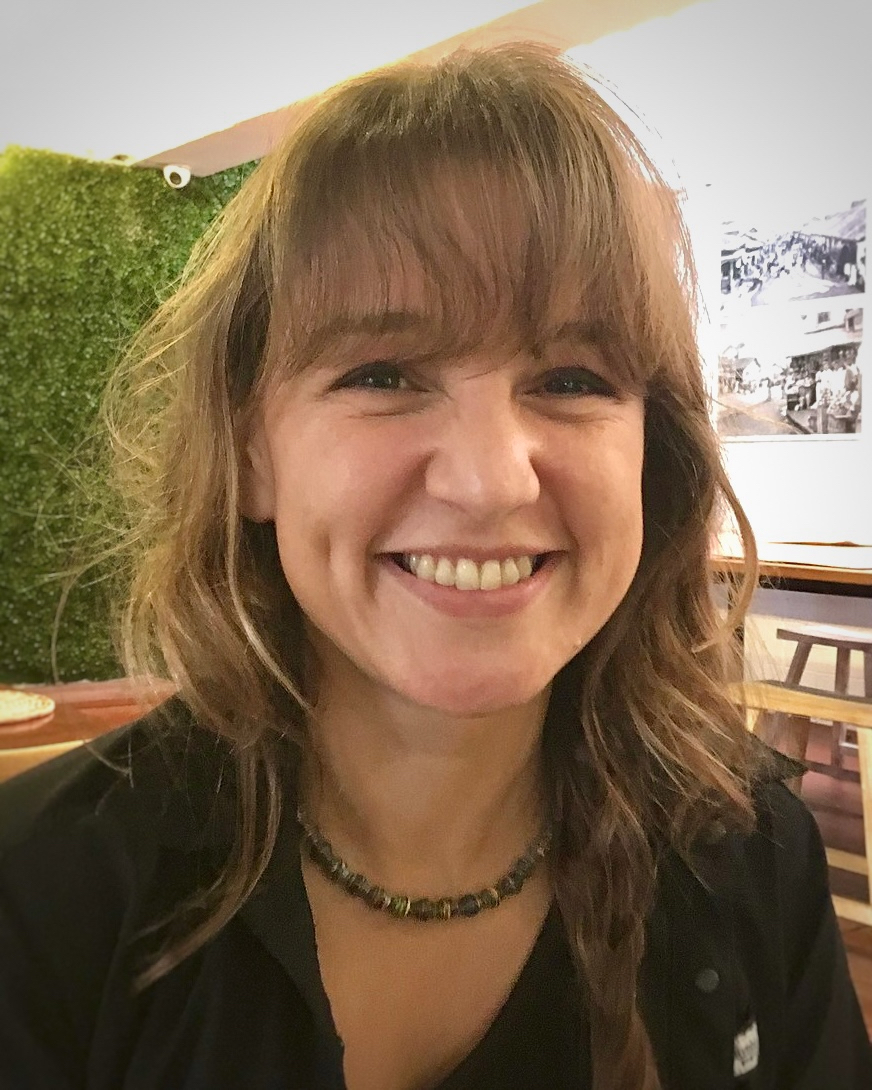
Zeynep Tufekci
Zeynep Tufekci is a Turkish-born sociologist, professor at Princeton University, and New York Times opinion columnist who has become one of the world's foremost voices on the intersection of technology and society. Known for being consistently ahead of the curve — predicting Facebook's role in ethnic violence, YouTube's radicalization pipeline, and COVID-19's severity before mainstream institutions caught on — she bridges computer science and humanistic inquiry with a rare clarity. Her 2017 book 'Twitter and Tear Gas' is a landmark study of networked protest, and her Substack newsletter 'Insight' offers rigorous, genuinely open-minded analysis of the hardest puzzles at the edge of science, technology, and democracy.
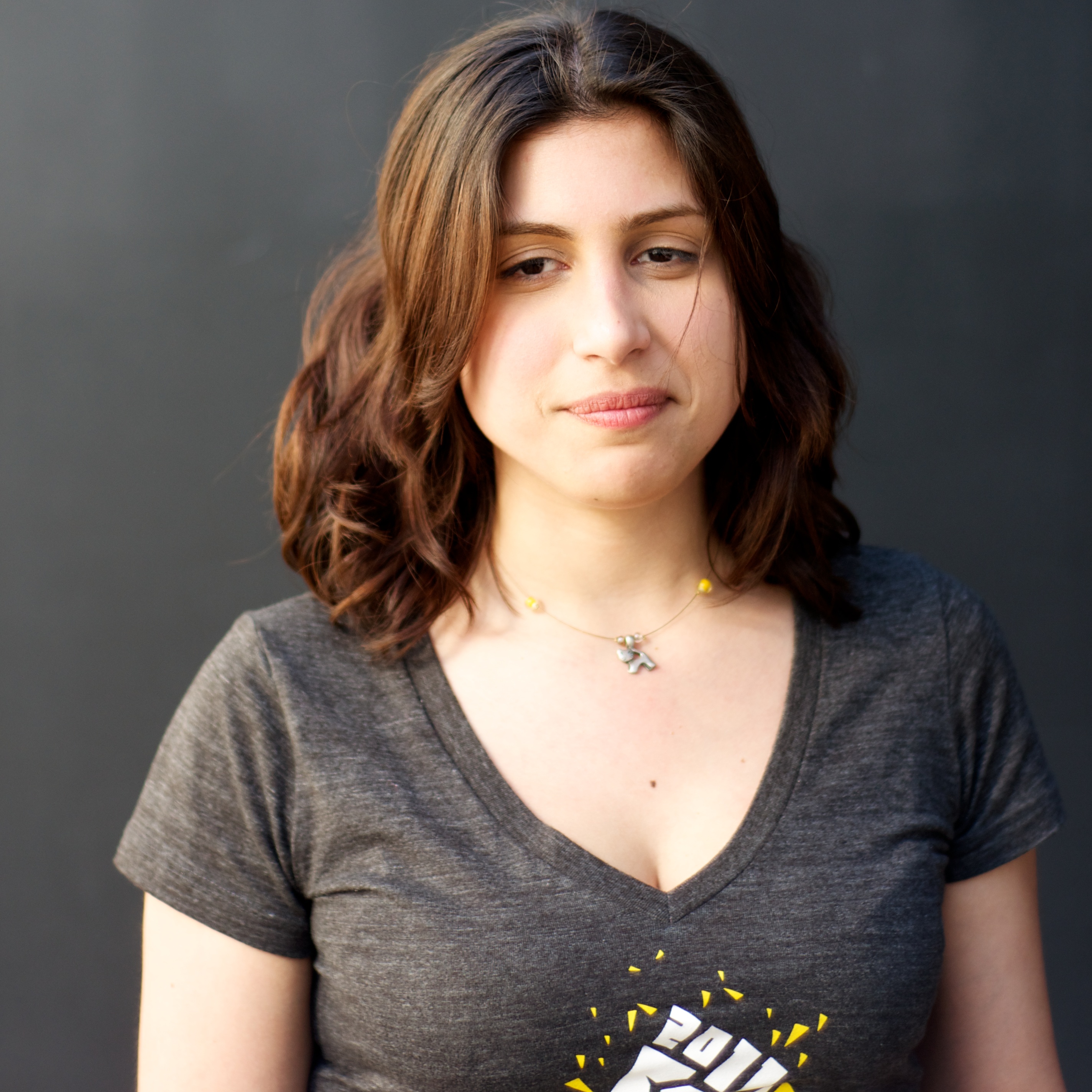
Lea Verou
Lea Verou is a Greek-American web standards leader, MIT researcher, and creator tools advocate whose fingerprints are on the web itself. She has designed web technologies now baked into every major browser, built 30+ open-source projects with nearly 2 billion npm downloads (including PrismJS and Color.js), authored the bestselling CSS Secrets (O'Reilly, 2015), and served as an elected W3C Technical Architecture Group member. A PhD candidate at MIT CSAIL in Human-Computer Interaction and Programming Language Design, she consults for Google, Mozilla, and Stripe, leads the State of HTML survey, and has delivered 100+ conference talks worldwide - always live-coding.
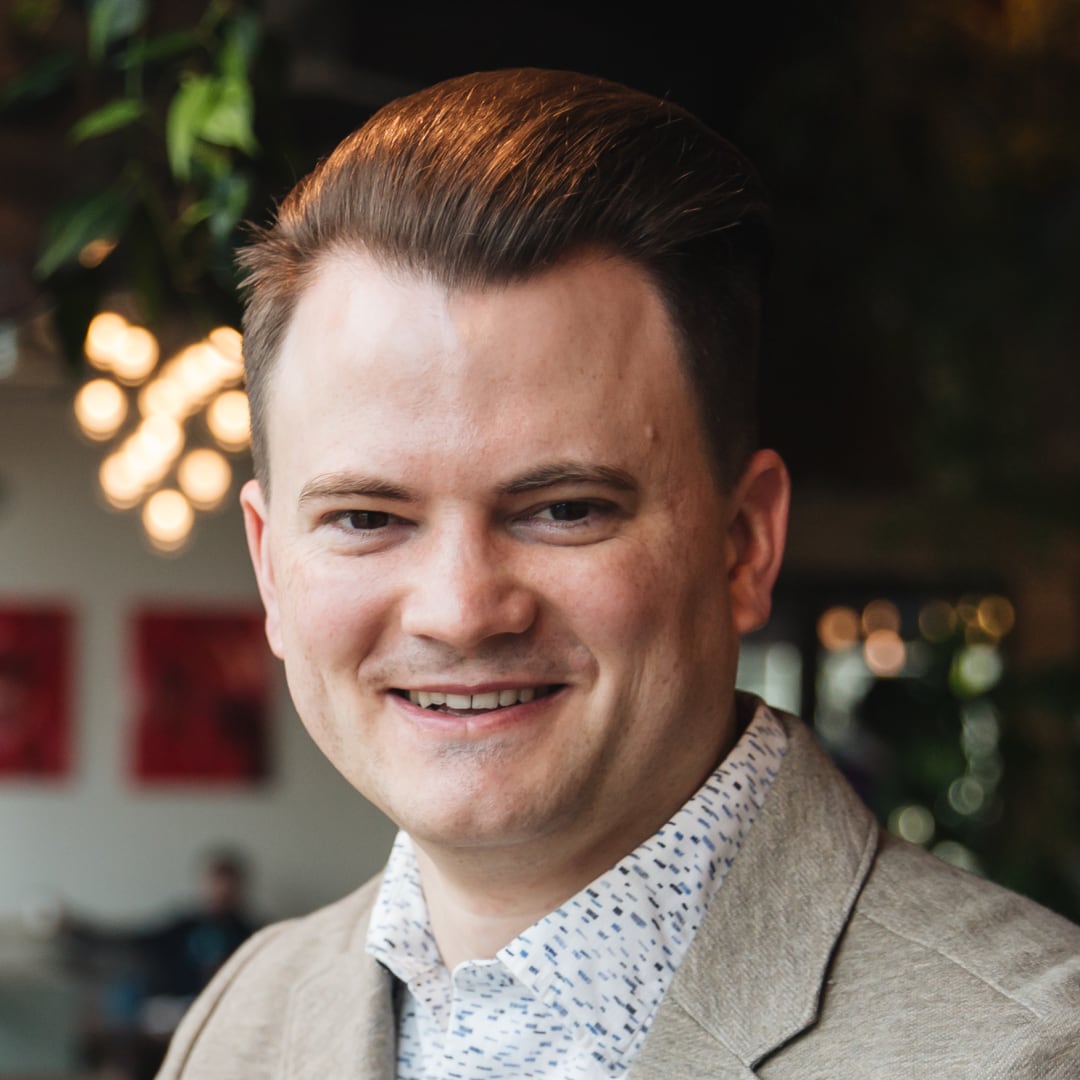
Tim Dettmers
Tim Dettmers is an Assistant Professor at Carnegie Mellon University and Research Scientist at the Allen Institute for AI (AI2), best known for making large language models accessible on consumer hardware. He created the bitsandbytes library (2.2M monthly installs), co-authored QLoRA - a technique enabling fine-tuning of 65B-parameter models on a single GPU - and pioneered LLM.int8() quantization. With over 18,000 citations across his work, Dettmers has become one of the most influential voices in efficient deep learning, consistently arguing that computational democratization - not AGI hype - is where the real progress lives.