stem-education
(24)
At CAMS, the Smallest Institution May Be the One Students Build Themselves
CAMS is built to produce mathematicians and scientists. Its Black Student Alliance works on a quieter engineering problem: how to make belonging sturdy enough to carry ambition.

California Capital Airshow’s most interesting work happens after the jets land
At Mather Airport, a weekend of flying helps fund a year of career exploration. Inside the Sacramento nonprofit turning aviation’s biggest attention-getter into an invitation to participate.
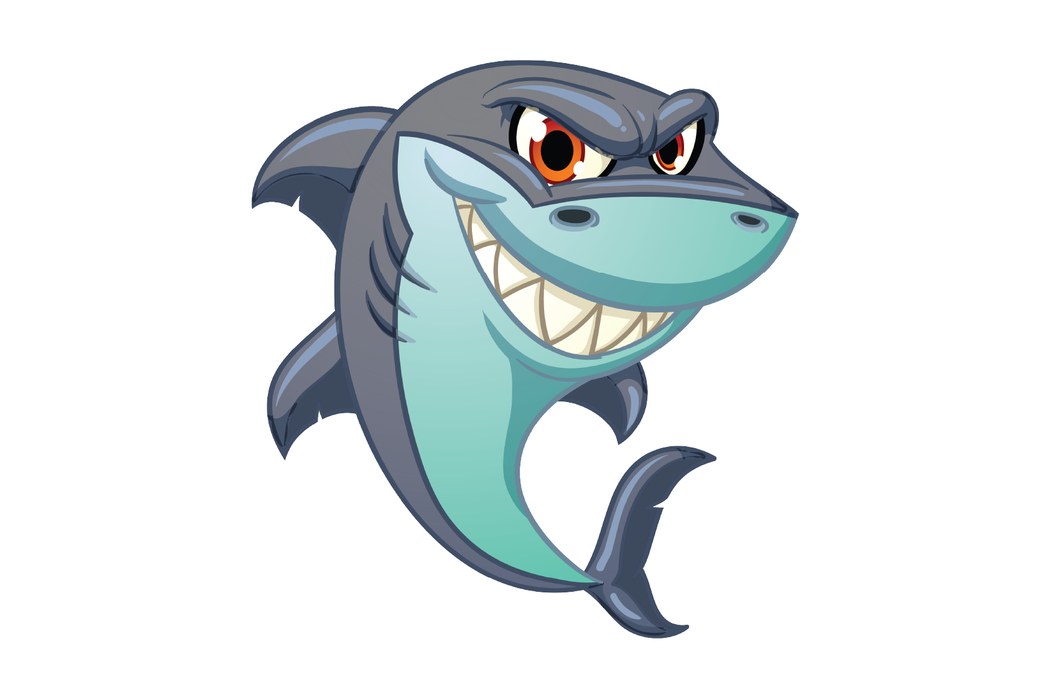
At South Lake Middle School, care gets a place on the timetable
Two 42-minute periods reveal how this Irvine public school makes room for academic help, emotional support and new interests. The shark mascot has surprisingly gentle house rules.
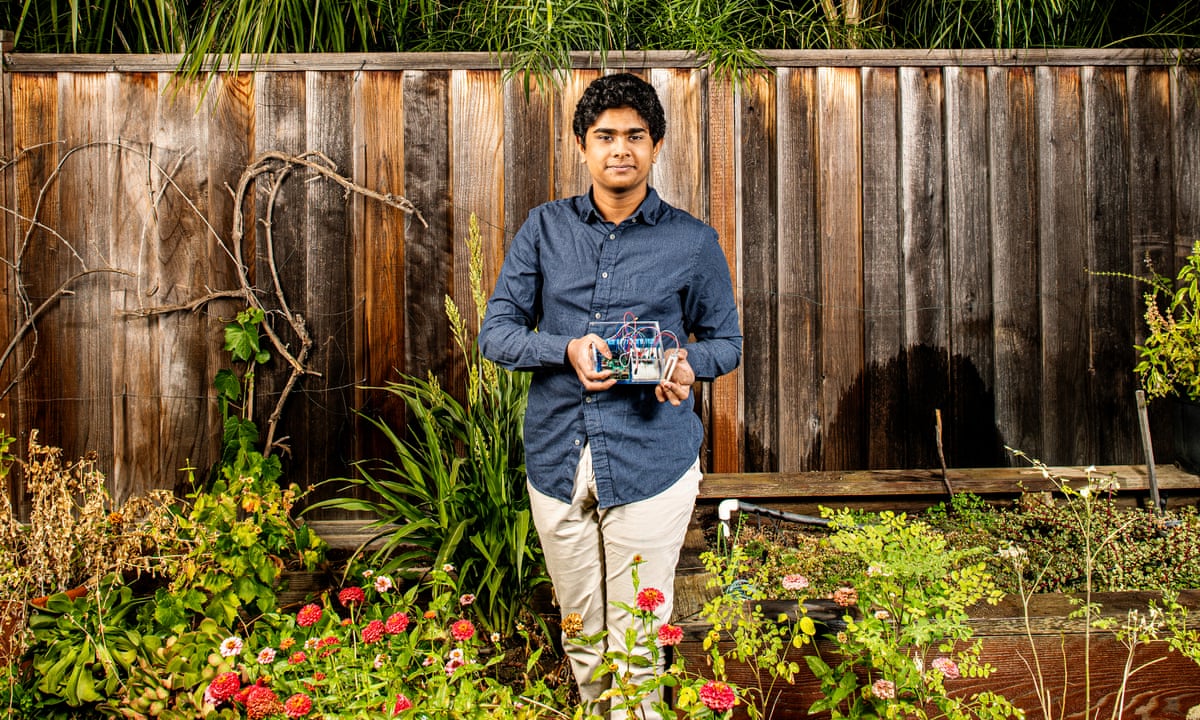
From Smart Sprinklers to Insider Risk, Adarsh Ambati Follows the Signal
Before Candor began stitching together the clues behind insider risk, its founder spent years studying another kind of waste: sprinklers watering California lawns at the wrong time. The domains changed. His habit of following overlooked signals did not.
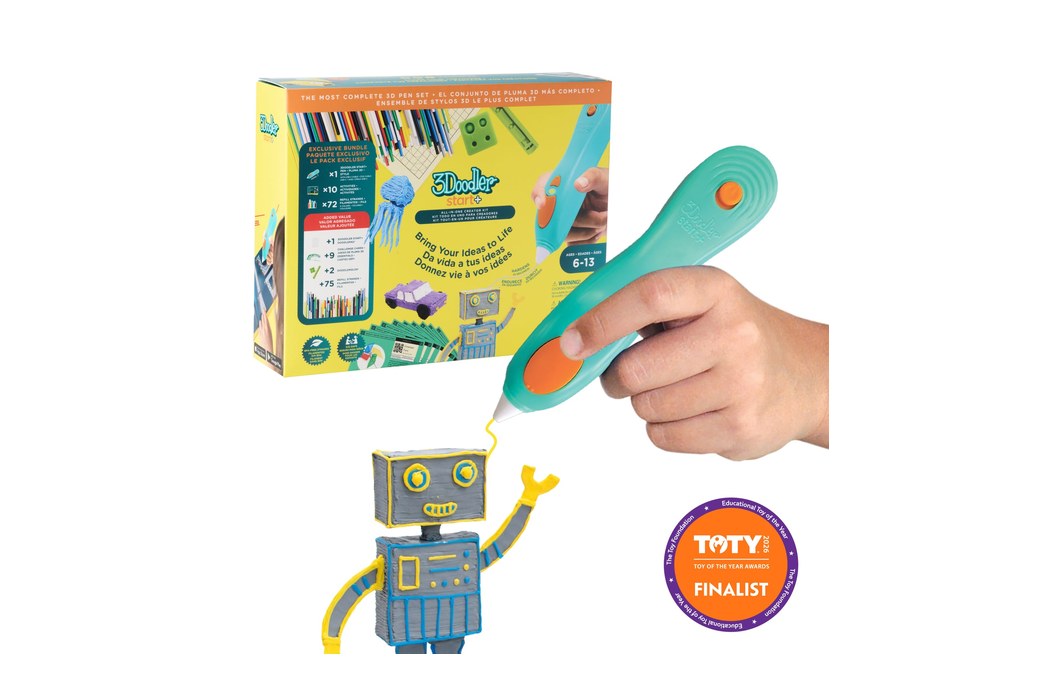
The Printer Jammed. So They Ripped Off the Nozzle and Started a Company.
A jammed 3D printer, a $30,000 Kickstarter ask, and $2.3 million later - how three toymakers turned a mistake into the pen that draws in mid-air.
The Homework Camera That Became Indonesia's $27 Million Bet on Better Math
CoLearn turned a familiar after-school problem - a student stuck on one equation - into a mobile funnel for live, small-group tutoring. Its wager is that Indonesia's education gap is not only about access, but confidence, explanation and the quality of the teacher on the other side of the screen.
The Charter Network That Beat the Odds - and the Rankings
A single Harlem school that opened with 165 kids in 2006 now tops New York State's math rankings and expands into Florida. Here is how Success Academy built it, and who is paying for it.

Hispanic Scholarship Fund
The Hispanic Scholarship Fund (HSF) is a national nonprofit, founded in 1975, that empowers Latino families with the knowledge and resources to complete a higher education, while providing scholarships and support services to as many students as possible. Beyond financial awards ranging from $500 to $5,000, HSF connects roughly 10,000 selected Scholars each year to mentoring, career conferences, internships and employer partners. Through 2022 it had distributed more than $700 million in scholarships, and it now serves over 40,000 Scholars, alumni, parents and community members annually across the United States and Puerto Rico.

Gooroo
Gooroo is a New York-based education technology company founded in 2015 by Scott Lee that pairs students with vetted tutors through personalized matching and pairs that with a library of self-paced online courses and small-group clubs. Built to make one-on-one tutoring affordable and to celebrate individual learning styles, Gooroo grew a network of NYC tutors, ran a 'Gooroo Gives Back' nonprofit arm for underserved students and seniors, and raised roughly $14M across seed rounds. As of 2026 the company paused consumer enrollments while it evaluates a pivot toward trustworthy, accountable AI for learning and student protection.

Inspirit
Inspirit is a Palo Alto-based education technology company building a spatial-computing platform that brings virtual and augmented reality into STEM, career, and workforce learning. Its no-login library of 270+ interactive 3D models and simulations runs across VR headsets like Meta Quest and Pico as well as ordinary Chromebook browsers, letting teachers and trainers plan, run, and track immersive lessons without heavy hardware budgets. Founded by Stanford Graduate School of Education researchers, Inspirit grounds its content in learning science and is used across hundreds of school districts and, increasingly, in workforce and justice-reentry programs.
Rachel Seevers
Rachel Seevers is a Strategy Associate in the Office of the CEO at The Nuclear Company, America's nuclear infrastructure platform. A Lexington, Kentucky native, she made her name as a teenage inventor - winning the $50,000 Intel Foundation Young Scientist Award in 2019 for a jellyfish-inspired underwater propulsion device that improved efficiency by up to 37 percent, after earlier building the patent-pending 'Virtual Winglet' aircraft wing over 7,000 hours of work. She studied mechanical engineering and education at Harvard, cut her professional teeth as a Deloitte analyst, and founded STEM programs to bring girls and underserved kids into science. Now she brings that biomimic's eye for efficiency to the hard problem of building nuclear fleets on time and on budget.

Aditya Vishwanath
Aditya Vishwanath is the co-founder and CEO of Inspirit, a Palo Alto edtech company that brings virtual and augmented reality into middle and high school STEM classrooms. A Georgia Tech computer scientist turned Stanford learning-sciences PhD, he built Inspirit to be the bridge between cutting-edge academic research and the everyday teacher. Before Inspirit he co-founded MakerGhat, a network of makerspaces for youth in low-income Mumbai neighborhoods. He is a Knight-Hennessy Scholar, Schmidt Futures Fellow, Ashoka Fellow, and a Forbes 30 Under 30 honoree in education.

Numerade
Numerade is a Pasadena-based education technology company that turns dense STEM textbooks into short, step-by-step video lessons and an AI tutor named Ace. Founded in 2018 by Nhon Ma and Alex Lee, the platform pairs a network of expert educators with machine learning to give students affordable, on-demand help in math, science, and test prep - aiming to put a tutor in the pocket of any learner who could never afford one.
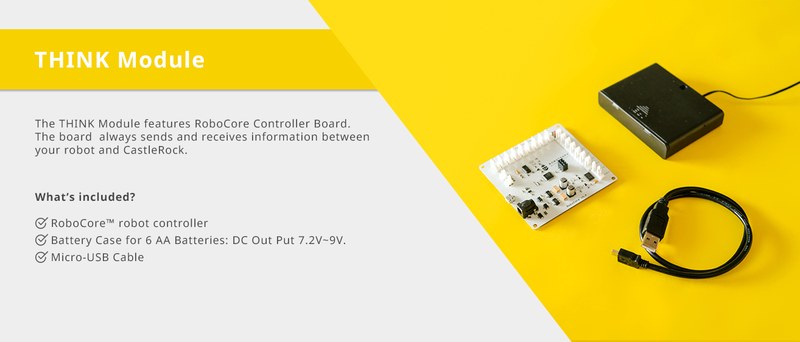
RoboTerra, Inc.
RoboTerra, Inc. is a Silicon Valley educational robotics company founded in 2014 that teaches middle- and high-school students to build robots and write real code. Its flagship Origin Kit pairs more than 85 hardware components and the RoboCore controller with the cloud-based, gamified Castle Rock learning platform, turning C++ programming into something a 10-year-old can pick up. Led by founder and CEO Yao Zhang, a World Economic Forum Young Global Leader, the company set out to make hands-on robotics education accessible far beyond elite schools, reaching institutions across dozens of countries.
zSpace, Inc.
zSpace builds headset-free augmented and virtual reality learning systems that let students hold and manipulate lifelike 3D objects on a laptop or all-in-one screen using a stylus and head-tracking glasses. The platform powers STEM and career-and-technical-education programs - from dissecting a virtual frog to wiring a circuit or exploring human anatomy - in thousands of U.S. school districts and 50-plus countries. Founded in 2007 as Infinite Z and renamed zSpace in 2013, the San Jose company went public on the Nasdaq in December 2024 under the ticker ZSPC.
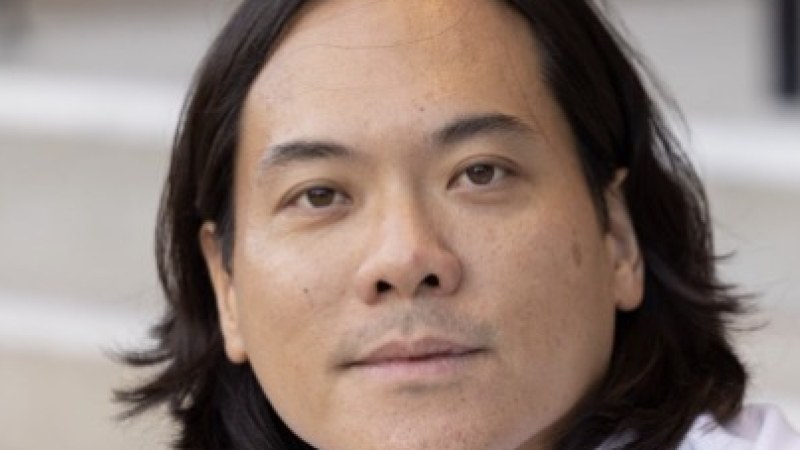
Nhon Ma
Nhon Ma is the CEO and co-founder of Numerade, a Los Angeles-based education technology company building AI-powered STEM tutoring at scale. The son of Vietnamese refugees who grew up in south-central LA, he turned a full-scholarship private-school education and a two-tour stint at Google into a mission to close the educational opportunity gap. Numerade hosts one of the largest STEM video libraries online and an AI tutor named Ace, and raised a $26M Series A at a roughly $100M valuation.

Fork Farms
Fork Farms is a mission-first agriculture technology company in Green Bay, Wisconsin that builds self-contained indoor vertical hydroponic systems - led by the Flex Farm - paired with a digital platform (Farmative) and K-12 curriculum. Its technology lets schools, hospitals, nonprofits, food pantries, businesses and homes grow hundreds of pounds of fresh produce per year on-site using a fraction of the water and land of conventional agriculture, turning food access into something anyone can do indoors.

Alexander Patterson
Alexander Patterson is the founder and CEO of BEAT THE BOMB, the immersive social video game where teams in hazmat suits race through networked game rooms and either disarm a bomb or get blasted with paint, slime, or foam. A former tax lawyer turned Tough Mudder marketing chief, he built BEAT THE BOMB into a multi-city experiential entertainment brand that has hosted corporate teams from Google, Citi, Bloomberg, and Amazon, raising $22 million to expand across the United States.

The New York Academy of Sciences
The New York Academy of Sciences is one of the oldest scientific organizations in the United States, founded in 1817. A nonprofit professional society with more than 20,000 members across 100 countries, it convenes scientists, students, policymakers and the public to advance research, education and expertise. Its work spans flagship recognition programs like the Blavatnik Awards for Young Scientists and the Tata Transformation Prize, global STEM education through the Junior Academy and Global STEM Alliance, crisis-response coordination via the International Science Reserve, and the long-running peer-reviewed journal Annals of the New York Academy of Sciences.

Dale Dougherty
Dale Dougherty is the founder of Make: magazine and Maker Faire, and widely credited as the father of the Maker Movement. A co-founder of O'Reilly Media, he launched the internet's first commercial web portal (GNN) in 1993, helped popularize the term 'Web 2.0' in 2004, and coined the word 'makers' to describe hands-on creators and tinkerers. Today he leads Make: Community LLC, an organization that inspires millions through DIY technology, education, and events spanning 40+ countries.

Anurupa Ganguly
Anurupa Ganguly is the founder and CEO of Prisms, a spatial learning platform that uses virtual reality to teach core math and science to middle and high school students. A former math and physics teacher with degrees from MIT and Boston University, she built Prisms after a decade-plus in education leadership at Boston Public Schools and the NYC Department of Education. Backed by Andreessen Horowitz with $18.4M raised, Prisms now reaches 300,000+ students across 300+ school districts in 35 states, delivering measurable gains in algebra and science comprehension through embodied, problem-driven VR experiences.

Alice Brooks
Alice Brooks is a Partner at Khosla Ventures investing in deep tech and sustainability - agtech, climate tech, robotics, food & beverage, manufacturing, and education from seed through Series B. Before venture, she co-founded Roominate, the STEM construction toy that landed Time's #1 toy of 2014 and a $500K Shark Tank deal from Mark Cuban and Lori Greiner. A mechanical engineer turned investor, she holds degrees from MIT, Stanford, and Harvard and has led hardware teams at Nest and startup operations across the US and Asia.
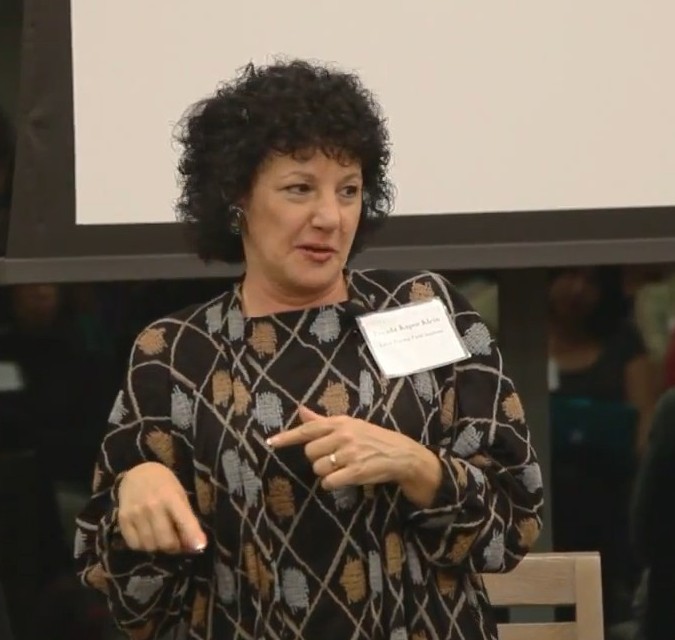
Freada Kapor Klein
Freada Kapor Klein, Ph.D. is a founding partner at Kapor Capital, a social-impact venture firm that has invested in 200+ startups founded by underrepresented entrepreneurs while outperforming 75% of peer VC firms by financial returns. Long before #MeToo, she co-founded the first U.S. organization dedicated to combating workplace sexual harassment (1976), earned a Ph.D. studying harassment in federal employment, and built diversity programs at Lotus Development Corporation. She co-founded SMASH (Summer Math and Science Honors Academy), the Level Playing Field Institute, Project Include, and the DAIR Institute, and co-authored 'Closing the Equity Gap' (HarperCollins, 2023). Former NAACP National Board member and Obama Foundation Tech Policy Council member, she has spent five decades dismantling the belief that fairness and financial return are mutually exclusive.
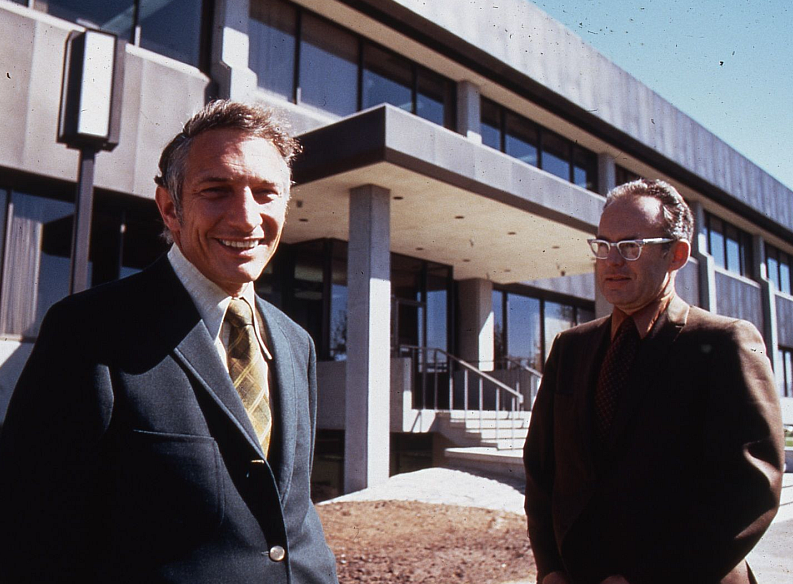
Robert Noyce
Robert Norton Noyce co-invented the monolithic integrated circuit in 1959 - the foundational technology behind every modern chip - and then co-founded Intel in 1968, where he also invented Silicon Valley's flat, equity-sharing management culture. Nicknamed 'The Mayor of Silicon Valley' and 'Rapid Robert,' he was a physicist, pilot, hang-glider, and former pig thief who transformed both how the world computes and how technology companies are run.