public-health
(73)
Indivior bets on a month of breathing room
A monthly injection changed the economics of Indivior. The harder question is whether changing the treatment calendar can help more people stay in care.
DeepTek takes on the X-ray queue
An AI model can flag a suspicious chest X-ray. DeepTek is building the machinery around that moment - from mobile TB screening to hospital reporting - and changing what eligible health programs pay for it.

Patrice Harris and the Long Practice of Opening Doors
From a close-knit West Virginia childhood to the presidency of American medicine, Harris has built a career by moving between rooms - and holding the door for the people coming next.
The Health Agency That Learned to Say No
M Booth Health spent years proving that specialist knowledge and consumer creativity could share an office. Then 2025 took away two large pieces of revenue - and the agency discovered that its sharpest growth tool was refusing most of the work offered to it.

The 503 Percent Question: How IQ Solutions Turns Public Health Into Something People Can Use
A federal health message can be accurate and still fail. For more than three decades, IQ Solutions has built a business around the last mile between official information and a human decision.

The Health Agency That Bought the Missing Pieces
JPA Health began with an unfashionable idea: healthcare messages work better when the people who understand policy, patients, science and data sit at the same table. Then it spent two years buying the chairs it was missing.

The Agency That Put the Public in Public Relations
Most agencies sell products. Sherry Matthews Group sells the harder thing: a change of mind - about vaccines, seat belts, transit, tobacco and the planet.
The Fact Sheet Lost the Argument. Unbiased Science Built an Escape Room.
A public-health data scientist discovered that being correct was only the opening move. Six years later, her company pairs evidence with empathy, jokes, risk tools and a training game in which clinicians escape by having a better conversation.

The Agency That Sells the Moment Someone Changes Their Mind
For more than 50 years, Hager Sharp has worked in the awkward space between a fact and an action. Its real product is not publicity. It is the carefully researched nudge that gets a parent, teacher, patient or policymaker to do something different.
The Parents Were the Audience All Along
TMNcorp built a communications business around a useful humiliation: the first audience, phrase, or format you choose may be wrong. Research finds the mistake before the media budget makes it expensive.
Innsena Bet on the Buyers Health Tech Kept Overlooking
When private digital-health funding tightened, the Atlanta consultancy shifted its balance toward Medicaid, public health, and government-backed work. The move turned policy fluency and relationships into a practical go-to-market advantage.
The Quiet Machinery Behind the Public Health Message
Lumina Corps makes complicated health information usable - one conference, toolkit, website, and carefully tested sentence at a time.
The Public Good Projects Found a Second Epidemic Hiding in Plain Sight
Public health used to broadcast. PGP built a listening post - then turned the signal into campaigns, training and news people might actually use.
The Kids Who Learned to Move City Hall
CivCom began with teenagers calling out tobacco marketing. Now it helps public-health coalitions turn local voices, research and stubborn follow-through into policies that stick.

The 39-Year Bet on Saying No
Vanguard Communications built a durable agency by refusing the usual agency premise: that every paying client is a plausible client. Its narrow filter - communication in service of public good - became a surprisingly wide field of work.

McCann Health Put the Medical Record on a Child’s Wrist
The agency’s sharpest ideas did not ask people to learn a new behavior. They hid better health inside habits people already trusted - a bracelet, a loaf of bread, a breath into a phone.
California built a network of trust. Then the office closed.
OCPSC put public money behind familiar local voices, carrying state information into communities in 56 languages. Its four-year run offers a practical lesson in outreach - and in the limits of a temporary budget.

Berkeley Media Studies Group asks who is missing from the story
A Berkeley research group counts the voices and ideas that health coverage leaves out. Then it helps advocates put them back into the public debate.

Before you change a mind, change the message
Young Communications Group helps public institutions speak to the communities they need to reach. Its work shows why the useful part of a campaign often happens before anyone writes the ad.

SGA Marketing and the fish that stayed off the dinner table
A former environmental engineer built a communications firm around the stubborn distance between knowing better and doing differently. Its work takes marketing out to the pier, into the classroom, and down to the recycling bin.
The Berkeley team that lets the reader rewrite the instructions
Health Research for Action turns public-health research into guides, tools, and messages people can use. Its most revealing work begins when the intended audience finds something the experts missed.
HelpGood knows a good cause needs a better invitation
A bear, a pair of Nobel laureates, and a campaign with no paid media budget: inside the agency that turns worthy causes into things people actually join.
Civilian lets the audience into the writers’ room
The agency behind California’s Never a Bother campaign gave young people a say in the message, the design, and the messenger. Its most useful lesson begins before anyone buys an ad.

SGA Marketing Knows Why the Paint Is Still in Your Garage
The California communications firm turns everyday obstacles into public-interest campaigns. Its work starts with an unfashionable question: what is actually stopping people?
Bionical Solutions found a better way to engage: fewer platforms
Five education platforms became one, and more pharmaceutical reps used it. Inside the healthcare digital business that makes the next step easier for clinicians, patients and public-health teams.
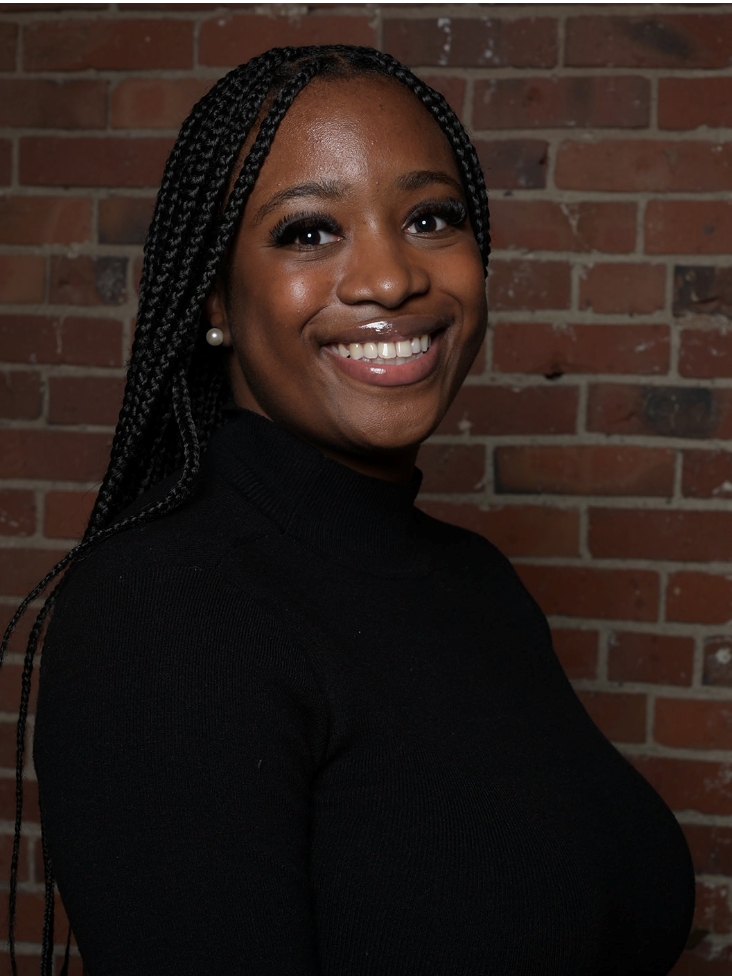
Kendra Canton Has Been Building a Seat at the Table Since College
Before the degree and the policy roundtables, there was a Spokane teenager doing homework first and everything else second. A decade later, Kendra Canton's work still follows the same practical rule: earn your place, then use it to bring more people into the room.
The Software Behind the Test Results Nobody Can Afford to Lose
Clinisys sits in the quiet, high-stakes gap between a specimen arriving and an answer going out. Its next act is to turn decades of specialist lab software into one cloud platform - without breaking the workflows that already move billions of tests.

Verily Bet Billions on Health Moonshots. Then It Learned to Clean the Data.
The Alphabet spinout tried smart contact lenses, surgical robots and a watch built for research. After layoffs and a strategic reset, its real product looks less cinematic - and potentially more useful: turning health care’s unruly data into evidence, decisions and care.
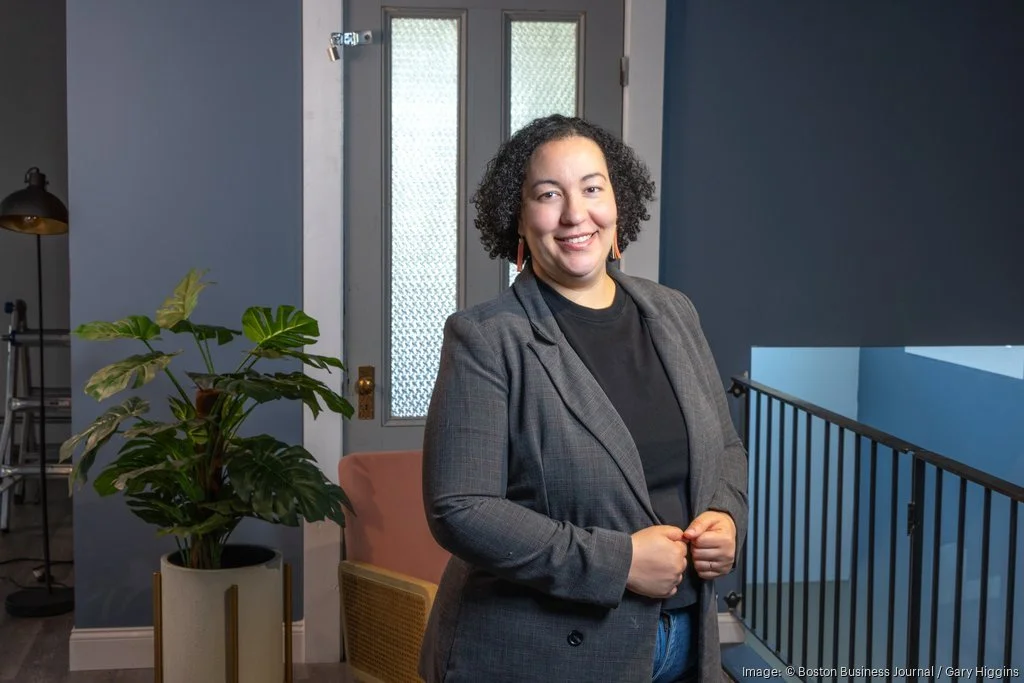
Tariana Little Put Public Health Behind the Camera
A failed qualifying exam loosened one plan. A 90-day Craigslist experiment supplied another. Tariana Little turned research, a camera and an insistence on community voice into an agency built to make complex work feel human.

Durham Region Runs the Business Nobody Can Opt Out Of - Here’s the Playbook for Making 780,000 Customers Feel Local
Durham’s real product is coordination: one regional layer for pipes, buses, health, housing and emergencies across eight very different municipalities. Its useful lesson for operators is simple - scale the hard infrastructure, then make the front door feel local.