marketplaces
(95)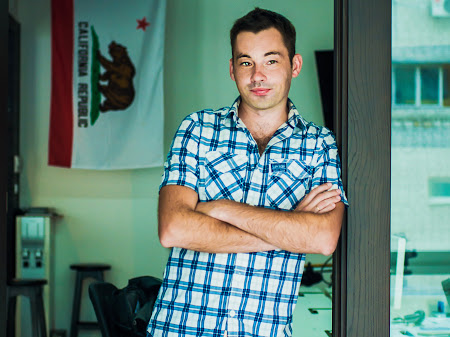
Andrey Horsev learned the product business one experiment at a time
From a web studio in Dnipro to ringtones, marketplaces and open data, the 908 co-founder has kept finding new uses for the internet. His career is a story of small conveniences, costly lessons and a willingness to start again.

Jackson Square Ventures plays the long game
A Friday bike ride. A room full of books. A summer spent building. Inside the venture firm turning repeated contact into an investment approach.
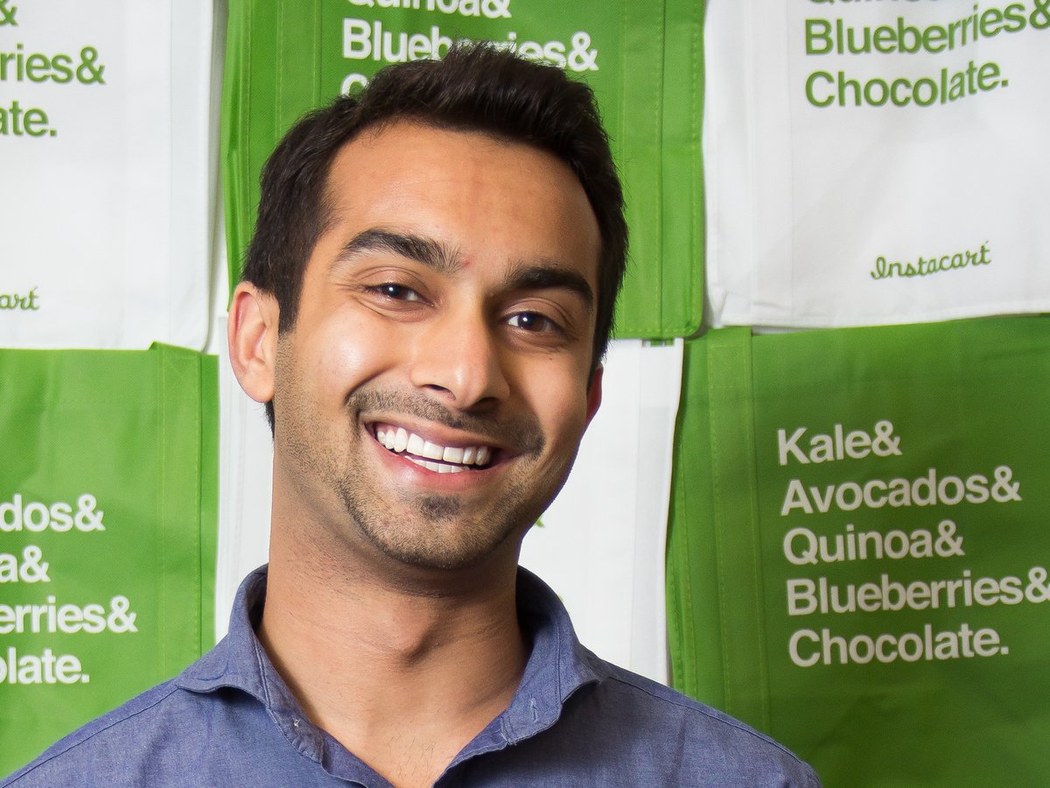
Apoorva Mehta tried 20 ideas. Then he opened the fridge.
Before Instacart, Apoorva Mehta built roughly 20 products that went nowhere. A familiar household nuisance gave the engineer a business worth sticking with - and a lesson he is still testing.
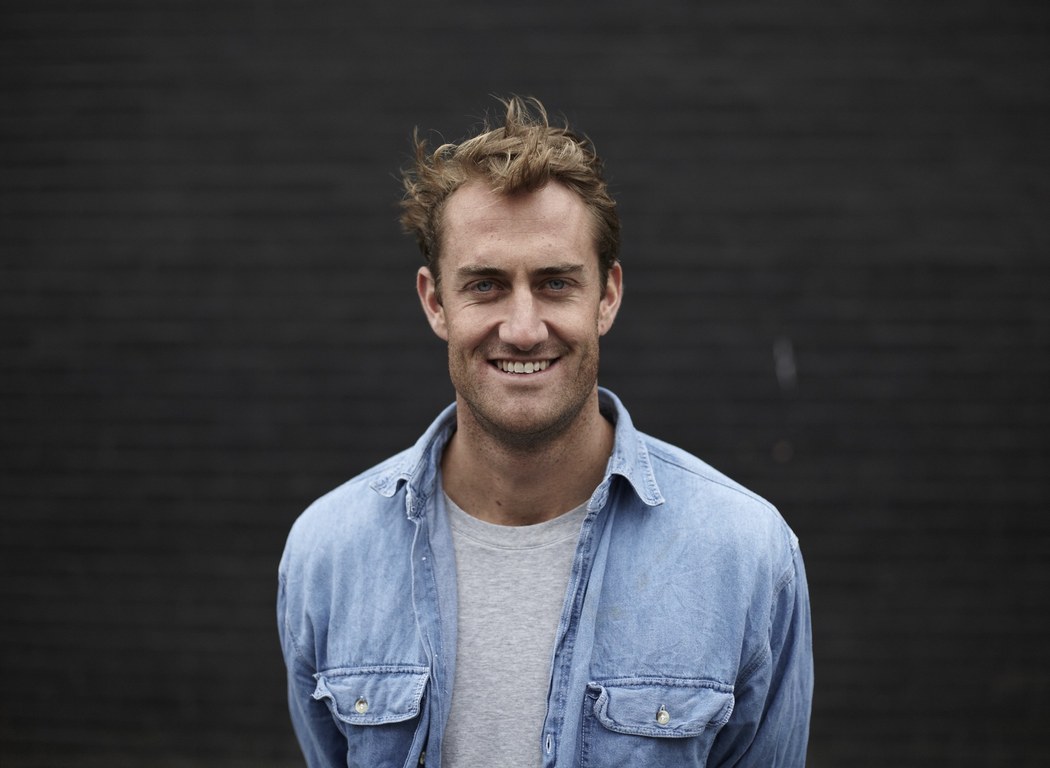
Jack Pratten needed ten Spanish speakers. He got a business lesson.
A subway recruitment mishap gave Respondent’s co-founder a lasting problem to solve: finding the right people to ask. His answer grew from street-level improvisation into a global research marketplace.
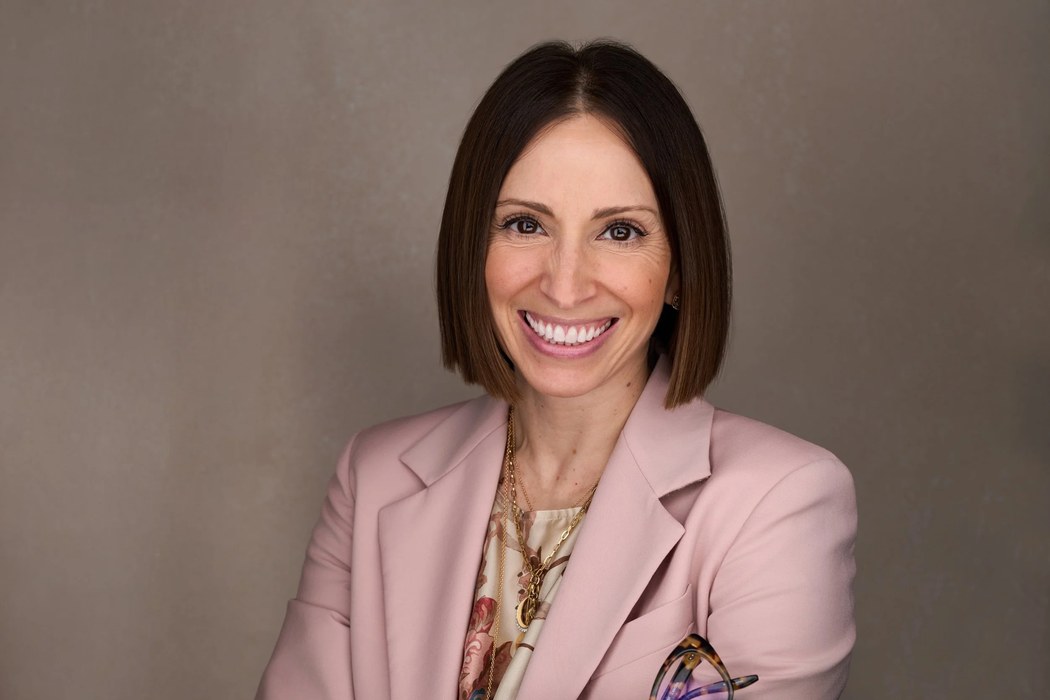
Leah Solivan turned a dog-food problem into Taskrabbit
A Boston errand became a marketplace acquired by IKEA. Now the engineer who founded Taskrabbit is backing founders, hosting Breaking Precedent, and asking which rules deserve to survive.
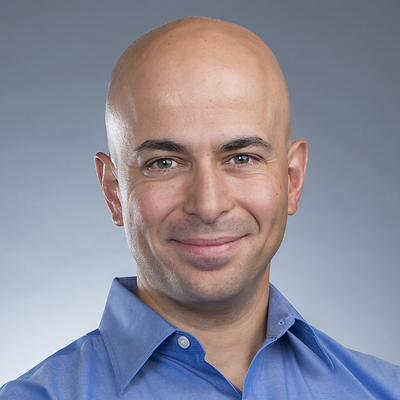
Giorgos Zacharia has spent a career making choice less of a chore
From MIT’s machine learning labs to KAYAK and Insurify, Giorgos Zacharia keeps returning to the same problem: helping people make a decision they can trust. Now he is asking what happens when an AI agent does the shopping.
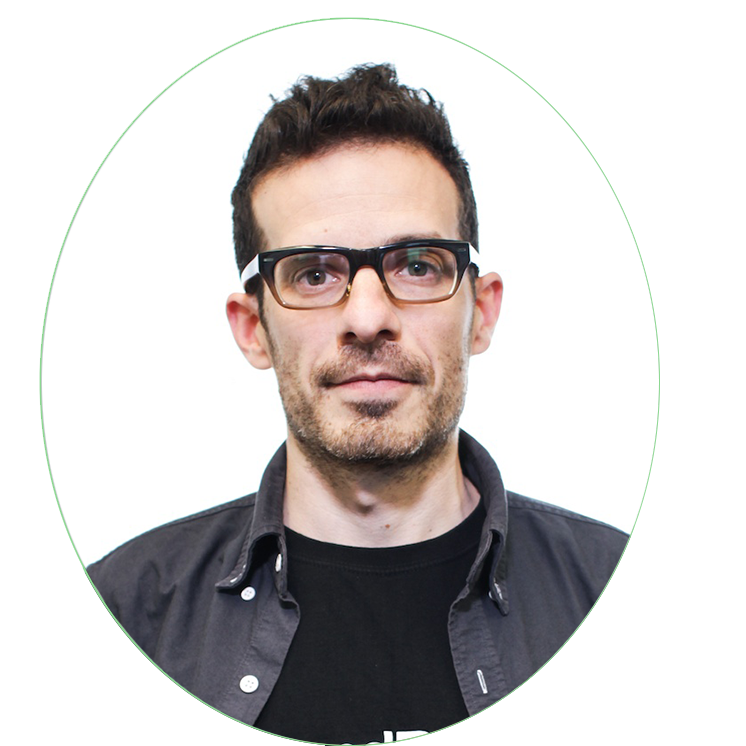
Shachar Gilad built a way to finish the song. Then he bought it back.
A musician who worked on music software at Apple and Waves, SoundBetter’s co-founder made a business of finding the right collaborator. The journey took him to Spotify, back to independence, and into a new chapter building tools for the people behind the records.
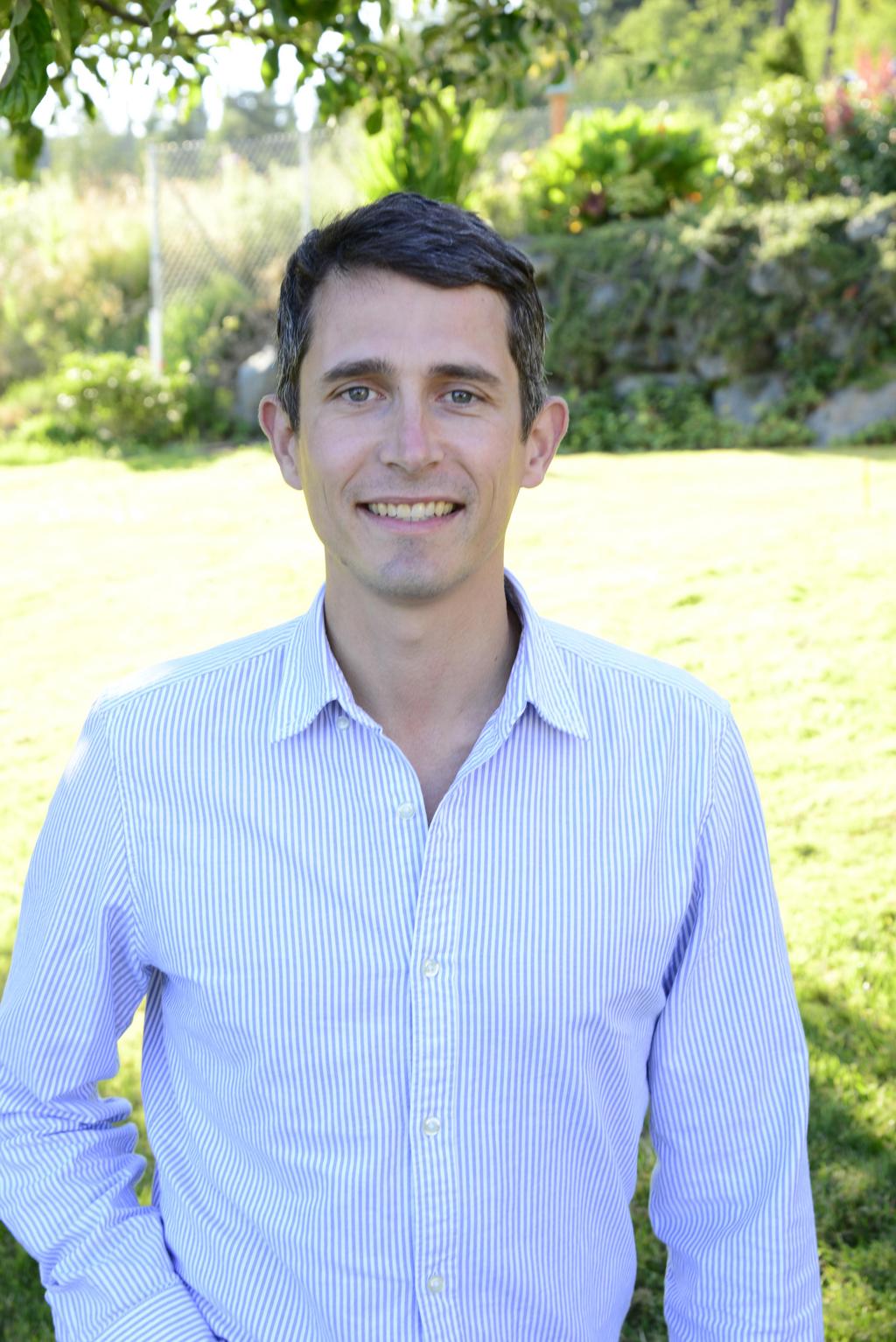
Dan Lewis put freight on a phone. Now he’s chasing the cost of AI.
A clipboard, a truck stop and six weeks of questions helped Dan Lewis start Convoy. After a $3.8 billion valuation and a shutdown, he is taking his interest in wasted capacity into AI infrastructure.
Rob Kalin built Etsy. The workshop never left him.
A carpenter helped put handmade goods on the global shopping map. His next chapters - shared workshops, a school in Catskill, and a reported new computing device - keep returning to what people can make for themselves.
Jeff Fluhr put a guarantee on a stranger’s ticket
Before StubHub became a familiar name, Jeff Fluhr and Eric Baker had to make buying a stranger’s ticket feel sensible. The former CEO’s story runs from toy-store sales calls to a $310 million deal, then back to the pleasure of building.
Alpay Koralturk and the trouble with a perfectly good sofa
Seven New York moves helped convince Alpay Koralturk that furniture deserved a second life. Building Kaiyo meant taking responsibility for everything between one living room and the next.
Cody Candee and the things that get in the way
A backpack sent a colleague home before happy hour. Cody Candee kept thinking about the detour - and built Bounce around giving people their time back.
Nathan Hecht and the trouble with buying a car
A frustrating lease sent Nathan Hecht into the car business. With Rodo and then Cario, he has kept following the transaction to the next thing that holds it up.
Chuck Gordon’s education in empty space
A ceramics student needed somewhere to leave his furniture. Chuck Gordon turned that inconvenience into SpareFoot, then spent 18 years learning how much business an empty room could hold.
Simón Borrero and the unfinished business of getting there
Before Rappi, there were telephone orders, an agency with 5,500 models and no bookings, and a grocery shelf on a screen. Simón Borrero’s career follows the distance between a promising idea and something that actually arrives.
Amir Nathoo and the education that happened after school
A childhood computer hobby became a career, then a question: what if more children could follow their interests that far? The Outschool co-founder has handed over a company built around that possibility.
Jay Bregman and the business of a shorter wait
A courier algorithm called Larry, three London cabbies, and an insurance policy measured in hours. Jay Bregman’s career follows the awkward gap between having work to do and being able to do it.
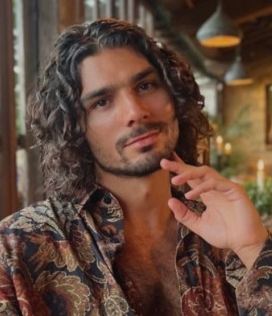
Dominic Esposito and the art of finishing all ten events
Before he built staffing software, Dominic Esposito competed in the decathlon. His route from Babson’s track to Jitjatjo and Dayforce runs through the unglamorous details that make a complicated system work.
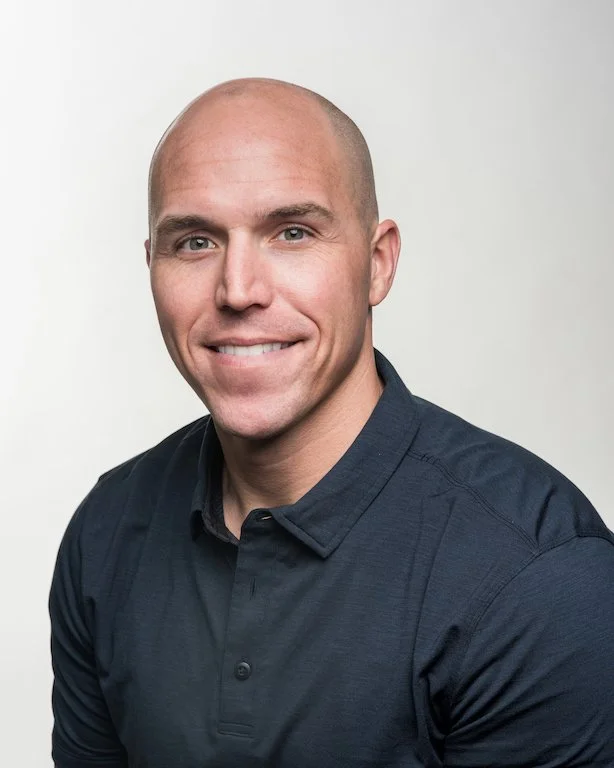
Matt Tant and the price of knowing someone
A Vanderbilt fullback became a recruiter, then started asking who should get paid for an introduction. Relode grew out of that question, with a salesman and a software builder sharing the work.
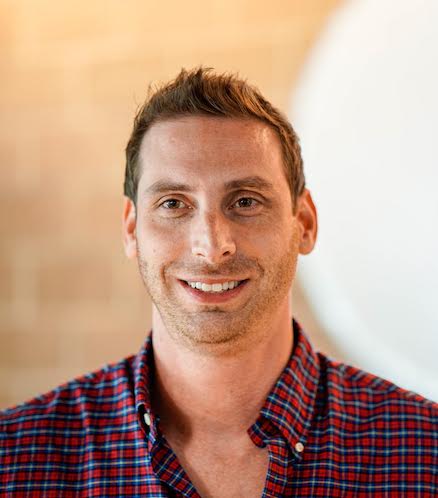
Corey Brundage and the Trouble With Getting Help
A dead battery sent Corey Brundage into the towing business. Building HONK taught him that the hardest part of roadside assistance was getting everyone moving in the same direction.
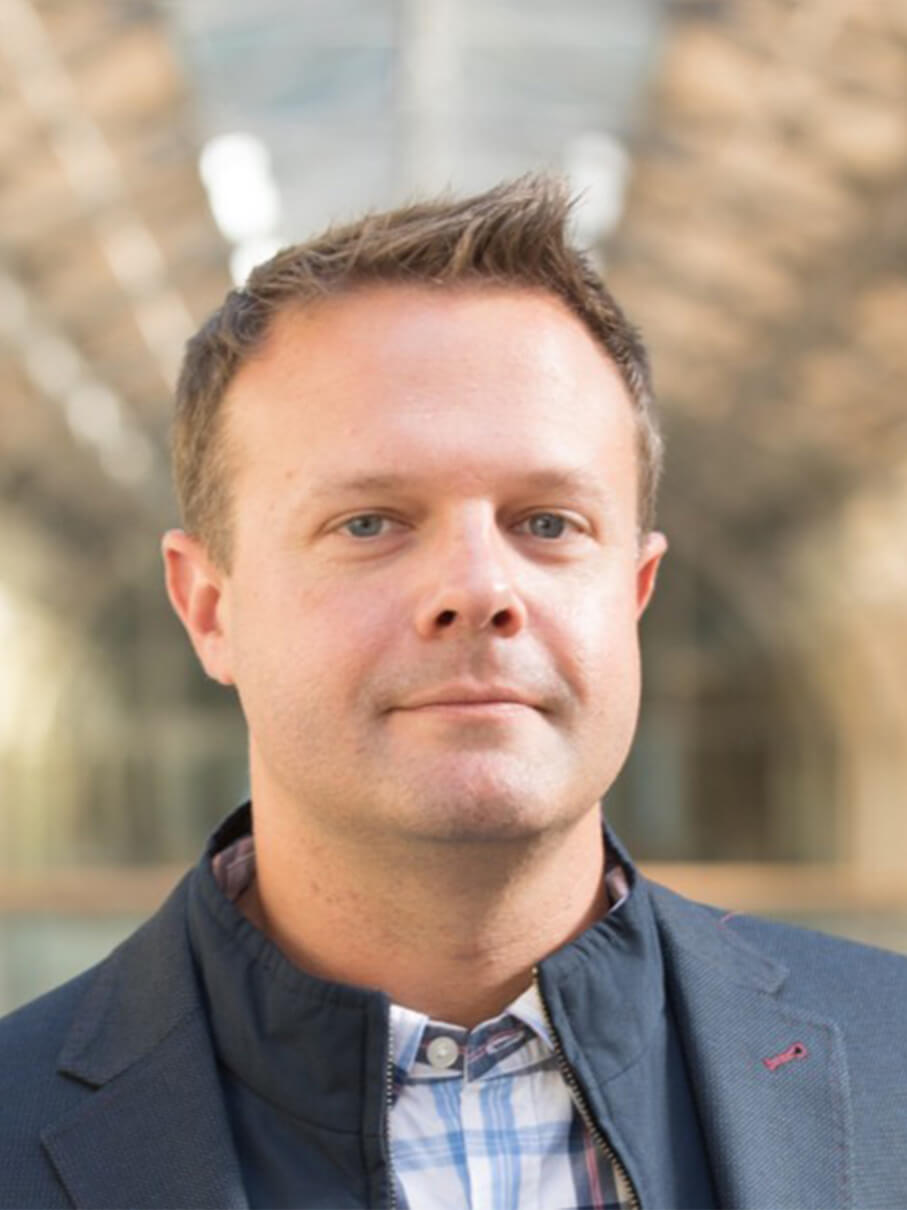
Adam Jackson and the price of getting people together
From assembling PCs in Ohio to co-founding Doctor On Demand and Braintrust, Adam Jackson keeps returning to the same question: what should it cost to connect two people who need each other?
Howard Migdal and the last few dollars before dinner
He co-founded a Canadian answer to Grubhub, then became Grubhub’s CEO. Now Howard Migdal is betting that a better deal at checkout can give customers a reason to come back.
James Kessler and the business of the second act
Before he ran RB Global, Jim Kessler worked through the practical business of keeping cars, companies and teams moving. His next assignment is to make a sprawling marketplace work as one.
Scott Cutler and the price of belonging
From the New York Stock Exchange to a marketplace for sneakers, Scott Cutler has spent his career thinking about why people trade. Along the way, he has had to reconsider how he leads.
Jeffrey Leventhal and the four-hour problem
Before WorkMarket, Jeffrey Leventhal built a nationwide service network from phone books. His next companies kept returning to the same question: how do you get the right person to the work?
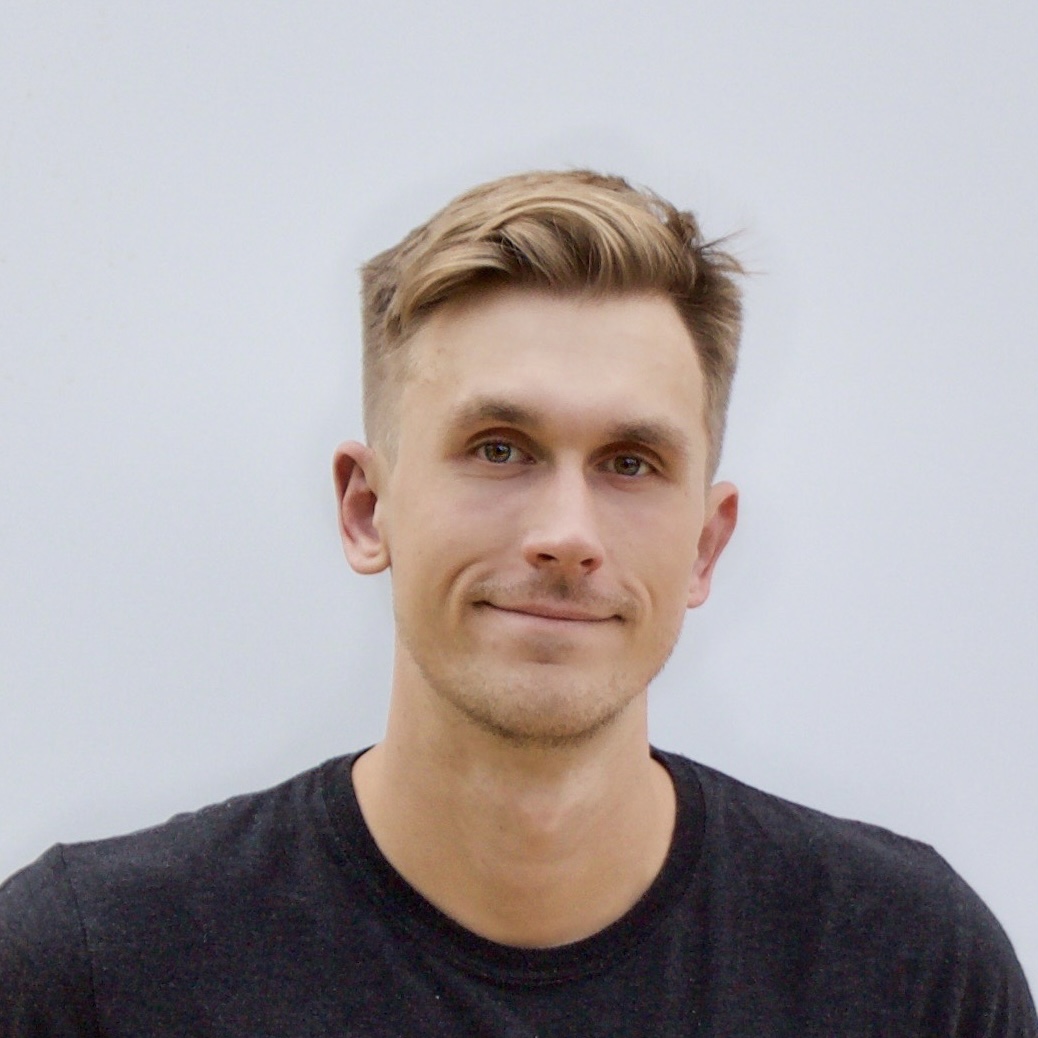
Noah Plewa and the distance between people
Village began with a question about making his own education available to more children. At Paraform, Noah Plewa brought a founder’s experience to a different marketplace - and found his next job by working around a broken application process.

Merlin Kauffman and the business of getting there first
Before he co-founded Soothe, Merlin Kauffman bought and sold the addresses of the internet. Then a booking problem sent him into a business where owning the name was only the beginning.
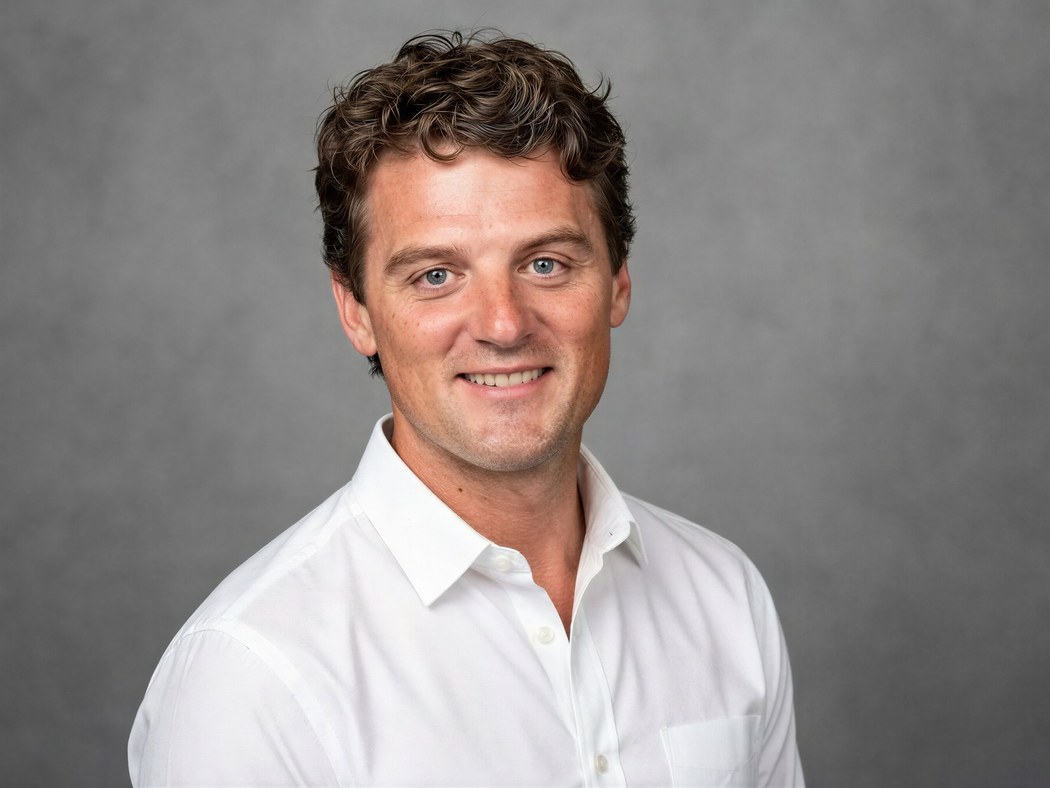
Matt Maloney and the trouble with getting dinner
An apartment-search programmer helped put takeout online. Two decades after co-founding Grubhub, Matt Maloney is back with familiar colleagues, applying lessons from dinner delivery to drivers waiting for roadside help.
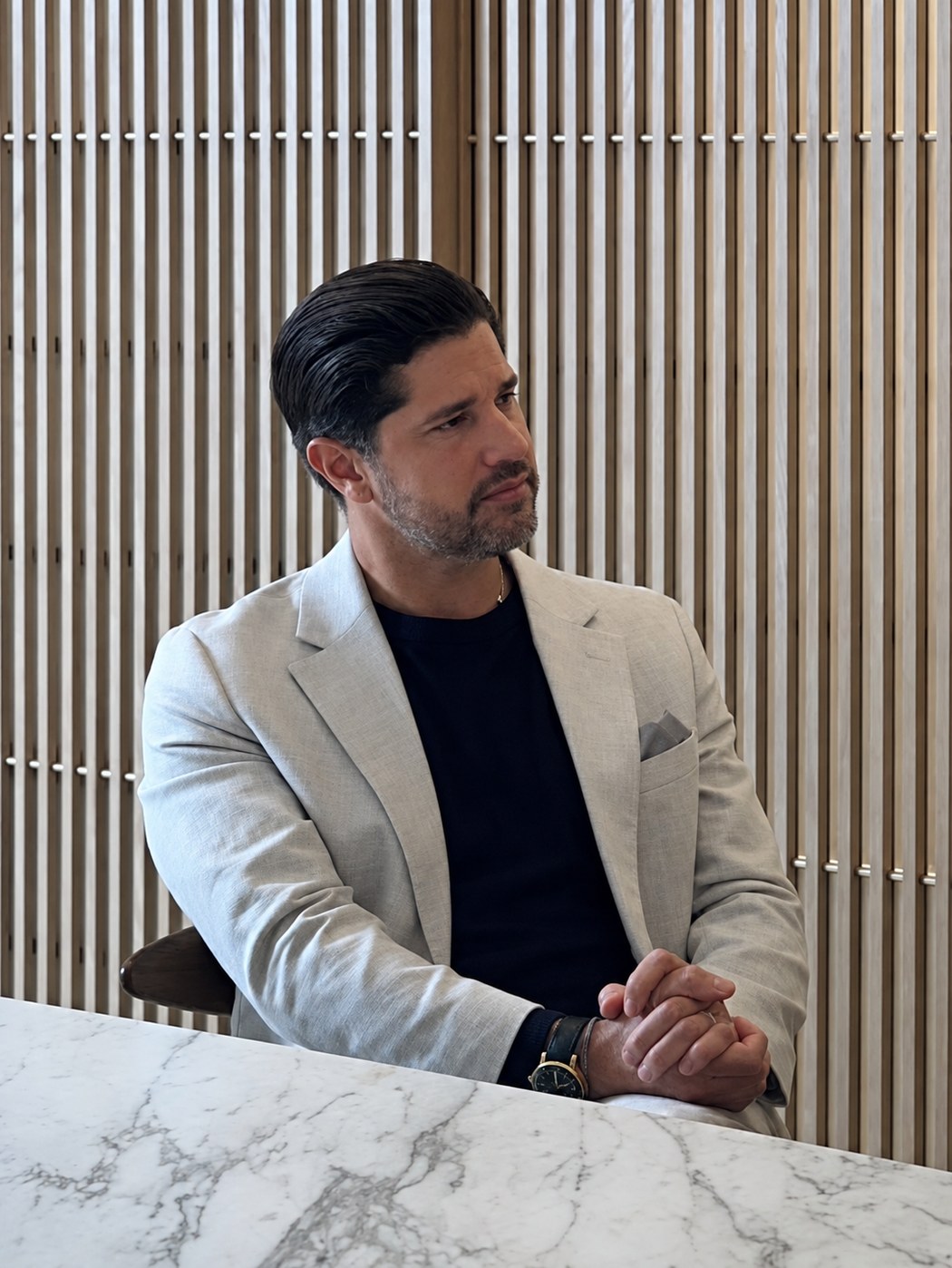
Javi Ortiz and the things a price tag misses
From Morgan Stanley to Miami property deals, Javi Ortiz has worked where value meets negotiation. With SoüK, he is testing what happens when an exchange needs more than two people.
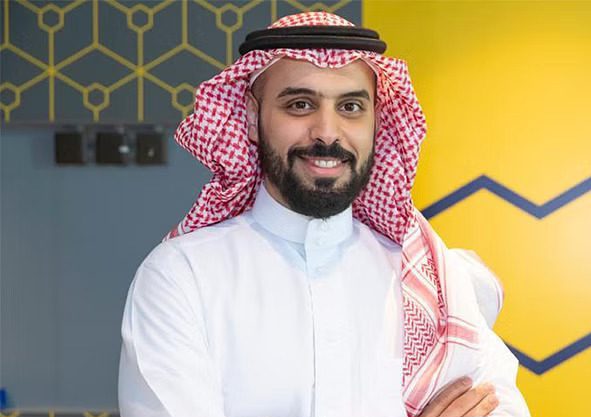
Ayman Alsanad and the One Person Who Turned Up
An early Mrsool courier meeting drew one attendee from 70 invitations. Ayman Alsanad kept building - through a salary cut, a stadium deal and, eventually, the decision to leave the executive seat.