space-tech
(31)
Rocketship.vc finds the company before the introduction
Venture capital runs on introductions. Rocketship.vc built a search engine for the companies outside that circle - and a business around calling them first.
FoundersX Ventures bets on the whole AI machine
From quantum chips to hospital billing, FoundersX Ventures follows the machinery behind AI. Its most useful lesson for founders starts with a very ordinary problem: getting paid.

I3P: Where clever inventions learn to earn their keep
A prototype can impress a professor and still leave a customer cold. Turin’s university incubator works in the awkward space between the two, connecting technical founders with the people, tests and capital a business needs.

India Accelerator Wants a Seat at the Workbench
The Gurugram firm has built a business around the work that follows a funding announcement. Its bet: founders need help finding customers, testing assumptions and opening industry doors as much as they need capital.
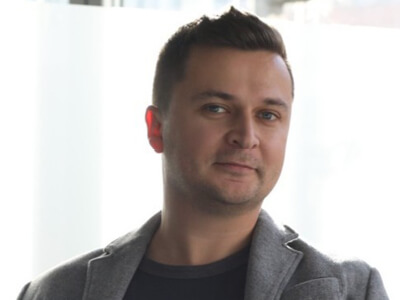
Jerry Javornicky Is Teaching Computers to Read the Earth
The SpaceKnow co-founder went from fixing classmates' computers to turning satellite pixels into economic and security signals. His enduring idea is simple: physical reality leaves a trace, and software can learn to read it.
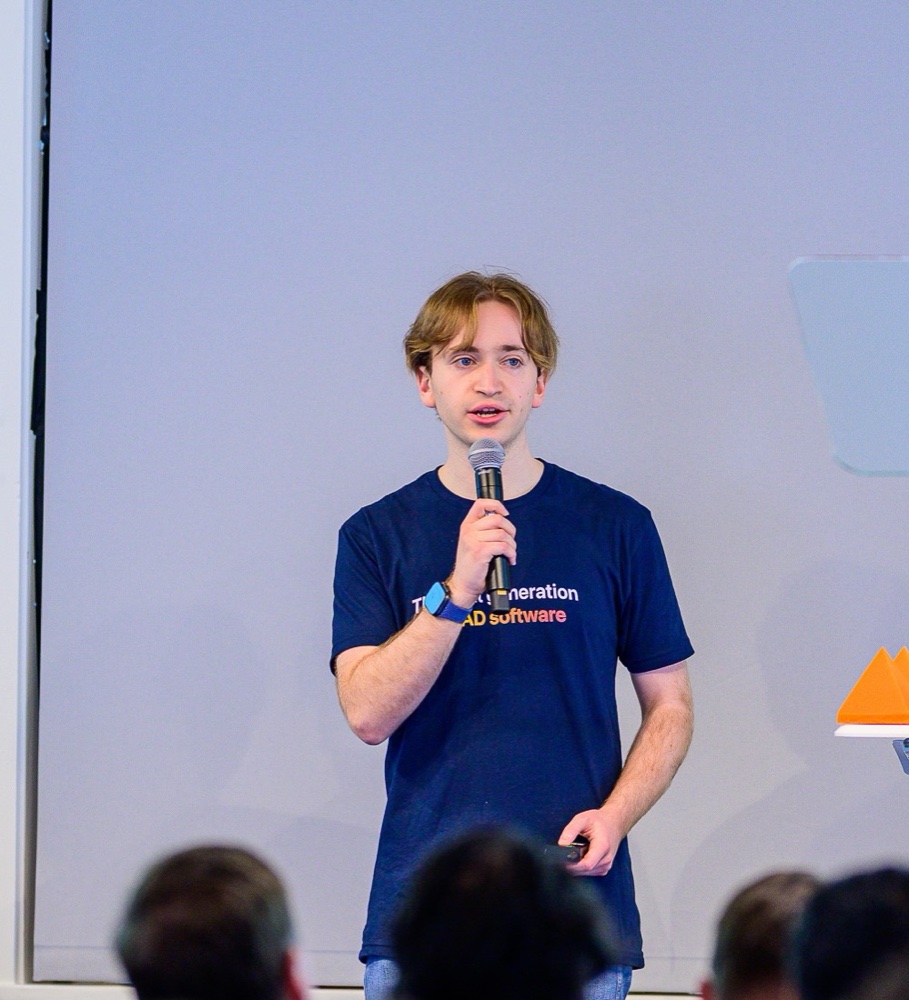
Michael Baron Wants CAD to Move at the Speed of Thought
After writing software for rovers, satellites, rocket engines and GPUs, the Aurorin founder is taking on a quieter engineering delay: the long pause between an idea and the object it becomes.
Dhenenjay Yadav Is Teaching Radar to See the Earth in Plain Sight
A childhood fascination with space became a practical obsession: make satellite data legible when clouds, smoke and darkness get in the way. Now the AxionOrbital co-founder is turning radar noise into a clearer view of a changing planet.
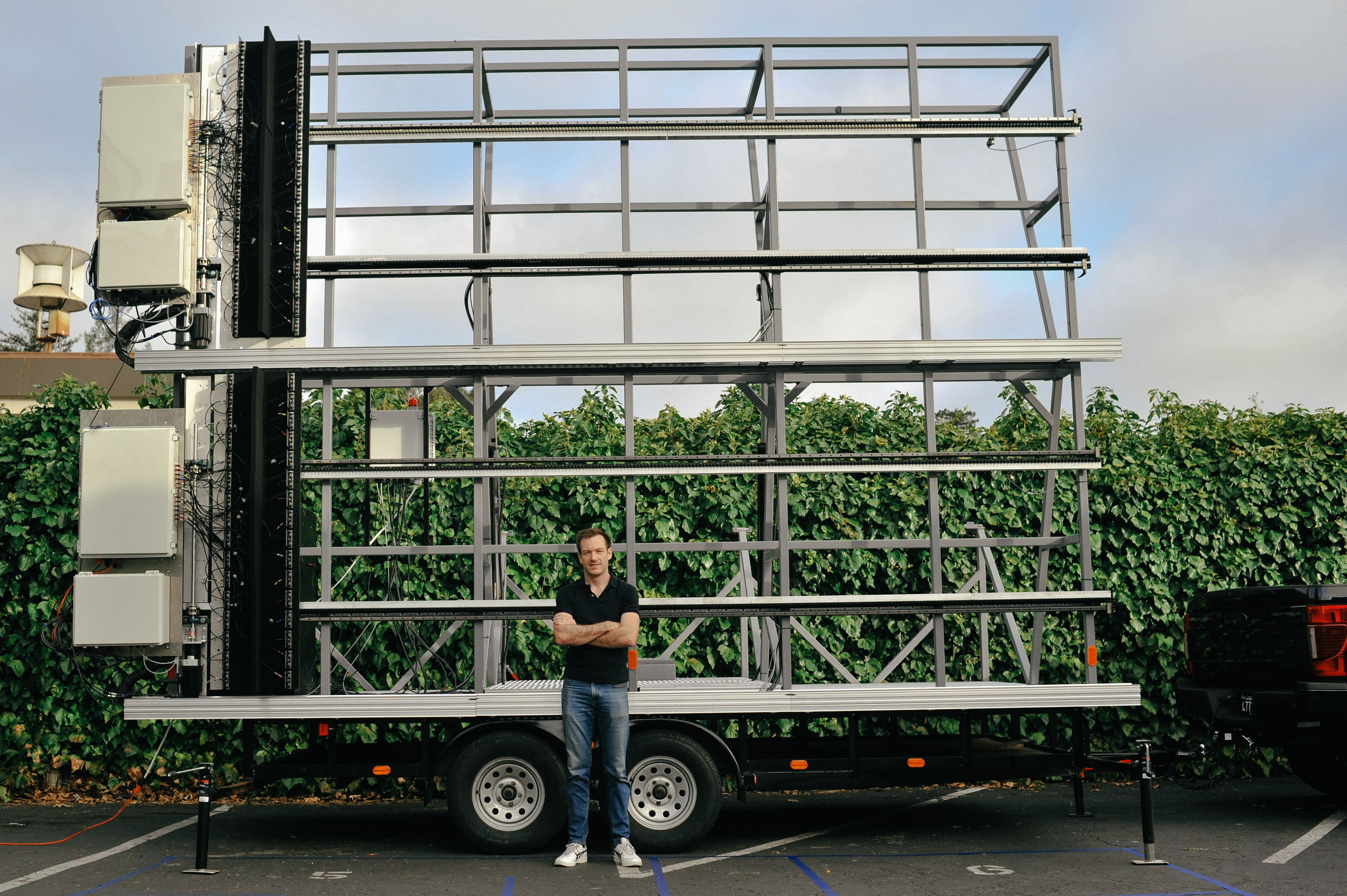
Andrew Peterson Is Turning Radar Satellites Into a Team Sport
The aerospace engineer behind Array Labs wants clusters of modest satellites to see more than one exquisite machine ever could. His bet is equal parts radar physics, manufacturing discipline and a founder’s reluctant conversion to sales.

FUSE Is Betting Seattle’s Best Network Can Beat Silicon Valley’s Biggest Checkbook
The six-year-old venture firm has more than $420 million to deploy and a deliberately local edge: turn the Pacific Northwest’s operators, buyers and repeat founders into an unfairly useful network for the next generation.

The VC Betting That Space Is an Earth Business
Sidney Nakahodo left the World Bank to fund rocket welders, orbital robots and satellite-data startups. His pitch to skeptics: the most useful thing about space is what it does for the planet you can already see out the window.
The Venture Fund Teaching Deep Tech to Speak Government
AIN Ventures backs science-heavy startups that can sell to both industry and government. Its edge is less about waving a defense-tech flag than translating between two markets that rarely move at the same speed.

The Fund That Bets on Lab Coats, Not Hoodies
A female-founded merchant bank in Singapore is quietly wiring together capital, regulators and non-dilutive grants to push quantum, climate and brain-health science out of the lab - and it is measuring the results in billions mobilized, not just term sheets signed.

The VC That Thinks Your Moonshot Has a Marketing Problem
Spacecadet writes $100K-$500K checks into frontier science, then hands founders a creative studio built to sell the impossible. Marc Andreessen and Chris Dixon are along for the ride.

The VC Firm Where the Founders Salute First
Justin Nahama and three partners are betting that the discipline that runs toward gunfire also builds companies. Their first fund is oversubscribed, their portfolio has raised over $350 million, and a $50 million second fund is now open.
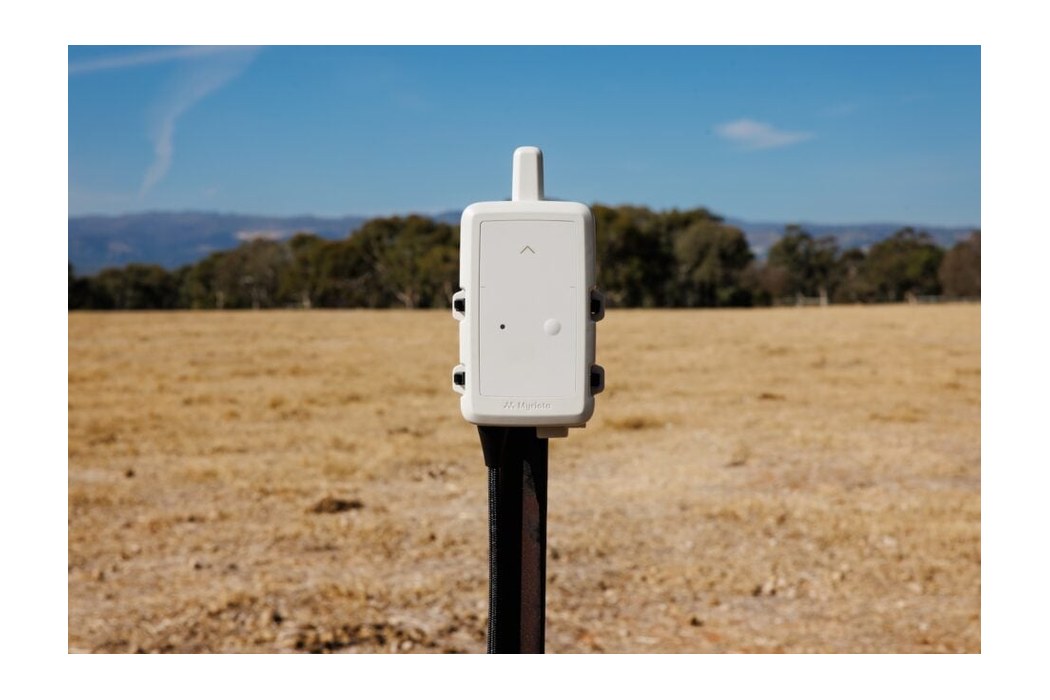
Myriota
Myriota is an Adelaide-based satellite IoT company that connects low-power sensors directly to a constellation of low Earth orbit nanosatellites, giving remote assets - water tanks, cattle, mining equipment, pipelines - affordable global connectivity with years of battery life and no ground infrastructure. Spun out of the University of South Australia in 2015 by Dr David Haley and Dr Alex Grant, the company commercialised a world-first direct-to-orbit transmission technique and now serves agriculture, water utilities, mining, transport and defense customers across multiple continents.

Oligo Space
Oligo Space is a Hawthorne, California startup building an AI-first stack for designing and manufacturing payload-centered spacecraft. Its software engine, Zenith, turns raw mission requirements into flight-ready ESPA-class spacecraft using generative design, constraint solving and physics-based optimization - compressing work that once took teams of specialists months into a process that runs in minutes and manufactures in under eight months. Founded in 2024 by MIT AeroAstro graduate and former NASA JPL engineer Jacob Rodriguez, the company plans to fly its first spacecraft, Chimera-1, aboard SpaceX's Transporter-15 mission in 2026.
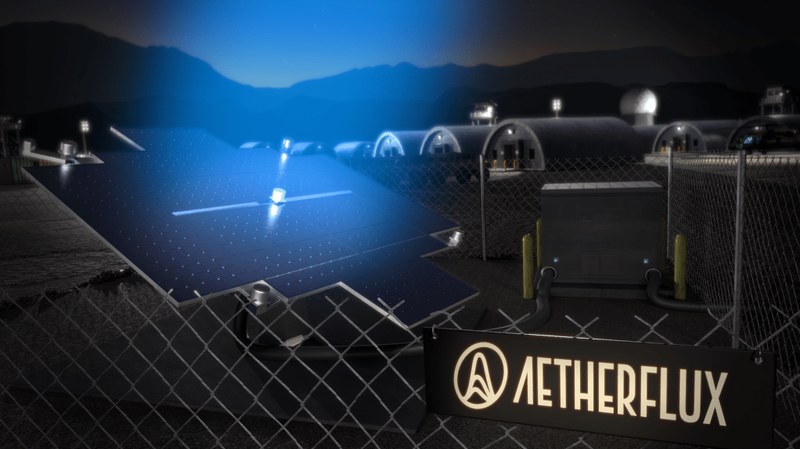
Aetherflux
Aetherflux is a San Carlos, California space and energy startup founded in 2024 by Robinhood co-founder Baiju Bhatt. It is building a constellation of small low-earth-orbit satellites that collect sunlight in space and beam the energy back to compact ground stations on Earth using infrared lasers rather than the giant geostationary microwave platforms imagined by earlier space-solar concepts. Backed by a $50 million Series A and early defense funding, the company aims to deliver electricity to places the grid cannot reach, beginning with forward operating bases, remote research stations, and disaster zones, and planned a first in-orbit power-beaming demonstration for 2026.
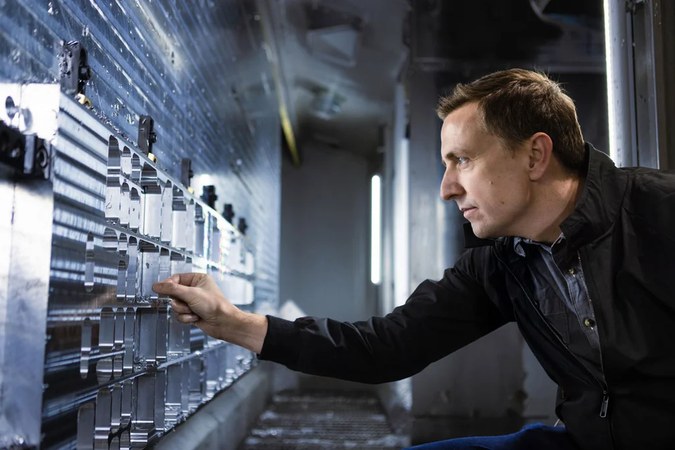
John Gedmark
John Gedmark is the CEO and Co-founder of Astranis Space Technologies, a San Francisco-based aerospace company building next-generation geostationary satellites. He previously helped shape the commercial space industry as co-founder and executive director of the Commercial Spaceflight Federation, where he influenced President Obama's 2010 decision to use commercial space transportation for NASA missions - a shift worth over $10 billion to the industry. At Astranis, he has led the company from a Y Combinator startup to a $2.8 billion valuation with a $1+ billion backlog, operating a fleet of MicroGEO satellites that bring dedicated broadband to underserved regions across Alaska, the Philippines, Mexico, and beyond.
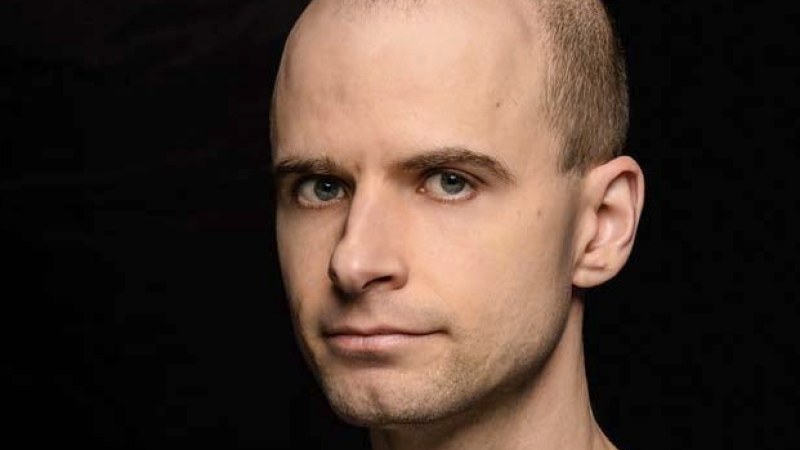
Ryan McLinko
Ryan McLinko is the co-founder and CTO of Astranis Space Technologies, a San Francisco-based company building compact, software-defined geostationary satellites to bring affordable broadband to underserved regions worldwide. An MIT-trained aerospace engineer who cut his teeth on cubesats at Planet Labs and the Dream Chaser spaceplane at Sierra Nevada, McLinko co-founded Astranis in 2015 with CEO John Gedmark. The company has since launched five satellites, secured over $1.2 billion in funding including a $450M Series E in May 2026, and been named Prime Contractor for multiple U.S. Space Force programs — all while being valued at $2.8 billion.
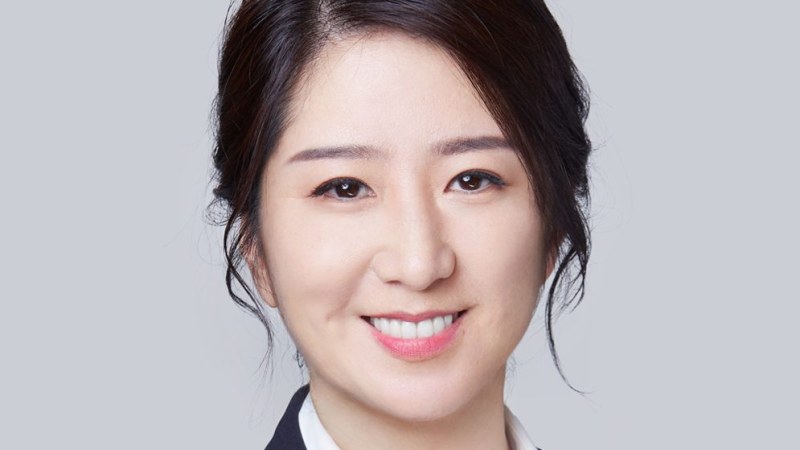
Daisy Cai
Daisy Cai is a General Partner at B Capital, the multi-stage venture firm co-founded by Eduardo Saverin. With nearly two decades of investment experience spanning Silicon Valley, Hong Kong, and global markets, she heads B Capital's China expansion and leads investments in deep tech, AI, robotics, autonomous systems, clean energy, and space technology. Before B Capital, she was a Partner at SoftBank Vision Fund and Managing Partner of Baidu Capital and Baidu Ventures. She holds a B.S. from Tsinghua University, an M.S. in Electrical Engineering from USC, and an MBA from Columbia Business School - and has six U.S. patents in semiconductor chip design.
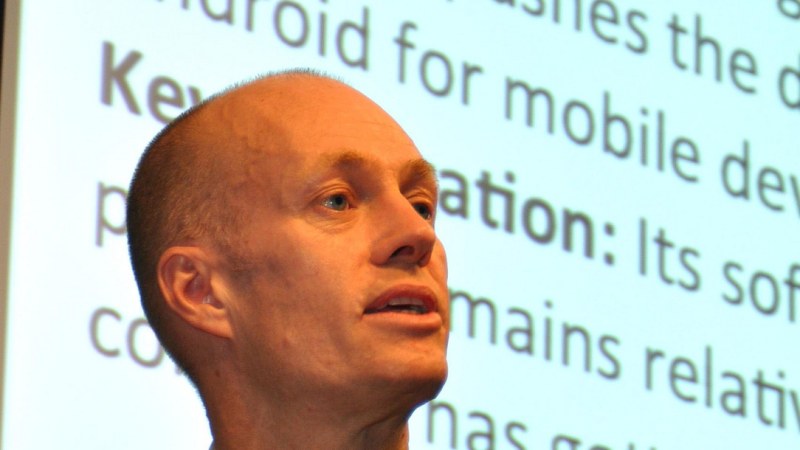
Jason Pontin
Jason Pontin is a General Partner at DCVC (Data Collective Venture Capital) in Palo Alto, where he leads communications and originates investments in early-stage computational biology and chemistry startups. A former journalist who spent 13 years transforming MIT Technology Review into a digital-first powerhouse and three years as Senior Partner at Flagship Pioneering, Pontin brings rare storytelling and scientific fluency to deep tech investing. He co-founded Totus Medicines, a chemical biology company targeting brain cancer, and sits on boards of companies working on DNA synthesis, AI-driven drug discovery, water purification, and lab automation.
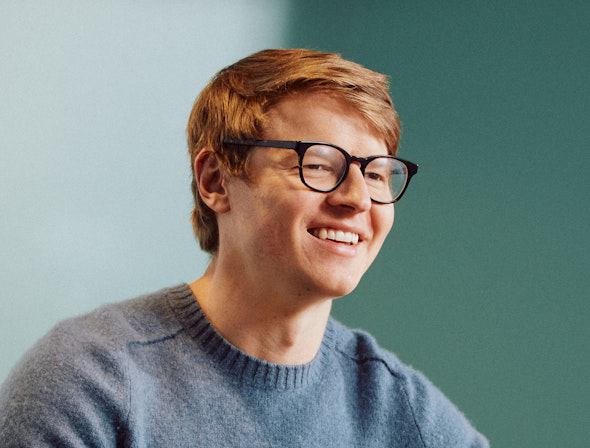
John Cowgill
John Cowgill is a General Partner at Costanoa Ventures, a Palo Alto-based early-stage venture firm with over $2 billion in assets under management. Promoted to GP in September 2024, he has spent nearly a decade building the firm's cybersecurity and space practices, backing category-defining companies like AppOmni, Cyberhaven, Muon Space, and Kepler Communications. A Northwestern University alumnus and former McKinsey consultant who describes himself as a 'wayward Kentuckian and theater school dropout,' Cowgill invests in Seed and Series A startups across applied AI, AI infrastructure, cybersecurity, space, and B2B fintech—leading with a founder-first philosophy anchored in conviction, humility, and grit.
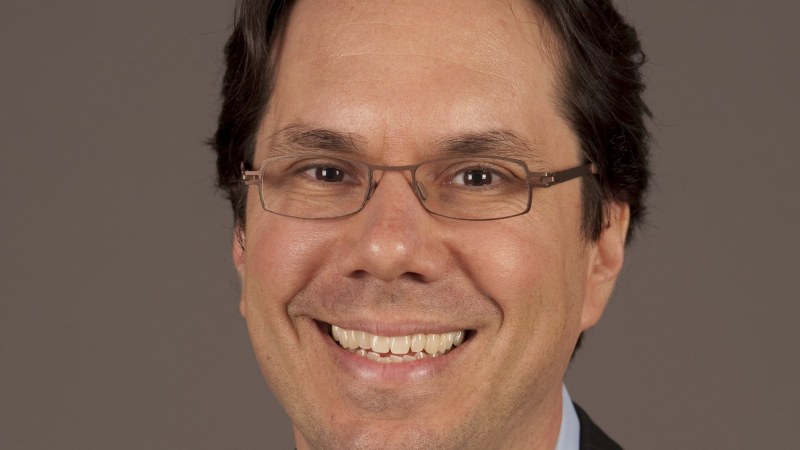
Matt Rappaport
Matt Rappaport is General Partner at Future Frontier Capital, a pre-seed frontier technology VC fund based in Berkeley, California. A former professional musician who studied West African Sabar drumming in Senegal, Rappaport brings an unconventional lens to deep tech investing - 20+ years of IP strategy expertise, a faculty role at UC Berkeley's Fung Institute, and a data-driven methodology using patent landscape analytics to identify emerging sectors before mainstream adoption. He co-founded FFC with longtime partner Mark Garner in late 2023, building a portfolio of 100+ early-stage startups across AI, biotech, robotics, climate, and advanced materials - achieving nearly 11X TVPI on previous investments.

Rob Ness
Rob Ness is the General Partner of Asymmetry Ventures, a seed-stage VC firm backing companies that push humanity forward. After a career spanning consulting giants like Booz Allen Hamilton, Grant Thornton, and Capgemini, Ness built one of AngelList's largest syndicates — over 2,700 LPs, 200+ deals, and a 40%+ IRR over seven years as syndicate lead. His early bets on unicorns BillionToOne and Foresight Mental Health, and his leadership of Orbit Fab's $10M round, mark him as one of the seed-stage investors to watch. A US Army veteran and Harvard/Georgetown/UC Berkeley-educated economist, Ness is drawn to deep tech with a 'sci-fi flavor' — biotech, space infrastructure, quantum, and AI — that could change civilization.
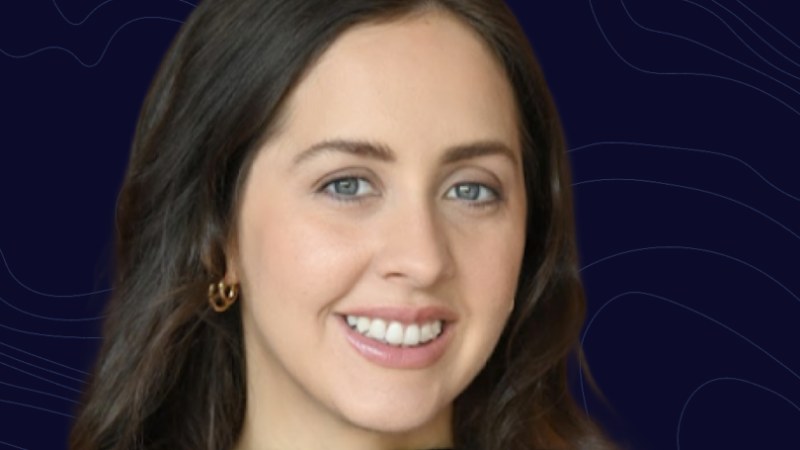
Selene Casabal
Selene Casabal is the Managing General Partner and Chief Venture Officer at Fuel Venture Capital, a Miami-based firm managing approximately $550 million across five funds. A former Silicon Valley founder whose retail tech startup was acquired by b8ta, she became an AI super angel with investments in Perplexity, Replit, Impulse Space, and Serve Robotics before joining Fuel VC in October 2025 to lead its $100M+ AI-focused deployment strategy. A Sequoia Capital Scout and South Park Commons fellow, she is on a mission to rewrite the gender imbalance in artificial intelligence one investment at a time.

Ignacio Montero
Ignacio Belieres Montero is the founder and CEO of Epic Aerospace, a Los Altos, California-based company building orbit transfer vehicles and space tugs that move satellites from one orbit to another. A Stanford aerospace engineering graduate and Y Combinator S19 alum, he started building rockets at 16 and founded Epic Aerospace in 2017. The company's CHIMERA LEO 1 launched aboard SpaceX Transporter 6 in January 2023, and CHIMERA GEO 1 launched on SpaceX's Intuitive Machines-2 mission in February 2025, reaching 53 million kilometers from Earth. Epic Aerospace reached $4.2M in annual revenue in 2024 with a 28-person team, pioneering non-toxic hypergolic propulsion technology for cost-effective in-space transportation.
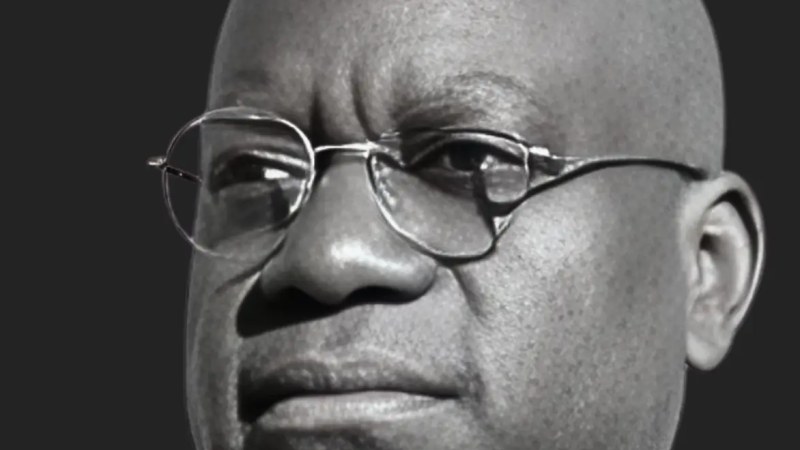
Felix Ejeckam
Felix Ejeckam is the Co-Founder and CEO of Akash Systems, a San Francisco-based deep-tech company that invented GaN-on-Diamond semiconductor technology - a breakthrough that enables dramatically better thermal management for both satellite communications and AI data center servers. A serial entrepreneur with two prior exits, Ejeckam holds 80+ patents and 100+ scientific publications, was named a World Economic Forum Technology Pioneer, and led Akash to a $68.2M CHIPS Act preliminary agreement and the world's first diamond-cooled NVIDIA GPU server deployment.
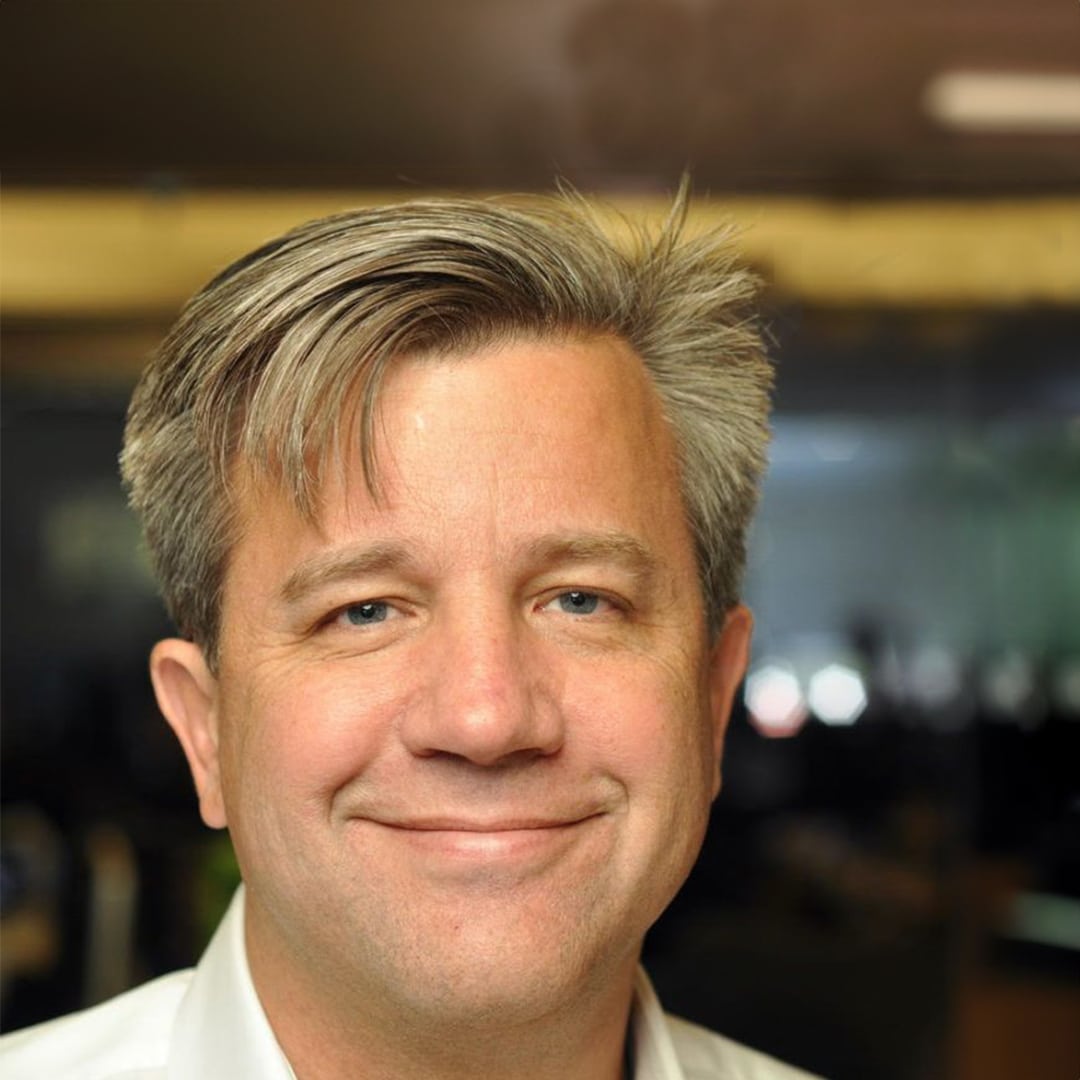
Bart Swanson
Bart Swanson is an advisor to Horizons Ventures and serves on the boards of Zoom, Impossible Foods, and numerous transformative technology companies. With more than fifteen years in tech as an entrepreneur, mentor, and executive, he helped lead Amazon's international expansion (1998-2001), served as COO of Badoo, and chaired Summly before its acquisition by Yahoo. A Wharton MBA and Lauder Institute Fellow, Swanson champions impact investing - every founder he backs signs a legally binding Impact Pact. His 2024 portfolio generated over $400 million in wealth creation, with $342 million going to BIPOC and women founders, while creating 436 jobs at a 48% compound annual growth rate.
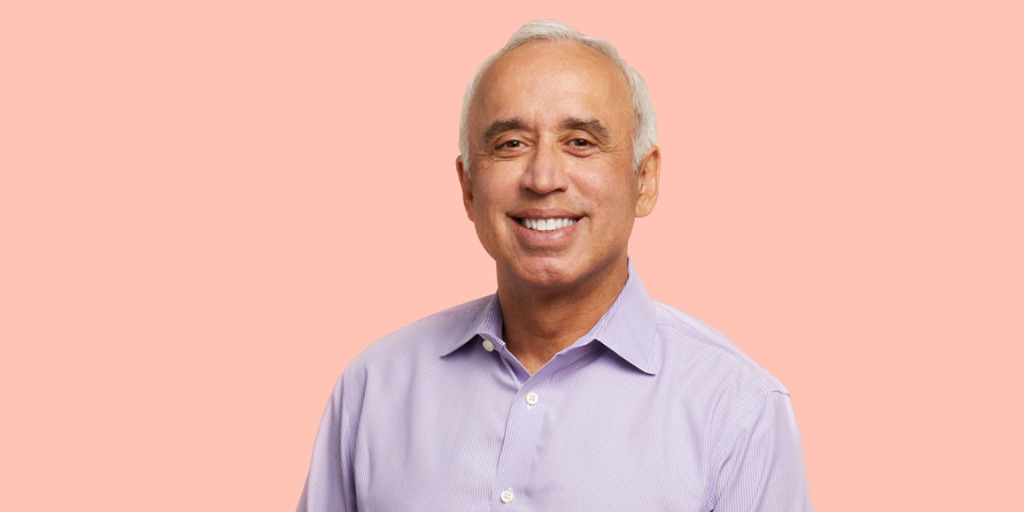
Deepak Kamra
Deepak Kamra is a General Partner at Canaan Partners, one of Silicon Valley's most enduring venture capitalists with over 33 years at a single firm. An Indian immigrant who grew up in Canada, he has backed landmark companies including DoubleClick (acquired by Google), Match.com, SuccessFactors (acquired by SAP), Skybox Imaging (acquired by Google for $500M), and ON24 (IPO at ~$3B in 2021 after a 22-year journey from a $12M investment). He is a passionate immigration advocate who has testified before Congress, a microfinance champion funding entrepreneurs in the Global South, a bass guitarist, avid cyclist, and world traveler who has visited over 80 countries.
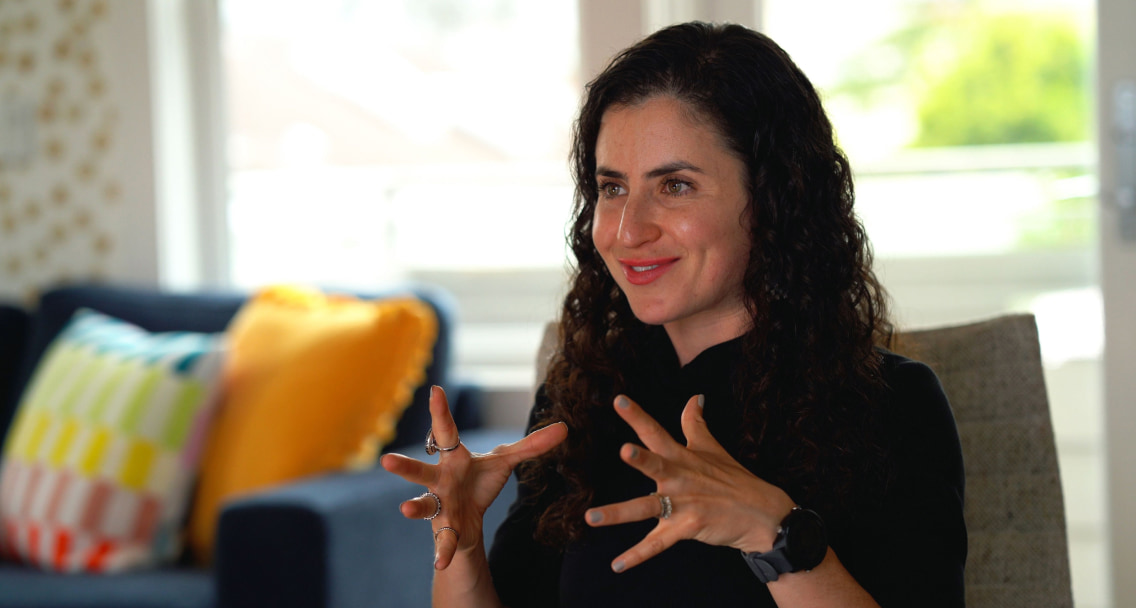
Morgan Beller
Morgan Beller is a General Partner at NFX, the seed-stage venture firm known for backing network-effects businesses. Before VC, she co-founded Facebook's Libra (later Diem) digital currency project at age 25, making her one of the most consequential figures in crypto policy history. A Cornell statistics graduate, she cut her teeth at Andreessen Horowitz before stints at Medium and Facebook, where her geopolitical alarm about China's digital currency ambitions drove her to attempt something audacious: rebuild global money on a blockchain. She now backs founders in crypto, fintech, AI, and space from San Francisco.