supercomputing
(4)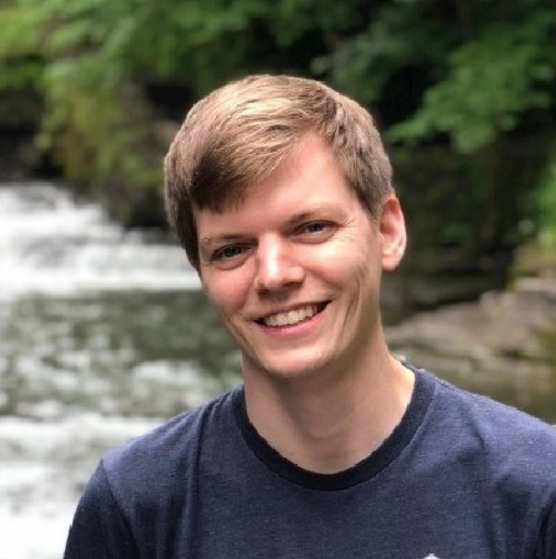
Ross Nordeen and the Weight of a Computer Room
He helped turn Tesla’s machine learning ambitions into hardware, then co-founded xAI and helped bring its Colossus cluster online. After becoming the last non-Musk co-founder to leave, he joined Anthropic to focus on compute.
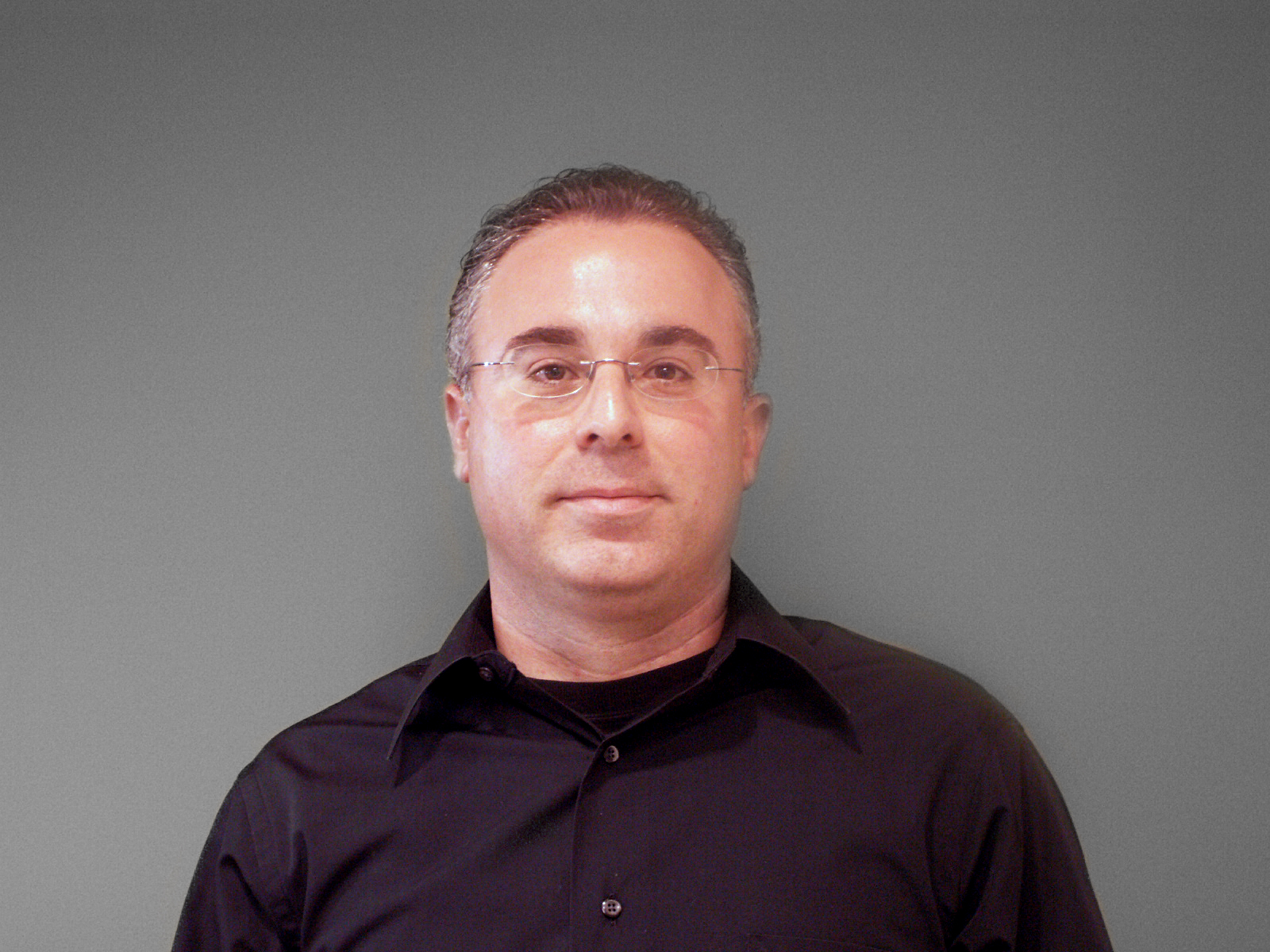
Gilad Shainer
Gilad Shainer is Senior Vice President of Networking at NVIDIA, where he leads the strategy, marketing, and ecosystem development for the company's networking portfolio — including InfiniBand, Ethernet, DPUs, and interconnect technologies that power more than half the world's top 500 supercomputers. A Technion-trained electrical engineer who graduated Cum Laude at both B.Sc. and M.Sc. levels, Shainer spent nearly two decades at Mellanox Technologies before joining NVIDIA via the $6.9 billion acquisition in 2020. He founded the HPC-AI Advisory Council in 2008, which now spans 400+ organizations globally, co-founded the ISC Student Cluster Competition, holds two R&D 100 Awards (2015 and 2019), and has authored or co-authored dozens of papers across IEEE, ACM, and Springer venues. At a moment when AI factories are rewriting the rules of data center design, Shainer is the person making sure the wires — and the protocols running through them — are ready.

The San Francisco Compute Company
The San Francisco Compute Company (SF Compute) runs a real-time marketplace for AI compute. It buys and operates large-scale, vetted GPU clusters - primarily Nvidia H100s wired with 3.2Tb/s InfiniBand - and sells them on flexible contracts, from a single hour to multiple years, that buyers can also resell. By turning long-term GPU capacity into a liquid spot market with transparent pricing, SF Compute lets startups, researchers, and enterprises buy exactly the compute they need without the multi-year commitments that dominate the industry, while pointing toward a future of cash-settled GPU futures.
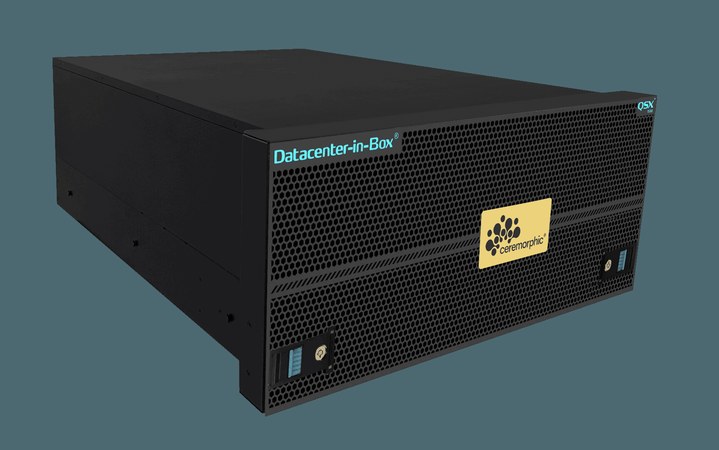
Ceremorphic, Inc.
Ceremorphic is a San Jose-based fabless semiconductor startup building energy-efficient AI supercomputing silicon. Founded in 2020 by serial entrepreneur Venkat Mattela, the company taped out a first-of-its-kind 5nm HPC/AI chip on TSMC's most advanced node and is applying the same Hierarchical Learning Processor architecture to data center AI, robotics, automotive, and analog-AI-driven drug discovery.