industrial-automation
(93)
The Poison Gas That Became a Product
Streamline Innovations built a business around an ugly molecule: hydrogen sulfide. Its trick is to make the poison disappear without making a second mess.

Cannon makes the places we take for granted work
A flooded street, an aging pier, a launch facility: Cannon builds its business around the engineering details that make places usable. After 50 years, the interesting story is still in the work.

Recycleye’s £40 treadmill became a business that picks through your rubbish
A camera, an eBay treadmill and some borrowed garage space started Recycleye. Its robots and optical sorters now tackle recycling’s awkward arithmetic: recovering materials has to pay.

The Consultancy That Refuses to Leave at the PowerPoint
Morson Praxis has folded several specialist firms into one engineering consultancy with a blunt promise: define the problem, design the answer, then stay for delivery. Its work stretches from 29,000 railway bridges to the tooling around a four-passenger electric aircraft.
NI Made the Test Bench Programmable. Emerson Bet $8.2 Billion It Could Make It Bigger
For nearly 50 years, NI has sold engineers a stubbornly useful idea: the instrument is better when software calls the shots. Now the company has Emerson's scale, an AI assistant named Nigel and the harder task of modernizing without breaking the systems customers already trust.

Eric Danziger Is Teaching Factories to See Before Robots Learn to Act
After the Army, Carnegie Mellon and a front-row seat to self-driving hype, the Invisible AI co-founder chose a harder, quieter mission: give factory floors a memory.
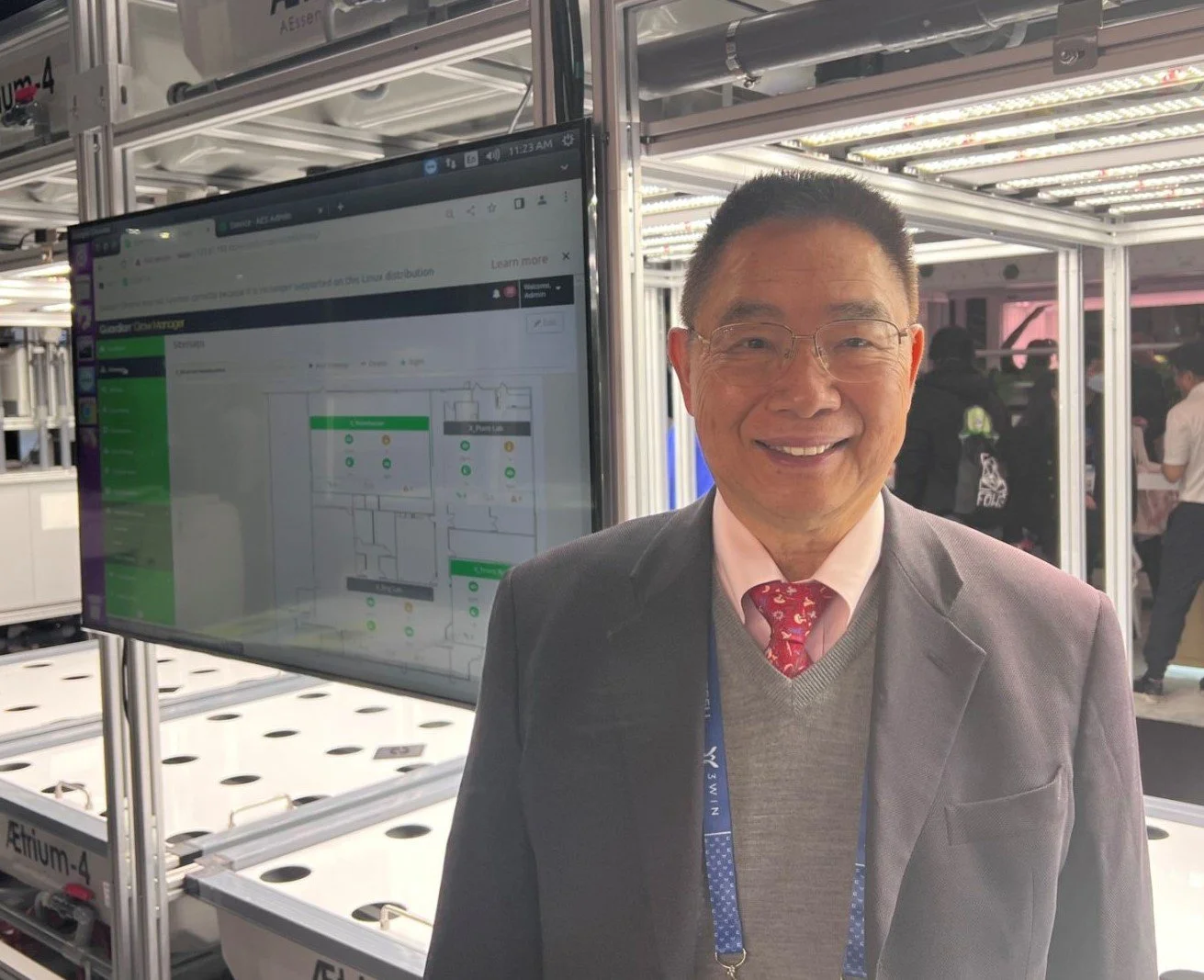
Robert Chen Has Spent 45 Years Teaching Machines to Pay Attention. Now They’re Watching Plants.
The AEssenseGrows founder built his career around sensors, software and machines that notice what people cannot. His latest bet puts that same discipline to work in the root zone.
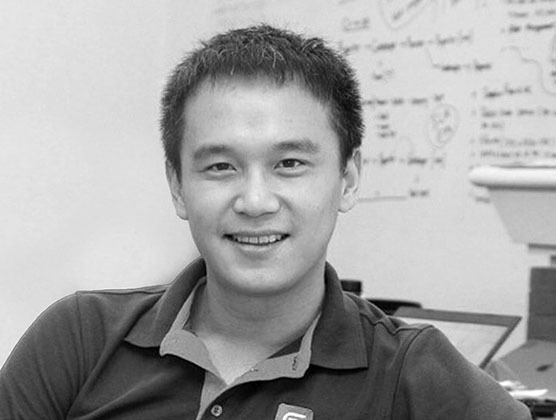
Aswin Andrison Keeps Following the Work Software Forgot
He delivered rice in Uber cars, rebuilt after a pandemic shutdown, and turned from restaurant storerooms to factory workstations. Across three startups, Aswin Andrison has kept asking the same practical question: where does work still hurt?

Prateek Chakravarty Left the Oil Field. He Never Stopped Thinking Like a Field Engineer
Before he sold enterprise software, Prateek Chakravarty filed reports from remote oil rigs. Now the Zinier CEO is betting that useful AI begins with muddy boots, thick gloves and the stubborn details of work in the field.

Ben Schuler Bet That the Electric Motor Wasn't Finished Yet
A lesson about 30 seconds on a factory line led Ben Schuler toward a much larger question: what if the ordinary motor could do more with less material, power and waste?

Matthew Bush Put the Robot in the Welder's Hands
A factory operator turned founder spent a decade removing code, complexity and ceremony from collaborative robots. Now, as Hirebotics' CEO, Matthew Bush is betting that the future of automation belongs to the people who already know the work.

Rahul Chipalkatty Is Teaching Factory Robots a Useful Trick: How to Change Their Minds
After years spent studying how people and machines share control, the Boston roboticist built Southie Autonomy around a stubbornly practical idea: the person on the line should be able to teach the robot.

Gary Burns Built a Business Around the Tiny Things Nobody Notices
For two decades, the Grand Rapids engineer kept asking one stubborn question: can a label carry enough intelligence to make the physical world more accountable? The answer became two companies, a portfolio of patents and a $54 million acquisition.

Vadym Melnyk Built a Drone That Knows When to Come Home
A teenage exchange year, an unfinished degree and one stubborn engineering question led from Ukraine to Poland to North Carolina. Along the way, Melnyk learned that the useful robot is the one that can finish the boring job without asking for applause.

Carmen Stewart Built a Career in the Business Between the Breaker and the Factory Floor
For years, Stewart worked where industrial technology becomes a customer promise: sales, service, inventory and the quiet choreography of getting the right part to the right place.

The Family Trailer Company That Bet CA$15 Million on Making Boring Things Better
Southland Trailers grew from a local welding shop into a 500-plus-person manufacturer by obsessing over factory flow, useful engineering and the stubborn details that decide whether a trailer earns its keep.
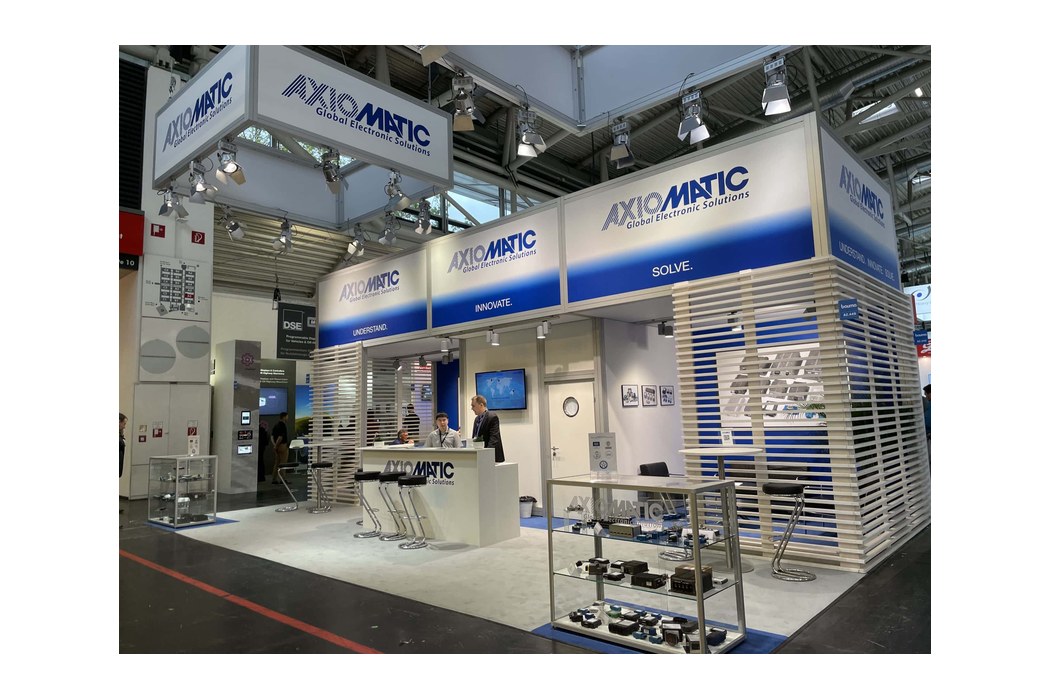
Axiomatic's 35-Year Bet: Make the Tiny Boxes That Keep Giant Machines Talking
The Mississauga manufacturer built a durable business in the least glamorous layer of automation: translating signals, surviving vibration and keeping expensive machines from arguing with themselves.
The $6.1 Million Bet That Turned an Electrical Wholesaler Into Ontario's Quiet Logistics Machine
Gerrie Electric grew from one employee and a service van into a C$200-million-plus distributor. Its useful lesson is decidedly unglamorous: remove the tiny procurement delays that make expensive crews stand around.

NODAR Is Teaching Cheap Cameras to Do LiDAR's Expensive Job
The autonomous-vehicle industry spent years putting lasers on roofs. NODAR's contrarian pitch is simpler: spread two cameras apart, keep them calibrated through every pothole, and let software recover the world in 3D.
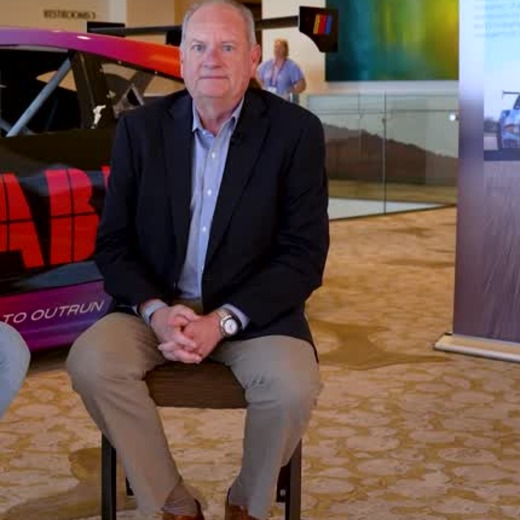
Norm Sowards Has Spent a Career Making Invisible Infrastructure Matter
From circuit breakers and predictive maintenance to NASCAR and the next generation of electricians, the ABB executive's work turns technical systems into stories people can use.

Hirebotics Hid the Robot Code - and Put a $105,000 Welder on Wheels
The Nashville robotics company started by renting general-purpose cobots by the hour. A welding distributor, a stubborn programming bottleneck and one unusually useful app turned that experiment into a hardware-plus-software business for fabrication shops.
The 10-Minute Robot Changeover: Southie Autonomy Wants the Line Lead to Run the Machines
Factories do not only need smarter robots. They need robots that can survive Tuesday afternoon - when the SKU changes, the labor roster thins, and nobody has time to call an integrator.
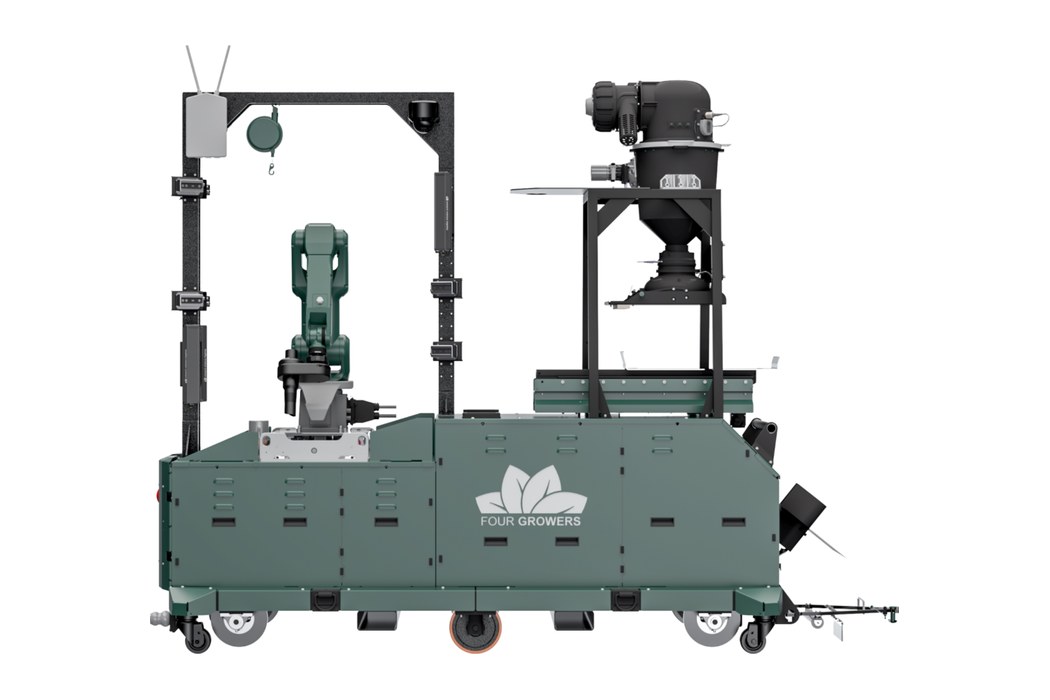
The Robot That Picks a Tomato Better Than You Can
Two Pitt engineers spent months living in greenhouses to learn why picking a tomato is so hard for a machine. Their answer, the GR-100, now harvests faster than the humans it works alongside.
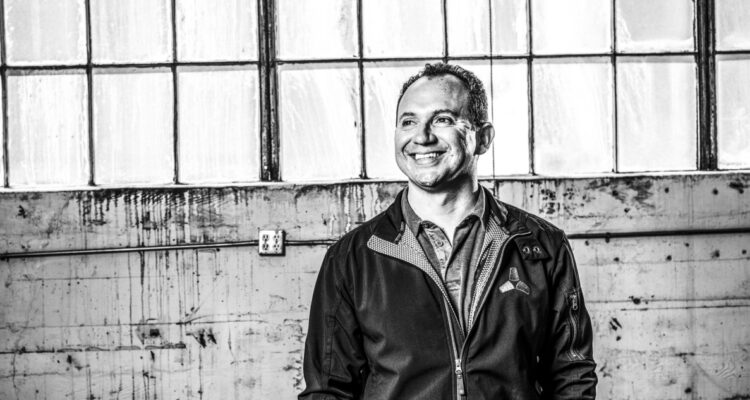
Christian Sanz Built a Map That Could Keep Up With the Ground
He began with homemade drones, free construction-site maps, and a question about what a flying camera could make newly visible. Thirteen years later, Skycatch became part of Caterpillar - proof that the useful product was never the aircraft, but a faster version of reality.

Craig Dowley Markets Robots by Counting What Moves
After two decades turning technical products into measurable demand, Craig Dowley has arrived at Teradyne Robotics with a practical thesis: automation earns attention when it works in the messy world, and marketing earns trust when it can show the numbers.

CiNQ Builds the Rooms Where Industry Never Sleeps
The Dubai engineering group turns drawings into E-houses, offshore living quarters and chilled-water tanks - the quiet infrastructure that keeps power, people and data centers running.

Riot Ventures Built a $1 Billion Firm by Betting on the Physical World
While venture capital chased frictionless software, Riot went looking for friction - factories, fleets, power systems and defense hardware. Its concentrated, multistage strategy now stretches from the first institutional check to pre-IPO rounds.
The Robots Taking the Warehouse's Hardest Shift
Berkshire Grey spent a decade teaching machines to pick the unpickable. Now its robots are moving from the tote to the sorter to the trailer door - chasing every stubborn bottleneck in the warehouse.

The Tiny Sensors Trying to Put Factory Emergencies Out of Business
Waites has planted more than half a million sensors across six continents, listening for the faint mechanical clues that precede expensive failure. The clever part is not merely hearing the warning - it is turning that signal into a repair someone can actually make.

The Machines That Teach AI Chips to Behave
Onto Innovation does not design the AI chip. It builds the eyes, rulers and feedback loops that help factories make those chips without wasting a fortune.