global-health
(28)
HIEx Wants Health Startups to Escape the Pilot Trap
A good health invention can spend years waiting for a buyer. Geneva’s Health Innovation Exchange brings ministries, founders and investors together to help promising solutions reach the people they were built for.

Qure.ai Learned the Hard Part of Medical AI Isn’t Reading the Scan - It’s Getting Anyone to Act on It
The Mumbai-born company had accurate algorithms, willing pilot sites and almost no habitual users. Its climb from $113,000 in annual revenue to 45 million lives touched is a lesson in why clinical workflow - not clever code - decides whether healthcare AI matters.
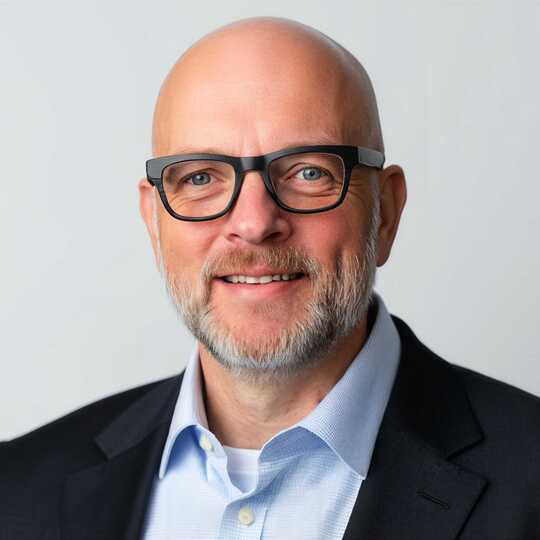
Jeremy Gowler Is Building for the Minutes Before Medicine Arrives
After two decades commercializing vaccines and biopharmaceuticals, the Ophirex CEO is applying an operator’s eye to a stubborn logistical gap: what can happen between a snakebite and the hospital.
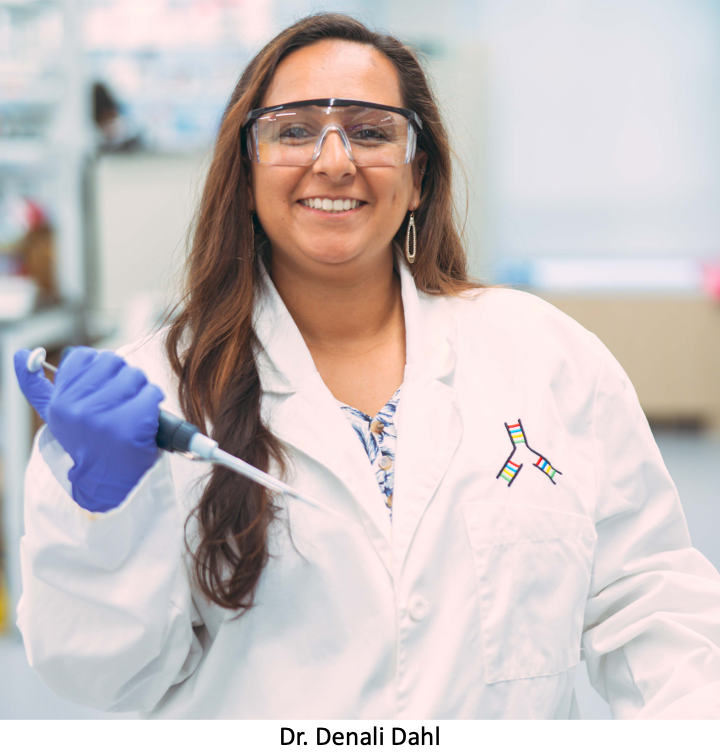
Denali Dahl Turned a Class Assignment Into a Company Built for the Hard Part
She never planned to run a business. Then a Duke project refused to remain a project, and Denali Dahl learned to translate laboratory precision into the stubborn work of building Kalia Health.

Neopenda Went to an Equipment Graveyard and Built the Baby Monitor Hospitals Would Actually Use
A student project became neoGuard only after Sona Shah and Teresa Cauvel saw why donated hospital equipment was collecting dust in Uganda. Their harder lesson was that a device clinicians want is not automatically a device health systems will buy.

GSK
After spinning off toothpaste and painkillers, GSK placed a sharper bet on the immune system. Its next chapter is being written in vaccine vials, long-acting HIV medicine and a newly enlarged cancer pipeline.
Antiva Biosciences, Inc.
Antiva Biosciences is a clinical-stage biopharmaceutical company in South San Francisco developing topical, self-administered antiviral therapeutics for diseases caused by human papillomavirus (HPV). Its lead candidate, ABI-2280, is a vaginal tablet designed to clear high-risk HPV infection and treat pre-cancerous cervical lesions (CIN 2,3) without surgery - an approach aimed at preserving reproductive health and supporting the WHO's goal of eliminating cervical cancer.

Ophirex, Inc.
Ophirex, Inc. is a Corte Madera, California public benefit biotech company building the first genuinely new approach to snakebite in more than a century. Its lead candidate, varespladib, is a small-molecule inhibitor of sPLA2 - an enzyme found in roughly 95% of snake venoms - formulated for easy oral or injectable use so treatment can begin in minutes, in the field, rather than hours later at a distant hospital. Founded by expedition physician Matthew Lewin, the company targets a neglected killer that claims roughly 100,000 lives a year, aiming at both human and veterinary markets across the developing world and defense applications.

Zenysis Technologies
Zenysis Technologies builds data-integration and analytics software for governments and health institutions in low- and middle-income countries. Its flagship product, Harmony, is an open-source platform that pulls together fragmented health data - program records, financials, geospatial layers, surveys - into a single workspace so decision-makers can respond to disease outbreaks, run vaccination campaigns, and manage national health programs. Founded in 2016 by former UN diplomat Jonathan Stambolis, the company has deployed across roughly ten countries in Africa, Asia, and Latin America and is backed by grant funders including the Bill & Melinda Gates Foundation, Gavi, and the Global Fund.
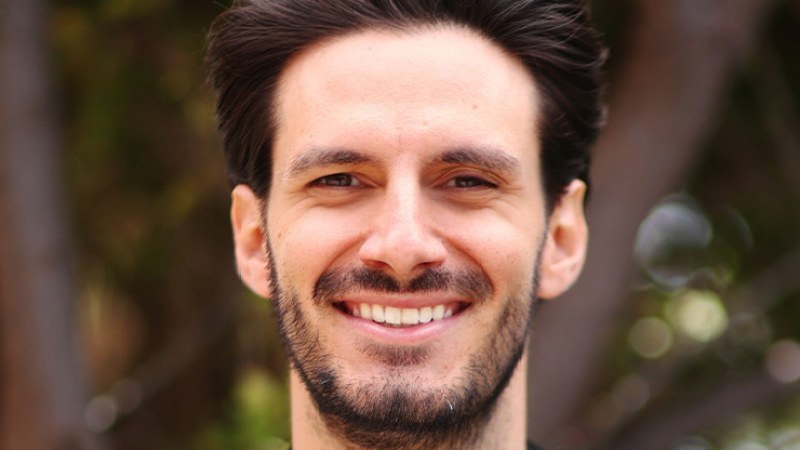
Quentin Perrot
Quentin Perrot is Chief Product Officer at Zenysis Technologies, a Y Combinator-backed company that builds data integration software for ministries of health and government agencies across four continents. A Stanford-trained product leader who has lived and worked in six countries, he oversees the roadmap for Harmony, Zenysis's open-source platform used to knit together fragmented health data sources.

Noora Health
Noora Health is a nonprofit that treats families as an untapped part of the care team. By training patients' relatives with practical, condition-specific health skills while they wait in hospital wards - then reinforcing that training after discharge through WhatsApp, voice calls, and live chat - its Care Companion Program has reached tens of millions of caregivers across India, Bangladesh, Indonesia, and Nepal, cutting newborn readmissions and post-surgical cardiac complications.
PlenOptika
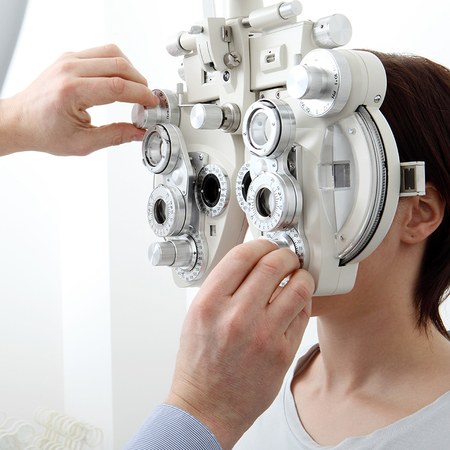
PlenOptika is a Cambridge, Massachusetts medical device company that makes QuickSee, a handheld autorefractor that measures a person's eyeglass prescription in about ten seconds using wavefront aberrometry and machine-learning algorithms. Spun out of the Madrid-MIT M+Vision fellowship in 2014, the company set out to close the gap on uncorrected refractive error, a problem affecting more than a billion people worldwide. Its portable, clinic-quality device has been used by vision professionals and NGOs on over 5 million patients in more than 45 countries - and even flew aboard SpaceX's Polaris Dawn mission as the first handheld autorefraction device used in space.

Untold
Untold, formerly CARE for AIDS, is an Atlanta-based faith-driven nonprofit that runs a nine-month, church-based program helping HIV-positive men and women across East and Southern Africa build a life beyond AIDS. Working through local churches with indigenous staff, its integrated model addresses physical, spiritual, emotional, and economic health at once - producing 97% viral suppression among clients and more than 50,000 program graduates.
Jaspal Sandhu
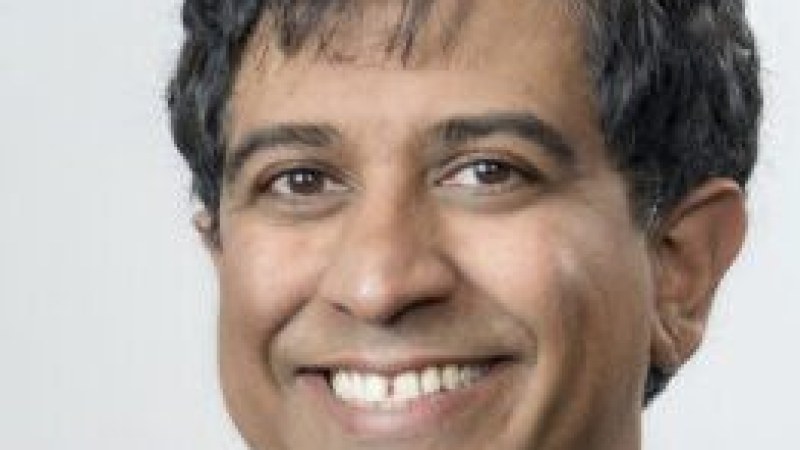
Jaspal Sandhu is a designer, educator, and social entrepreneur who became President and CEO of Hopelab, a social innovation lab and impact investor focused on the mental well-being of young people ages 10 to 25, on January 1, 2026. Trained as an engineer at MIT and as a designer at UC Berkeley, he built his career around human-centered design in global health, co-founding the pioneering social impact design firm Gobee Group and teaching public health innovation at Berkeley since 2010. At Hopelab he has led investments in youth-focused mental health startups, raised millions for youth-led technology work, and built research and fellowship programs centered on Black, Brown, and Queer young people.
Edith Elliott
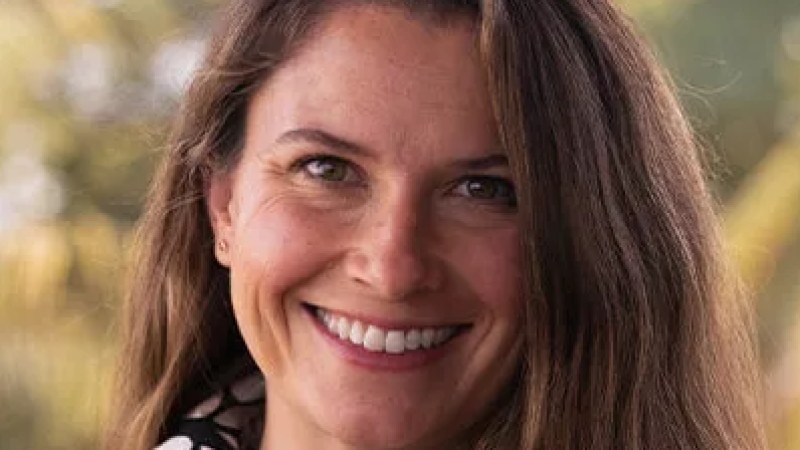
Edith Elliott is the co-founder and co-CEO of Noora Health, a global nonprofit that turns hospital waiting rooms into classrooms and trains family members to care for their loved ones after discharge. What started as a Stanford design class project at a Bangalore hospital in 2012 has grown into an organization that has trained more than a million family caregivers across India, Bangladesh, Nepal and Indonesia. A TED speaker, Audacious Project winner and Skoll awardee, Elliott has built her career at the intersection of research, policy and design, betting that the most overlooked resource in any health system is the people already sitting at the bedside.
Molly Heacock
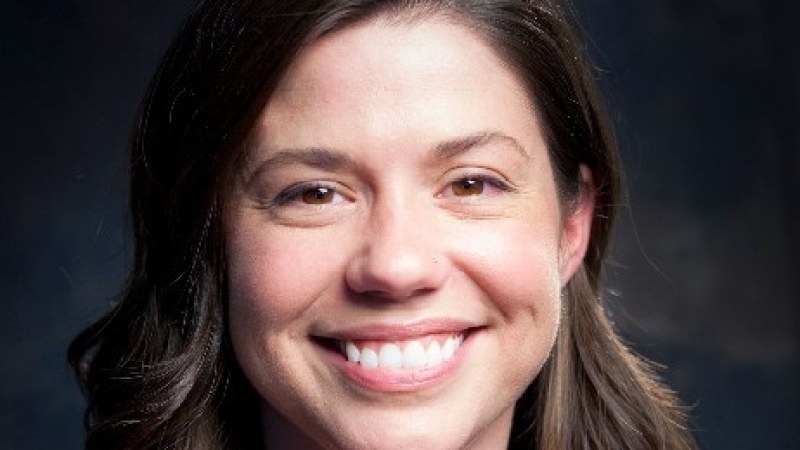
Molly Heacock is the incoming CEO of Untold (formerly CARE for AIDS), an Atlanta-headquartered global nonprofit helping people living with HIV move toward a life beyond AIDS through holistic, community-based, faith-integrated care. A public health practitioner who spent a decade as COO and Managing Director before stepping up to lead, she has helped scale a model that pairs medical adherence with economic, emotional, and spiritual support across dozens of communities in Kenya, Tanzania, and beyond. She relocated from Atlanta to Nairobi in 2019 and built her career on the conviction that local, indigenous-led staff and dignity-first care change long-term outcomes.
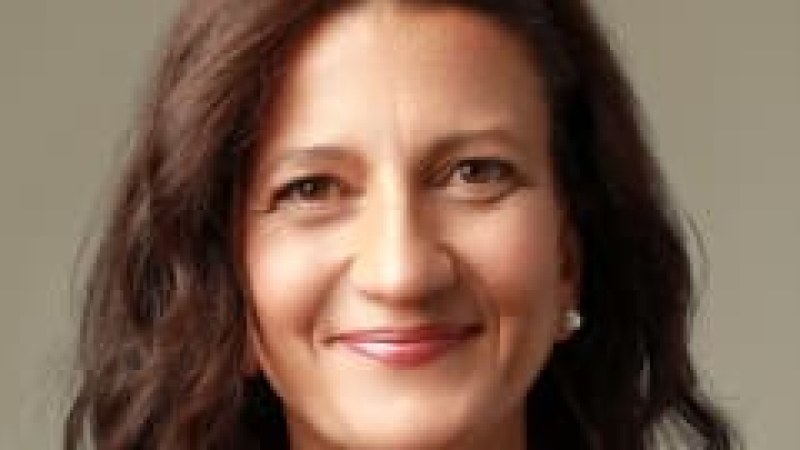
Sema Sgaier
Sema Sgaier is the co-founder and CEO of Surgo Health, a Washington, DC public benefit corporation that uses AI and behavioral science to decode the 'why' behind health behaviors. A trained molecular biologist and neuroscientist turned serial entrepreneur, she spent a dozen years at the Bill & Melinda Gates Foundation scaling HIV-prevention programs across India and Africa before co-founding Surgo Foundation, Surgo Ventures, and Surgo Health. She has authored more than 60 peer-reviewed papers, taught at Harvard and the University of Washington, writes op-eds for The New York Times, and is a trained documentary photographer.
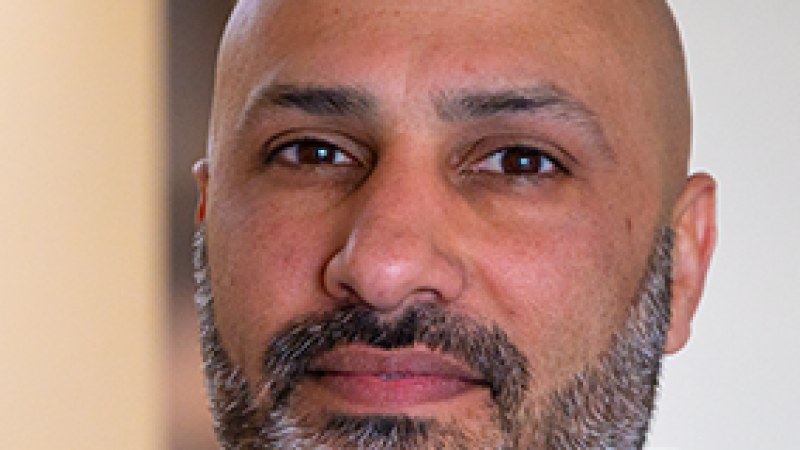
Shivang Dave
Shivang R. Dave is the co-founder and CEO of PlenOptika, a Cambridge, Massachusetts medical-device company behind QuickSee, a handheld autorefractor that measures eyeglass prescriptions in about 10 seconds using wavefront aberrometry. A bioengineer with a PhD in bioengineering and nanotechnology, Dave co-invented the device during the Madrid-MIT M+Vision fellowship and has grown PlenOptika from a four-fellow research team into an international company whose technology has helped correct vision for over 7 million people across 60+ countries, especially in low-resource settings.
Maternova, Inc.
Maternova is a woman-owned, woman-run social enterprise based in Providence, Rhode Island that curates, evaluates, and distributes evidence-based medical devices and diagnostics for maternal, neonatal, and reproductive health in low- and middle-income countries. Founded in 2009 as the first e-commerce marketplace for global health technologies, it connects inventors and manufacturers who lack distribution with the governments, NGOs, hospitals, and clinicians who need life-saving tools - aggregating small orders to unlock manufacturing runs and accelerate access to innovations that prevent maternal and infant deaths.

Sibel Health
Sibel Health is a Chicago-based digital health company spun out of Northwestern University that builds clinical-grade, fully wireless wearable sensors paired with AI analytics and a cloud platform. Its flagship ANNE One system continuously tracks vital signs - heart rate, respiratory rate, temperature, SpO2, pulse and more - for patients from neonates to adults, in hospitals, at home, and in low-resource settings around the world. The mission is to deliver 'Better Health Data for All.'
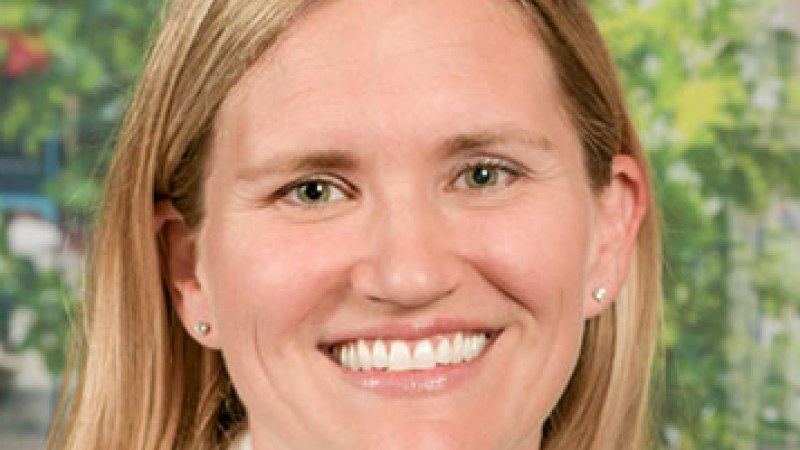
Patricia "Trish" Henwood
Patricia "Trish" Henwood, MD, FACEP is an emergency physician who runs quality and safety across an 18-hospital system as Executive Vice President and Chief Clinical Officer of Jefferson Health in Philadelphia. Before the C-suite, she carried a portable ultrasound probe into an Ebola treatment unit in Liberia and built training programs that put imaging in the hands of clinicians in Rwanda, Uganda, Tanzania and beyond. She founded the nonprofit PURE to bring point-of-care ultrasound to resource-limited settings, published her bedside Ebola work in the New England Journal of Medicine, and now applies the same systems thinking to closing care gaps for vulnerable populations at home.
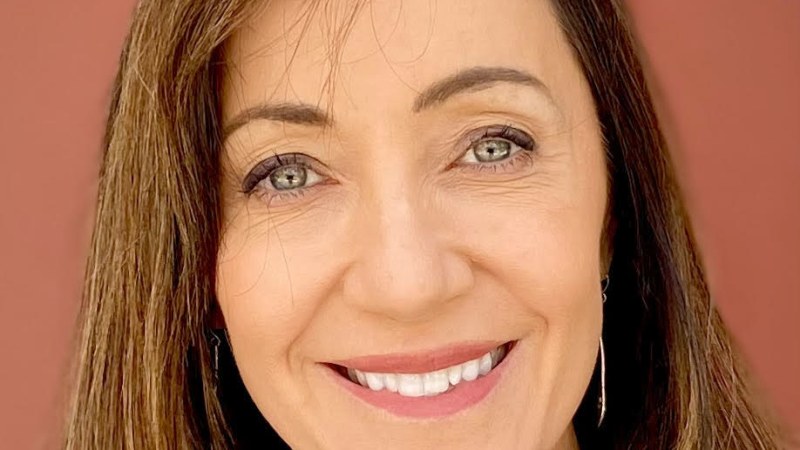
Maria Gabriela Salvador
Dr. M. Gabriela Salvador is the CEO of Maternova, Inc., a Providence-based global health company that runs an e-commerce marketplace for vetted, life-saving medical devices, diagnostics and nutrition products aimed at low- and middle-income countries. A physician trained as a pediatric ophthalmologist in Argentina, the United States and Mexico, she spent two decades building high-impact health programs at Americares, Grameen Foundation, Freedom from Hunger and Pro Mujer before taking the helm at Maternova in March 2023. Originally from Salta, Argentina, she pairs a medical degree from the National University of Cordoba with a Harvard MPH in health policy and management.

Tulane University
Tulane University is a private research university in New Orleans, Louisiana, founded in 1834 as the Medical College of Louisiana to fight cholera and yellow fever. Now one of 71 members of the Association of American Universities, it enrolls roughly 14,000-15,000 students across schools spanning medicine, public health and tropical medicine, law, architecture, business, science and engineering, social work and liberal arts. Known for a deep service ethic - it became the first major U.S. research university to require public service for graduation after Hurricane Katrina - Tulane pairs high-level research with a distinctive New Orleans culture.
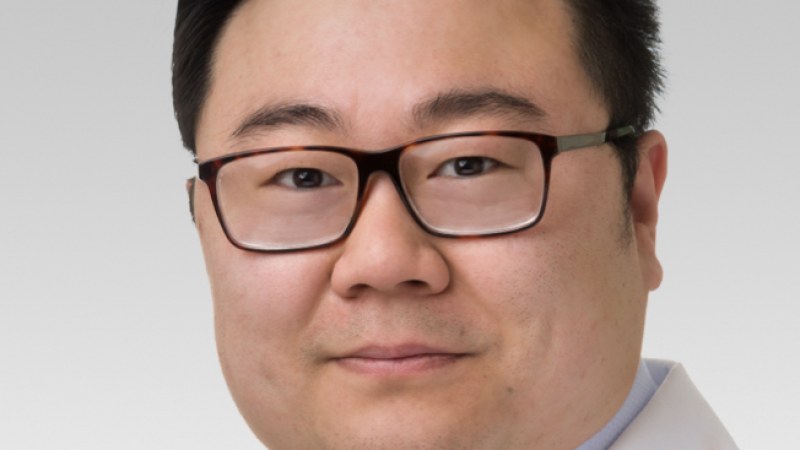
Steve Xu
Steve Xu is a board-certified dermatologist turned medtech founder who runs Sibel Health, the Chicago company commercializing ICU-grade wearable sensors that now monitor patients in more than 20 countries. A physician-engineer trained at Rice, Harvard, and the London School of Economics, he splits his life between the clinic, the lab at Northwestern's Querrey Simpson Institute for Bioelectronics, and a startup chasing a single line: Better Health Data for All.
Marissa Fayer
Marissa Fayer is a 25-year medtech executive who runs DeepLook Medical, an AI diagnostics company that helps radiologists spot breast cancer earlier in women with dense breast tissue, which she took from concept through FDA clearance into global commercialization. She is also the founder of HERhealthEQ, a nonprofit that has reached over 128,000 women across 12 countries by deploying medical devices for cancers, maternal health, and cardiovascular disease. A partner at women's-health fund Goddess Gaia Ventures and author of the forthcoming book 'Undervalued to Unavoidable,' she argues women's health is not a charitable cause but economic infrastructure that has been systematically underestimated.

SafetyWing
SafetyWing builds a global social safety net for remote workers, digital nomads, and distributed teams - subscription health and travel insurance that works across borders, plus benefits infrastructure for remote-first companies.
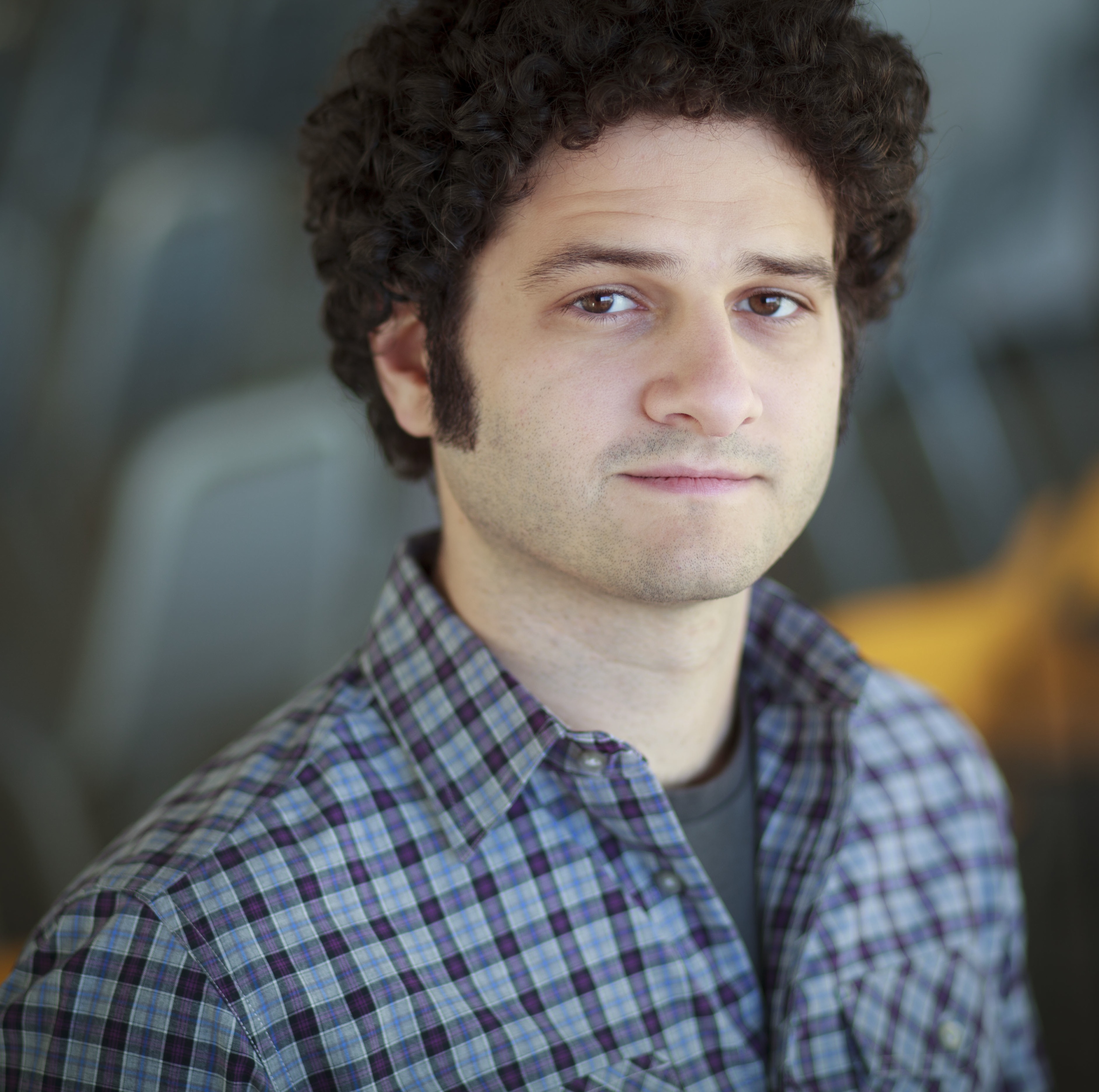
Dustin Moskovitz
Dustin Moskovitz co-founded Facebook in a Harvard dorm room in 2004, then quietly built Asana into a billion-dollar project management company while giving away billions through Open Philanthropy (now Coefficient Giving). The youngest self-made billionaire in the world when Forbes first named him in 2011, Moskovitz has spent the years since turning wealth into what he believes are the most high-impact charitable causes on Earth - from malaria nets to AI safety - alongside his wife Cari Tuna.

Dylan Matthews
Dylan Matthews is a policy journalist, effective altruism advocate, and former senior correspondent at Vox, where he founded and led the Future Perfect newsletter and section for seven years. Known for his deep-dive reporting on global health, animal welfare, and evidence-based philanthropy, Matthews embodies his own editorial philosophy: he donated a kidney to a stranger in 2016, initiating a chain that helped four people. As of December 2025, he joined Coefficient Giving (backed by Open Philanthropy) to manage the $120M+ Abundance and Growth Fund, moving from writing about doing good to actually doing it.