seed-investing
(77)
Stage 2 Capital and the right to scale
A venture firm built by a financier and a sales operator asks founders to prove something before they hire faster: are customers actually succeeding?
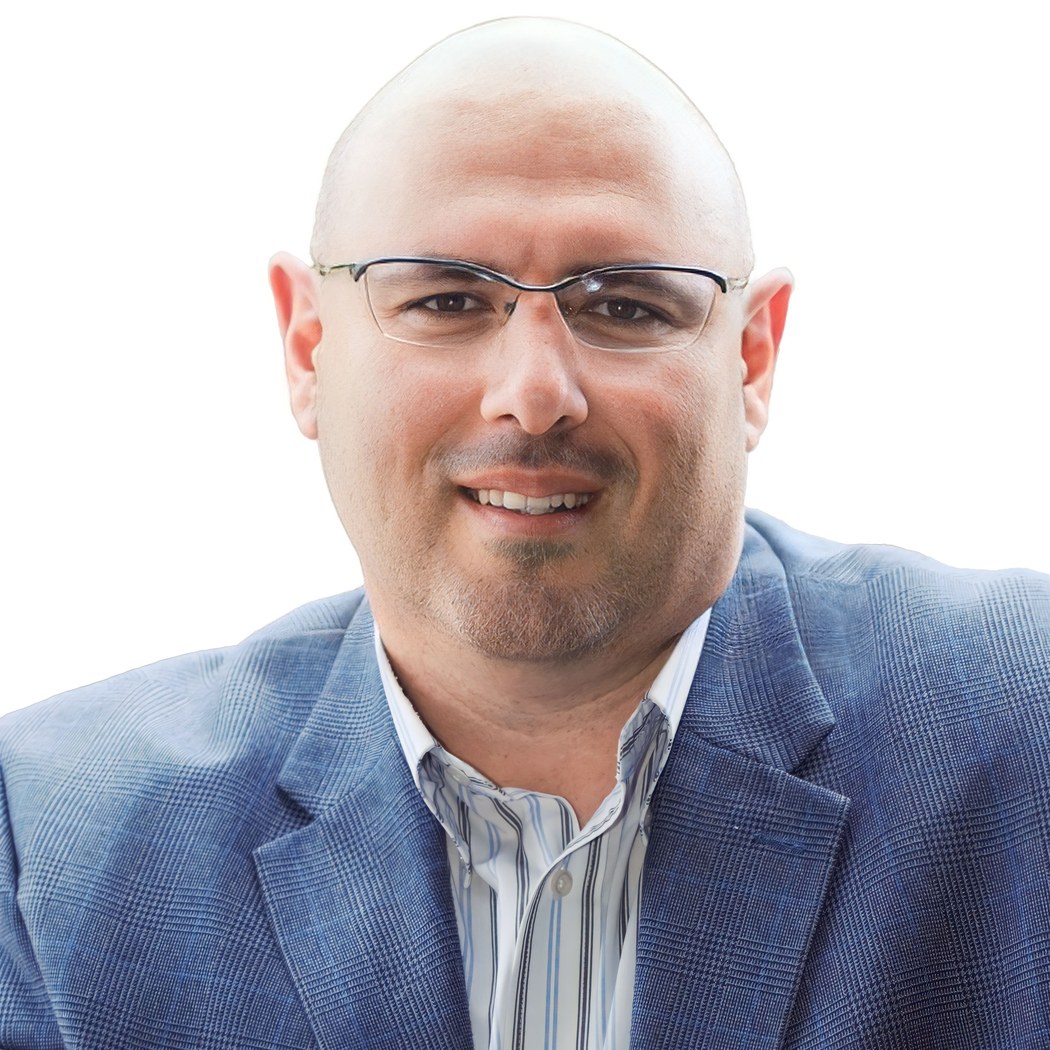
Rami Katz and the business of helping people begin
He came to Rochester for an MBA and stayed to help build young companies. Now Excell’s CEO, Rami Katz brings a lawyer’s discipline to early-stage investing - and keeps making time for the next generation.

Theresa Mazzullo and the business of seeing what comes next
A banker, seed investor and unlikely fashion muse, Theresa Mazzullo has spent decades helping other people put their ideas to work. Her next concern is getting Rochester’s young companies far enough to grow.

John Borthwick and the four-hour trip to the future
In 1993, John Borthwick drove to MIT to use a web browser. Three decades later, the Betaworks founder is still looking for the interface that changes what people can do.

20VC turned the microphone into a cheque book.
Harry Stebbings built a podcast to get closer to venture capital. Then he built a venture firm whose calling card was already playing in founders’ headphones.
Donna Harris and the business of getting started
After co-founding Washington’s 1776 startup hub, Donna Harris turned her attention to the ideas that never make it into the room. At Builders + Backers, she is working on the awkward, promising distance between “someday” and a first experiment.
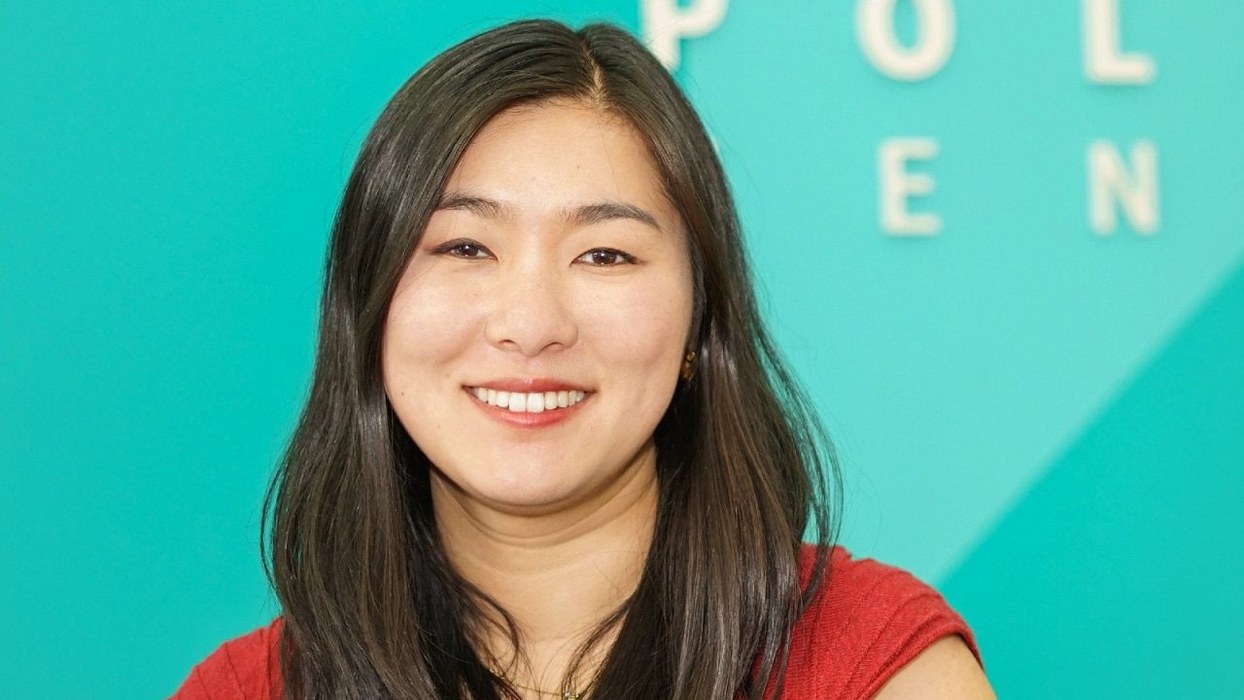
Wenyi Cai and the question that took her to Colombia
After helping run a Silicon Valley startup acquired by eBay, Wenyi Cai went to Colombia to listen. Her work at Polymath Ventures grew from a question about what technology could do for Latin America’s emerging middle class.

Charlie Hipwood and the art of the first yes
After three startups of his own, Charlie Hipwood moved to the other side of the table. At MassVentures, he helps first-time founders turn Massachusetts research into companies that can stand on their own.

The Madrid VC That Learned to Get Out of Founders' Way
JME Ventures writes early checks for Spanish tech founders, then practices a rare kind of investor discipline: knowing when to help, when to wait and when to leave the keyboard alone.

Third Prime Is Betting the Next Big Software Company Wears Work Boots
The New York and Nashville venture firm hunts for software in places where clipboards, compliance binders and fragmented workflows still run the day. Its portfolio shows a consistent wager: overlooked industries can become unusually durable technology markets.

The VC Firm That Wants the 11 P.M. Call
Oceans built its pitch around a scarce commodity in venture capital: useful attention after the wire lands. Its partners sell founders on operator time, candid advice and help with the hires and customers that decide whether an early-stage company gets a second act.

Riot Ventures Built a $1 Billion Firm by Betting on the Physical World
While venture capital chased frictionless software, Riot went looking for friction - factories, fleets, power systems and defense hardware. Its concentrated, multistage strategy now stretches from the first institutional check to pre-IPO rounds.

The VC Firm That Built a 2,000-Person Backchannel
Crosslink Capital sells founders something harder to wire than money: trusted access. Its Alpha network turns private dinners, operator introductions and three decades of investing into a practical company-building machine.
The VC Firm That Measures Its Thesis in 53 Feet
Venture 53 ignores fashionable sectors and backs the software, sensors and services that keep goods moving. Its advantage is less about a secret algorithm than a tightly packed network of people who already know freight.

The VC Firm Betting the Next Big Market Is Simply Being Human
Human Ventures built a venture thesis around ordinary needs - health, work, money, attention and belonging. A decade in, its hybrid of capital, company-building and community offers a revealing answer to what an early-stage investor can still do that a spreadsheet cannot.

The Austin VC Firm Betting AI Will Leave the Chat Window
ATX Venture Partners built its name backing Texas software. Its newer thesis is more specific: applied AI that moves through factories, clinics, financial rails and orbit - with operators close enough to help when the software meets the real world.

The Small-Check Strategy Behind A.Capital’s Biggest Bets
A.Capital built its pitch around a Silicon Valley heresy: a venture firm does not need a fixed ownership target to matter. Its wager is that recruiting muscle, technical judgment and the right introduction can make a small slice unusually consequential.

The Tiny Florida Fund Reading Every AI Healthcare Deck
Intelligence Ventures is turning an inbox full of early-stage pitches into a map of AI healthcare - then using that map to place small, concentrated bets on founders whose data may outlast the hype.

Artemis Goes Hunting in the Markets Other VCs Call Uncomfortable
Stephanie Campbell and Diana Murakhovskaya built a $36 million fund on a plain bet: the founders and problems most investors skip - elder care, divorce, food trucks, lactation - are where the overlooked returns hide.

Work-Bench Built a Venture Fund Around the Part Founders Dread: Selling
The New York seed investor treats go-to-market as a product: research the buyer, rehearse the pitch, survive procurement, and turn a first customer into a repeatable sales engine.

Album VC Bet on Fewer Founders - Then Utah Started Minting Unicorns
Album VC built a sizable fund by doing something venture capital says it values but rarely scales: keeping the check count low and the partner relationship close. Its record traces the rise of Utah tech from overlooked outpost to repeat-company factory.

Lorimer Ventures Is Turning 100 Operators Into a Venture-Capital Product
The Brooklyn-rooted firm writes early checks for enterprise-AI founders, then puts a network of more than 100 working operators on the cap table. Its wager is that access to buyers, builders and follow-on capital can be packaged into something more useful than advice.

Chemistry’s $350 Million Bet: Small Team, Big-Firm Memory
Three veteran investors left Bessemer, Andreessen Horowitz and Index to build a venture firm around an unfashionable promise: fewer bets, shared conviction and actual partner time.

The AI Fund Hunting in One Square Mile
milemark•capital is making a concentrated bet: the next useful AI companies will come from founders who know an industry’s pain intimately - and from research hubs that can turn difficult science into durable businesses.

The Quiet Firm in Chapel Hill That Grades Venture Capital's Rich List
TrueBridge Capital Partners has spent nearly two decades buying into the funds most investors can't get into - and quietly building the model that decides who tops the Forbes Midas List.

Inspired Capital Wants the Napkin, Not the Hype Cycle
The New York firm has nearly $900 million, fewer than 10 new bets a year and a taste for founders still sketching the future. Its wager is that operating experience and patient conviction can beat venture capital by trend cycle.

The Fund That Bet on Utah Before Utah Was a Thing
Kickstart wrote the Mountain West's first seed checks in the middle of a recession. Sixteen years and roughly $500 million later, it is still the region's most active early-stage investor - and still betting the frontier is wide open.

The Venture Firm That Treats Your Shopping Habits Like a Map of the Future
Maveron has spent more than a quarter-century betting that small changes in daily behavior become large companies. Its product is patient partnership - and its raw material is the way people live.

The Studio That Builds AI Companies for the Industries Silicon Valley Skips
A Boston venture studio is manufacturing AI startups for real estate, mortgages, and construction - the messy, high-barrier industries most software founders avoid. Here is how the co-founder model works.

The $83 Million Fund That Turned Healthcare Operators Into a Sales Force
HC9 Ventures built its pitch around a simple diagnosis: healthcare startups rarely fail for lack of software alone. They fail in the maze between a promising product and the institutions that must buy, trust, and deploy it.