The Story
The Outsider Who Became the Inside Track
He was rejected by every major venture firm in Silicon Valley. Not once. Three years running. And when his friends Nakul Mandan and Gautam Gupta finally told him to stop looking for a job and just start a small fund, he raised $1M, charged zero management fees, and wired his first checks using consulting income stitched together from writing and deal flow work. That was 2013. The fund he built from that starting point is now on its seventh vintage.
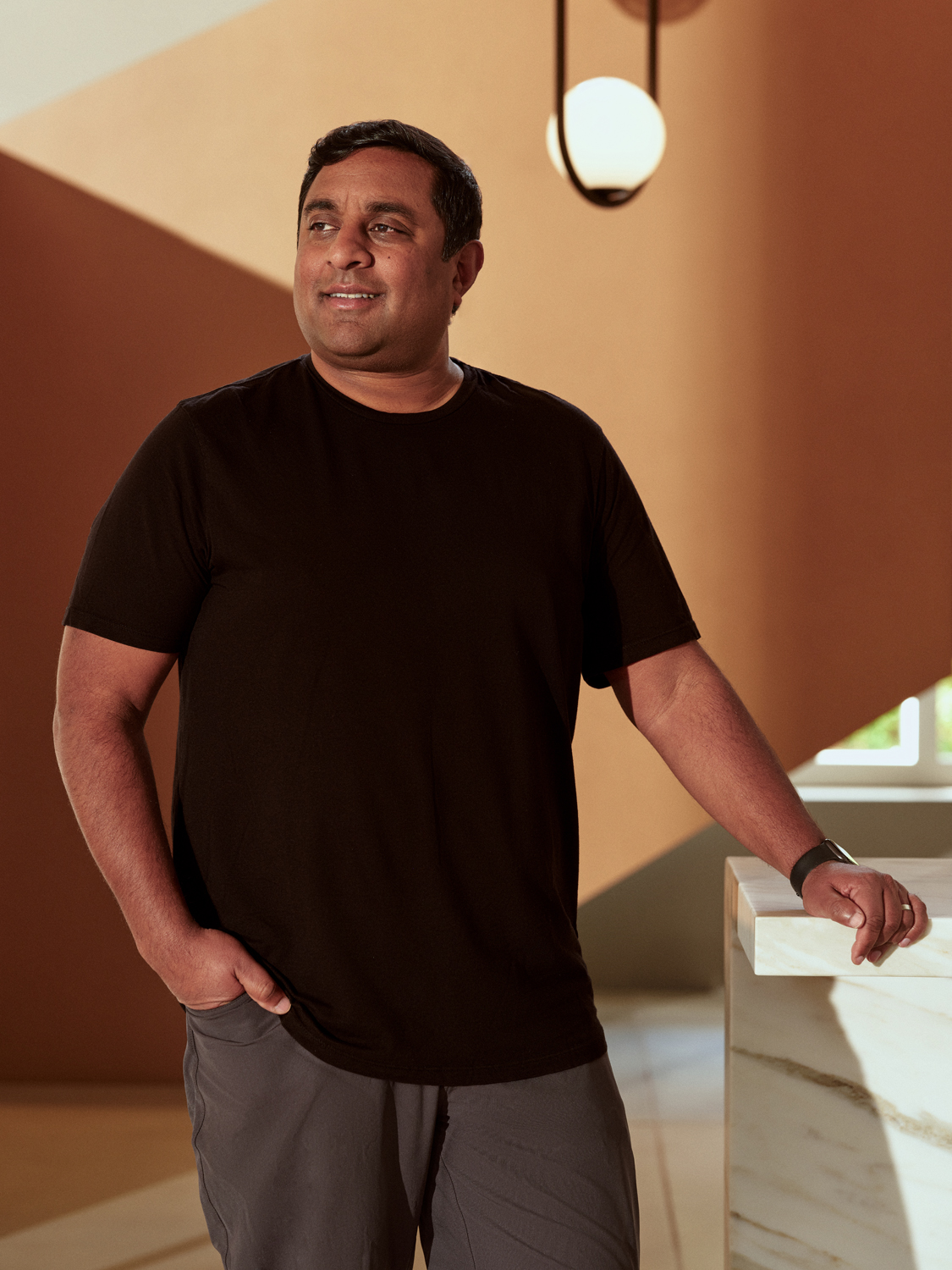
Semil Shah runs Haystack, a pre-seed and seed fund that has backed 290-plus companies since its founding - including DoorDash, HashiCorp, Instacart, Figma, Carta, and Applied Intuition, all from their very first rounds. He is also Venture Partner at Lightspeed Venture Partners, Adjunct Professor at Stanford Medicine, and a four-time consecutive inductee to the Forbes Midas Seed List (2022, 2023, 2024, 2025). The fund I estimated return is somewhere between 30 and 40x.
The year 2013 was the year he made three of his career-defining bets in a single calendar year. Mitchell Hashimoto was 20 years old when Semil led the HashiCorp seed at a $3.75M post-money valuation. (IBM bought HashiCorp for $6.4B thirty years later.) Apoorva Mehta let him into the Instacart seed round after a single beer meeting. And in October he wired into DoorDash before most investors knew what a food delivery startup should look like. Three checks. One year. Three category-defining outcomes. The math of venture capital is that you can get everything wrong except the timing, and the timing in 2013 was right because Semil Shah had positioned himself to see things no one else would show the big funds.
"You don't control outcomes as a pre-seed or seed investor. What you actually control is who you back and how consistently you apply your judgment."- Semil Shah
He built that positioning through writing. Before there was a fund, there was a blog. Before there were LPs, there were editors at TechCrunch and Harvard Business Review who published his thinking. He hosted a web video show on TechCrunchTV called "In the Studio," interviewing founders and investors before he was one himself. That archive of credibility became a calling card. When he knocked on early-stage startup doors offering to help - introductions, deal flow analysis, strategic thinking - they opened, because founders had read him and trusted his judgment. He calls this the "come bearing gifts" approach.
The fundraising story behind Haystack is the part that gets skipped in polite company. Fund I was $1M with no fees. Fund II was $3.2M. Fund III targeted $20M and fell short at $8.2M. Fund IV - the most painful - closed at $22.8M after a raise that had Semil living month-to-month with a young family. He has talked publicly about the fear during that period in ways most GPs never do. Fund V was $50M. The first one that was oversubscribed. Fund VI was $50M again. Fund VII, in 2023, came in at $75M with a $25M companion vehicle. Seven funds. Same model. Different era.
The model is deliberately simple: $500K to $2M initial checks at pre-seed and seed, with a median entry post-money valuation around $15M. Around 15 new investments a year. No sector constraints, no geography mandates - Haystack backs founders in the US across any category where a high-signal founder is building something worth being early to. The consistent thread across 12 years of investing is not a thesis. It is pattern recognition built from watching what happens when exceptional founders start companies.
"The portfolio is, indeed, your path."- Semil Shah
In 2018 he added a second platform: Venture Partner at Lightspeed Venture Partners. The dual structure - small independent fund plus seat at a top-tier franchise - is unusual in venture. He spends his time at Lightspeed differently than he does at Haystack. One is a scout and seed position where he controls the decision entirely. The other is a collaboration with a larger partnership on later-stage bets. Nakul Mandan, who has known him for over eight years and became his partner at Lightspeed, has described the combination as one of the most effective configurations in the market.
He no longer reads books. That detail matters. "Once I started this fund and had kids, I do not read books, but I voraciously listen to podcasts." He is a father of three. He listens to more podcasts than almost any investor you'll talk to. He thinks out loud in public - on Twitter (@semil), on his blog at semilshah.com, and as a recurring guest on the Lightspeed Generative Now podcast. His writing and his talking are the record of how his thinking evolves in real time across a dozen years of market cycles. That transparency is a competitive advantage, not a vulnerability. The founders who want a thoughtful, honest, present early investor find him through the writing. They always have.