product-leadership
(98)
Alexander Kent-Braham and the price of starting over
A newcomer’s car insurance quote sent Alexander Kent-Braham, his twin Oliver and David Goaté into business. From a gym lobby to Marshmallow, his work asks how much of a person’s past should travel with them.

Anand Subbaraj and the six-visit refrigerator
A frustrating repair gave the Microsoft product leader a problem he could not leave alone. At Zuper, Anand Subbaraj is building around the people who turn up at the door - and the information that so often fails to arrive with them.
Deval Rathod and the Value of Leaving Things Unbuilt
The IT IDOL Technologies founder has a three-question test for a new feature. It reveals a larger argument about software: judgment matters long before the code arrives.

Ashraf Alkarmi and the art of choosing five things
Before becoming Dropbox's co-CEO, Ashraf Alkarmi spent years making video easier to create, find and use. His next assignment begins with a familiar discipline: deciding what deserves attention.
Lior Albeck and the work after the wow
Before Weavy joined Figma, Lior Albeck had worked on tax refunds and the business of freelancing. His next bet was that creative professionals would want more say in what AI makes, and a way to repeat what works.
Dhananja Jayalath and the question his clothes could answer
A Waterloo engineering project took DJ Jayalath past an Apple job offer and into the business of smart clothing. At Palmetto, he is working on another everyday puzzle: helping people understand the energy they use.

Vishal Sankhla and the work between the work
Before Outmarket AI, Vishal Sankhla sold handicrafts, built social analytics software, and led teams at Uber and Meta. His latest company takes aim at the paperwork standing between insurance brokers and their clients.
Andrew Bone and the problem with being a resource
A software engineer became an accountant, found himself on the receiving end of workforce planning, and helped build Dayshape. Andrew Bone’s next chapter takes him from the chief executive’s chair back to the product.
Geraldo Thomaz and the seven-year opening act
A textile business gave him the first problem. Walmart gave him a different scale. Geraldo Thomaz’s path to VTEX runs through years of experiments, a durable friendship and the recurring need to rebuild what works.

Patrick Meutzner and the job he gave away
He helped build Trengo without outside funding, handed over the CEO role to return to product, then took it back. Patrick Meutzner’s career keeps circling the same question: where can a founder be most useful?

Laust Wilster Axelsen and the art of starting over
He helped take PatientSky from an idea to an IPO, then went looking for his old hoodie. At Embla, Laust Wilster Axelsen is building again, with familiar colleagues and a different relationship with the clock.

Kristen Tyrrell and the work a paycheck does
A union household in Reno taught her what financial stability could make possible. At Catch, and later Cash App, she tried to build some of that machinery for people whose working lives refused to fit the form.
Rony Chammas and the room nobody was using
An empty Manhattan art gallery helped Rony Chammas see a business in the hours between other people’s plans. At Peerspace, he has spent years making those hours easier to book.
Kajetan von Armansperg and the price of one more cup of coffee
Kajetan von Armansperg helped build Leapsome from customer revenue before raising $60 million. Behind the funding story sits a quieter habit: writing things down, listening to feedback, and learning when to change his mind.
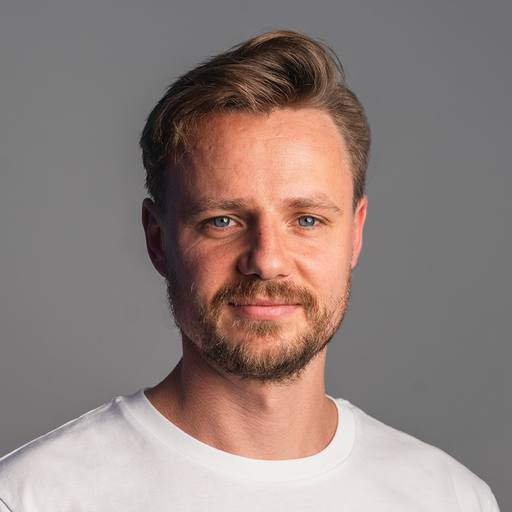
Malte Scholz and the expensive art of deciding
A frustrating product job in Hamburg sent Malte Scholz into business with two co-founders. After airfocus joined Lucid, he returned to the same stubborn question: what should a team build next?
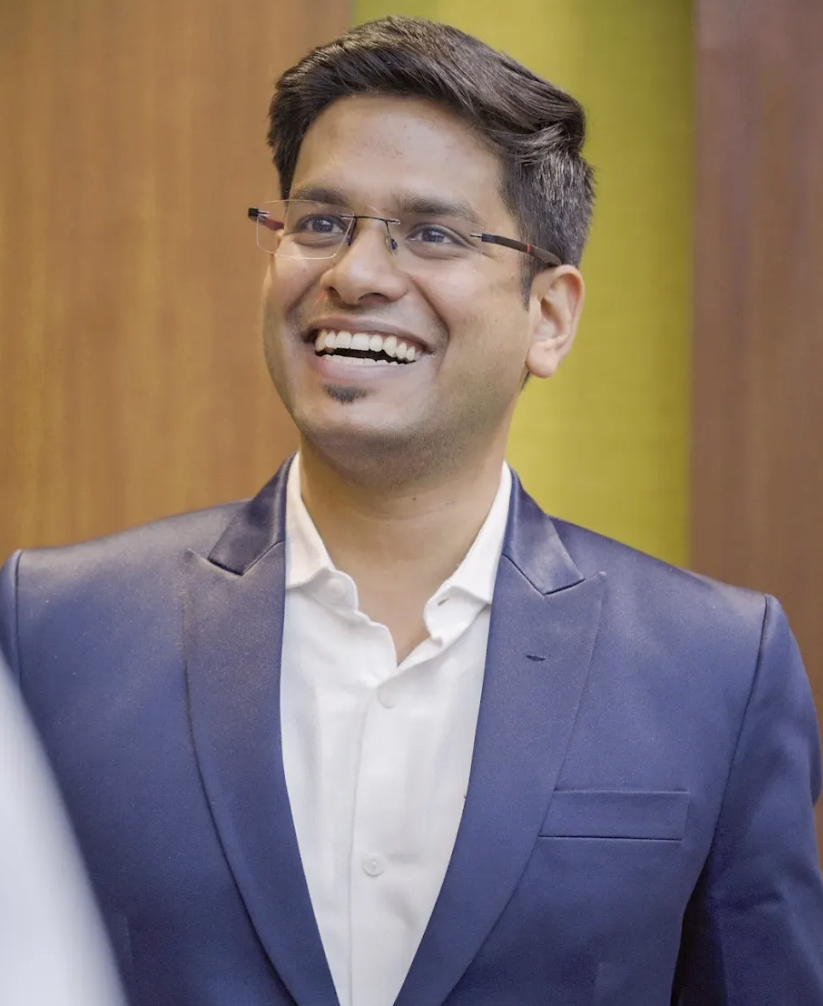
Gautam Prem Jain and the trouble between buying and selling
A side business exposed the awkward middle of global trade. Gautam Prem Jain has spent the years since building GoComet around the work that happens between a purchase order and an arrival.
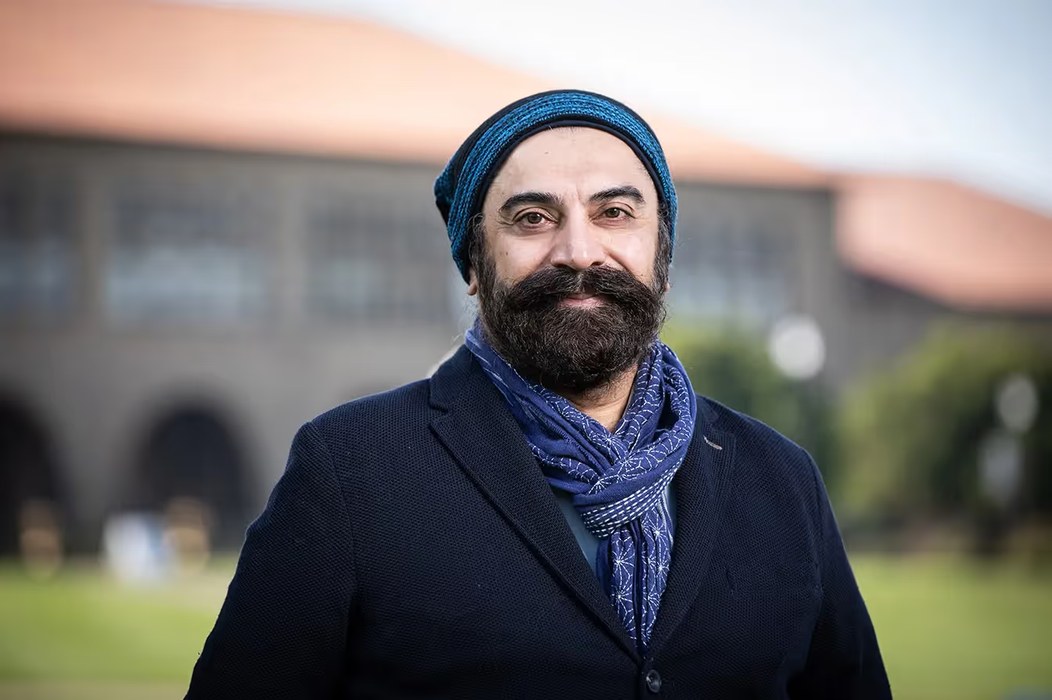
Dickey Singh’s theory of the twenty cooks
A tortilla machine, an unread dashboard, and a very specific ambition: to be useful. The Cast.app co-founder has spent his career asking what software can take off someone else’s plate.

Jeff Liu and the questionnaire that gained an extra digit
Before founding Assort Health, Jeff Liu thought a $100 million company would be an extraordinary outcome. A shared CEO title, a difficult launch and three years of building moved that ambition into a different column.
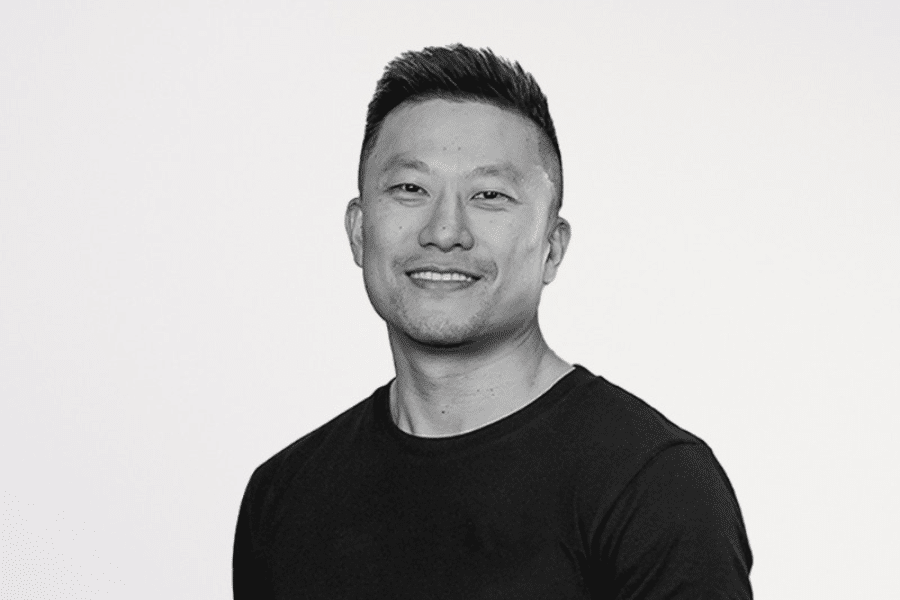
Jeremy Yang and the question that stopped the taxi
Jeremy Yang set out to sell advertising on taxi roofs. A question about whether the ads actually played led him and Mo Moubayed to build Veridooh - and made proof the product.
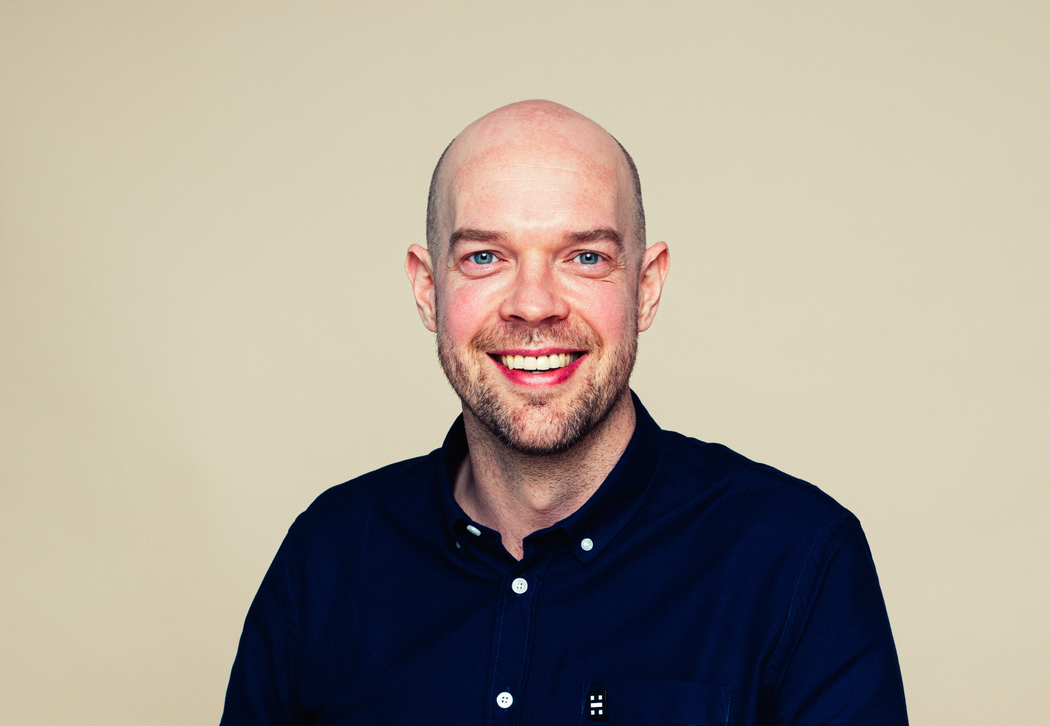
Stein Ove Eriksen and the meeting that needed a director
After years of building cameras, Huddly co-founder Stein Ove Eriksen began asking what television could teach the meeting room. His answer puts the listener, as well as the speaker, in the picture.
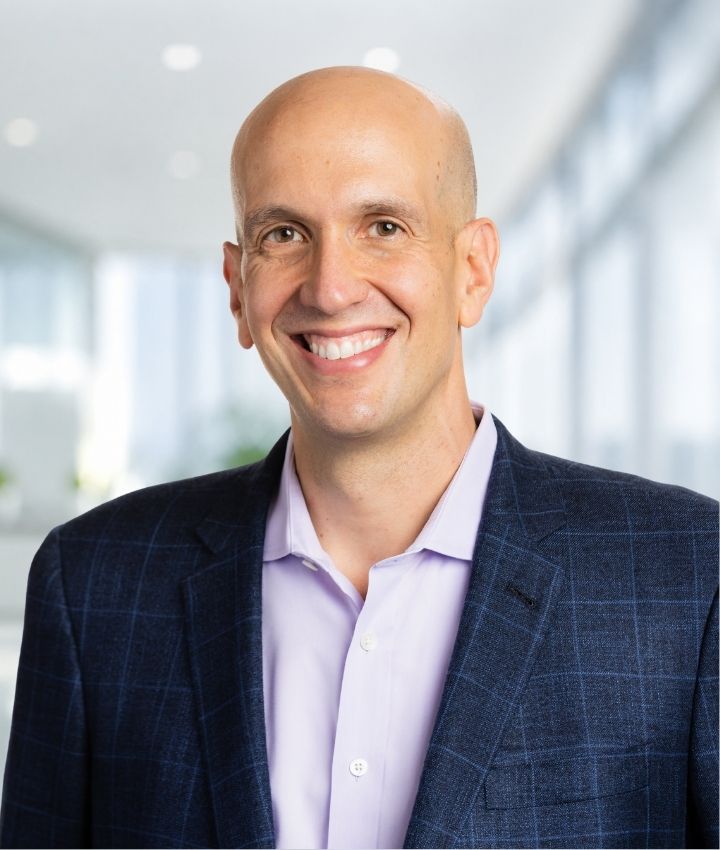
Rob DeMento and the art of changing sides
He left intellectual property law to do the work his clients were doing. Now, after years in product, technology, and operations, Rob DeMento is looking for a business to acquire and lead with The Brydon Group.
Cliel Schachter and the value of going first
Before leading teams, Cliel Schachter has a habit of becoming a customer. From a catering shift in San Francisco to a venture studio in Toronto, his career follows the questions that only using a product can answer.
Product Thinking: Before You Build, Think.
Melissa Perri’s Product Thinking turns the product meeting inside out. Its question is simple: what if the thing slowing you down is the decision, rather than the code?

Romulo Braga and the work a shipping label leaves out
A product leader changed his favorite sign-off after a meeting exposed its blind spot. His writing, interviews and mentoring show why building something useful begins well before the release.
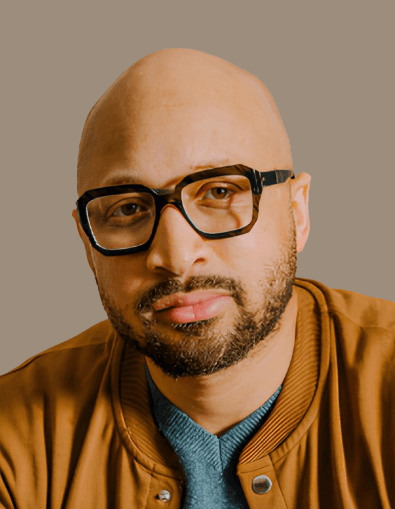
The Engineer Who Kept Asking What Money Should Be Able to Do
Before Sui, Adeniyi Abiodun wrote software for oil wells, banks and Bitcoin miners. The Mysten Labs co-founder has spent the years since Meta’s abandoned Libra project trying to make moving value online feel ordinary.
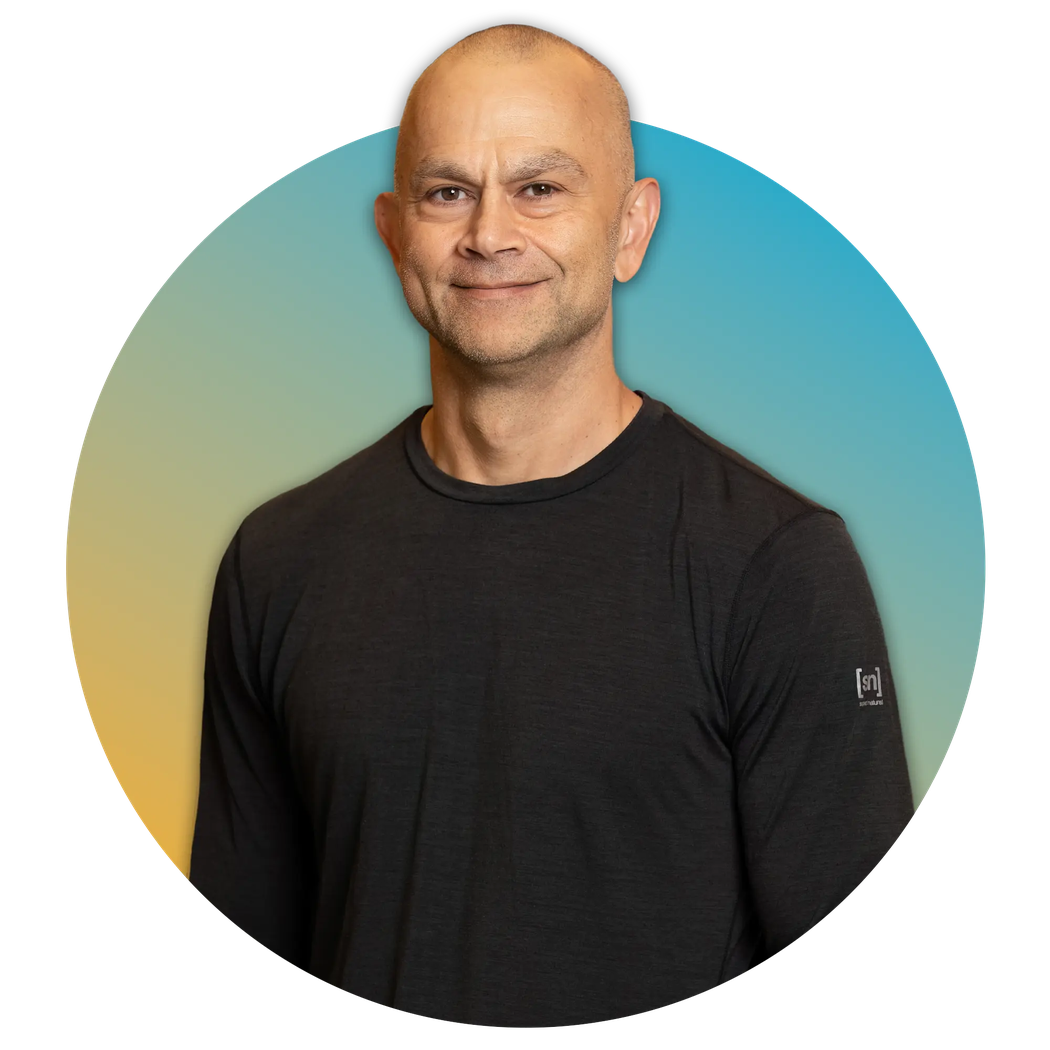
Axel Allgeier and the Second Draft of Enterprise Software
Three decades after helping enterprise software travel across incompatible machines, Axel Allgeier is still chasing the same stubborn idea: complexity belongs in the architecture, not in the user's day.

Gautham Viswanathan and the Ninety-Nine Percent of Work Still Waiting to Disappear
He helped build the middleware that connected the first wave of enterprise software. Then he returned to the same stubborn problem with a more democratic idea: let the people who know the work automate it.

Sid Yadav and the Patient Art of Building a Circle
Before Circle became a home for millions of community members, its CEO learned to build in public, leave room for risk, and write down the culture before writing the company paperwork.

Nicolas Garnier Made Email Behave. Now He Is Teaching Hotel Software Better Manners.
The self-taught developer behind MJML built a career by translating unruly systems into humane products. At Canary Technologies, the inbox has given way to the hotel lobby - but the instinct remains the same.

Jay Choi Is Teaching a Form to Finish the Conversation
The Typeform CEO built his career by listening for the question behind the answer. Now he is betting that the humble online form can become the beginning of a customer relationship, rather than its paperwork at the end.