libertarian
(9)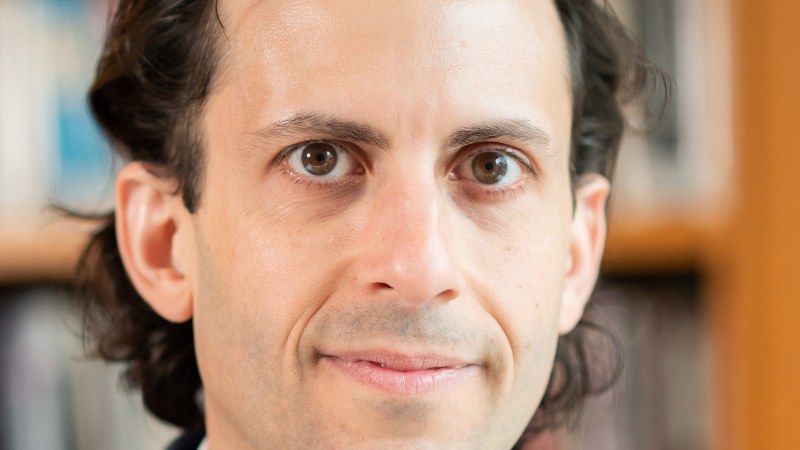
Alex Nowrasteh
Alex Nowrasteh is Senior Vice President for Policy at the Cato Institute and one of the most cited and combative voices in the U.S. immigration debate. A self-described 'radical' for open borders, he turns the standard fears about immigration - crime, terrorism, welfare, wages, culture - into testable claims and then publishes the numbers. He co-wrote the prize-winning 'Wretched Refuse?' and the rebuttal handbook 'The Most Common Arguments Against Immigration and Why They're Wrong,' and he is a regular on Capitol Hill, on cable news, and across the op-ed pages.
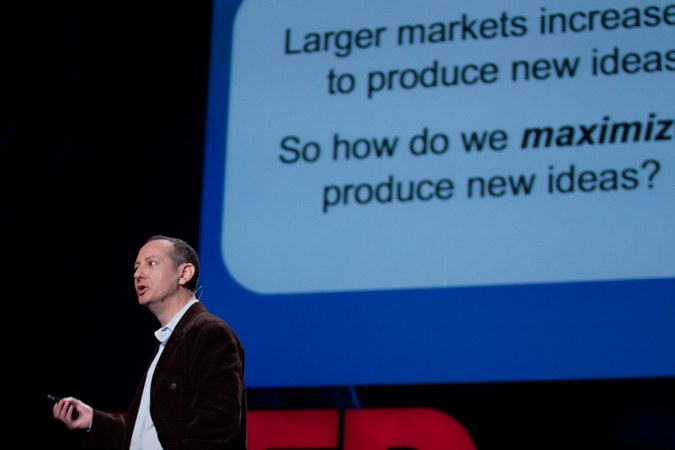
Alex Tabarrok
Alex Tabarrok is a Canadian-American economist, the Bartley J. Madden Chair in Economics at the Mercatus Center and a professor of economics at George Mason University. With Tyler Cowen he co-writes the influential blog Marginal Revolution and co-founded Marginal Revolution University, one of the largest free online libraries of economics education. His work spans patent reform, the economics of innovation, high-skilled immigration, bounty hunters, and voting theory, and he became a prominent public voice during the COVID-19 pandemic advising the US government on incentives to accelerate vaccine production.
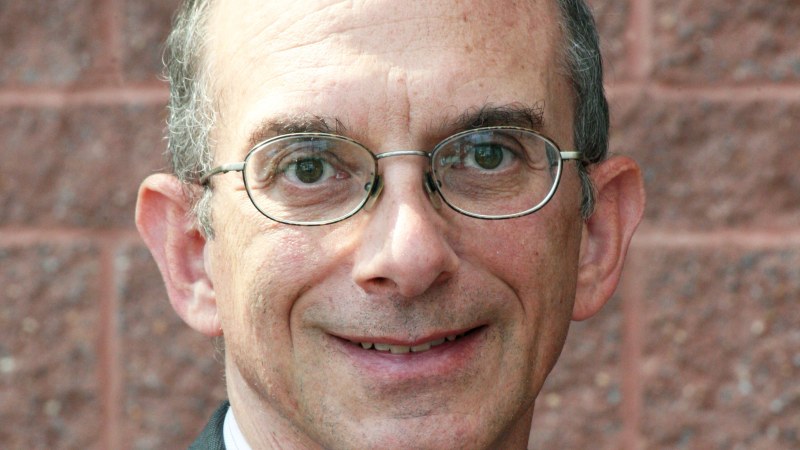
Arnold Kling
Arnold Kling is an American economist, author, and blogger who turned a career spanning the Federal Reserve, Freddie Mac, and a sold-at-the-peak internet startup into one of the most charitable, contrarian voices in online economics. He writes the popular Substack 'In My Tribe,' is best known for 'The Three Languages of Politics,' and built a following by taking the most charitable view of those who disagree with him.

Bryan Caplan
Bryan Caplan is a professor of economics at George Mason University who turns provocative ideas into bestselling books and graphic novels. He coined 'rational irrationality' to explain why democracies pick bad policies, argues education is mostly signaling, champions open borders and housing deregulation, and keeps a perfect public betting record on his predictions. He writes the Substack 'Bet On It' and has built a career out of cheerfully defending unpopular positions with data.
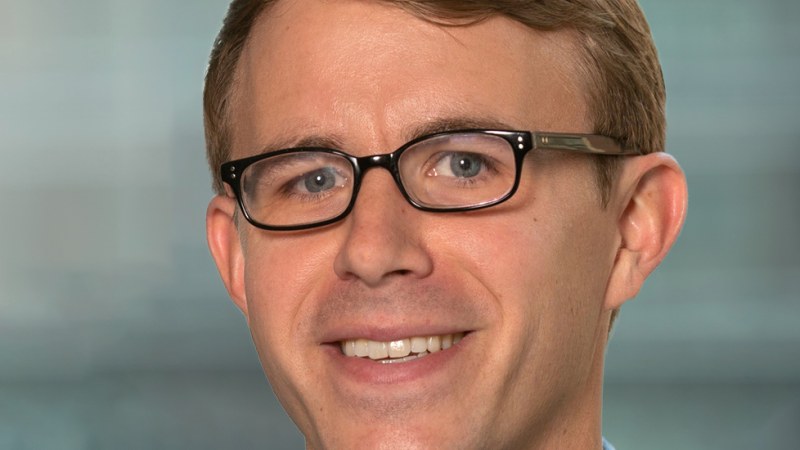
David J. Bier
David J. Bier is the Director of Immigration Studies at the Cato Institute, where he holds the Selz Foundation Chair in Immigration Policy. A relentless data-driven analyst of legal immigration, border security, and interior enforcement, he is best known for showing that fewer than 1 percent of people who want to move to the United States can legally do so, and for the Powerball analogy that reframed the legal-immigration debate. His research has been cited by the U.S. Supreme Court and multiple federal appeals courts, and he testifies regularly before House and Senate committees.

Liz Mair
Liz Mair is a dual US-UK communications strategist and opposition researcher who runs Mair Strategies LLC. A recovering private equity lawyer turned political operative, she ran online communications for the Republican National Committee in 2008, advised presidential campaigns from Rand Paul to Carly Fiorina, and became a free-speech cause celebre when Congressman Devin Nunes sued her alongside a parody cow Twitter account. A self-described libertarian, she is a fixture on Fox News, CNN, MSNBC and Real Time with Bill Maher, and writes for outlets from Reason to The New York Times.
Megan McArdle
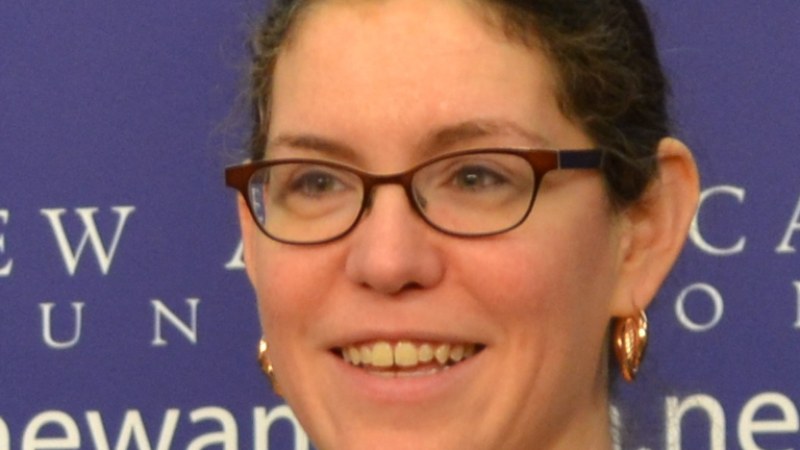
Megan McArdle is a Washington Post opinion columnist who writes at the seam where economics, business and public policy meet. She was blogging as 'Jane Galt' from a desk near Ground Zero before most journalists knew what a blog was, parlaying an English-lit degree and a Chicago MBA into a career that ran through The Economist, The Atlantic, Newsweek/Daily Beast and Bloomberg View. A self-described right-leaning libertarian known for steelmanning the other side, she wrote 'The Up Side of Down,' a book arguing that failing well is the real engine of success. In 2025 she added a contributing-writer role at The Dispatch and turned to podcasting with 'Central Air' and 'Reasonably Optimistic.'
Peter Thiel
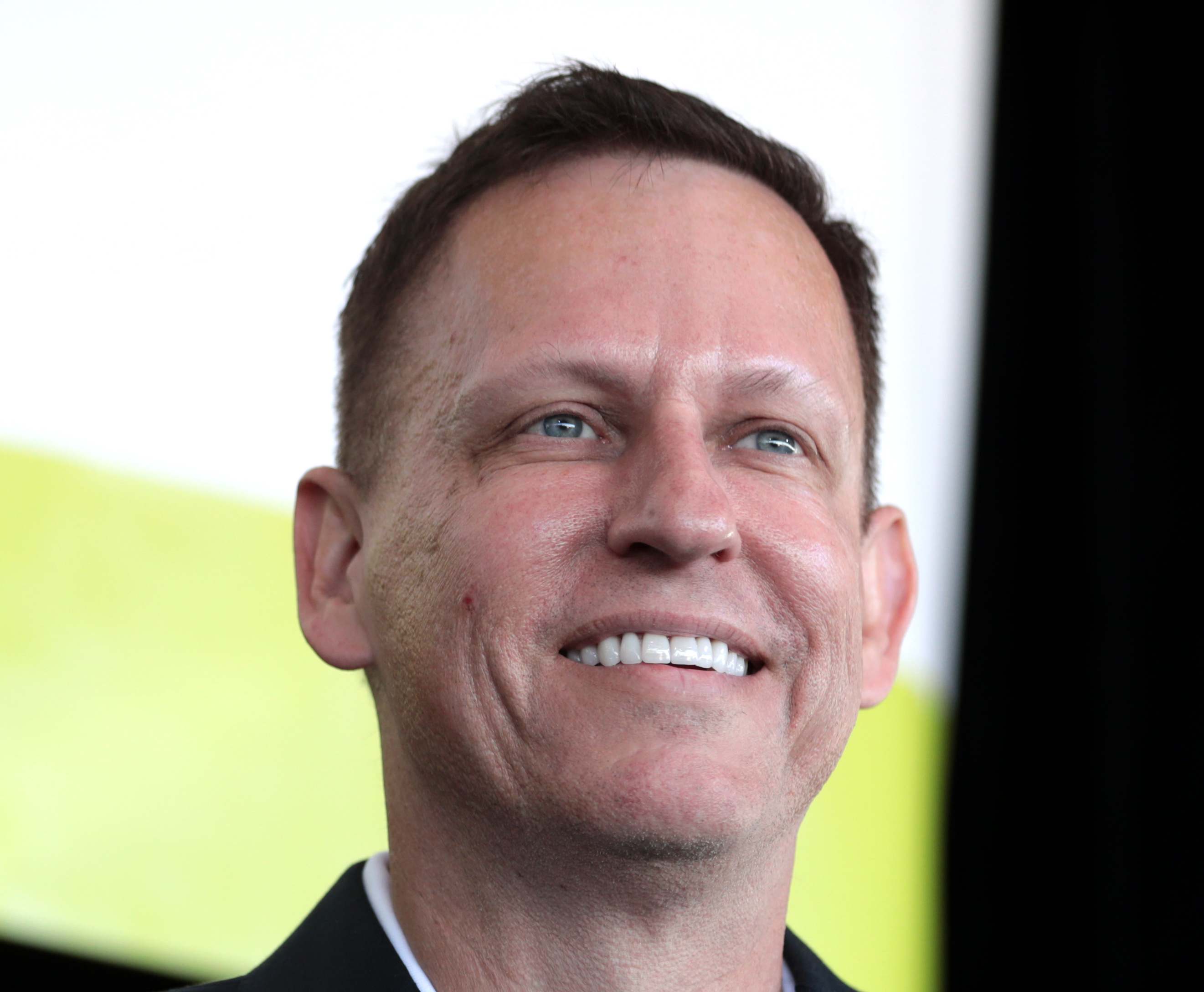
Peter Andreas Thiel (born October 11, 1967 in Frankfurt, West Germany) is one of the most consequential and controversial figures in the history of technology and venture capital. A Stanford philosophy graduate and law school alumnus, Thiel co-founded PayPal in 1998, pioneering online digital payments before selling it to eBay for $1.5 billion in 2002. He then made what became arguably the greatest angel investment in tech history — a $500,000 bet on a 19-year-old Mark Zuckerberg's Facebook in 2004 that ultimately returned over $1 billion. In 2003 he co-founded Palantir Technologies (now valued at over $400 billion), and in 2005 he launched Founders Fund, a venture capital firm managing approximately $17 billion that was among the first institutional investors in SpaceX, Palantir, Stripe, Airbnb, and Spotify. Thiel's 2014 book Zero to One became a defining text on startup theory, articulating his core belief that genuine innovation is far more valuable than incremental improvement. A self-described libertarian, Thiel surprised Silicon Valley when he endorsed Donald Trump at the 2016 Republican National Convention. He is also known for secretly funding Hulk Hogan's lawsuit that bankrupted Gawker Media after the outlet outed him as gay. Through the Thiel Fellowship, which awards $250,000 to young people who skip or defer college, he has championed entrepreneurship over credentialism — producing billionaire alumni including Ethereum's Vitalik Buterin and Figma's Dylan Field. As of December 2025, Thiel's net worth is estimated at $27.5 billion.
Scott Banister
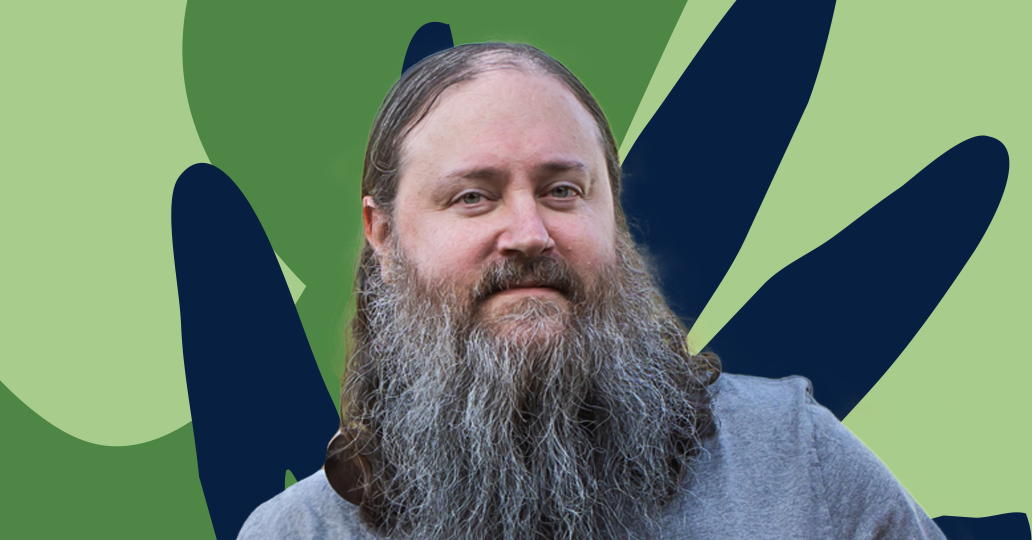
Scott Banister is a serial entrepreneur and prolific angel investor who co-founded IronPort Systems (acquired by Cisco for $830M), was the first outside investor in PayPal, and is credited by insiders with conceiving the paid keyword search advertising model that spawned the entire Google AdWords ecosystem. With 100+ investments spanning Uber, SpaceX, DeepMind, Facebook, and Affirm - most at seed stage - he is one of the most consequential yet least-known members of the PayPal Mafia.