economist
(28)
Adam Ozimek
Adam Ozimek is a labor economist and Chief Economist at the Economic Innovation Group (EIG), where he leads research on economic dynamism, demographics, remote work, and immigration. A former Chief Economist at Upwork and senior economist at Moody's Analytics, he became one of the most-cited voices on the future of work, repeatedly arguing that remote work is a 'general-purpose technology' that will reshape where and how Americans live and work. Known online as @ModeledBehavior, he pairs national policy influence with running a small entertainment business in his hometown of Lancaster, Pennsylvania.
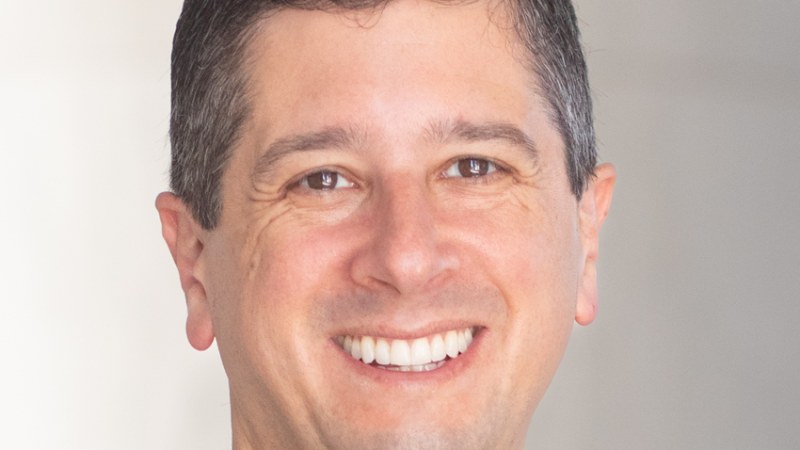
Alex Brill
Alex Brill is a Washington economist who turns tax code arcana into arguments lawmakers actually use. He is the founder and CEO of Matrix Global Advisors, a boutique economic consulting firm, and a senior fellow at the American Enterprise Institute. Before going independent he was policy director and chief economist of the House Ways and Means Committee and served on the White House Council of Economic Advisers. He edits and writes books on tax policy, testifies before Congress, and works the seam between tax, health care, and fiscal policy.
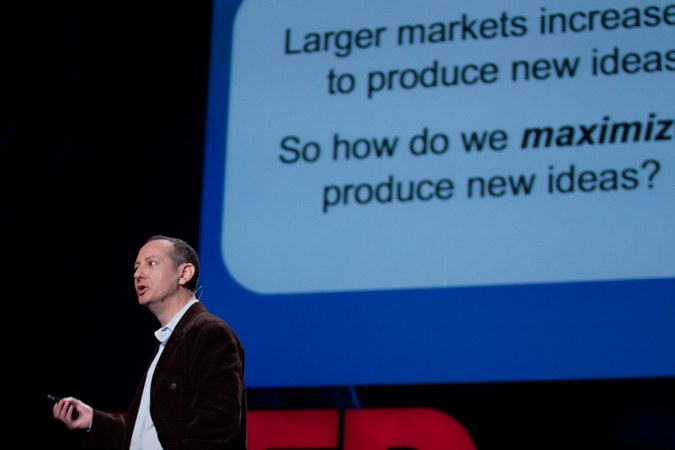
Alex Tabarrok
Alex Tabarrok is a Canadian-American economist, the Bartley J. Madden Chair in Economics at the Mercatus Center and a professor of economics at George Mason University. With Tyler Cowen he co-writes the influential blog Marginal Revolution and co-founded Marginal Revolution University, one of the largest free online libraries of economics education. His work spans patent reform, the economics of innovation, high-skilled immigration, bounty hunters, and voting theory, and he became a prominent public voice during the COVID-19 pandemic advising the US government on incentives to accelerate vaccine production.
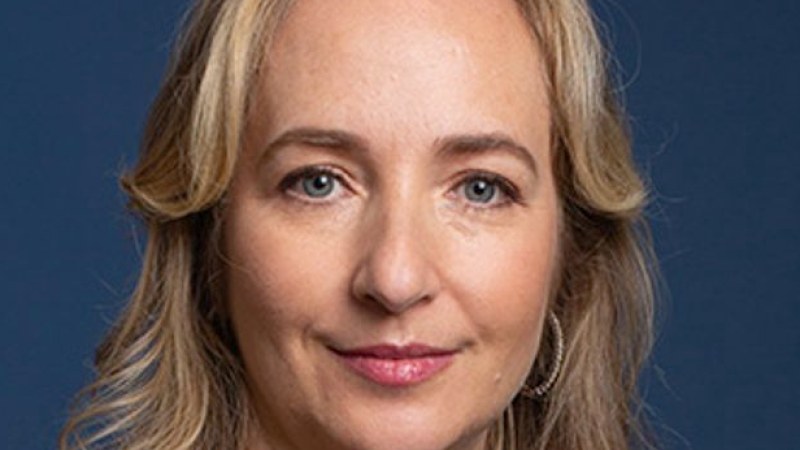
Allison Schrager
Allison Schrager is an economist who turned the study of risk into a full-contact reporting beat - hanging out with brothel madams, big-wave surfers, paparazzi and horse breeders to figure out how the best risk-takers actually decide. A senior fellow at the Manhattan Institute, Bloomberg Opinion columnist and City Journal contributing editor, she holds a PhD in economics from Columbia and once helped Nobel laureate Robert Merton design retirement products. Her 2019 book 'An Economist Walks into a Brothel' argued that financial theory belongs everywhere people gamble with their futures; her follow-up, 'Worth the Risk,' is due from Yale University Press in September 2026.
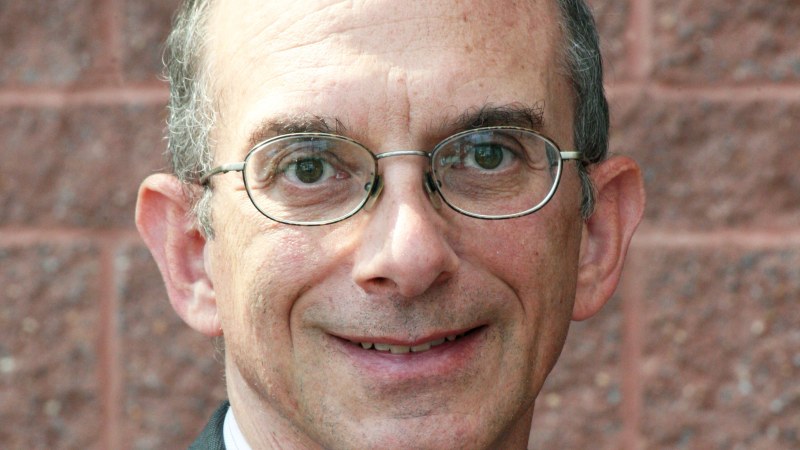
Arnold Kling
Arnold Kling is an American economist, author, and blogger who turned a career spanning the Federal Reserve, Freddie Mac, and a sold-at-the-peak internet startup into one of the most charitable, contrarian voices in online economics. He writes the popular Substack 'In My Tribe,' is best known for 'The Three Languages of Politics,' and built a following by taking the most charitable view of those who disagree with him.
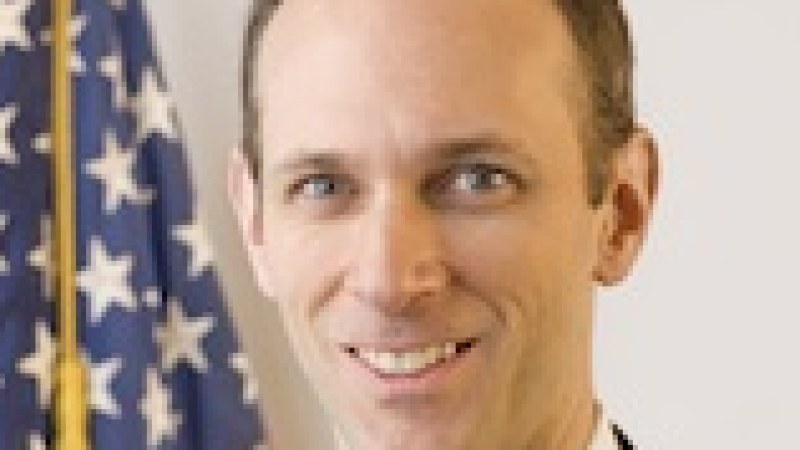
Austan Goolsbee
Austan Goolsbee is the president and CEO of the Federal Reserve Bank of Chicago, one of the most closely watched voices on U.S. interest rates and inflation. A longtime University of Chicago Booth economist who chaired Barack Obama's Council of Economic Advisers, he is equally known for empirical research on the internet and taxes and for being the rare central banker who once won Washington's funniest celebrity contest.
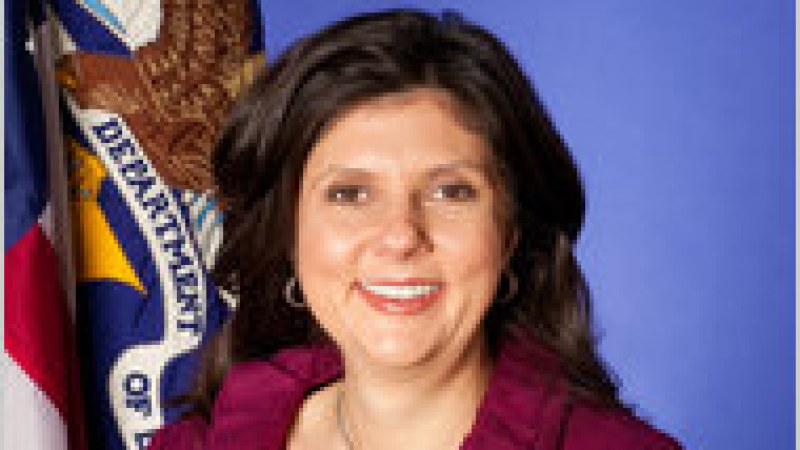
Betsey Stevenson
Betsey Stevenson is a labor economist at the University of Michigan's Ford School of Public Policy who has spent her career proving that the things people assume are soft - happiness, marriage, who does the dishes - are measurable, and that measuring them changes policy. She served as Chief Economist at the U.S. Department of Labor and as a member of President Obama's Council of Economic Advisers, co-authored a bestselling Principles of Economics textbook, co-hosts the Think Like An Economist podcast, sits on Lyft's board, and is now turning her attention to what a post-AGI economy does to human flourishing.

Bryan Caplan
Bryan Caplan is a professor of economics at George Mason University who turns provocative ideas into bestselling books and graphic novels. He coined 'rational irrationality' to explain why democracies pick bad policies, argues education is mostly signaling, champions open borders and housing deregulation, and keeps a perfect public betting record on his predictions. He writes the Substack 'Bet On It' and has built a career out of cheerfully defending unpopular positions with data.
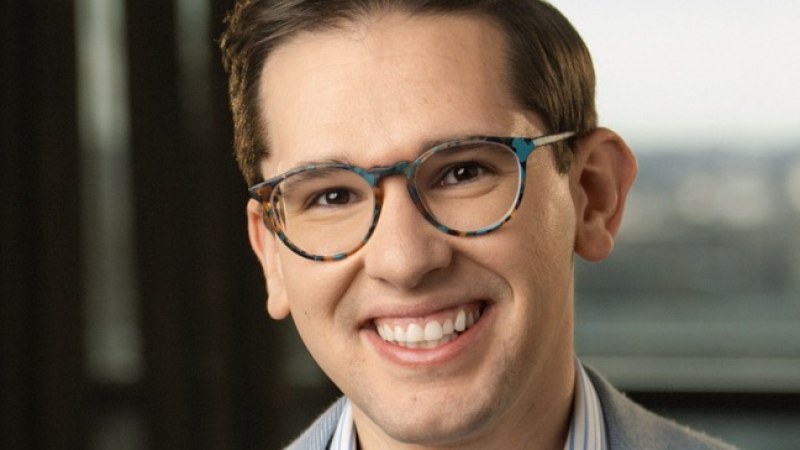
Caleb Watney
Caleb Watney is the co-founder and co-CEO of the Institute for Progress (IFP), a nonpartisan Washington, D.C. think tank that turns ideas from progress studies into policy. He runs IFP's work on metascience, high-skilled immigration, and emerging technology, hunting for the policy levers that could rebuild American state capacity and speed up the rate of scientific breakthroughs. Before IFP he led innovation policy at the Progressive Policy Institute and was a tech-policy fellow at R Street and a graduate research fellow at Mercatus.
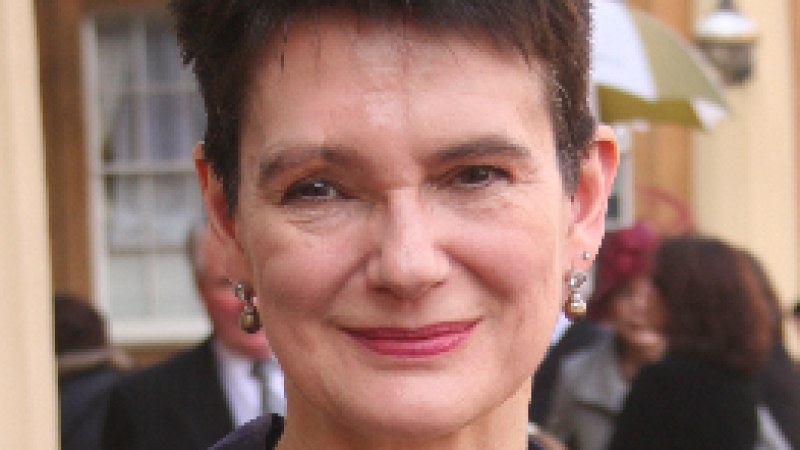
Diane Coyle
Diane Coyle is the Bennett Professor of Public Policy at the University of Cambridge, where she co-directs the Bennett Institute and spends her days arguing that the numbers we use to run the economy are quietly out of date. A former economics editor at The Independent turned academic, she has written ten books, including the surprise hit GDP: A Brief but Affectionate History and her 2025 work The Measure of Progress. She has helped shape UK competition policy, sat on the BBC Trust, advised the Competition and Markets Authority, and was made a Dame in 2023 for services to economics.
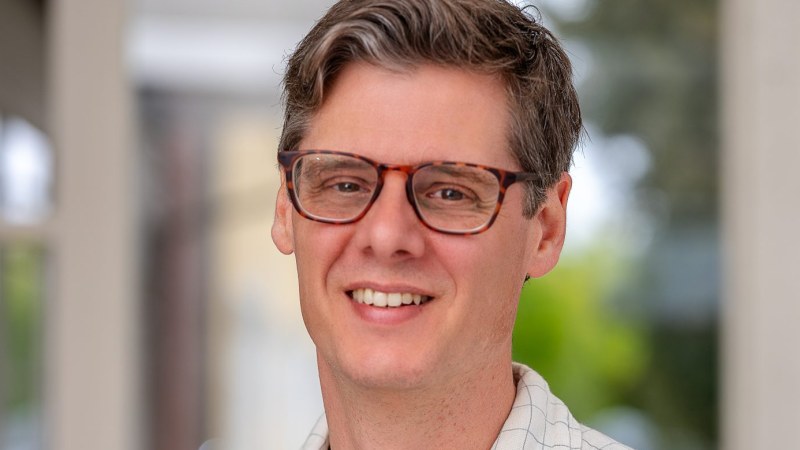
Eli Dourado
Eli Dourado is an economist and head of strategic investments at the Astera Institute, where he deploys capital to push frontier technologies in energy, aerospace, and other capital-intensive, heavily regulated sectors. He describes his work as a 'sacred quest to increase the pace of American economic growth,' which he argues has stagnated since around 1973. A former regulatory hacker at Boom Supersonic and director of the technology policy program at the Mercatus Center, he is known for influential essays on geothermal energy, supersonic flight, cargo airships, and ending the Great Stagnation.
Greg Mankiw
Greg Mankiw is the Robert M. Beren Professor of Economics at Harvard and the author of the best-selling economics textbooks of his generation. A leading New Keynesian theorist, he chaired the President's Council of Economic Advisers under George W. Bush, taught Harvard's famous Ec10 introductory course, advised Mitt Romney's campaigns, and founded the Pigou Club to champion carbon taxes. His textbook 'Principles of Economics' has sold more than two million copies and been translated into about twenty languages.
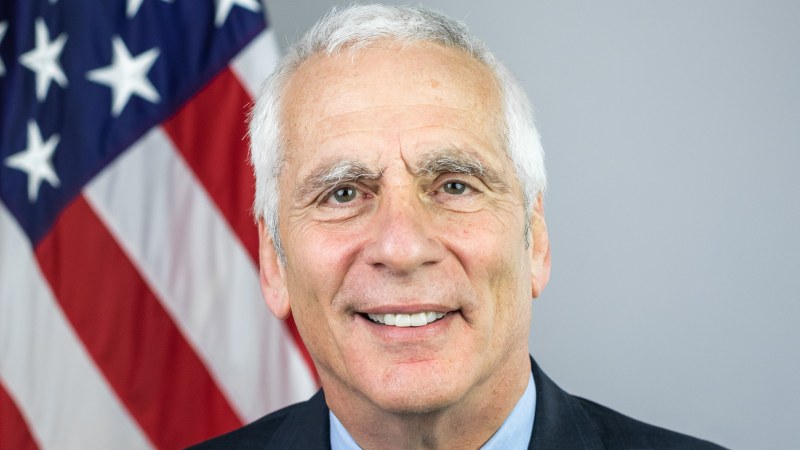
Jared Bernstein
Jared Bernstein is an American economist who chaired the White House Council of Economic Advisers from 2023 to 2025, capping a career built around one question: how the economy works for people who earn paychecks rather than collect dividends. A jazz double-bassist turned social worker turned policy economist, he spent decades at the Economic Policy Institute, advised Joe Biden as his chief economist, and championed full employment and rising wages for low- and middle-income workers. He is the author of Crunch and The Reconnection Agenda, a longtime CNBC contributor, and a prolific blogger and columnist.
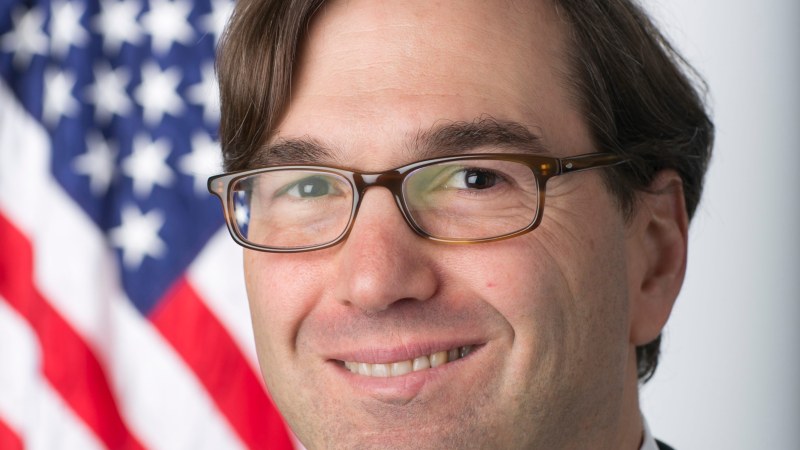
Jason Furman
Jason Furman is an American economist who chaired President Obama's Council of Economic Advisers from 2013 to 2017 and now teaches the famous Economics 10 introductory course at Harvard alongside David Laibson. The Aetna Professor of the Practice of Economic Policy at Harvard Kennedy School and a nonresident senior fellow at the Peterson Institute, he is one of the most widely quoted policy economists working today, dissecting tariffs, inflation, deficits and AI in the Wall Street Journal, The New York Times, Project Syndicate and on his prolific X feed.
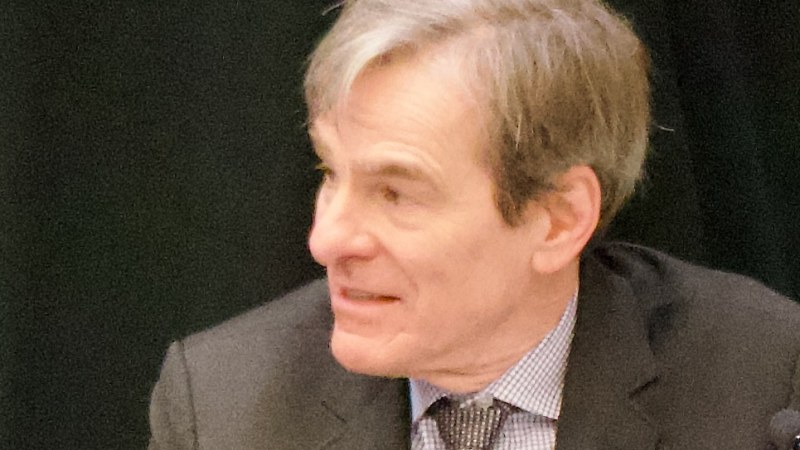
John Cochrane
John H. Cochrane is an American economist, the Rose-Marie and Jack Anderson Senior Fellow at Stanford's Hoover Institution and author of the field-defining textbook Asset Pricing. A physicist-turned-finance scholar, he champions the fiscal theory of the price level, writes the popular free-market blog and Substack The Grumpy Economist, co-stars on Hoover's GoodFellows broadcast, and flies competition sailplanes in his spare time.
Joseph Antos
Joseph Antos is one of Washington's most-quoted health economists, the Wilson H. Taylor Scholar in Health Care and Retirement Policy and a senior fellow emeritus at the American Enterprise Institute. A University of Rochester PhD who started as a Cornell math major, he spent decades inside the federal machinery - the Congressional Budget Office, the Council of Economic Advisers, OMB, the Department of Labor and HHS - before becoming AEI's go-to voice on Medicare, the federal budget, and market-based reform. He has advised the World Bank and foreign governments, served terms regulating hospital rates in Maryland, and teaches at George Washington University.
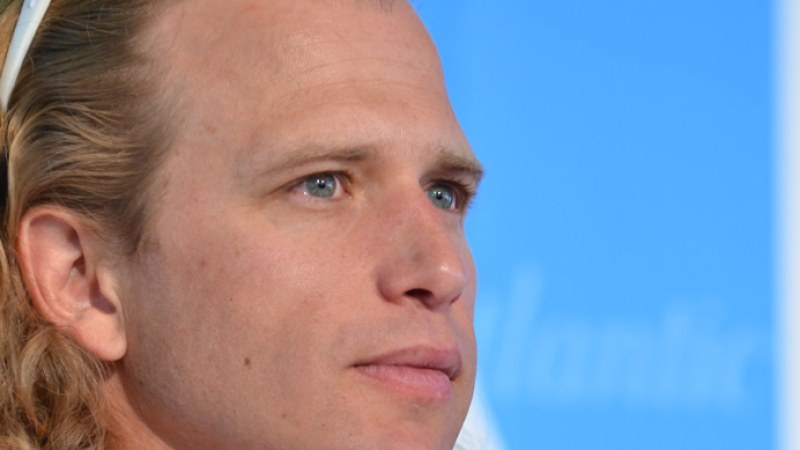
Justin Wolfers
Justin Wolfers is an Australian-American economist who turns dense data into plain talk for the rest of us. A professor of economics and public policy at the University of Michigan's Ford School, he co-hosts the Think Like an Economist podcast with his partner Betsey Stevenson, writes the Platypus Economics newsletter, and is one of the most quoted economic voices in American media. His work spans macroeconomics, labor markets, prediction markets, sports, and the surprisingly stubborn question of whether money buys happiness (his answer: more than people think).
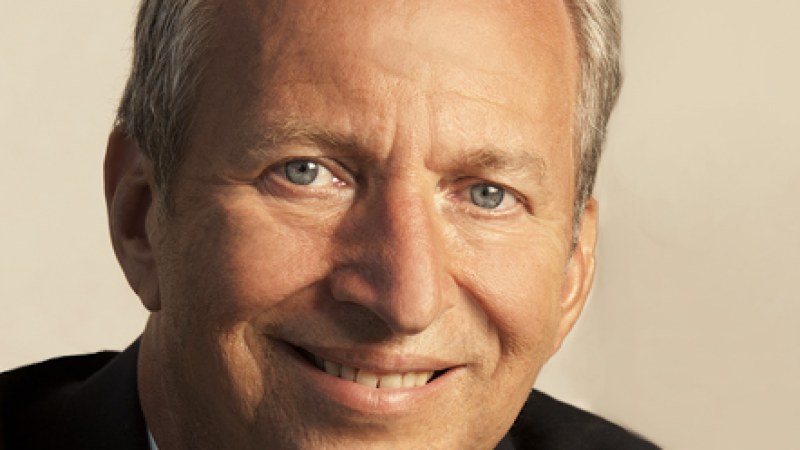
Larry Summers
Lawrence Henry Summers is one of the most influential and combative American economists of his generation. He was the 71st U.S. Secretary of the Treasury, chief economist of the World Bank, the 27th president of Harvard University, and director of the National Economic Council under President Obama. A John Bates Clark Medal winner who earned tenure at Harvard at 28, he became famous for the 'secular stagnation' thesis and for loudly warning, against the consensus, that the 2021 stimulus would ignite inflation. In late 2025 and early 2026, the release of his email correspondence with Jeffrey Epstein triggered a rapid unwinding of his public roles.
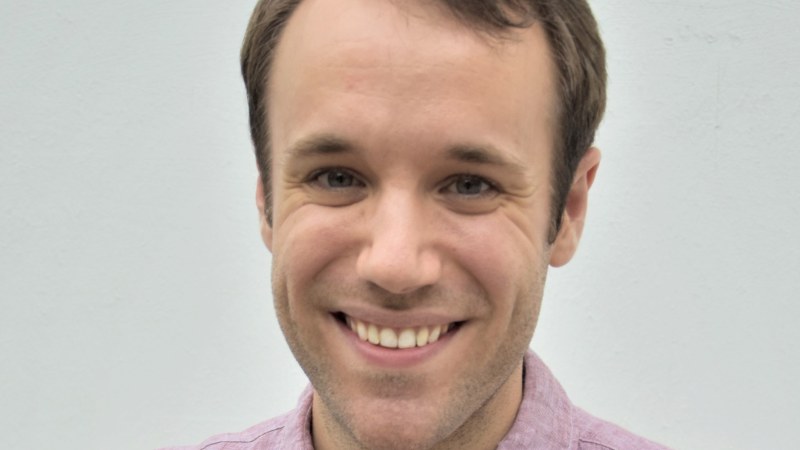
Lyman Stone
Lyman Stone is a demographer who has become one of the most-quoted voices on why people are having fewer babies. He directs the Pronatalism Initiative at the Institute for Family Studies and serves as Director of Research at Demographic Intelligence, where he builds forecasting models of fertility and family formation. A Kentuckian economist turned population scientist, he completed his PhD at McGill University and is a fixture in the New York Times, Wall Street Journal, and on podcasts like Modern Wisdom, arguing that falling birth rates are less about money and more about marriage, meaning, and the things people want but never get around to.

Marc Goldwein
Marc Goldwein is the Senior Vice President and Senior Policy Director at the Committee for a Responsible Federal Budget (CRFB), where he has become Washington's most-quoted referee of how much the federal government can afford. A two-degree Johns Hopkins economist who once ran track for the Blue Jays, he helped staff the Simpson-Bowles Fiscal Commission and the 2011 'Super Committee,' teaches economics on the side, and now spends his days scoring the price tag of nearly every major bill and campaign promise. He talks fast, deploys statistics faster, and has made a career of telling both parties the same unwelcome thing: the math does not add up.
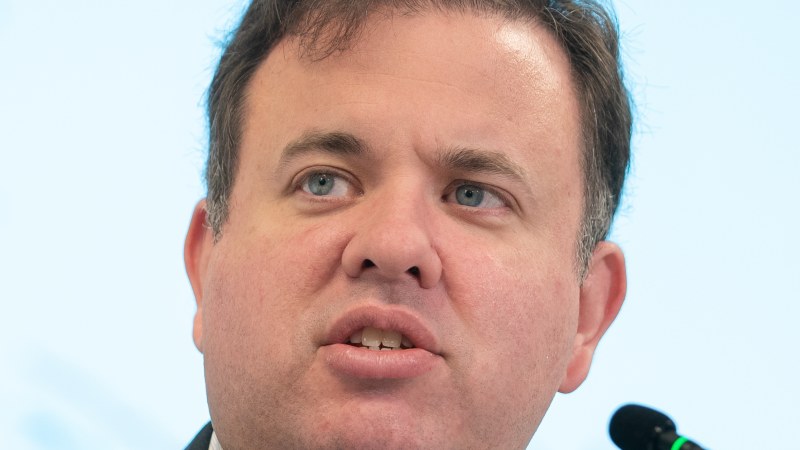
Michael Strain
Michael R. Strain is one of Washington's most-cited economists - director of economic policy studies at the American Enterprise Institute, author of 'The American Dream Is Not Dead (But Populism Could Kill It),' and a columnist whose data-first optimism cuts against the grain of both parties. He studies labor markets, macroeconomics, public finance, and social policy, testifies before Congress, teaches at Georgetown, and writes for the Financial Times and Project Syndicate.
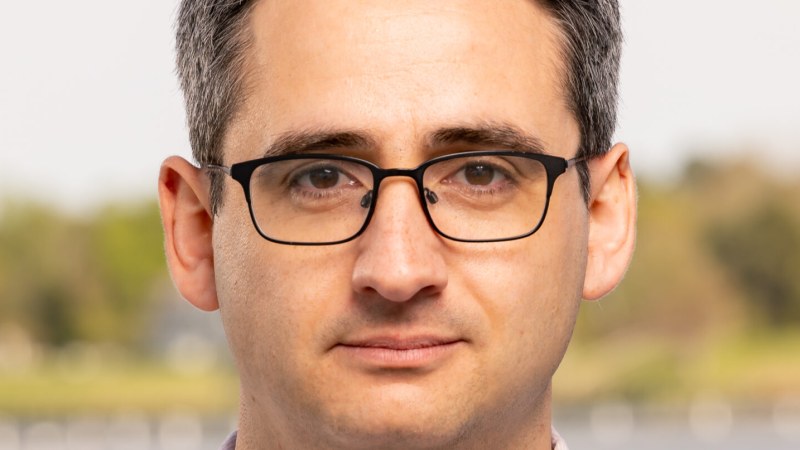
Oren Cass
Oren Cass is the founder and chief economist of American Compass, the think tank that rewired the economic playbook of the American right. A former Bain consultant and domestic policy director for Mitt Romney's 2012 campaign, Cass turned against the free-market orthodoxy he once served and built an intellectual case for tariffs, industrial policy, and worker power that now echoes through the speeches of JD Vance and Marco Rubio. He is the author of The Once and Future Worker and editor of The New Conservatives, and a contributing opinion writer for the Financial Times.
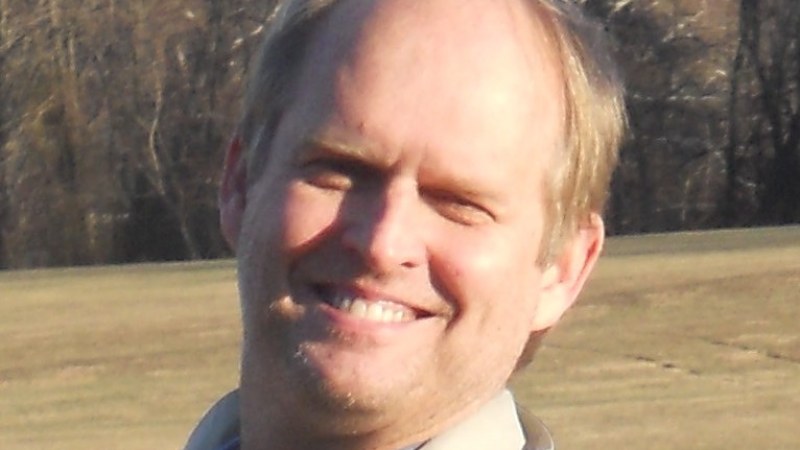
Robin Hanson
Robin Hanson is an American economist at George Mason University who builds markets that turn opinions into prices. He pioneered prediction markets in the late 1980s, invented the logarithmic market scoring rule that underpins many modern betting and crypto markets, and proposed futarchy, a system of governance where we 'vote on values but bet on beliefs.' He is the author of The Age of Em, a detailed forecast of a civilization run by emulated human brains, and co-author of The Elephant in the Brain, which argues most of our behavior is driven by hidden, self-serving motives we'd rather not admit. He blogs at Overcoming Bias and coined the term 'the Great Filter.'

Scott Sumner
Scott Sumner is the economist behind The Money Illusion, the blog that turned an obscure idea - that central banks should target nominal GDP, not just inflation - into a mainstream policy debate. The intellectual force behind market monetarism, he spent 33 years teaching at Bentley before becoming the Ralph G. Hawtrey Chair Emeritus of Monetary Policy at George Mason's Mercatus Center. A late bloomer who bought his first cell phone in 2011, he is also a prolific film reviewer who has watched and rated thousands of movies.

Stan Veuger
Stan Veuger is a Dutch-born economist and senior fellow at the American Enterprise Institute who studies political economy and public finance, and who became briefly famous in 2025 for co-authoring the AEI analysis that exposed a factor-of-four error at the heart of the Trump administration's reciprocal tariff formula. A Harvard PhD with a stack of unrelated degrees in Spanish literature, law, and business, he edits AEI Economic Perspectives, teaches at Harvard, and once published peer-reviewed research proving that LeBron James measurably increased the number of restaurants near his arena.
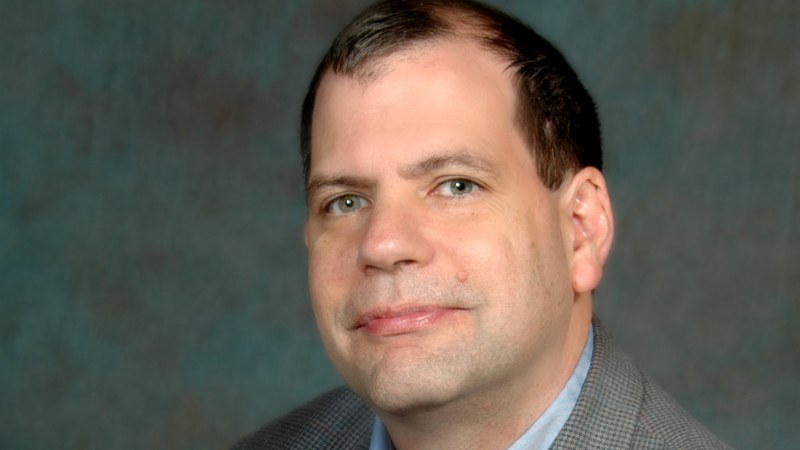
Tyler Cowen
Tyler Cowen is an American economist, author, and public intellectual who has turned relentless curiosity into a public utility. He is the Holbert L. Harris Professor of Economics at George Mason University and chairman of the Mercatus Center, the co-author of the long-running economics blog Marginal Revolution, the host of the Conversations with Tyler podcast, and the founder of Emergent Ventures, a grant program that has funded more than 1,000 ambitious people worldwide. Across books like The Great Stagnation, Stubborn Attachments, and Talent, he argues that sustained economic growth is a moral imperative and that the rarest resource of all is context.
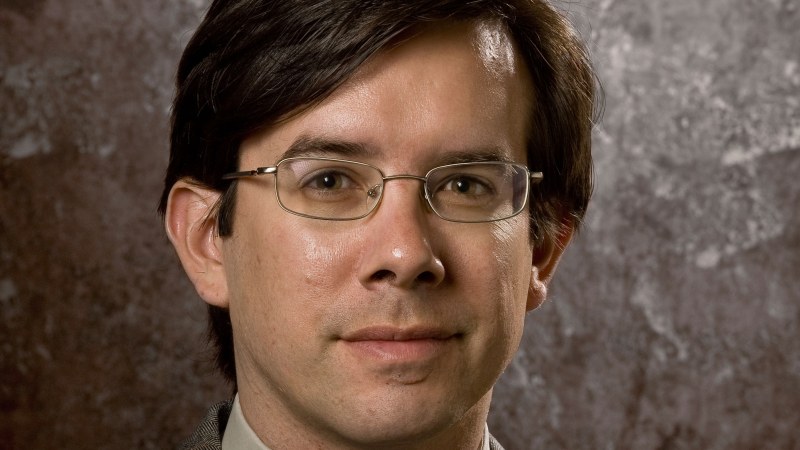
Will Wilkinson
Will Wilkinson is a political analyst, essayist, and policy intellectual who spent two decades navigating the intellectual terrain between libertarianism and liberalism before landing somewhere more interesting than either. A former research fellow at the Cato Institute and vice president at the Niskanen Center, he has written for The New York Times, The Economist, The Atlantic, and dozens of other outlets. Currently working in government affairs at Persona, a digital identity company, he continues to publish the 'Model Citizen' newsletter on Substack, where his blend of philosophy, political science, and sharp commentary finds its most faithful audience.

Ethan Cohen-Cole
Ethan Cohen-Cole is the CEO and Co-Founder of Capture6, a Berkeley-based climate technology Public Benefit Corporation that has cracked one of cleantech's most stubborn puzzles: making carbon removal pay for itself. By integrating direct air capture with desalination brine management, Capture6 turns the costly waste stream of water treatment into a revenue engine - producing fresh water, green chemicals, and permanent CO2 sequestration simultaneously. Before pivoting to climate tech, Cohen-Cole spent 25+ years as a PhD economist, Federal Reserve bank regulator, and finance professor, giving him an unusually rigorous lens on the economics of decarbonization. Capture6 raised a $27.5M Series A in March 2025, backed by Hyundai's ZER01NE Ventures and Tetrad Corporation, bringing total funding to nearly $49M.