The Dispatch
A charitable mind in an uncharitable age
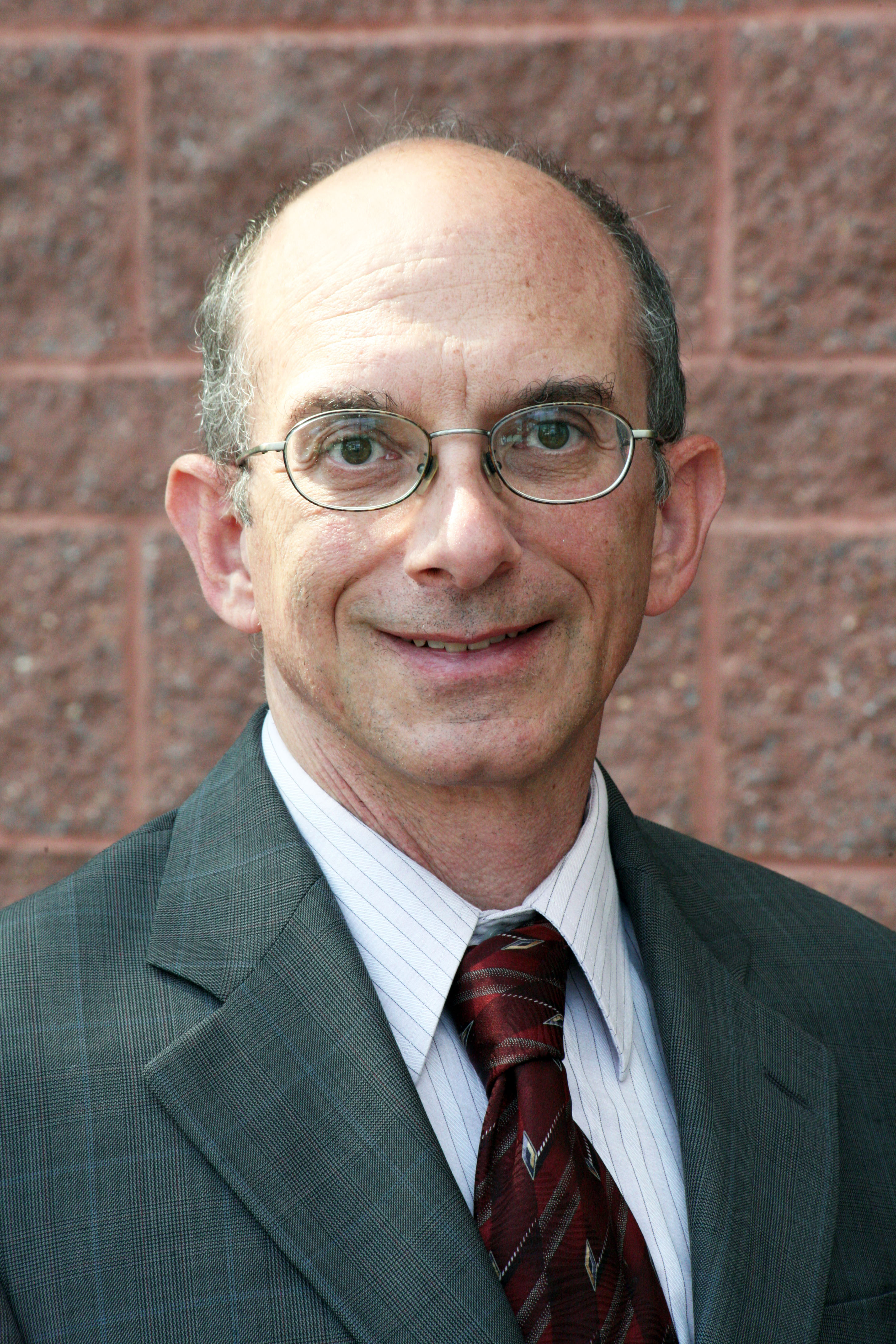
Every morning a list of links lands in tens of thousands of inboxes - economics one day, AI the next, culture and Jewish life on the weekend. The byline reads Arnold Kling, and the through-line is a single, almost subversive habit: he reads the people he disagrees with as if they might be onto something.
For nearly a decade his blog carried the motto “taking the most charitable views of those who disagree.” It was not a slogan. It was the whole project. While the rest of the internet sharpened its knives, Kling built a readership by doing the opposite - assuming good faith, steelmanning the other tribe, and treating certainty as a warning sign rather than a virtue.
His current home is the Substack “In My Tribe,” where he is just as likely to argue that a “network university” will eat the selective residential college as he is to puzzle over the latest large language model. He is, by his own description, somewhere between libertarian and conservative, but the label matters less than the temperament. “The more confidence someone has in their political opinions,” he has written, “the less confidence I have in their wisdom.”
The economist who saw the crash from the inside
Before the blogging, there was the mortgage machine. From 1986 to the mid-1990s Kling was a senior economist at Freddie Mac, modeling the default and prepayment risk of American home loans. He saw the plumbing of housing finance up close. So when the 2008 crisis arrived, his testimony before Congress on the collapse of Freddie Mac and Fannie Mae carried the weight of someone who had actually built the risk models, not just read about them.
He framed the meltdown not as cartoon villainy but as something more unsettling: a cognitive failure, a system too complex for the people running it to understand. That instinct - that the economy is less a machine to be steered than an ecosystem too tangled for any one mind - became the spine of his economics.
It produced his most original idea, which he gave the deliberately clumsy acronym PSST: Patterns of Sustainable Specialization and Trade. Forget aggregate demand and the hydraulic metaphors of textbook macroeconomics, he argued. A recession is what happens when the intricate web of who-does-what-for-whom gets torn, and recoveries are slow because weaving a new web of specialization takes time. It is a quieter, more biological way of seeing the economy, and it runs against the grain of the whole profession.
From the Fed to a folk dance to a startup
The path there was anything but linear. He grew up in St. Louis, an early reader who skipped first grade, and arrived at Swarthmore as a Vietnam-era leftist before an MIT PhD and the passage of decades carried him toward libertarianism. At MIT he wandered into Israeli folk dancing and met Jackie, the woman he would marry in 1980; more than forty years later he still shows up to dance.
In 1994, while the web was still a curiosity, he started homefair.com, one of the first genuinely commercial websites. Then he did the thing almost no one managed: he sold it near the very peak of the first internet bubble and walked away. The lesson he drew was not “I am a genius” but the opposite - that timing a bubble is mostly luck, and that humility is the only honest response to good fortune.
Choosing the classroom
With money in the bank and a think-tank title there for the taking, Kling did something contrarian even by his standards. He became a volunteer high school teacher, spending fifteen years teaching AP economics and statistics at the Berman Hebrew Academy in Rockville, Maryland. He recorded lessons, built handouts, and posted educational videos online long before “creator” was a job. The economist who could explain mortgage derivatives to Congress was just as happy explaining supply and demand to teenagers.
That teaching reflex shows up everywhere in his work. His books read like patient lessons rather than victory laps: “Crisis of Abundance” on why American health care costs what it does, “Specialization and Trade” on rebuilding economics from first principles, and the one most people know him for, “The Three Languages of Politics.”