aei
(14)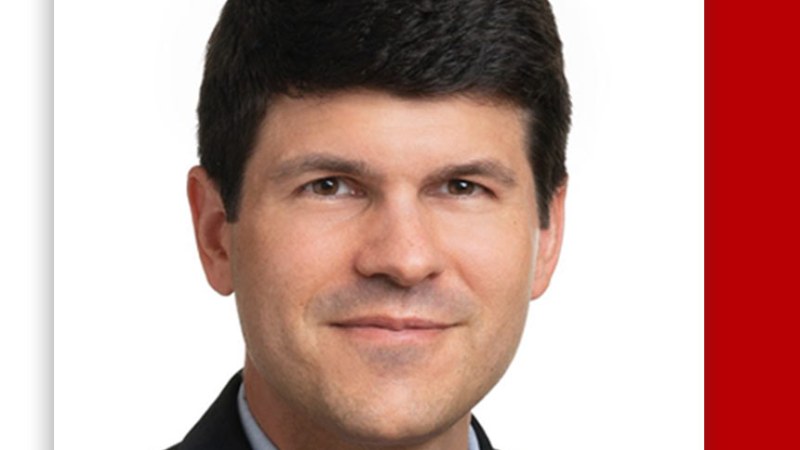
Philip Wallach
Philip Wallach is a senior fellow at the American Enterprise Institute who studies America's separation of powers, with a focus on the relationship between Congress and the administrative state. His 2023 book Why Congress argues that the legislative branch sits at the heart of the constitutional system and warns that its self-imposed irrelevance is letting the executive and the courts rush into the vacuum. A Princeton-trained scholar and a fixture in debates over regulatory policy, DOGE, and congressional reform, he writes for outlets ranging from National Affairs to the Wall Street Journal and the Washington Post.

Yuval Levin
Yuval Levin is an Israeli-American political theorist and one of the most influential conservative thinkers in Washington. He directs Social, Cultural, and Constitutional Studies at the American Enterprise Institute, founded and edits the policy journal National Affairs, and writes for The New York Times and National Review. A student of the Committee on Social Thought at the University of Chicago, he is best known for books that read the present through political philosophy, from The Great Debate on Burke and Paine to American Covenant, his 2024 argument that the Constitution was built to hold a divided nation together.
Alex Brill
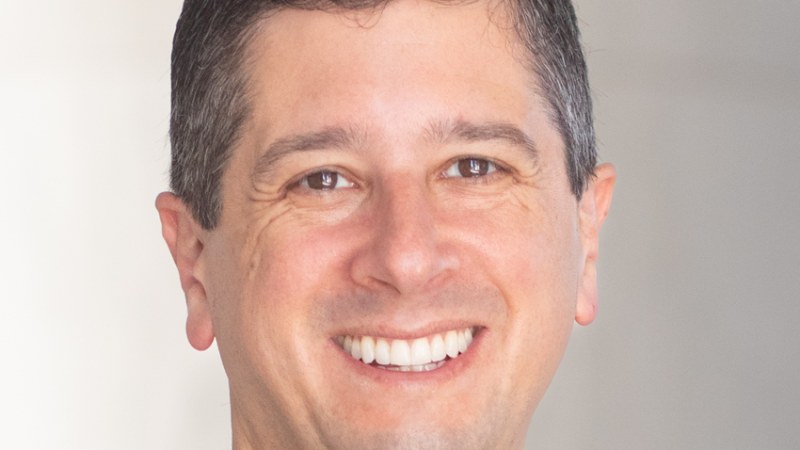
Alex Brill is a Washington economist who turns tax code arcana into arguments lawmakers actually use. He is the founder and CEO of Matrix Global Advisors, a boutique economic consulting firm, and a senior fellow at the American Enterprise Institute. Before going independent he was policy director and chief economist of the House Ways and Means Committee and served on the White House Council of Economic Advisers. He edits and writes books on tax policy, testifies before Congress, and works the seam between tax, health care, and fiscal policy.

Angela Rachidi
Angela Rachidi is a senior fellow and the Rowe Scholar in opportunity and mobility studies at the American Enterprise Institute, where she studies poverty and how federal safety-net programs shape the lives of low-income Americans. A former New York City welfare official turned think-tank scholar, she has become one of Washington's most-cited voices on SNAP, the Child Tax Credit, child care, and the link between work and poverty - testifying repeatedly before Congress and arguing that programs should pull families toward employment and self-sufficiency, not away from it. A Lancaster, Wisconsin native and four-time all-conference college softball player, she runs her own research firm and works from Middleton, Wisconsin.

Danielle Pletka
Danielle Pletka is a distinguished senior fellow in Foreign and Defense Policy Studies at the American Enterprise Institute, where she has shaped conservative thinking on the Middle East, Iran, and national security for more than two decades. A former senior Senate Foreign Relations Committee staffer under Jesse Helms, she co-hosts the AEI podcast 'What the Hell Is Going On?' with Marc Thiessen, teaches at Georgetown, and appears regularly across major print and broadcast media.
James Capretta
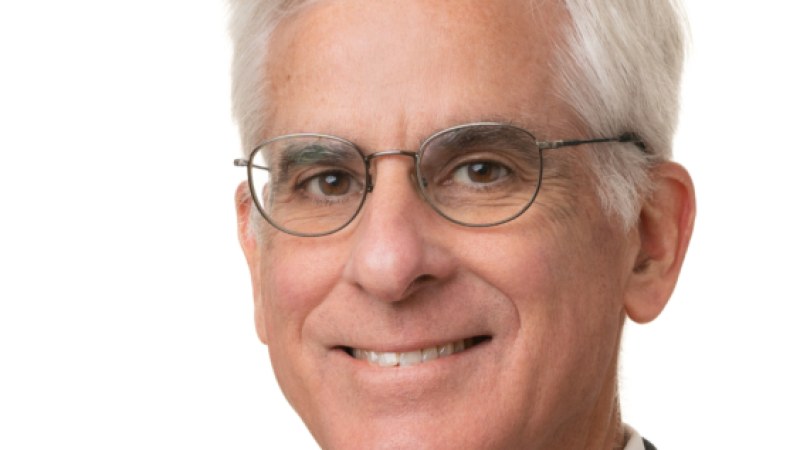
James C. Capretta is a senior fellow at the American Enterprise Institute, where he holds the Milton Friedman Chair and studies health care, entitlement programs, and the long fiscal arc of Medicare, Medicaid, and Social Security. He spent more than 16 years inside the federal government, including as an associate director at the White House Office of Management and Budget from 2001 to 2004, where he was the lead OMB official on Medicare and Medicaid policy. A market-oriented reformer who argues for consumer choice and cost discipline over centralized control, he is the author of US Health Policy and Market Reforms: An Introduction and a prolific commentator on the math of America's safety-net programs.

Joseph Antos
Joseph Antos is one of Washington's most-quoted health economists, the Wilson H. Taylor Scholar in Health Care and Retirement Policy and a senior fellow emeritus at the American Enterprise Institute. A University of Rochester PhD who started as a Cornell math major, he spent decades inside the federal machinery - the Congressional Budget Office, the Council of Economic Advisers, OMB, the Department of Labor and HHS - before becoming AEI's go-to voice on Medicare, the federal budget, and market-based reform. He has advised the World Bank and foreign governments, served terms regulating hospital rates in Maryland, and teaches at George Washington University.
Kori Schake
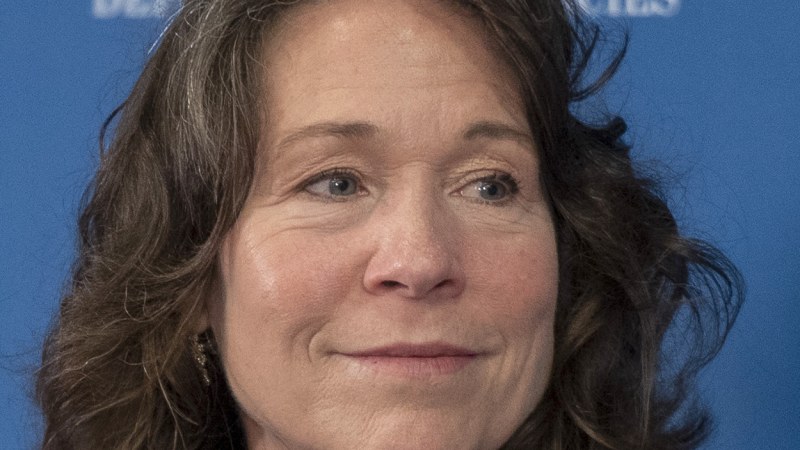
Kori Schake runs foreign and defense policy studies at the American Enterprise Institute and is one of Washington's most quoted voices on alliances, deterrence, and the future of NATO. A Stanford-trained scholar who studied under Condoleezza Rice, she spent a decade and a half inside the Pentagon, the National Security Council, and the State Department before becoming a leading public intellectual on grand strategy. She is the author of several books on hegemony and civil-military relations, a contributing writer at The Atlantic, and a Republican national security thinker known for breaking with her party over Donald Trump.

Michael Strain
Michael R. Strain is one of Washington's most-cited economists - director of economic policy studies at the American Enterprise Institute, author of 'The American Dream Is Not Dead (But Populism Could Kill It),' and a columnist whose data-first optimism cuts against the grain of both parties. He studies labor markets, macroeconomics, public finance, and social policy, testifies before Congress, teaches at Georgetown, and writes for the Financial Times and Project Syndicate.

Nat Malkus
Nat Malkus is a senior fellow and deputy director of education policy studies at the American Enterprise Institute, where he turns national datasets into arguments that policymakers can act on. He built the Return to Learn Tracker that mapped pandemic school closures and now follows the chronic absenteeism crisis it exposed, and he hosts The Report Card, AEI's education podcast. A former middle school teacher who once graded papers in Prince George's County, he now does his grading on the whole American school system - with the data to back it up.
Ramesh Ponnuru
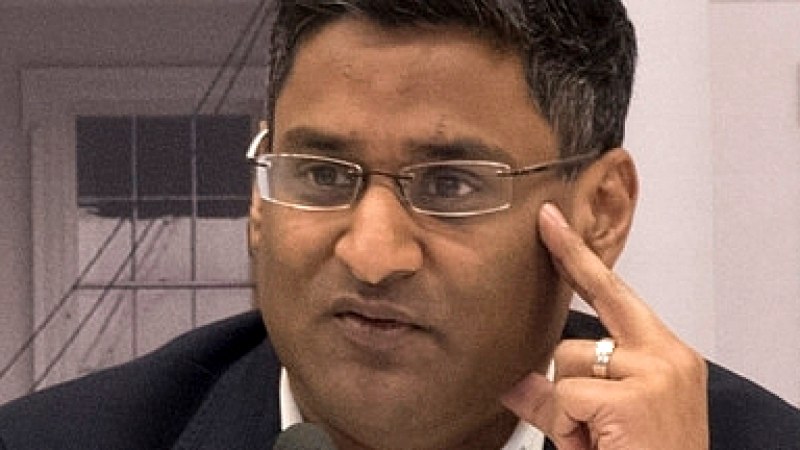
Ramesh Ponnuru is the editor of National Review, a contributing columnist for The Washington Post, and a senior fellow at the American Enterprise Institute. A Princeton-trained historian who started at National Review as an intern and never really left, he has spent more than two decades as one of the most cited voices in American conservatism, championing 'reform conservative' ideas like expanding the child tax credit and rethinking monetary policy. He is also a contributing editor to the policy journal National Affairs and a frequent television commentator.

Rick Hess
Frederick M. Hess - known to nearly everyone in education circles as Rick - runs Education Policy Studies at the American Enterprise Institute and writes the long-running Education Week column 'Rick Hess Straight Up.' A former high school social studies teacher with a Harvard PhD in government, he has authored or edited dozens of books on K-12 and higher education and is repeatedly ranked among the most influential people shaping U.S. education policy.

Stan Veuger
Stan Veuger is a Dutch-born economist and senior fellow at the American Enterprise Institute who studies political economy and public finance, and who became briefly famous in 2025 for co-authoring the AEI analysis that exposed a factor-of-four error at the heart of the Trump administration's reciprocal tariff formula. A Harvard PhD with a stack of unrelated degrees in Spanish literature, law, and business, he edits AEI Economic Perspectives, teaches at Harvard, and once published peer-reviewed research proving that LeBron James measurably increased the number of restaurants near his arena.

James Pethokoukis
James Pethokoukis is a Washington D.C.-based economist, journalist, and author who holds the DeWitt Wallace Chair at the American Enterprise Institute. He writes the 'Faster, Please!' Substack newsletter - one of the leading voices in techno-optimism and pro-progress policy - hosts the 'Political Economy with Jim Pethokoukis' podcast, and authored 'The Conservative Futurist: How to Create the Sci-Fi World We Were Promised' (2023). A longtime CNBC contributor, he argues that culture - not capital - is the real barrier to the abundant, innovative future humanity could build.