small-molecules
(26)
Craig Gibbs Has Spent a Career Turning Lab Logic Into Biotech Momentum
From a protein-engineering bench to the CEO seat at Vivace Therapeutics, Craig Gibbs has built a career around one stubborn question: how does promising biology become a drug program that can actually move?

Inside the Company That Takes a Drug From Sketch to Syringe
Curia rarely puts its name on the medicine. It does the chemistry, scale-up and sterile manufacturing that can get somebody else’s molecule into a patient’s hands.
Arcus Biosciences
Arcus built a biotech around a deceptively practical idea: own the pieces of a drug combination before trying to assemble it. After a major TIGIT setback, its next chapter now rests on a kidney-cancer pill, a pancreatic-cancer trial and a careful expansion into inflammation.
Adam Friedman
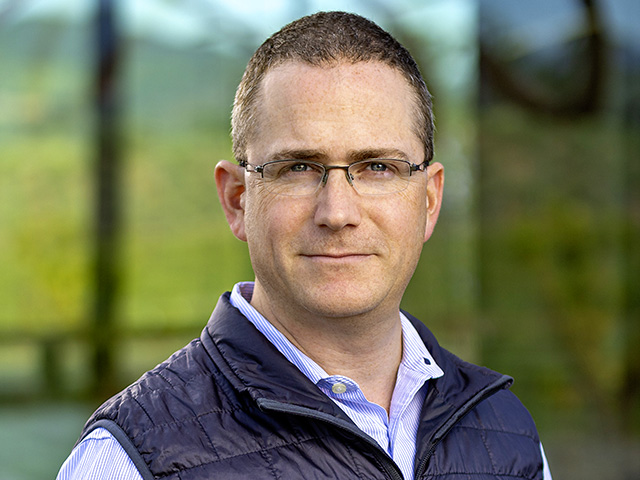
He took the name from the brightest star in the Scorpius constellation. Now Adam Friedman is betting a Boston biotech, and up to $1.9 billion in deals, on drugging the targets everyone else called impossible.
Sofie Qiao
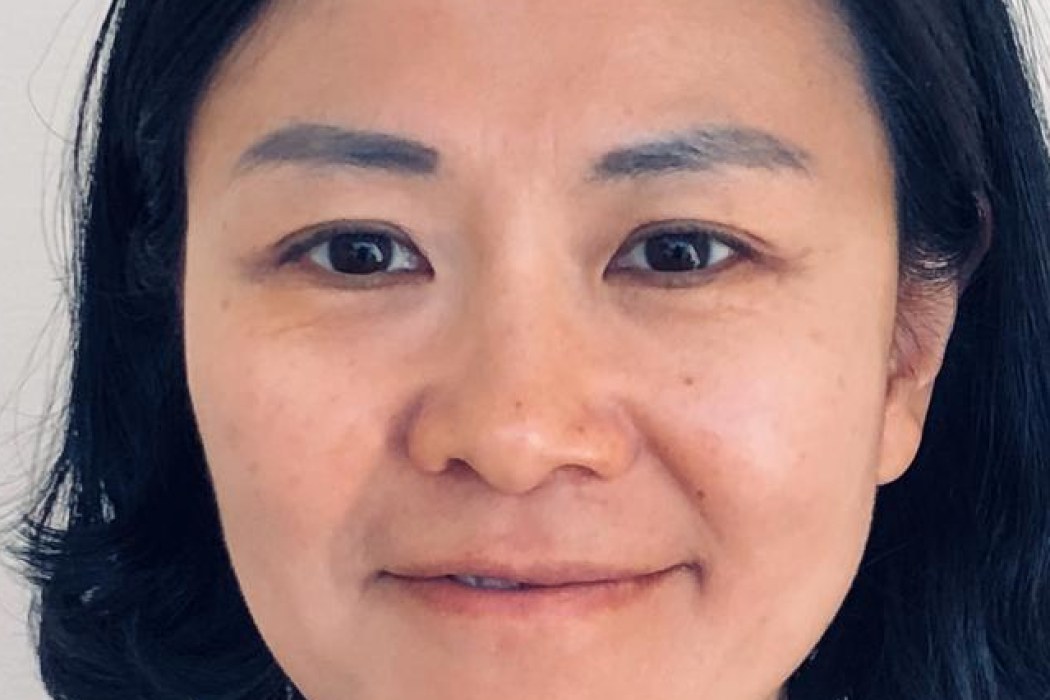
Sofie Qiao, Ph.D. is a chemist-turned-biotech-founder who has built a career at the intersection of hard science and dealmaking. Trained in organic chemistry at Harvard and MIT, she founded LEAD Therapeutics (acquired by BioMarin in 2010, source of the PARP inhibitor Talazoparib now sold by Pfizer), ran WuXi Ventures, and then founded and led Vivace Therapeutics from 2015 to 2026, raising more than $100 million to advance first-in-class small molecules targeting the Hippo/YAP-TEAD pathway in cancer. She now leads Virtuoso Therapeutics, another company she founded.
Actithera
Actithera is a radiopharmaceutical biotech developing next-generation radioligand therapies (RLTs) for cancer. Founded in 2021 by medicinal chemist Andreas Goutopoulos and based in Cambridge, Massachusetts and Oslo, Norway, the company uses a proprietary, chemistry-led platform to design covalent small-molecule radioligands that lodge inside tumors, deliver targeted radiation, and clear quickly from healthy tissue. Its isotope-agnostic approach is engineered to match the residence time of a drug in a tumor to the half-life of long-lived radionuclides, with a lead program targeting Fibroblast Activation Protein (FAP). Actithera raised an oversubscribed $75.5M Series A in July 2025.
Antares Therapeutics
Antares Therapeutics is a Boston-based biotechnology company that discovers small-molecule precision medicines against historically 'undruggable' targets in cancer and other serious diseases. Spun out of Scorpion Therapeutics in June 2025 with $177 million in Series A financing, Antares combines proprietary compound libraries, next-generation mass spectrometry, chemical proteomics, and machine-learning-driven computational chemistry to find new binding pockets on proteins - such as transcription factors - that were long considered impossible to drug. Its lead program is slated to enter the clinic in 2026, and the company signed a collaboration worth up to $1.9 billion with Novartis in mid-2026.
NextRNA Therapeutics
NextRNA Therapeutics was a Boston-based biotechnology company pioneering small-molecule drugs that target long non-coding RNAs (lncRNAs) - a vast, largely undrugged region of the genome that regulates gene expression. Built on the science of Dana-Farber's Carl Novina and led by co-founder and CEO Dominique Verhelle, the company developed a proprietary discovery engine to map disease-relevant lncRNA-protein interactions and drug them with selective small molecules across oncology and immunology. NextRNA raised roughly $56 million in seed and Series A financing and signed a collaboration with Bayer worth up to $547 million before winding down operations in August 2025 amid a difficult biotech market and a missed partnership milestone.

Phil Vickers
Phil Vickers is President and CEO of Solu Therapeutics, a Boston clinical-stage biotech building small-molecule 'chimeras' that ferry cytotoxic payloads to disease-driving cells. He arrived in September 2023 after runs at Faze Medicines and Northern Biologics, and R&D leadership at Shire, Boehringer-Ingelheim, Pfizer and Merck. In April 2025 he closed a $41M Series A with Eli Lilly, Pappas Capital and the Leukemia & Lymphoma Society and dosed the first patient in a Phase 1 trial of STX-0712 for CMML.

Drug Hunter
Drug Hunter is a Boston-based knowledge platform for the scientists who turn molecules into medicines. Founded in 2018 by former Genentech chemist Dennis X. Hu, it distills scientific literature, patents, and early disclosures into searchable, expert-curated insights - molecule search, patent search, courses, flash talks, and a mobile app. More than 200 R&D organizations, including Eli Lilly, Biogen, Merck KGaA, Isomorphic Labs, and the NIH, rely on it. In September 2025 the company raised a seed round led by Teamworthy Ventures.

Integrated Biosciences
Integrated Biosciences is a Redwood City biotech founded in 2022 that fuses optogenetics, chemistry, and AI to discover small-molecule drugs for age-related diseases. Its optogenetic screening platform uses light to control cellular biology at millisecond and micron scale, generating clean data to train an explainable-AI drug-discovery engine. The company has published in Nature - including a new structural class of antibiotics - and raised $17.2M in seed funding led by Sutter Hill Ventures.

Talus Bio
Talus Bio is a Seattle drug-discovery company going after transcription factors and other regulatory proteins long written off as 'undruggable.' Its MARMOT platform measures the human regulome directly in living cells using functional proteomics and high-throughput mass spectrometry, then feeds tens of millions of compound-target interactions into a lab-in-the-loop AI system to design small molecules that switch disease-driving genes on or off. Founded in 2020 by Alex Federation and Lindsay Pino, the company runs preclinical programs in chordoma, non-small cell lung cancer, and prostate cancer.

Prosetta Biosciences Inc
Prosetta Biosciences is a San Francisco biotech using a proprietary cell-free protein synthesis and assembly (CFPSA) platform to discover small-molecule 'assembly modulators' - drugs that disrupt the multi-protein complexes behind viral infection, cancer, and neurodegeneration. Founded by UCSF physician-scientist Vishwanath Lingappa, the company is advancing candidates against ALS/FTD, Alzheimer's, pan-cancer targets, and antivirals.
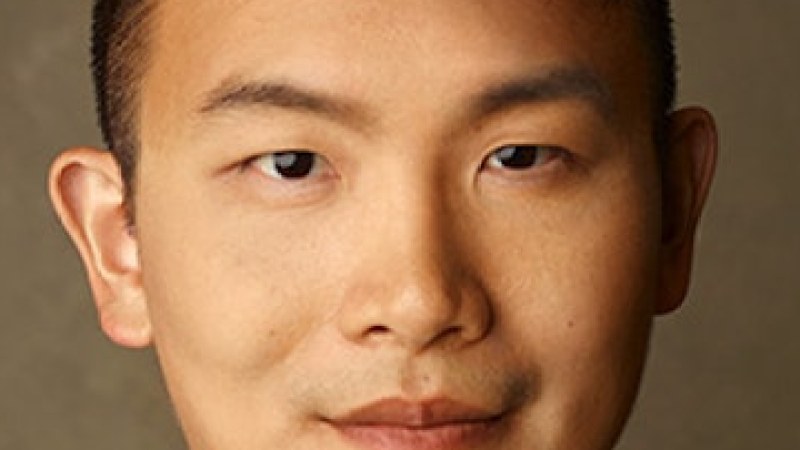
Dennis X. Hu
Dennis X. Hu is the founder and CEO of Drug Hunter, a subscription knowledge platform that distills the science behind new medicines for more than 200 R&D institutions, including most of the world's top pharma and biotech companies. A medicinal chemist by training, he led small-molecule teams at Genentech and the biotech RAPT Therapeutics (where he helped invent the Phase II oncology candidate tivumecirnon) before turning a side project into a fully remote company of 20+ employees that reaches millions of searches a year and runs entirely on subscription revenue.

Felix Wong
Felix Wong is the co-founder and CEO of Integrated Biosciences, a Redwood City biotech using synthetic biology, optogenetics and explainable AI to discover small-molecule drugs for age-related disease. A physicist and mathematician by training with a Harvard PhD in applied physics, he led the team that reported the first new structural class of antibiotics discovered with explainable deep learning - published in Nature in 2023 - and pioneered the AI-driven discovery of senolytics. He was named to the Forbes 30 Under 30 in Healthcare and has authored more than 30 papers in journals including Nature, Science and Cell.

Olema Oncology
Olema Oncology is a clinical-stage biopharmaceutical company based in San Francisco that develops targeted small-molecule therapies for ER+/HER2- metastatic breast cancer and other women's cancers. Its lead candidate, palazestrant (OP-1250), is an oral complete estrogen receptor antagonist and selective ER degrader now in two Phase 3 trials, while a second program, OP-3136, is a KAT6 inhibitor in Phase 1. Olema's bet is that better-designed oral endocrine therapy can overcome the resistance that limits today's standard of care.

Epirium Bio
Epirium Bio is a San Diego-based clinical-stage biopharmaceutical company developing orally available small molecules that target PGE2 signaling to restore tissue homeostasis, reduce inflammation, and stimulate regeneration. Its lead candidate, MF-300, is a first-in-class oral 15-PGDH enzyme inhibitor advancing toward a Phase 2b trial for sarcopenia, the age-related loss of muscle strength for which no FDA-approved therapy currently exists.

Hexagon Bio
Hexagon Bio is a Menlo Park biotech that mines the genomes of fungi and other microbes to discover new medicines. Its platform pairs machine learning, genomics, and synthetic biology to read DNA sequences, predict the small molecules they encode, and connect those molecules to the human proteins they act on - skipping the random trial-and-error that has long defined natural-product drug discovery. The company is focused on novel cytotoxic payloads for antibody-drug conjugates (ADCs) in oncology, and in late 2025 extended its approach to agriculture through a joint venture with Corteva.
HotSpot Therapeutics, Inc.
HotSpot Therapeutics is a Boston-based clinical-stage biopharmaceutical company pioneering a new class of allosteric medicines. Using its proprietary Smart Allostery and SpotFinder platforms, the company systematically identifies 'natural hotspots' - regulatory allosteric pockets the body uses to switch proteins on and off - to drug targets long considered undruggable. Its small-molecule pipeline spans oncology (CBL-B, CBM signalosome/KRAS) and autoimmune disease (IRF5), with its lead CBL-B inhibitor HST-1011 in Phase 1/2 clinical trials.

Solu Therapeutics
Solu Therapeutics is a Boston-based clinical-stage biotech building a new class of medicines that selectively kill disease-driving cells. Its proprietary CyTAC (Cytotoxicity Targeting Chimera) and TicTAC (Therapeutic Index Control Targeting Chimera) platforms fuse the precise binding of small molecules with the cell-killing power of antibodies, reaching cell-surface targets - like GPCRs and ion channels - that traditional antibodies cannot. Its lead program, STX-0712, is a CCR2-targeting candidate in a Phase 1 trial for chronic myelomonocytic leukemia and other advanced blood cancers.

Sporos Bioventures
Sporos Bioventures is a Houston-based private biotechnology company that builds and operates a portfolio of oncology and immune-disease startups under one roof. Rather than launching companies one at a time, Sporos pools capital, drug-discovery infrastructure, and operational expertise across multiple programs - including Tvardi Therapeutics, Asylia Therapeutics, Nirogy Therapeutics, Stellanova Therapeutics, and its internal Sporos BioDiscovery group - to move targeted cancer therapies from idea to early clinical trials faster and with less duplicated risk.
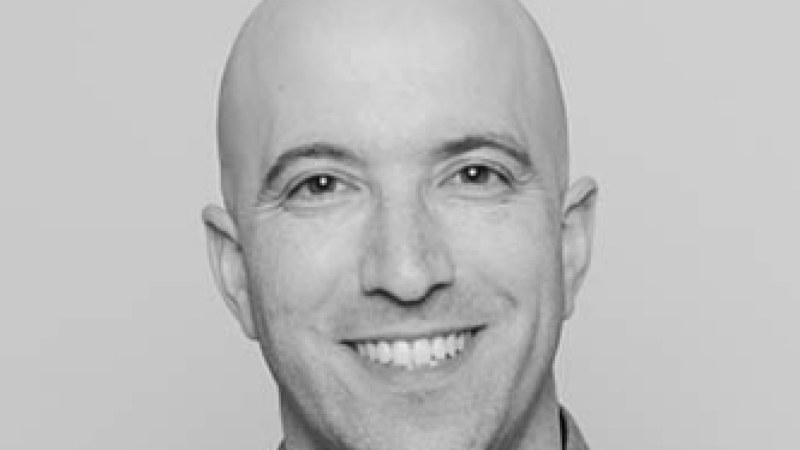
Jordi Mata-Fink
Jordi Mata-Fink is the co-founder and CEO of Gate Bioscience, a Brisbane, California biotech building an entirely new class of small-molecule drugs called Molecular Gates. The idea is deceptively simple and technically audacious: instead of chasing disease-causing proteins after they leave the cell, Gate's molecules park inside the cell's secretory channel (Sec61) and selectively stop a single harmful protein from ever getting out, while letting everything else pass. A chemical engineer trained at Stanford and MIT, Mata-Fink spent years inside Flagship Pioneering helping spin up companies like Editas and Rubius before founding Gate in 2021. The company emerged from stealth in 2023 with $60M, and in November 2025 raised an oversubscribed $65M Series B led by Forbion with Eli Lilly joining, pushing total funding to $135M as it heads toward the clinic. He coaches youth soccer on the side.
Totus Medicines
Totus Medicines is a clinical-stage precision medicines company in Emeryville, California, building covalent small-molecule drugs against historically undruggable targets. Its AI-powered OmniDEL platform screens billions of DNA-encoded covalent candidates against thousands of targets inside living cells, surfacing molecules that older methods miss. Its lead program, TOS-358, is the first and only covalent PI3Ka inhibitor in clinical development, showing class-leading tolerability and strong disease control in breast, endometrial, and head & neck cancers.

Leal Therapeutics
Leal Therapeutics is a Worcester, Massachusetts biotech founded in 2021 by repeat CNS entrepreneur Asa Abeliovich, the scientist behind Prevail Therapeutics (acquired by Eli Lilly). Leal builds first-in-class neuro-metabolic medicines on a single idea: many brain diseases share a broken metabolism, and correcting those imbalances can treat conditions from schizophrenia to ALS. Backed by roughly $114M in total funding, its pipeline includes LTX-001, a brain-penetrant oral glutaminase inhibitor in the clinic, and LTX-002, an antisense oligonucleotide for ALS.
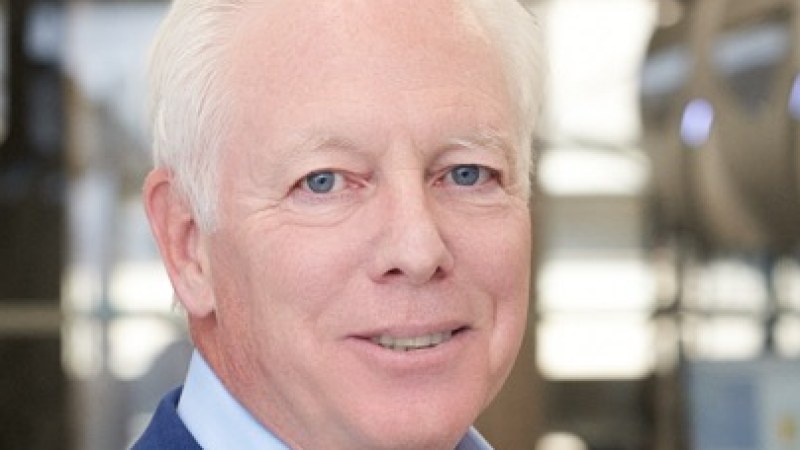
Michael Foley
Michael Foley is a medicinal chemist turned serial biotech founder who is now CEO and co-founder of Excelsior Sciences, a New York company building 'chemistry that machines can do.' His proprietary 'smart blocc' building blocks let robots and AI run iterative carbon-carbon bond formation in a closed loop, aiming to collapse the wall between drug discovery and manufacturing. Foley has founded multiple biotechs, ran the Broad Institute's Chemical Biology Platform, and was founding CEO of the Tri-Institutional Therapeutics Discovery Institute. Excelsior launched with $95 million in 2025.
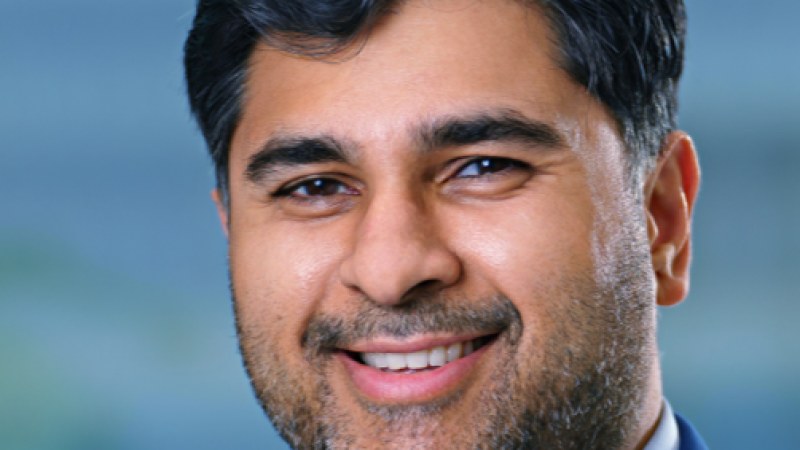
Chris Varma
Chris Varma, Ph.D., is Co-Founder, Chairman, and CEO of Frontier Medicines, a clinical-stage biotech attacking cancer's 'undruggable' proteins using chemoproteomics, covalent chemistry, and machine learning. A serial biotech founder with 20+ years in life sciences, he previously co-founded Blueprint Medicines (acquired by Sanofi for $9B+ in 2025) and Warp Drive Bio (acquired by Revolution Medicines in 2018), and held investor roles at Third Rock Ventures, Flagship Pioneering, and MPM Capital. His career spans the FDA, Novartis, and three successful company builds - with Frontier Medicines now advancing FMC-376, a first-in-class dual KRAS G12C inhibitor, through Phase 1/2 clinical trials.