The proteome
is a frontier.
He named the company accordingly.
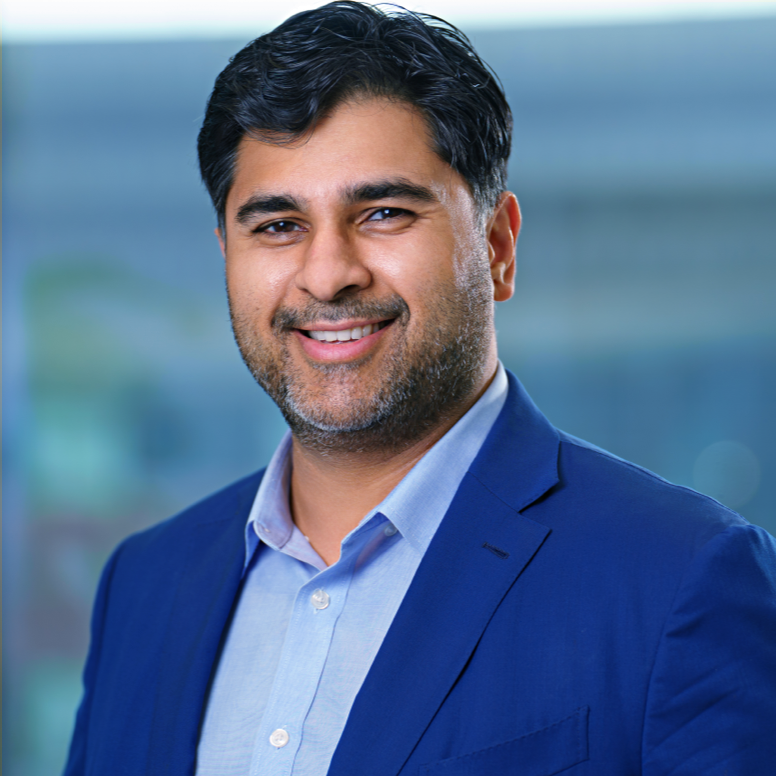
The drug you're hoping exists for the cancer no one can treat - the target your oncologist calls "undruggable" - there's a 90% chance it's exactly the kind of protein Chris Varma built Frontier Medicines to find. That number comes from a century of pharmaceutical history. Only about 10% of the human proteome has been accessible to small-molecule drugs. The rest has been off-limits - structurally cryptic, disordered, too dynamic for conventional chemistry.
Varma's answer wasn't to give up on the chemistry. It was to map the entire protein landscape first. Frontier's Druggability Atlas now covers more than 150,000 binding hotspots across more than 90% of the human proteome - built using a proprietary combination of chemoproteomics, covalent chemistry, and machine learning. Think of it as a new geological survey of a continent that pharma had been navigating with outdated maps.
The platform's first clinical test is FMC-376, a drug that does something its predecessors couldn't: it blocks KRAS G12C in both its active and inactive conformations simultaneously. A dual-acting inhibitor, more than 1,000-fold more potent at blocking key protein interactions than prior single-state drugs. KRAS is mutated in roughly 13% of all cancers - lung, pancreas, colorectal. The PROSPER Phase 1/2 trial is now enrolling patients.
"Over the last 100-plus years of pharmaceutical drug development, we've only been able to access about 10% of human protein targets. We haven't been able to access the other 90% where a lot of very important disease-causing proteins lie."
- Chris Varma, on why Frontier Medicines existsNone of this is his first rodeo. Varma co-founded Blueprint Medicines in 2010, took it public on Nasdaq in 2015, and in 2025 watched Sanofi write a check for over $9 billion to acquire it. He co-founded Warp Drive Bio, which Revolution Medicines acquired in 2018. Before those: investor roles at MPM Capital, Third Rock Ventures, and Flagship Pioneering - the same firms that built Moderna, Intellia, and dozens of other names you now recognize from press releases and pill bottles.
His career has a particular shape to it. Not the straight arc of the scientist who becomes a CEO. More like someone who deliberately learned every layer of the industry before doing something with all of it. FDA regulator. Pharma consultant. Biotech executive. Venture partner. Entrepreneur-in-residence. Then founder, again and again, each time with a harder problem and a sharper set of tools.