cancer-therapeutics
(24)
Incyclix Bio Is Betting One Precise Brake Can Stop Cancer's Second Escape Route
A 13-person North Carolina biotech licensed an overlooked CDK2 program, narrowed the patient target and pushed one oral drug into the clinic. Early data offer a reason to keep going - and a useful blueprint for building around a precise scientific thesis rather than a sprawling pipeline.

PRUNUS Therapeutics Is Betting the Company on the Moment Cancer Lets Go
Most cancer drugs chase a mutation, receptor or pathway. This tiny Chicago biotech is chasing a moment - when a metastatic cell leaves home and reveals a weakness.
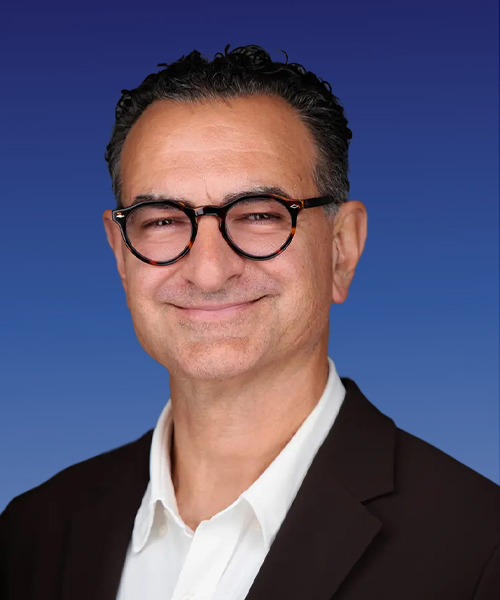
Andreas Goutopoulos Raised $75.5M for a Company That Was, on Paper, Just Him
He led chemistry at a big pharma for a decade, then walked out to build a radiopharma startup with no executive team and a single conviction: make the molecules stick.
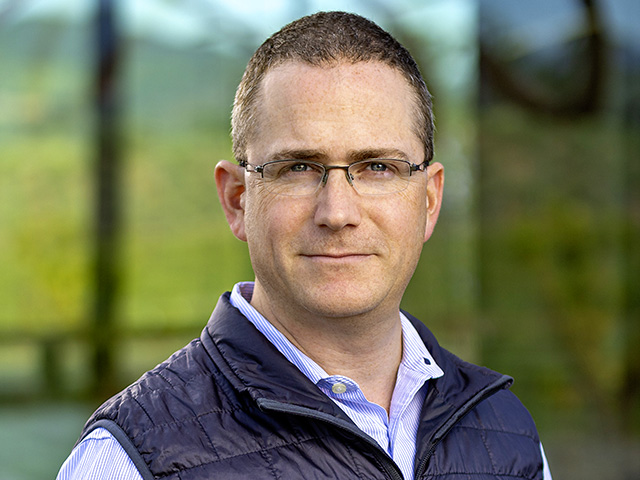
Adam Friedman
He took the name from the brightest star in the Scorpius constellation. Now Adam Friedman is betting a Boston biotech, and up to $1.9 billion in deals, on drugging the targets everyone else called impossible.
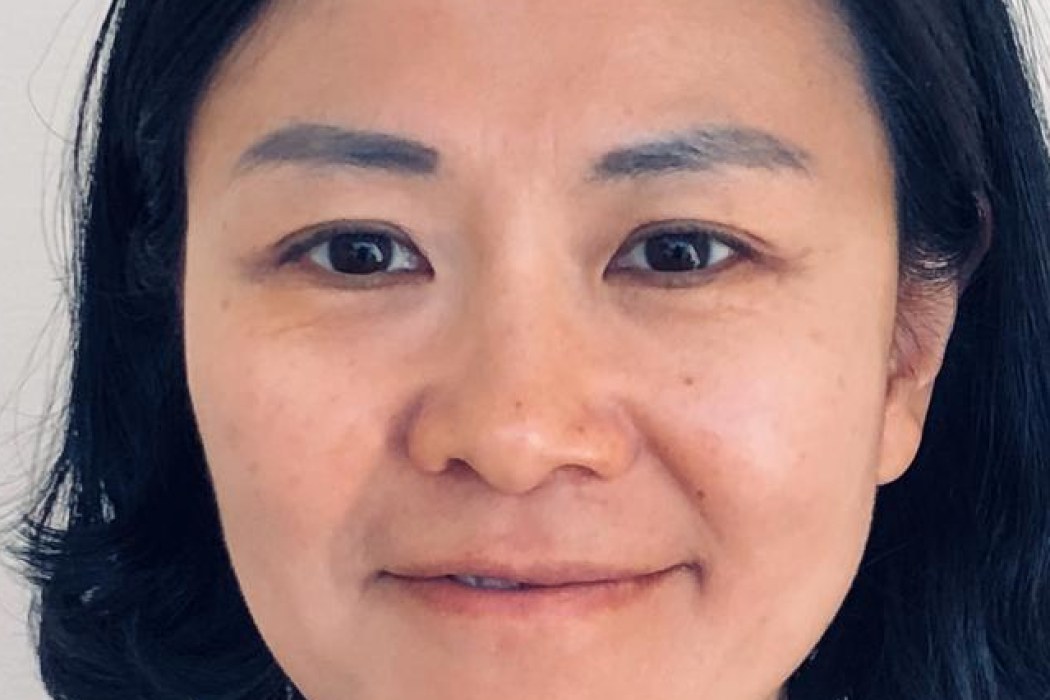
Sofie Qiao
Sofie Qiao, Ph.D. is a chemist-turned-biotech-founder who has built a career at the intersection of hard science and dealmaking. Trained in organic chemistry at Harvard and MIT, she founded LEAD Therapeutics (acquired by BioMarin in 2010, source of the PARP inhibitor Talazoparib now sold by Pfizer), ran WuXi Ventures, and then founded and led Vivace Therapeutics from 2015 to 2026, raising more than $100 million to advance first-in-class small molecules targeting the Hippo/YAP-TEAD pathway in cancer. She now leads Virtuoso Therapeutics, another company she founded.
K36 Therapeutics, Inc.
K36 Therapeutics is a Cambridge, Massachusetts clinical-stage biotech developing first-in-class oral small-molecule inhibitors of NSD2/MMSET, an epigenetic enzyme that drives hard-to-treat cancers. Its lead candidate, gintemetostat (KTX-1001), is in Phase 1 for relapsed/refractory multiple myeloma carrying the t(4;14) translocation, and a second program, KTX-2001, targets metastatic castration-resistant prostate cancer. Backed by Atlas Venture, F-Prime Capital, Eight Roads Ventures, Nextech Invest and Bristol Myers Squibb, K36 has raised roughly $100M+ to translate chromatin biology into precision cancer medicines.
PAQ Therapeutics
PAQ Therapeutics is a clinical-stage biotechnology company in Burlington, Massachusetts developing a new class of small-molecule degraders that harness autophagy, the body's natural cellular recycling system, to destroy disease-causing proteins. Its proprietary ATTEC (autophagosome-tethering compound) platform aims to eliminate targets that traditional inhibitors cannot reach. The company's lead programs are KRAS degraders - PT0253, a selective KRAS G12D degrader, and PT0511, a pan-KRAS degrader - both in Phase 1 clinical trials for lung, colorectal and pancreatic cancers driven by KRAS mutations.
Katherine Bowdish
Katherine (Kathy) Bowdish is a molecular geneticist and biopharmaceutical leader who serves as President and CEO of PIC Therapeutics, a Natick, Massachusetts biotech developing cancer drugs that work by modulating RNA translation - targeting the eIF4E 'master switch' that tumors use to overproduce oncogene proteins. Over more than two decades she has founded and led a string of early-stage life science companies including Prolifaron (acquired by Alexion), Anaphore and Permeon Biologics, and she built and ran Sanofi Sunrise, the pharma giant's early-stage venture and partnering arm. She holds a PhD in molecular genetics from Columbia and led PIC through a $35 million Series A to push its lead program toward the clinic in drug-resistant breast cancer.

CytomX Therapeutics
CytomX Therapeutics is a clinical-stage, oncology-focused biopharmaceutical company in South San Francisco that engineers conditionally activated antibody therapeutics through its proprietary PROBODY platform. By masking a drug's binding site and unmasking it only in the tumor microenvironment - where specific proteases cut a cleavable linker - CytomX aims to hit cancer targets that are otherwise too toxic to drug, widening the therapeutic window for antibody-drug conjugates, T-cell engagers and cytokines. Its wholly owned pipeline is led by CX-2051, an EpCAM-targeting PROBODY ADC for metastatic colorectal cancer, alongside masked interferon CX-801 and T-cell engager CX-904, and it partners its technology with Amgen, Astellas, Bristol Myers Squibb, Moderna and Regeneron.

AmMax Bio., Inc.
AmMax Bio is a clinical-stage biotechnology company in Redwood City, California, developing first-in-class cancer therapeutics built on a CSF1R-targeting antibody platform. Founded in 2020 by pharmaceutical veteran Larry Hsu, PhD, in partnership with Amgen, the company advances a pipeline that spans a monoclonal antibody for tenosynovial giant cell tumor (TGCT), a therapy for colorectal cancer minimal residual disease (in partnership with MD Anderson), and a lead antibody-drug conjugate, AMB-104, for acute myeloid leukemia. AmMax's strategy is to de-risk development by combining clinically validated antibodies with established linker-payload technology.

Auransa
Auransa is a clinical-stage, AI-native biopharmaceutical company in Palo Alto, California, that uses a proprietary machine-learning platform - the SMarTR Engine - to mine large, heterogeneous human disease datasets and discover novel cancer therapies without starting from a predefined drug target. Founded in 2014 by Pek Lum and Viwat Visuthikraisee, the company pairs each predicted compound with the patient subtypes most likely to respond, aiming to improve the odds of clinical success. Its lead program, AU-409, an RNA transcription modulator for advanced liver cancer, is in Phase 1 trials, with additional programs including heart-safe chemotherapy.
MBrace Therapeutics
MBrace Therapeutics is a clinical-stage oncology company building antibody-drug conjugates (ADCs) against hard-to-drug cancer targets. Its proprietary SPARTA platform screens antibodies directly inside living tumors to surface antigens that are cancer-specific, accessible, and internalizing - the traits an ADC needs to deliver its toxic payload where it counts. Founded in 2020 and headquartered in San Diego, the company raised an $85M Series B in 2023 (led by TPG) to advance a pipeline led by MBRC-101, a first-in-class ADC targeting the EphA5 receptor now in Phase 1/2 clinical trials.

Vivace Therapeutics, Inc.
Vivace Therapeutics is a San Mateo, California oncology company turning novel Hippo-YAP pathway biology into first-in-class cancer drugs. Its lead small molecule, VT3989, is a first-in-class YAP/TEAD inhibitor that blocks TEAD auto-palmitoylation and has shown durable responses in treatment-resistant mesothelioma and NF2-mutant tumors. Built on a capital-efficient US-China 'virtual biotech' model, the company has raised roughly $105 million across four rounds and is preparing a registrational Phase 3 trial.

Talus Bio
Talus Bio is a Seattle drug-discovery company going after transcription factors and other regulatory proteins long written off as 'undruggable.' Its MARMOT platform measures the human regulome directly in living cells using functional proteomics and high-throughput mass spectrometry, then feeds tens of millions of compound-target interactions into a lab-in-the-loop AI system to design small molecules that switch disease-driving genes on or off. Founded in 2020 by Alex Federation and Lindsay Pino, the company runs preclinical programs in chordoma, non-small cell lung cancer, and prostate cancer.
Jerry McMahon
Dr. Jerry McMahon is the President and CEO of STORM Therapeutics, a Cambridge, UK biotech pioneering drugs that target RNA modifying enzymes. A biochemist-turned-operator with more than 30 years in oncology drug development, he has led biotechs from bench to IPO, helped bring the cancer drug sunitinib (Sutent) to patients, and now steers STORM's first-in-class METTL3 inhibitor STC-15 through the clinic - the first RNA modification enzyme inhibitor ever to enter human trials.

Alex Federation
Alex Federation is the co-founder and CEO of Talus Bio, a Seattle biotech building drugs for transcription factors, the gene-control proteins long written off as 'undruggable.' A Harvard-trained chemical biologist who studied under Jay Bradner, he invented the MARMOT platform to measure and modulate the regulome inside living cells, pairing functional proteomics with AI models trained on tens of millions of compound-target interactions. He teamed with proteomics scientist Lindsay Pino in 2020, went through Y Combinator, and has raised roughly $24.7M to chase first-in-class medicines for targets like Brachyury, AR-V7, and STAT3.
Avelos Therapeutics
Avelos Therapeutics is a Seoul-based clinical-stage oncology biotech founded in 2021 that designs small-molecule drugs for 'undruggable' cancer targets using synthetic lethality, DNA damage response (DDR), and cell-cycle biology. Its lead program, AD1208, is a first-in-class oral MASTL kinase inhibitor now in a Phase 1/2a solid-tumor trial. Backed by KRW 30 billion (~$21.7M) across seed, Series A, and a 2024 Series B, the roughly nine-person team is building a biomarker-driven pipeline of four anti-cancer candidates aimed at a future KOSDAQ listing.
Dave Licata
Dave Licata is a Stanford-trained mechanical engineer turned biotech operator who co-founded TORL BioTherapeutics with legendary UCLA oncologist Dennis Slamon. As President and CFO (and founding CEO), he built TORL into a clinical-stage oncology company developing antibody-drug conjugates against targets like Claudin 6 and Claudin 18.2, raising more than $450 million while keeping a reputation for capital efficiency. He is also Executive Chairman of 1200 Pharma and previously founded Holoclara and served as an Entrepreneur in Residence at Caltech.

MOMA Therapeutics
MOMA Therapeutics is a Cambridge, Massachusetts biotech building precision small-molecule medicines against 'molecular machines' - the highly dynamic, shape-shifting enzymes (ATPases, GTPases and related proteins) that power cellular processes and underlie cancer and other diseases. Spun out of Third Rock Ventures in 2020 by four academic leaders in protein biophysics and structural biology, MOMA's proprietary KNOMATIC platform fuses deep structural insight, advanced hit-finding (fragment and DNA-encoded library screening) and machine-learning-driven lead optimization to drug targets long considered intractable. The company has raised about $236M, advanced its first oncology program into the clinic, and partnered with Roche and Bayer.
Nested Therapeutics
Nested Therapeutics is a Cambridge, Massachusetts clinical-stage biotech building small-molecule precision oncology drugs that go after cancer driver mutations long written off as undruggable. Founded in 2021 and launched publicly in 2022 with $125M, the company pairs structural biology, computational biophysics and chemistry to find hidden, druggable pockets in cancer's most stubborn targets. Its lead program, NST-628, is a brain-penetrant pan-RAF/MEK molecular glue for RAS/MAPK-driven solid tumors, now in Phase 1 with early clinical activity reported at AACR 2026.
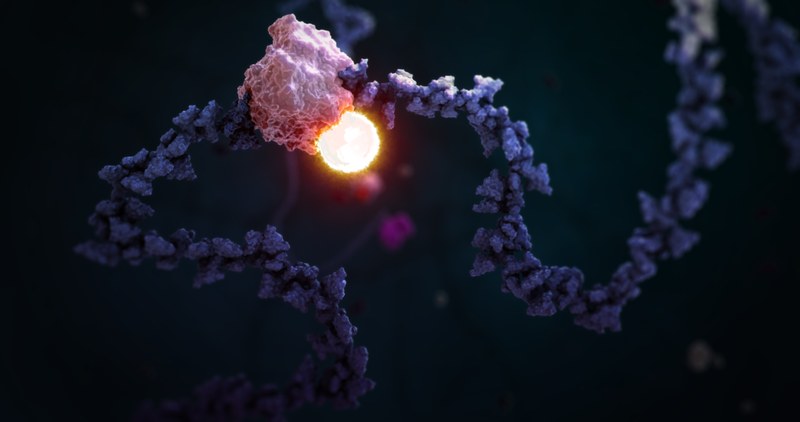
STORM Therapeutics
STORM Therapeutics is a Cambridge, UK biotechnology company pioneering the field of RNA epigenetics. It designs small-molecule inhibitors of RNA-modifying enzymes to treat cancer and other diseases. Its lead drug, STC-15, is the first RNA-modifying enzyme inhibitor to reach human clinical trials, now in a Phase 2 study for sarcoma.
Mohit Rawat
Mohit Rawat is the Boston-based CEO of Myricx Bio, a UK-US biotech building a first-in-class antibody-drug conjugate platform based on NMT inhibition to treat cancer. He arrived in September 2025 fresh off Fusion Pharmaceuticals' $2.4 billion sale to AstraZeneca, where he was President and Chief Business Officer. With a Harvard MBA, an MIT chemical engineering master's, and stints at Novartis, AbbVie and McKinsey, he is steering Myricx toward its first human clinical trials in 2026.

Vishwanath Lingappa
Vishwanath Lingappa is the CEO and CTO of Prosetta Biosciences, a San Francisco-based biotechnology company he founded in 2003 after 22 years as a faculty member at UCSF. An MD-PhD with a doctorate from The Rockefeller University under Nobel laureate Gunter Blobel, Lingappa developed a proprietary Cell-Free Protein Synthesis System (CFPSS) drug discovery platform that targets transient multi-protein complexes - a class of drug targets largely ignored by traditional pharma. His company is pursuing small-molecule therapeutics across neurodegenerative diseases (Alzheimer's, ALS, Parkinson's), oncology, and infectious diseases (COVID-19, HIV, influenza), and won an ARPA-H Dash competition for a pan-cancer drug candidate. With over 157 publications and 12,800+ citations, Lingappa bridges rigorous academia with commercial biotech ambition.

Chris Varma
Chris Varma, Ph.D., is Co-Founder, Chairman, and CEO of Frontier Medicines, a clinical-stage biotech attacking cancer's 'undruggable' proteins using chemoproteomics, covalent chemistry, and machine learning. A serial biotech founder with 20+ years in life sciences, he previously co-founded Blueprint Medicines (acquired by Sanofi for $9B+ in 2025) and Warp Drive Bio (acquired by Revolution Medicines in 2018), and held investor roles at Third Rock Ventures, Flagship Pioneering, and MPM Capital. His career spans the FDA, Novartis, and three successful company builds - with Frontier Medicines now advancing FMC-376, a first-in-class dual KRAS G12C inhibitor, through Phase 1/2 clinical trials.