undruggable-targets
(19)
Adam Friedman
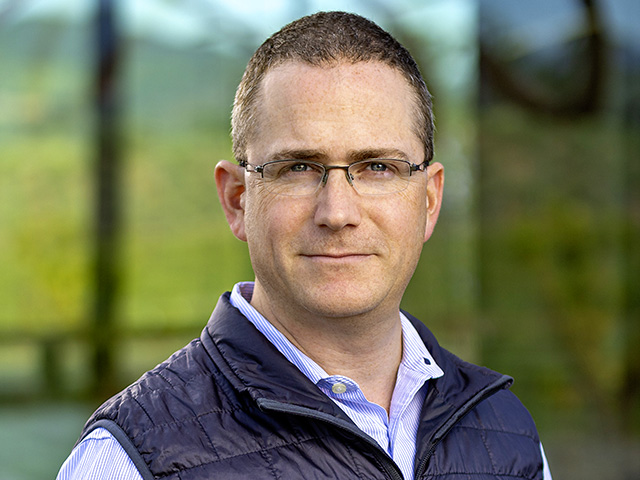
He took the name from the brightest star in the Scorpius constellation. Now Adam Friedman is betting a Boston biotech, and up to $1.9 billion in deals, on drugging the targets everyone else called impossible.
Antiverse
Antiverse is a UK-based AI-driven biotech that designs functional therapeutic antibodies against targets long considered 'undruggable' - notably G-protein coupled receptors (GPCRs), ion channels, and other transmembrane proteins where conventional antibody discovery routinely fails. Its platform pairs generative AI models, trained for years on the hardest antibody targets, with a proprietary 'lab-in-the-loop' wet lab using engineered cell lines and deep sequencing, taking a target to an optimized antibody in roughly four months. Founded in 2017 and headquartered in Cardiff, Wales, the company works through pharma partnerships and licensing (e.g. Nxera Pharma) alongside its own internal pipeline and non-profit collaborations such as the Cystic Fibrosis Foundation.
Antares Therapeutics
Antares Therapeutics is a Boston-based biotechnology company that discovers small-molecule precision medicines against historically 'undruggable' targets in cancer and other serious diseases. Spun out of Scorpion Therapeutics in June 2025 with $177 million in Series A financing, Antares combines proprietary compound libraries, next-generation mass spectrometry, chemical proteomics, and machine-learning-driven computational chemistry to find new binding pockets on proteins - such as transcription factors - that were long considered impossible to drug. Its lead program is slated to enter the clinic in 2026, and the company signed a collaboration worth up to $1.9 billion with Novartis in mid-2026.
Ensem Therapeutics
Ensem Therapeutics is a Waltham, Massachusetts clinical-stage biotech using its Kinetic Ensemble platform - a blend of AI/ML, molecular simulation, and experimental biophysics - to find cryptic and allosteric pockets in proteins that are otherwise considered difficult to drug. The company designs small-molecule precision medicines for cancer, with two lead programs: ETX-636, an allosteric pan-mutant-selective PI3Kalpha inhibitor and degrader for breast cancer (FDA Fast Track), and ETX-197/BG-68501, a selective CDK2 inhibitor partnered with BeiGene.
Scorpion Therapeutics
Scorpion Therapeutics was a Boston-based, clinical-stage precision oncology company built to advance what it called "Precision Oncology 2.0" - pairing cancer biology, computational chemistry, medicinal chemistry and genomics to design small-molecule drugs against cancer targets that had resisted earlier approaches. Founded in 2020 by a group of prominent scientists and biotech operators, it raised more than $440 million and built a pipeline of mutant-selective inhibitors, most notably the PI3K-alpha inhibitor STX-478 and a franchise of fourth-generation EGFR inhibitors. In January 2025 Eli Lilly agreed to acquire the company and its PI3K-alpha program in a deal worth up to $2.5 billion, while Scorpion's remaining pipeline and staff were spun into a new independent company, Antares Therapeutics.
Talus Bio
Talus Bio is a Seattle drug-discovery company going after transcription factors and other regulatory proteins long written off as 'undruggable.' Its MARMOT platform measures the human regulome directly in living cells using functional proteomics and high-throughput mass spectrometry, then feeds tens of millions of compound-target interactions into a lab-in-the-loop AI system to design small molecules that switch disease-driving genes on or off. Founded in 2020 by Alex Federation and Lindsay Pino, the company runs preclinical programs in chordoma, non-small cell lung cancer, and prostate cancer.
Nassim Usman
Nassim Usman is an organic chemist turned biotech operator who runs Totus Medicines, an Emeryville, California company using a DNA-encoded covalent library platform (OmniDEL) paired with machine learning to build small-molecule drugs against targets long considered undruggable. He took the CEO chair in December 2023 alongside a $66 million Series B, and its lead drug, TOS-358, is the first covalent PI3K-alpha inhibitor in the clinic. Over three decades he has moved from bench chemistry on RNA and ribozymes to the top jobs at Sirna Therapeutics, Catalyst Biosciences, and Principia Biopharma, plus a stint as a venture investor at Morgenthaler Ventures.
Alex Federation
Alex Federation is the co-founder and CEO of Talus Bio, a Seattle biotech building drugs for transcription factors, the gene-control proteins long written off as 'undruggable.' A Harvard-trained chemical biologist who studied under Jay Bradner, he invented the MARMOT platform to measure and modulate the regulome inside living cells, pairing functional proteomics with AI models trained on tens of millions of compound-target interactions. He teamed with proteomics scientist Lindsay Pino in 2020, went through Y Combinator, and has raised roughly $24.7M to chase first-in-class medicines for targets like Brachyury, AR-V7, and STAT3.

Atomic AI
Atomic AI is a South San Francisco biotechnology company fusing machine learning with structural biology to unlock RNA drug discovery. Its platform pairs in-house wet-lab chemical-mapping data with deep learning models - including ATOM-1, a foundation model for RNA structure, and PARSE, its RNA structure exploration platform - to find structured, ligandable RNA motifs and design selective small molecules and RNA-based medicines for targets long considered undruggable.
HotSpot Therapeutics, Inc.
HotSpot Therapeutics is a Boston-based clinical-stage biopharmaceutical company pioneering a new class of allosteric medicines. Using its proprietary Smart Allostery and SpotFinder platforms, the company systematically identifies 'natural hotspots' - regulatory allosteric pockets the body uses to switch proteins on and off - to drug targets long considered undruggable. Its small-molecule pipeline spans oncology (CBL-B, CBM signalosome/KRAS) and autoimmune disease (IRF5), with its lead CBL-B inhibitor HST-1011 in Phase 1/2 clinical trials.
David Earp
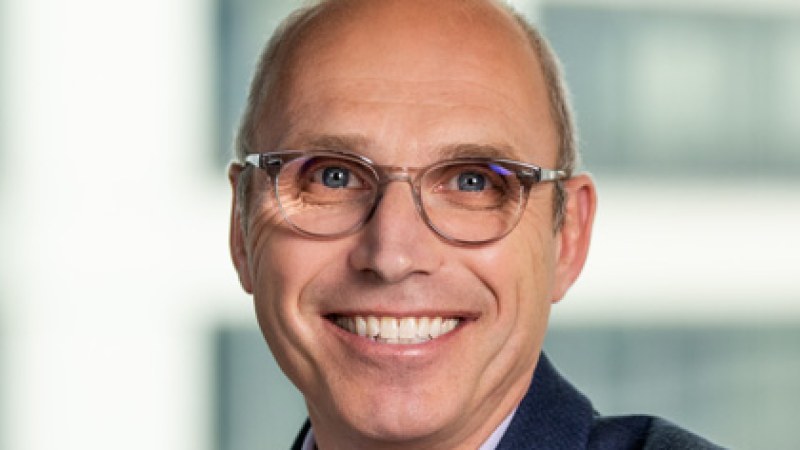
David J. Earp is the President and CEO of Circle Pharma, a South San Francisco clinical-stage biopharmaceutical company building orally available macrocycle drugs aimed at cancer targets long deemed undruggable. A biochemist turned patent lawyer turned chief executive, Earp holds a PhD in biochemistry from Cambridge and a JD from Lewis & Clark, and has led Circle since 2013, steering it through a $90M Series D, a $607M collaboration with Boehringer Ingelheim, and the first human dosing of its lead cyclin A/B inhibitor CID-078.
Neomorph, Inc.
Neomorph is a San Diego clinical-stage biotech building molecular glue degraders - small molecules that recruit the cell's own disposal machinery to destroy disease-driving proteins long written off as 'undruggable.' Founded in 2020 out of Deerfield Management with scientific founders who decoded how thalidomide-class drugs work, the company has assembled what it calls the world's largest proprietary molecular glue target space across a broad portfolio of E3 ubiquitin ligases. It has signed multibillion-dollar discovery pacts with AbbVie, Novo Nordisk, and Biogen, dosed its first patient with lead candidate NEO-811 in kidney cancer, and raised roughly $209M across Series A and B.
Totus Medicines
Totus Medicines is a clinical-stage precision medicines company in Emeryville, California, building covalent small-molecule drugs against historically undruggable targets. Its AI-powered OmniDEL platform screens billions of DNA-encoded covalent candidates against thousands of targets inside living cells, surfacing molecules that older methods miss. Its lead program, TOS-358, is the first and only covalent PI3Ka inhibitor in clinical development, showing class-leading tolerability and strong disease control in breast, endometrial, and head & neck cancers.

Fathom Therapeutics
Fathom Therapeutics (formerly Atommap) is a New York and Boston based biotech building Microcosmos, a drug-design engine that fuses quantum chemistry and AI to simulate how proteins actually move inside living cells. By modeling motion instead of static snapshots - reportedly up to 10,000x faster than conventional simulation - the company hunts for the fleeting binding pockets that make 'undruggable' targets druggable, then designs small molecules, degraders, and molecular glues against them. In April 2026 it raised a $47M oversubscribed Series A led by Sutter Hill Ventures.
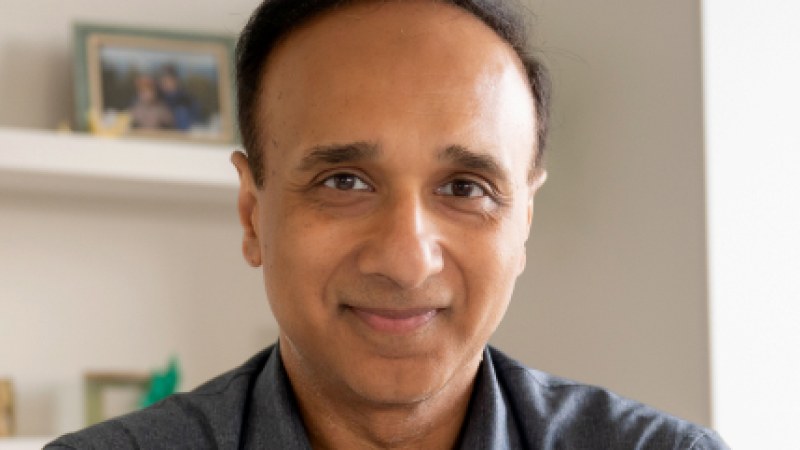
Parabilis Medicines
Parabilis Medicines is a clinical-stage biopharmaceutical company in Cambridge, Massachusetts building stabilized, cell-penetrant alpha-helical peptides - called Helicons - that reach intracellular and 'undruggable' protein targets out of range for traditional small molecules and biologics. Formerly FogPharma, the company's lead candidate zolucatetide (FOG-001) is the first direct inhibitor of the beta-catenin/TCF interaction driving Wnt-pathway cancers, and is heading toward a registrational Phase 3 trial in desmoid tumors. Led by CEO Mathai Mammen and founded on Gregory Verdine's stapled-peptide chemistry, Parabilis has raised more than $860M, signed an up-to-$2.3B collaboration with Regeneron, and filed to go public on Nasdaq under the ticker PBLS.
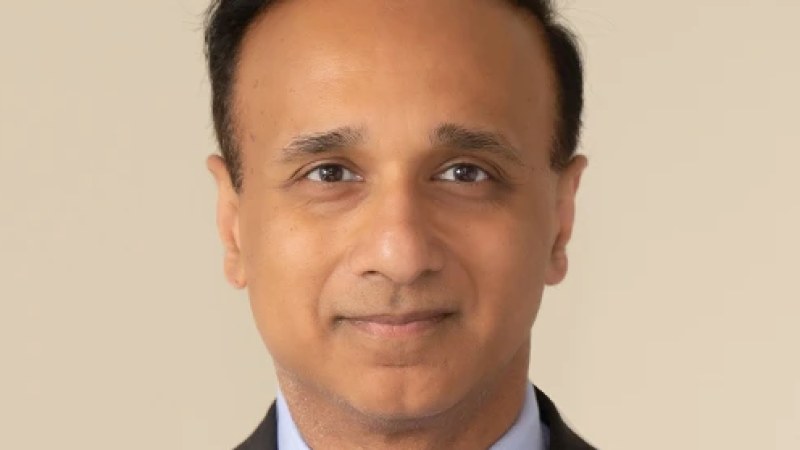
Mathai Mammen
Mathai Mammen is the Chairman, CEO and President of Parabilis Medicines (formerly FogPharma), a Cambridge biotech going after cancer targets long written off as undruggable. A trained physician-chemist who co-founded Theravance out of grad school and later ran R&D at Merck and Johnson & Johnson, he has had a hand in the discovery or development of roughly 19 approved medicines. At Parabilis he is betting on Helicon peptides - engineered molecules that slip inside cells to hit protein-protein interfaces small molecules and antibodies cannot reach.

Frontier Medicines
Frontier Medicines is a precision-medicine biotech using chemoproteomics, covalent chemistry, and machine learning to drug proteins long considered 'undruggable.' Its lead candidate, FMC-376, is a first-in-class dual ON/OFF inhibitor of KRAS G12C now in the Phase 1/2 PROSPER trial. Backed by $315M+ in venture funding and a major AbbVie partnership, the company is one of the most-watched names in next-generation targeted cancer therapy.
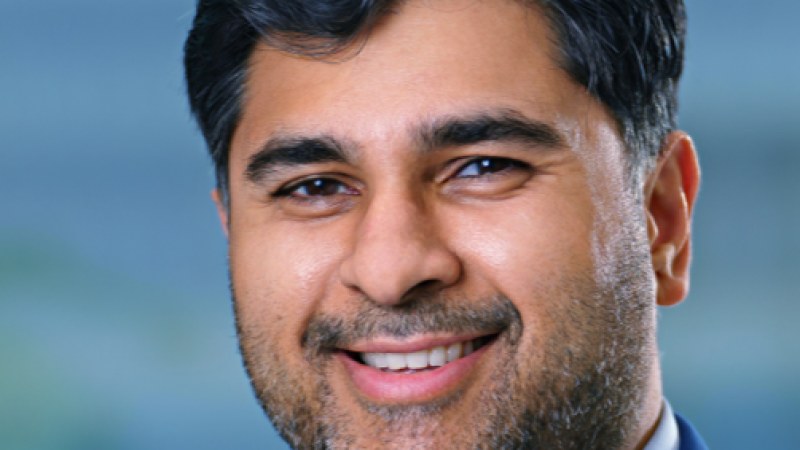
Chris Varma
Chris Varma, Ph.D., is Co-Founder, Chairman, and CEO of Frontier Medicines, a clinical-stage biotech attacking cancer's 'undruggable' proteins using chemoproteomics, covalent chemistry, and machine learning. A serial biotech founder with 20+ years in life sciences, he previously co-founded Blueprint Medicines (acquired by Sanofi for $9B+ in 2025) and Warp Drive Bio (acquired by Revolution Medicines in 2018), and held investor roles at Third Rock Ventures, Flagship Pioneering, and MPM Capital. His career spans the FDA, Novartis, and three successful company builds - with Frontier Medicines now advancing FMC-376, a first-in-class dual KRAS G12C inhibitor, through Phase 1/2 clinical trials.
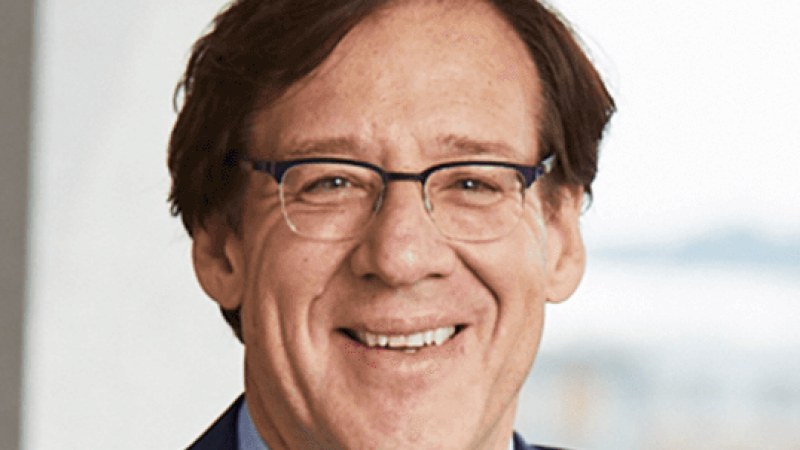
Greg Verdine
Gregory L. Verdine is a Harvard-trained chemical biologist who coined the phrase 'drugging the undruggable' and built an empire around it. The Erving Professor Emeritus at Harvard University, he co-invented stapled peptides, pioneered the field of chemical biology, and founded or co-founded more than a dozen biotech companies - several of which reached the Nasdaq and three of which produced FDA-approved drugs. In July 2023 he joined Andreessen Horowitz as a Venture Partner on the Bio + Health team, bringing his rare combination of deep scientific discovery, serial entrepreneurship, and capital deployment to one of Silicon Valley's most influential venture firms.