waterloo
(22)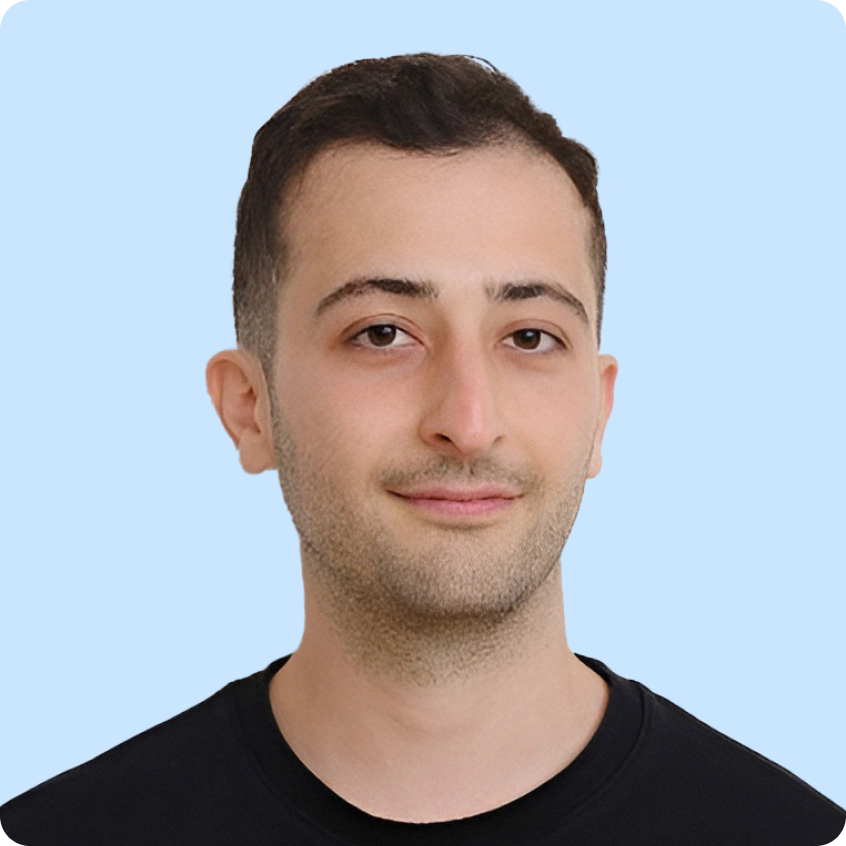
Mahyar Raissi and the seven-year placeholder
OpenPhone began with a name shouted across a room. For Quo co-founder Mahyar Raissi, the longer story is about helping small businesses answer the customer on the other end.
Definity: The price of getting bigger
A house, a barn, and a $3.3 billion acquisition. Inside the Canadian insurer learning where scale pays - and where walking away pays better.
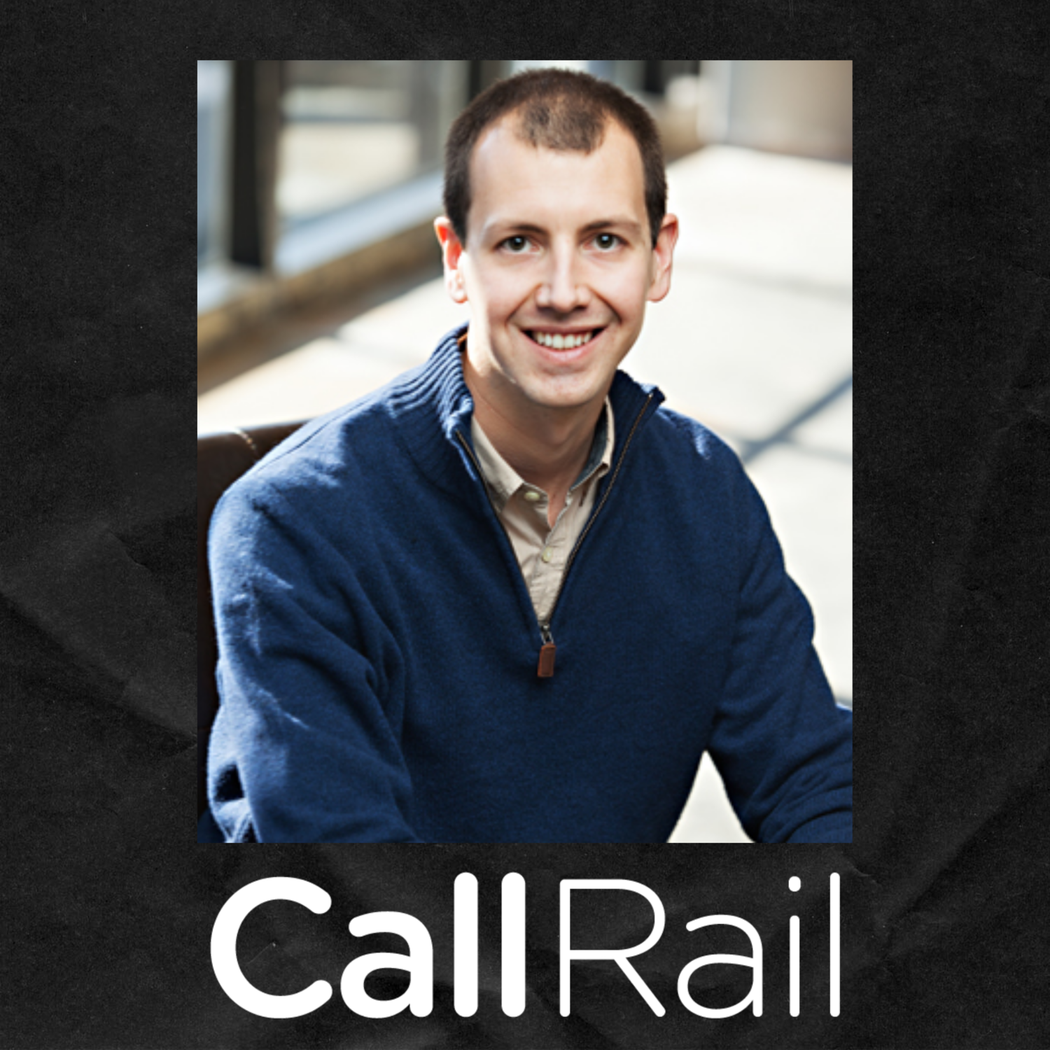
Prem Gururajan and the Trouble With Getting There
A difficult family commute sent the Waterloo engineer from casino software into public transit. At RideCo, his idea now faces the daily test of getting people where they need to be.
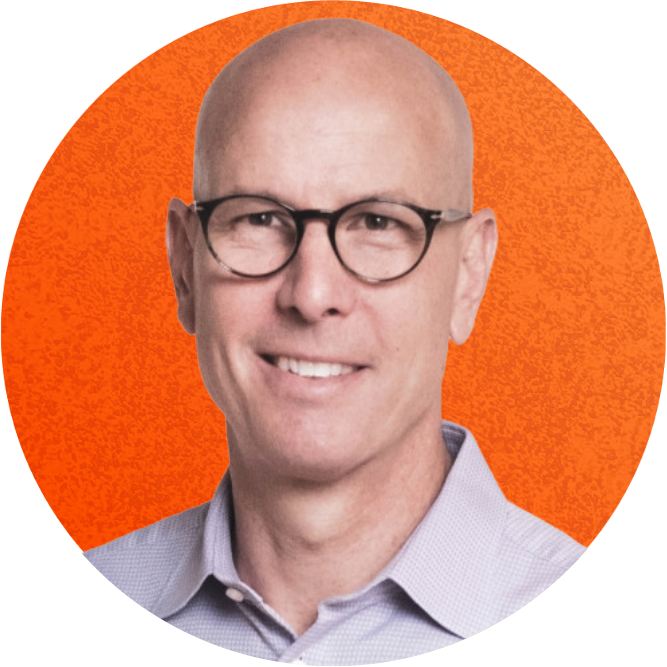
Paul Donald and the Case of the Missing Evidence
A job fair in a Waterloo bar helped Paul Donald find his co-founders. A much less sociable problem - getting people to agree on what happened to a building - gave Encircle its purpose.
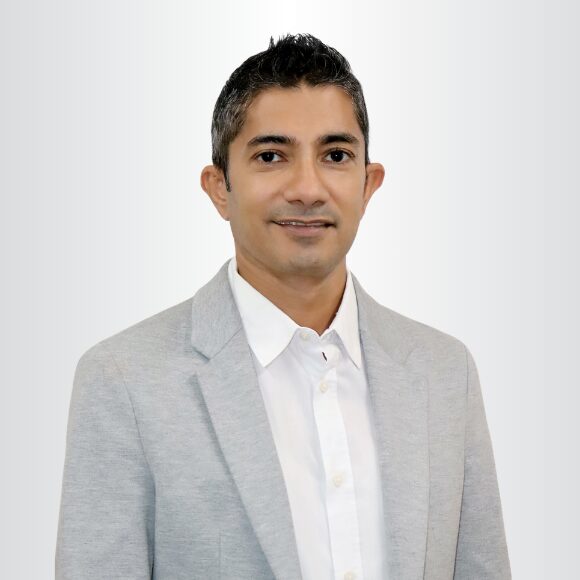
Jay Krishnan and the business of getting people into the same room
Before he became T-Hub’s founding CEO, Jay Krishnan had built companies and watched one fail. From Hyderabad to Waterloo to a Japanese venture firm, he has kept returning to a practical question: what helps a good idea become a business?
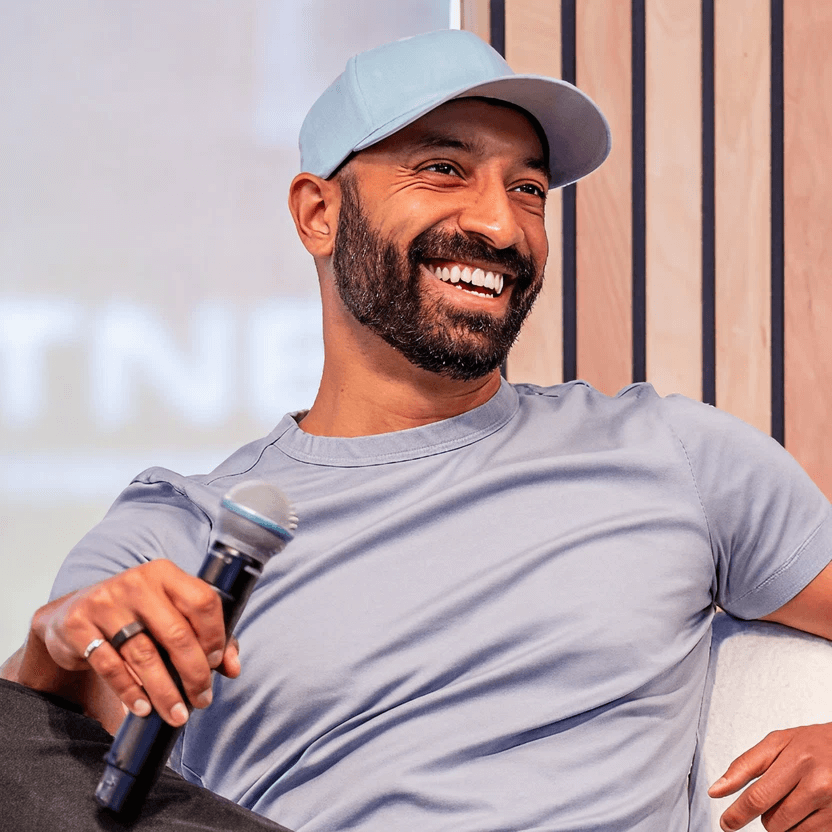
Andrew D'Souza and the business of opening doors
He helped build Clearco to fund businesses without taking their equity. With Boardy, Andrew D'Souza is working on the other thing founders keep asking for: an introduction.
Michael Malcolm and the trouble with too many movies
Before he tackled the clutter of a home movie collection, Michael Malcolm helped turn network storage into an appliance. His career connects a Waterloo classroom, NetApp’s first years and the unusually complicated business of pressing play.
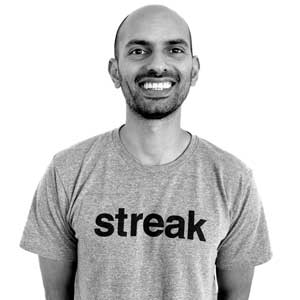
Aleem Mawani and the price of staying small
A $12,000 domain, a CRM inside Gmail, and a company that bought back much of its investors’ equity. Aleem Mawani’s Streak story is about learning which ambitions are worth keeping.
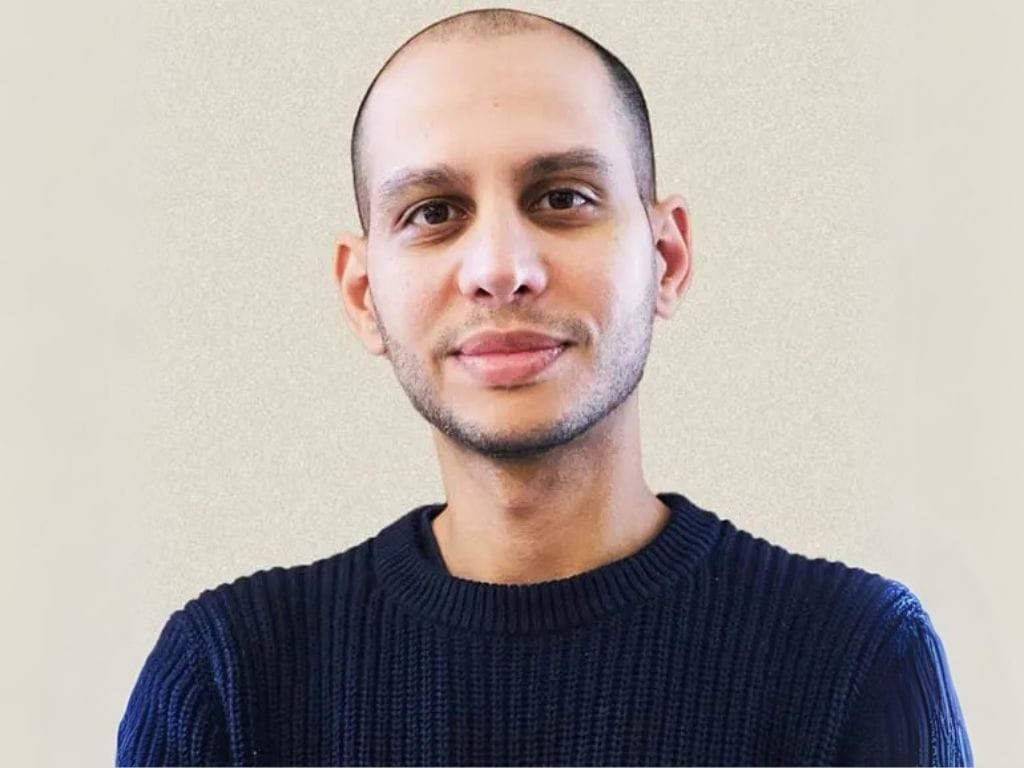
Mo Al Adham and the price of doing it yourself
After building a video startup, Mo Al Adham discovered that managing his money came with a surprising amount of homework. At Frec, he is turning that frustration into software - and learning how much explaining a simple app can require.
Accelerator Centre: Keep the equity. Change the plan.
Waterloo’s nonprofit accelerator helps technology founders turn promising inventions into businesses. Its useful trick is pairing advice with the money, sales practice and industry access needed to act on it.
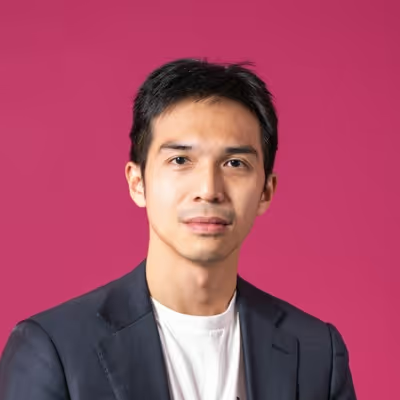
Michael Chan and the coffee shop at the end of the algorithm
He helped take insurance off the sales floor and onto a screen. Then Bowtie’s co-founder opened a coffee shop - because a digital promise still needs a human face.
Alexander Peters and the arithmetic of wanting to play
He liked math. His cousins did not. A university project gave Alexander Peters and Rohan Mahimker a way to turn that small family difference into Prodigy Education.
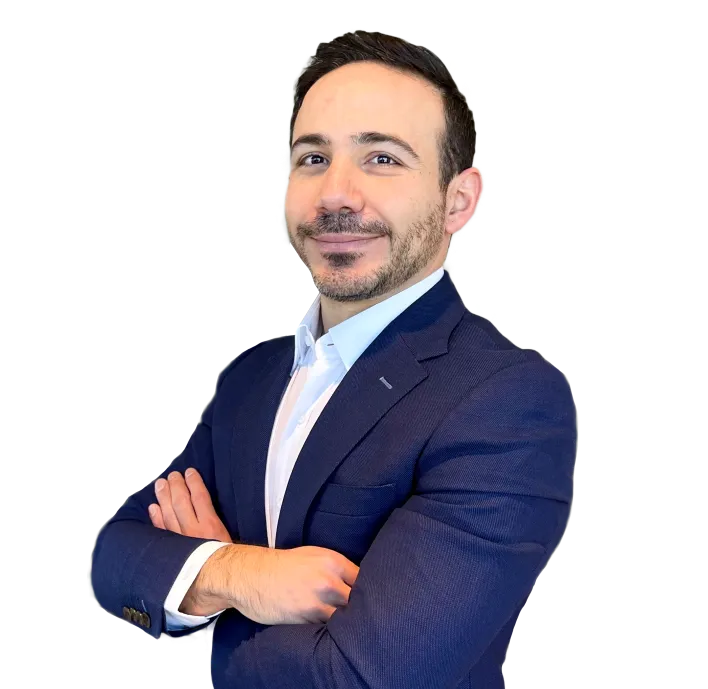
Héctor Cárdenas and the sale that could not happen
He returned to Mexico with an engineering degree and a plan to build. Two pivots later, Héctor Cárdenas found his business in the gap between an online shop and a customer who could actually pay.
OpenText
How a project to digitize the Oxford English Dictionary became Canada's largest software company - and why the world's biggest enterprises trust it to run the information they can't afford to lose.
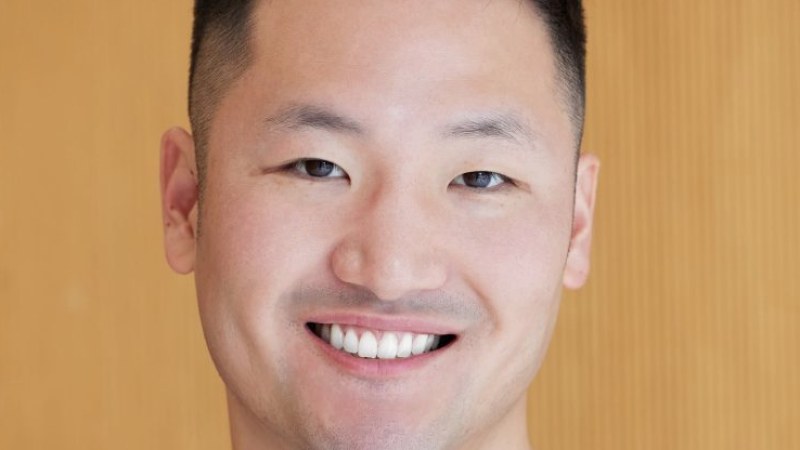
Paul Lee
Paul Lee is the CEO and co-founder of Patlytics, an AI-native platform for patent workflows used by law firms and corporate IP teams. He previously spent a decade in venture capital as a partner at Tribe Capital and Global Founders Capital, and started his career under Peter Thiel at Mithril Capital. In April 2026, Patlytics closed a $40M Series B, and Lee was named to the IAM Strategy 300 Global Leaders list.
Applied Brain Research
Applied Brain Research (ABR) is a Waterloo, Ontario AI hardware company spun out of the University of Waterloo's Centre for Theoretical Neuroscience. It builds brain-inspired chips and software that run real-time AI - full-vocabulary speech recognition, text-to-speech and sensor processing - directly on edge devices at power levels measured in milliwatts. Its patented state-space models and the Legendre Memory Unit power the TSP1 Time Series Processor, which ABR calls the world's first single-chip solution for full-vocabulary speech recognition, doing the work of cloud voice AI while consuming 10 to 100 times less power.
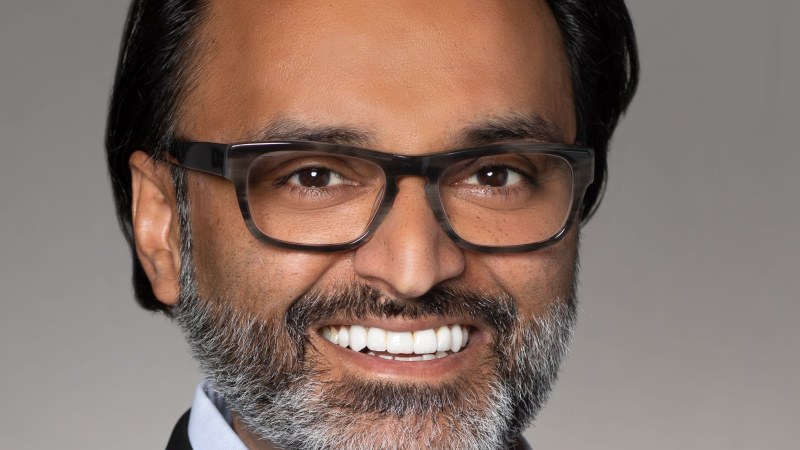
Jitesh Ghai
Jitesh S. Ghai is the President and CEO of Hyland, the Thoma Bravo-owned content services and intelligent automation company based in Westlake, Ohio. A University of Waterloo electrical engineer who began his career building hardware, Ghai spent 14 years at Informatica reshaping it into a cloud and AI leader before stepping into Hyland's top job in May 2024 to push the firm deeper into agentic AI and unstructured content.
Chris Best
Chris Best is the co-founder and CEO of Substack, the subscription newsletter platform that has paid out hundreds of millions of dollars to independent writers. A systems engineer turned serial entrepreneur, Best previously co-founded Kik Messenger, scaling it to 300 million users before pivoting to rewrite the economics of media. Substack - which he launched in 2017 with Hamish McKenzie and Jairaj Sethi - has grown to over 5 million paid subscriptions, raised $213M in total funding including a $100M Series C in 2025, and minted more than 50 creators earning over $1 million annually on the platform.
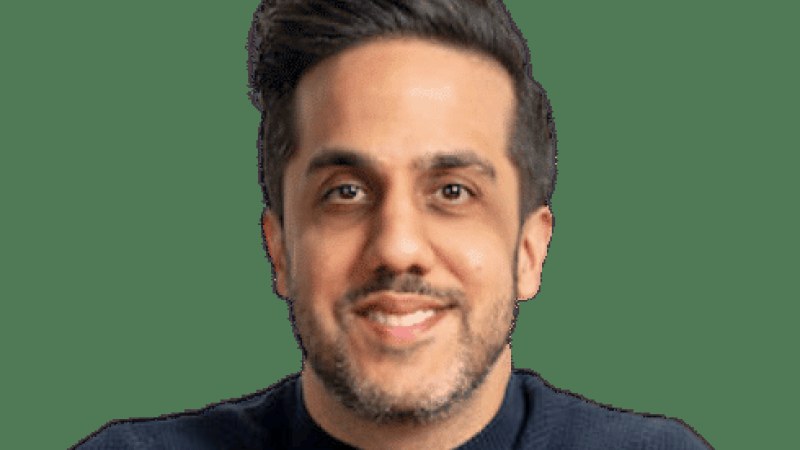
Hussein Fazal
Hussein Fazal is the Co-Founder and CEO of Super.com, a financial super app serving everyday Americans with savings, credit building, travel bookings, and cashback rewards. Previously, he co-founded AdParlor, a Facebook ad optimization platform acquired by AdKnowledge in 2011 after scaling to $100M+ in revenue. At Super.com (formerly SnapTravel), he has grown the platform to 30+ million users and $200M+ ARR, raising over $261M in total venture funding, with backing from Steph Curry, Harley Finkelstein, and institutional investors including iNovia Capital and Lion Capital.
Derek Ting
Derek Ting is the co-founder and CEO of TextNow, the Waterloo-based company he started in 2009 at age 19 with classmate Jon Lerner while studying computer engineering at the University of Waterloo. What began as a scrappy solution to outrageous carrier text messaging fees has grown into the only U.S. mobile provider offering unlimited talk, text, and free essential data on a nationwide 5G network. The TextNow app has been downloaded more than 200 million times worldwide, making Derek one of the most consequential quiet disruptors in American telecommunications - building a profitable, venture-light company that serves millions of users who can't afford traditional phone service.
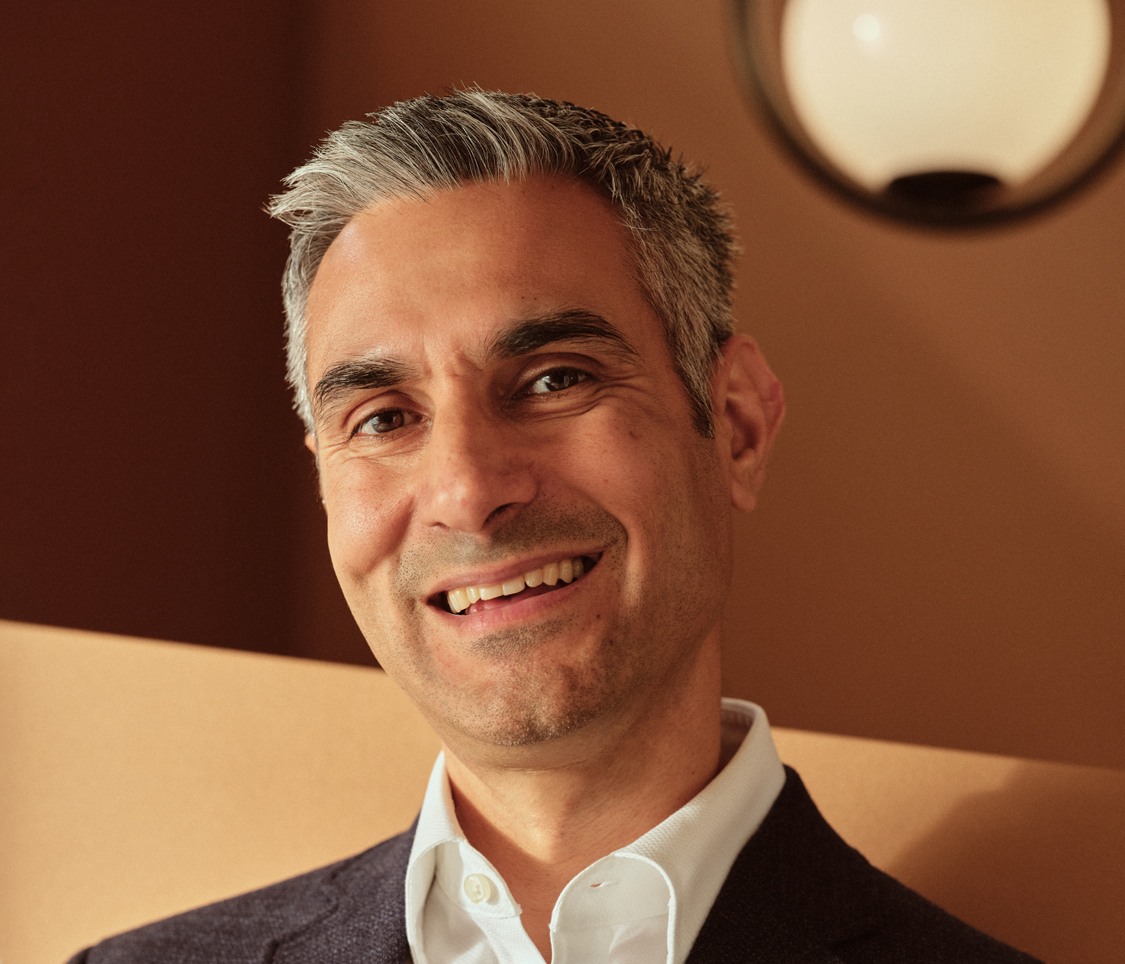
Arif Janmohamed
Arif Janmohamed is a Partner at Lightspeed Venture Partners with over 16 years backing enterprise AI, cloud infrastructure, and SaaS companies. A University of Waterloo computer engineering graduate and Wharton MBA, he has been the first institutional check behind companies like Netskope (Nasdaq: NTSK, IPO 2025) and Navan, and was on the Moveworks board from Day 1 through its $2.85B acquisition by ServiceNow in 2025. A Canadian with Ismaili-East African roots, fluent in French, and a self-taught ice hockey player, Arif blends deep technical fluency with a founder-first philosophy - often describing himself as part coach, part psychologist to the entrepreneurs he backs. As of early 2026, he is stepping back from day-to-day Lightspeed duties to launch a new early-stage investment firm.
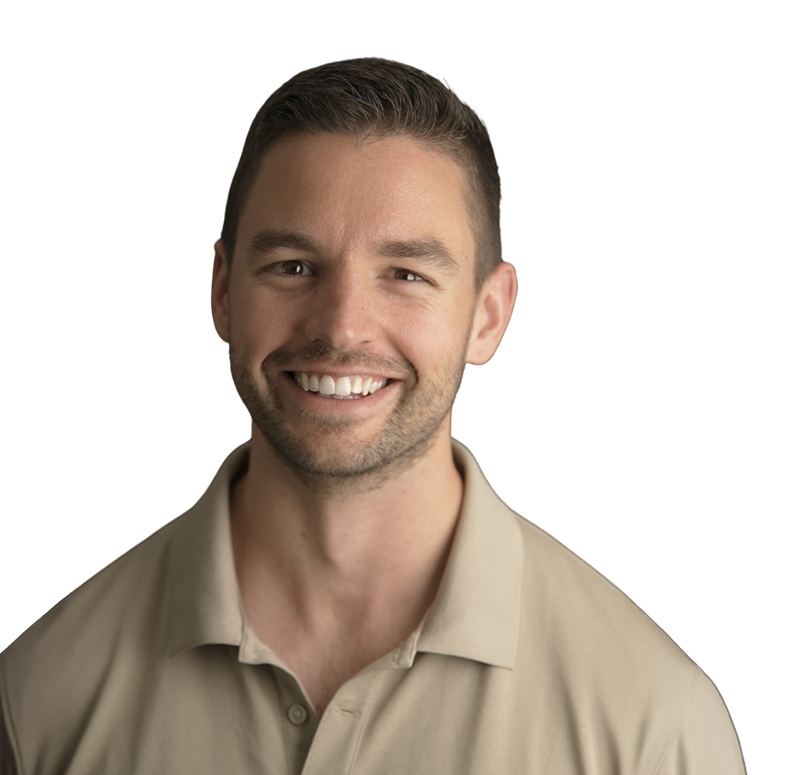
Wes Bush
Wes Bush is the founder and CEO of ProductLed, the world's leading education company for product-led growth (PLG). Author of two foundational PLG books - 'Product-Led Growth: How to Build a Product That Sells Itself' (2019) and 'The Product-Led Playbook' (2024) - Bush has helped 400+ SaaS companies collectively generate over $1 billion in self-serve revenue. After being fired from Vidyard for advocating product-led strategies over sales-led ones, he turned that conviction into a global movement, building a 15,000+ member community and coaching SaaS founders to scale from $100K ARR to 8+ figures.