hong-kong
(20)
Tencent WeStart put a production studio inside the startup office
In Hong Kong, Tencent WeStart brought desks, recording rooms and corporate introductions under one roof. Its bet: digital entrepreneurs need somewhere to make the work, and someone who can help it travel.

Brinc wants to get startups past the pitch
The Hong Kong accelerator began with the messy business of making hardware. Its next test is turning corporate introductions into working pilots - with very different prices for admission.

HK01 Wants the Rest of Your Day
The Hong Kong publisher has built shopping, ticketing and rewards around the daily news habit. Its most revealing growth experiment began with runners looking for photographs of themselves.

SHOPLINE sells the shop behind the shop
A storefront gets the applause. SHOPLINE wants the inventory, payments and repeat orders to work together - and its best sales pitch is the work a merchant can stop doing.
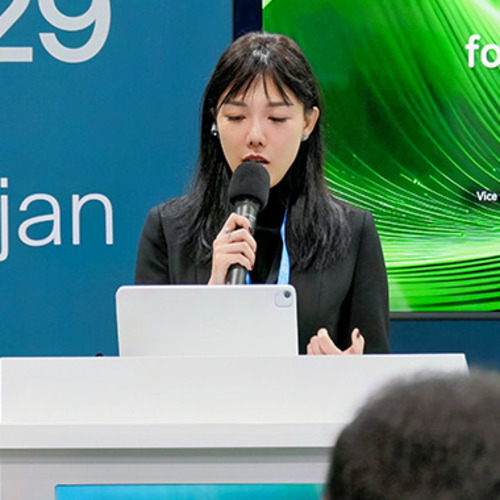
Eva Na Is Making the Invisible Infrastructure of AI Feel Useful
Tuya Smart's CMO has spent years translating clouds, protocols and connected devices into a human proposition. Her latest argument is simpler still: AI matters most when it leaves the screen and begins helping the physical world make better decisions.

The K-Beauty Cart That Became a $347 Million Export Machine
YesStyle turned the messy business of finding, explaining and shipping Asian beauty worldwide into a repeatable retail system. Its sharpest advantage is not a single serum or skirt - it is the loop connecting 400-plus Korean brands, half a million creators and shoppers across more than 200 countries and territories.
Babel Finance
The Hong Kong lender wanted to be the JP Morgan of crypto. It reached a $2 billion valuation in May 2022 - then froze withdrawals a month later after an unhedged trading bet lost roughly $280 million of client money.

1Token
1Token builds institutional back-to-front office software for crypto funds and financial institutions. Founded in 2018 and led by Damon Xu, the company runs a portfolio management system (PMS), risk management system (RMS), trade reconciliation, and T+0 shadow NAV accounting that stitch together fragmented CeFi exchanges, DeFi protocols and TradFi accounts into one book. Today it connects 80+ CeFi venues and thousands of DeFi protocols, serving 100+ institutional clients that monitor more than $20B in assets across APAC, North America and Europe.
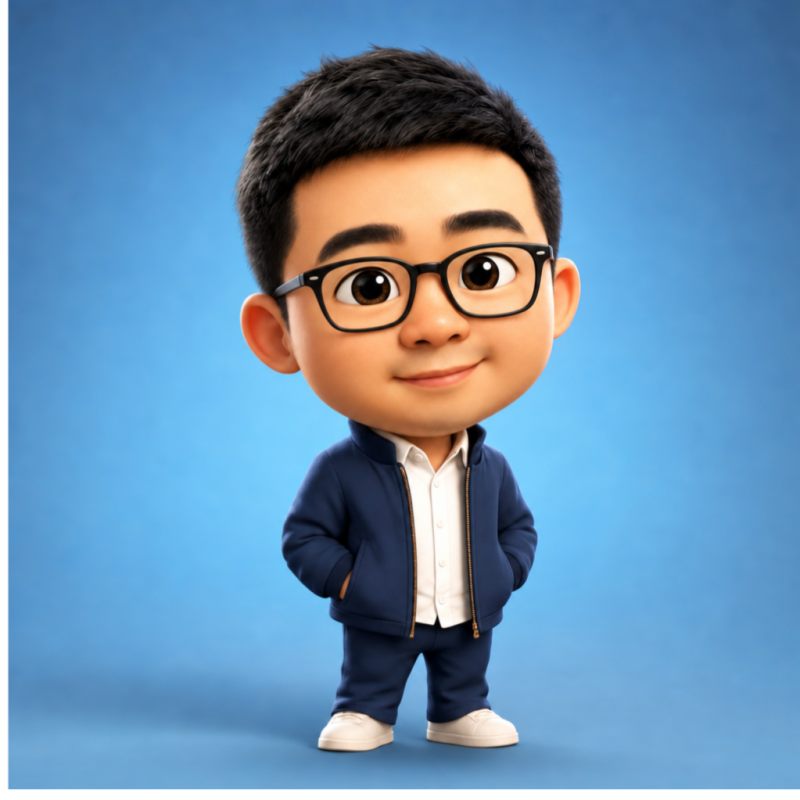
Xin Du
Xin Du (Steven Xin Du) is the founder and CEO of WONZ Technology, a medical-device and digital-health startup building consumer devices for smokers and non-invasive bioelectronic products. A trained scientist with postdoctoral research experience tied to Dana-Farber Cancer Institute and Harvard Medical School, Du crossed from the lab into venture capital as a founding partner of Niniu Capital and founder of Neeo Fund before starting WONZ in 2020. He splits his world between a San Francisco base and a Hong Kong-registered company, running a small team that has filed more than a hundred patents and raised through Series A.

WONZ Technology
WONZ Technology is a digital health company built around one goal: helping the world's roughly 1.5 billion smokers cut their exposure to the harmful byproducts of combustion. Founded by Xin (Steven) Du in 2020, WONZ pairs hardware - heat-not-burn smart devices sold under the CIGPAL brand - with digital intervention software, an exhaled-CO tester, and AI-guided coaching. Its proprietary WHC (WONZ Heat Currents) thermal distillation technology is designed to reduce inhalation of more than 90% of the main harmful substances in cigarette smoke while easing cravings and withdrawal. The company holds over 100 patents and has raised more than US$13 million from investors including XVC.
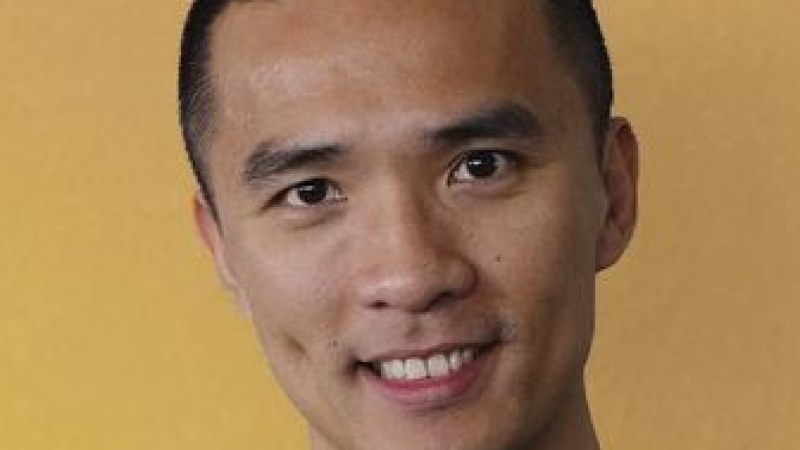
Teddy Chan
Teddy Chan is the CEO and co-founder of AfterShip, the shipment-tracking and post-purchase platform he started in 2012 after building a package-tracking script for his own online toy store cut customer emails by more than half. A self-described software engineer who says he wants to write code forever, Chan grew AfterShip from a Startup Weekend Hong Kong hackathon win into a company handling billions of shipments a year for tens of thousands of merchants, profitable long before Tiger Global led a $66M Series B in 2021 that valued it above $1 billion.
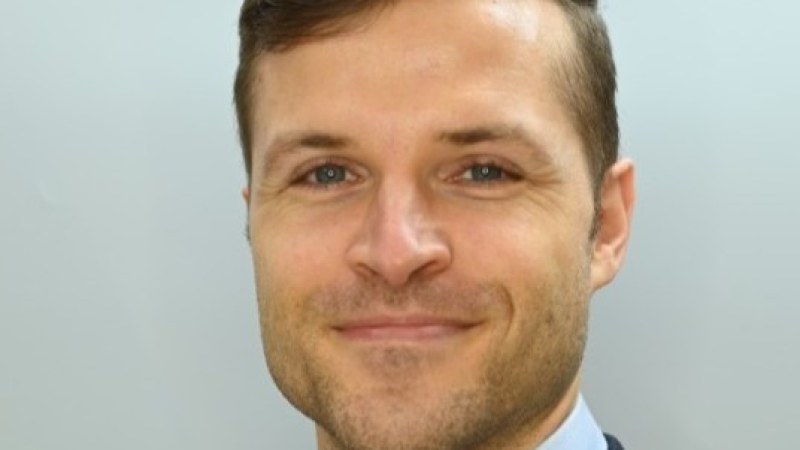
Tomas Holub
Tomas Holub is the founder and CEO of CoverGo, a global no-code, AI-powered core insurance platform for health, life and P&C insurers. He started the company in Hong Kong in 2017 after his own insurance claim was denied following his father's death, and has since grown it to roughly 200 people with offices in Singapore, New York, Silicon Valley, Dubai and Hong Kong and more than 20 insurance clients. Before CoverGo he consulted at PwC London and ran operations for an insurtech in Singapore; along the way he collected four master's degrees in four languages and has worked across 20-plus countries.

TRLab
TRLab is an art-and-technology company that fuses Web3 tools with fine-art expertise to reinvent how people learn about, experience, and collect art. Co-founded in 2021 by Christie's non-executive Deputy Chairman Xin Li-Cohen and CEO Audrey Ou, the platform builds education-driven, interactive collecting journeys with major artists, estates and institutions - including the Calder Foundation, the Chris Burden Estate, Cai Guo-Qiang, Vogue and digital-art organization Rhizome. It has raised roughly $9.2M total, and more recently has begun extending its creative IP into lifestyle goods and immersive experiences.

Simon Cheng
Simon Cheng is the founder and CEO of Pique, a Los Angeles-based wellness company that turned whole-leaf tea into dissolvable crystals using a patented cold extraction process. A Hong Kong native who grew up drinking tea with his grandparents, Cheng abandoned those rituals in his teens, then spent his 20s cycling through surgeries and a decade of health crises. He rebuilt his health on a multi-year study trip across Asia learning from medicinal-plant and breathwork masters, and channeled that obsession into Pique, which launched in Whole Foods in 2016 and scaled to thousands of stores. Harvard and Stanford educated, and the youngest member of Harvard School of Public Health's Nutrition Roundtable, Cheng built Pique on three promises: efficacy, purity, and zero prep.

Vinesh Jha
Vinesh Jha is the founder and CEO of ExtractAlpha, an independent alternative-data research firm that turns messy datasets into tradable signals for hedge funds and institutional investors. A pure-mathematician-turned-quant, he cut his teeth ranking Wall Street analysts at StarMine, built systematic strategies at Merrill Lynch, Morgan Stanley, and PDT Partners, then went out on his own in 2013. After ExtractAlpha merged with the crowdsourced-estimates platform Estimize in 2021, he runs both, leading a team spread across Hong Kong, the US, Europe, and Canada with a near-religious insistence on rigorous, point-in-time testing over a good story.
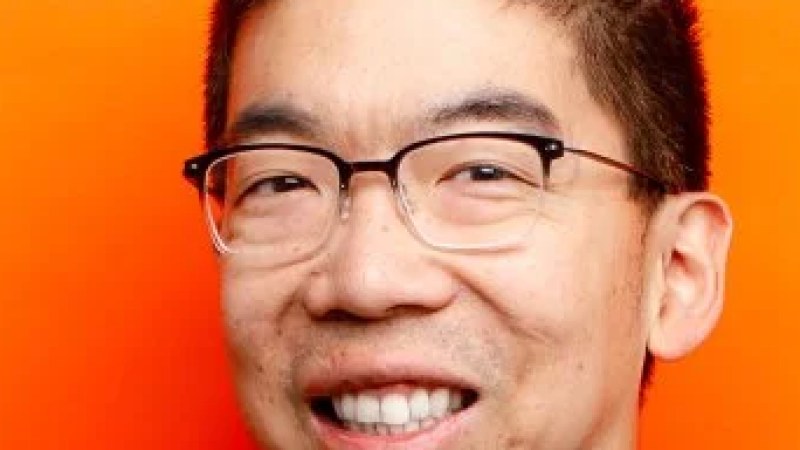
Andrew Toy
Andrew Toy is the CEO and Board Member of Clover Health (NASDAQ: CLOV), a Medicare Advantage insurer using AI to help physicians identify and treat chronic conditions earlier. A Stanford-trained computer scientist who immigrated from Hong Kong at 16, Toy built Divide (acquired by Google for $120M in 2014), led Android Enterprise at Google, then joined Clover Health in 2018 as CTO before ascending to CEO in 2023. Under his leadership, Clover achieved 51% year-over-year membership growth and its first GAAP net income in Q1 2026, powered by the Clover Assistant AI platform that diagnoses diabetes three years earlier than conventional methods.
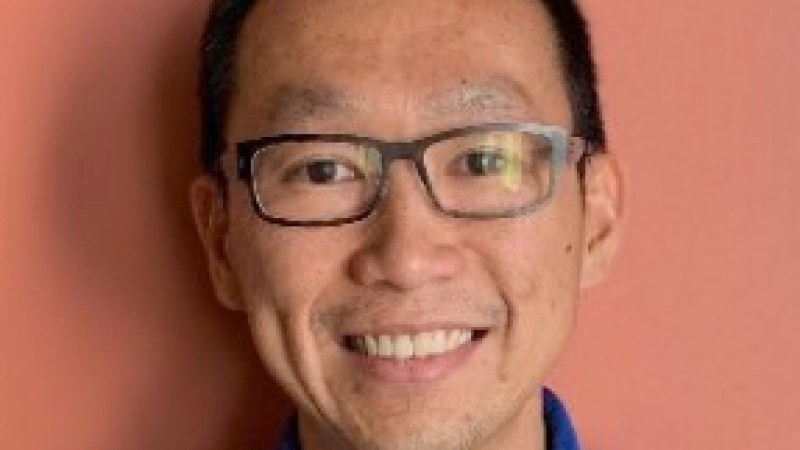
David Lee
David Lee is the Co-founder and CEO of Nex, a San Jose-based motion gaming company that makes the Nex Playground - a palm-sized AI console that uses motion-tracking cameras to turn living rooms into active play spaces. A Hong Kong native and second-time founder, Lee previously co-founded EditGrid (acquired by Apple in 2008), spent over eight years as a Senior Engineering Manager at Apple leading iWork for iCloud, then left in 2017 to build Nex. The company has raised $40M across three rounds from investors including the NBA, Will Smith's Dreamers Fund, and Blue Pool Capital, with celebrity backers like Steve Nash, Jeremy Lin, Mark Cuban, Simu Liu, and Thierry Henry. Nex Playground launched in December 2023 at $179, sold 600,000+ units in 2025, and landed on Fast Company's Most Innovative Gaming Companies of 2026 and TIME's 100 Most Influential Companies of 2026.
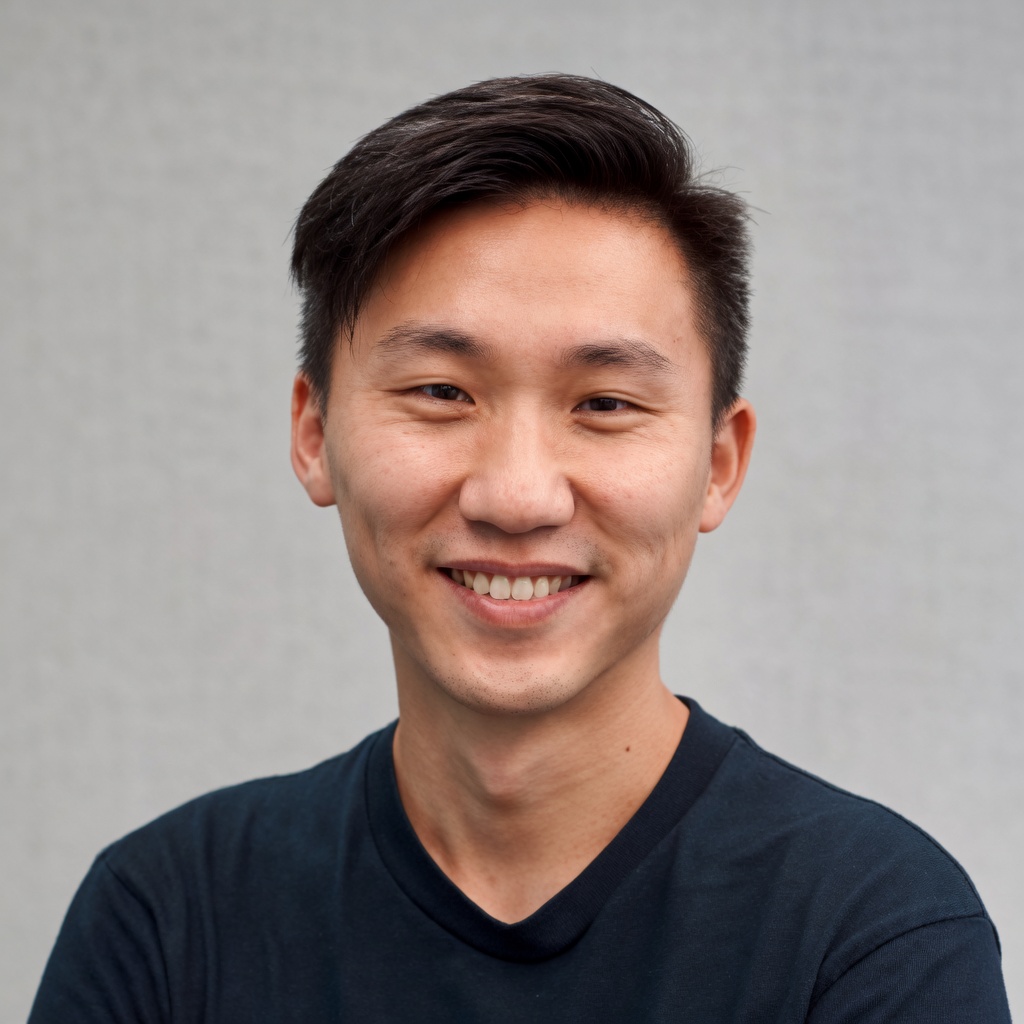
Reggie Chan
Reggie Chan is a Hong Kong-based serial entrepreneur and Co-Founder of Nex (nex.inc), the motion-gaming company behind the Nex Playground console - a $249 camera-based gaming device that outsold Xbox in the US during Black Friday 2025 and hit $150M+ in annual revenue. Before Nex, Chan co-founded EditGrid, an online spreadsheet startup acquired by Apple in 2008, then spent nearly a decade at Apple as a Software Engineering Manager before betting everything on body-motion entertainment. At Nex, his team has built technology that tracks 18 body points per player, enabling real physical movement as the controller - no wires, no wearables, just your body and a TV.
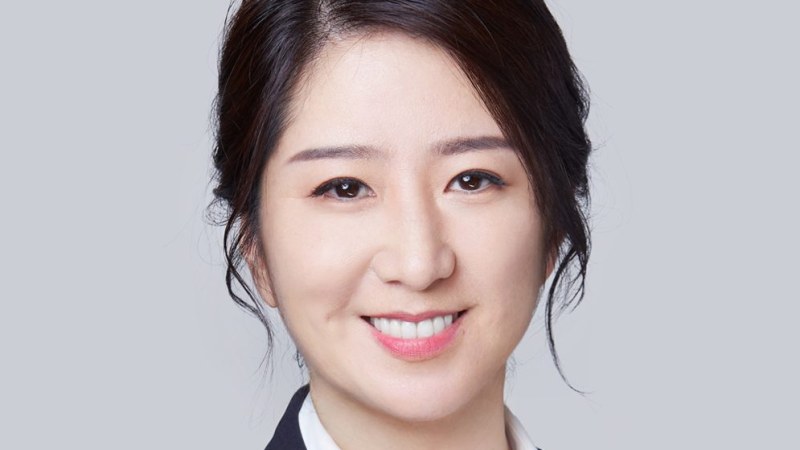
Daisy Cai
Daisy Cai is a General Partner at B Capital, the multi-stage venture firm co-founded by Eduardo Saverin. With nearly two decades of investment experience spanning Silicon Valley, Hong Kong, and global markets, she heads B Capital's China expansion and leads investments in deep tech, AI, robotics, autonomous systems, clean energy, and space technology. Before B Capital, she was a Partner at SoftBank Vision Fund and Managing Partner of Baidu Capital and Baidu Ventures. She holds a B.S. from Tsinghua University, an M.S. in Electrical Engineering from USC, and an MBA from Columbia Business School - and has six U.S. patents in semiconductor chip design.

Karan Kanwar
Karan Kanwar is the co-founder and CEO of Wing Assistant, a managed virtual assistant marketplace that grew from his UC Irvine dorm room to over 1,000 employees across 8 countries and $20 million in annual revenue. Born in Mumbai and raised in Hong Kong, Kanwar speaks five languages, started coding at age 8, and previously consulted for Morgan Stanley, Goldman Sachs, and the United Nations before building Wing into one of the fastest-growing B2B staffing platforms in the US.