startup-studio
(35)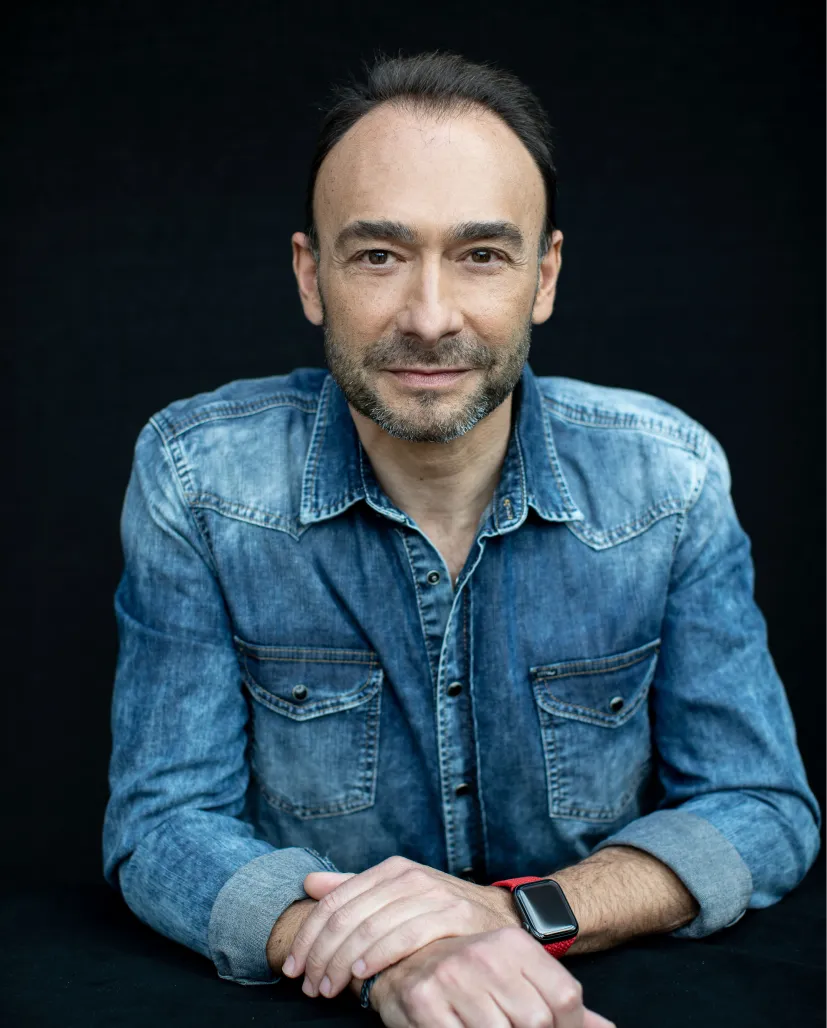
Alessandro Sordi and the architecture of a second act
After Dada, Alessandro Sordi began again with two longtime friends. At Nana Bianca, the architect turned entrepreneur is helping founders build companies - and giving Florence more reasons to look forward.
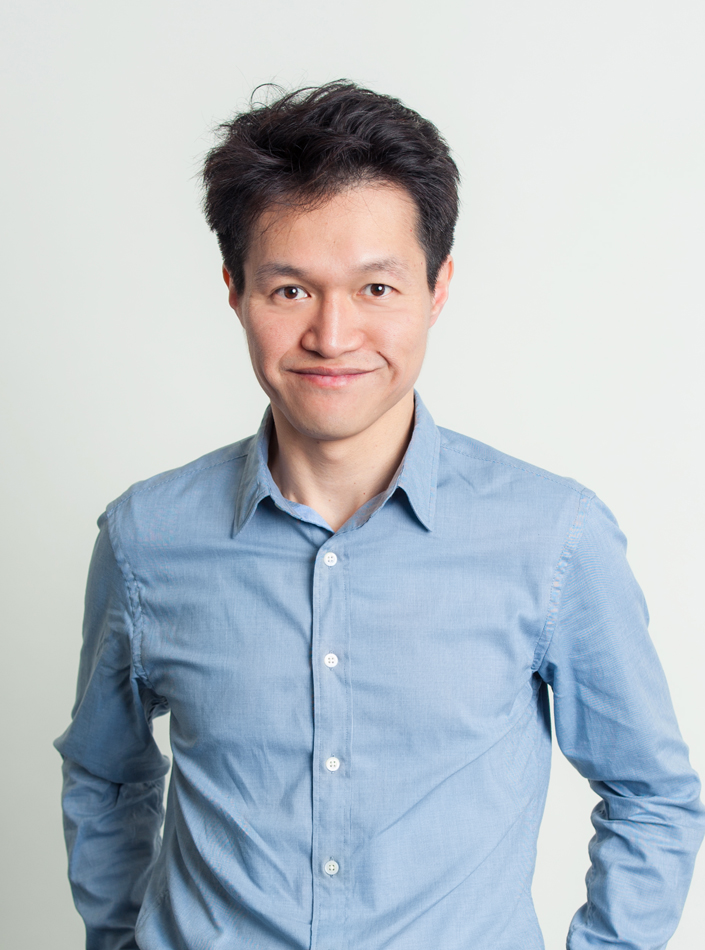
Yuji Ueda and the company built to let people leave
He founded Gaiax at 24 and took it public at 30. Then Yuji Ueda began making room for an unusual kind of growth: employees becoming founders, with the company helping them go.
Arnaud Mournetas wants to make the stock exchange fit the factory
He co-founded Redstart to help people build companies. With Lise, Arnaud Mournetas is working on the next obstacle: giving smaller businesses a stock market they can actually use.
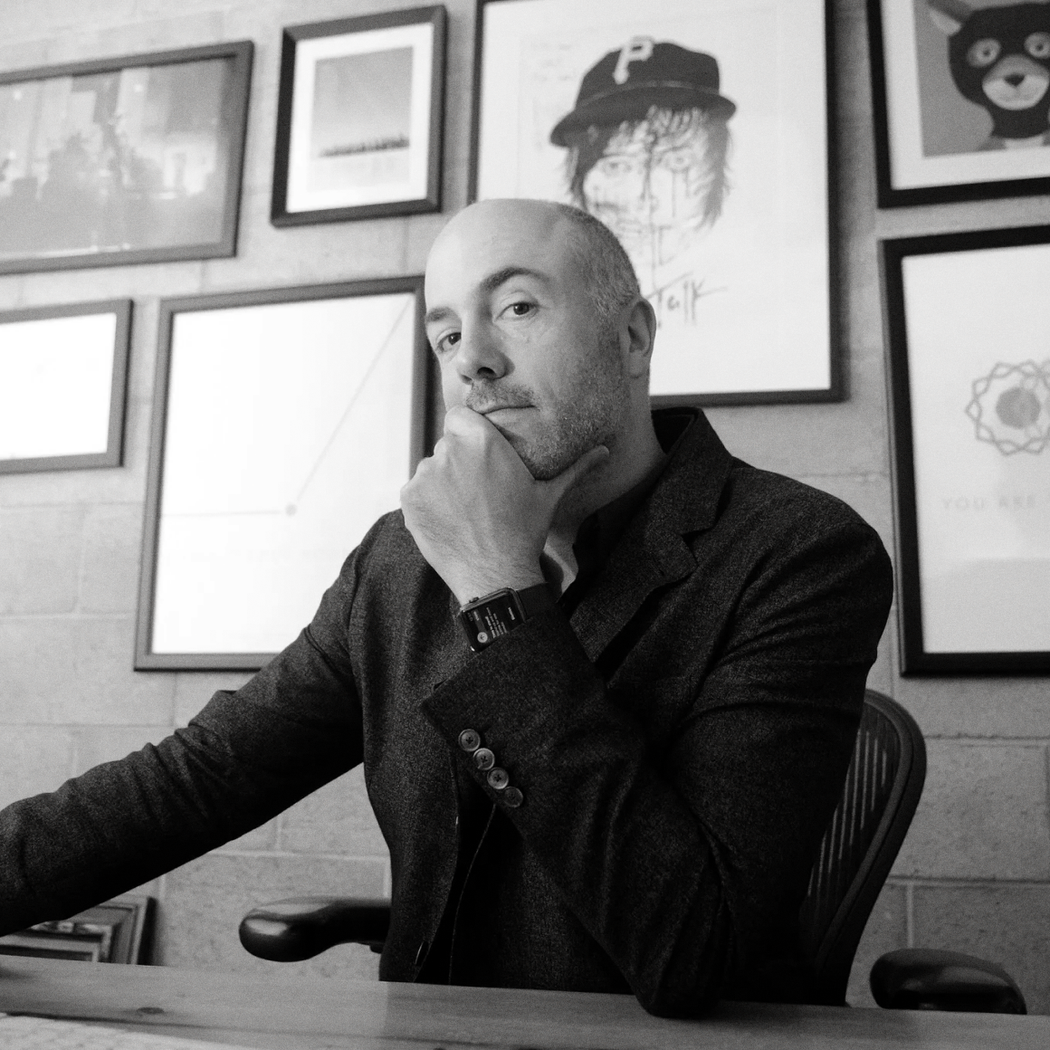
Michael Jones and the business of belonging
From chat windows to Myspace to Liquid Death, the Science co-founder keeps returning to one question: how does a product earn a place in someone’s life?
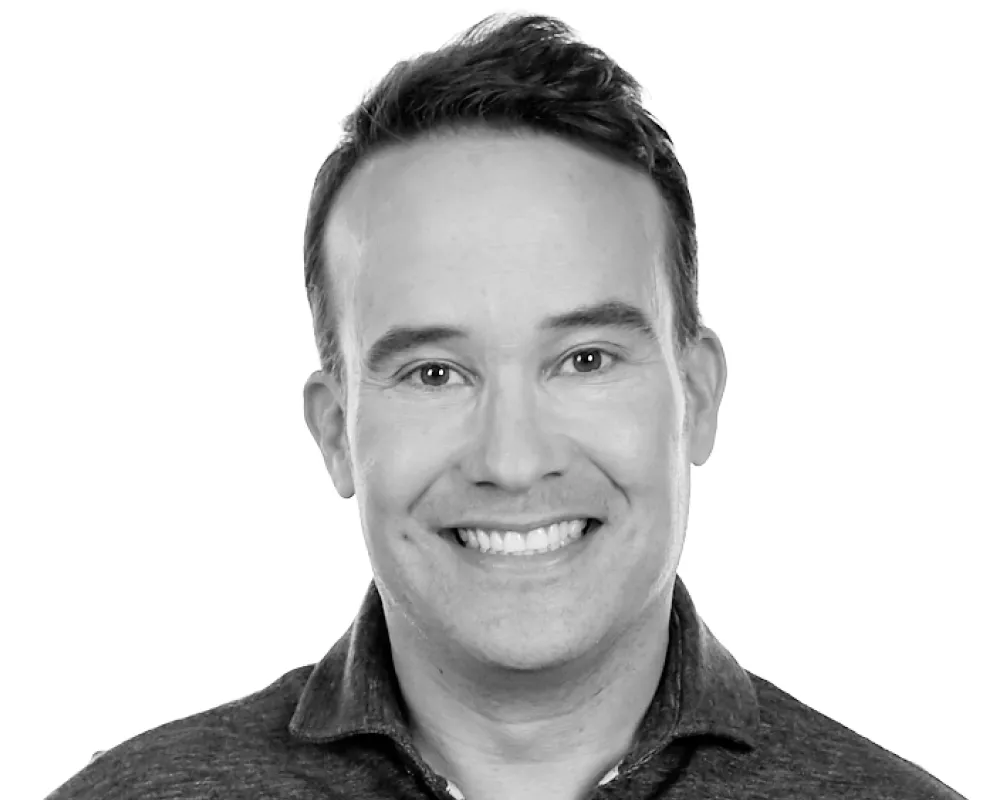
Tom Chavez and the Problem With Being Three Years Early
He helped companies make better use of customer data. Now the Ketch co-founder wants people to have a say in what happens to it - and has learned how long a good idea can wait for its customers.

Tom Walker and the value of the backyard
Tom Walker built Rev1 Ventures around a practical idea: a region's next companies need the customers, expertise, and capital already close at hand. Now at R1 Capital, he is carrying that approach into a new chapter.
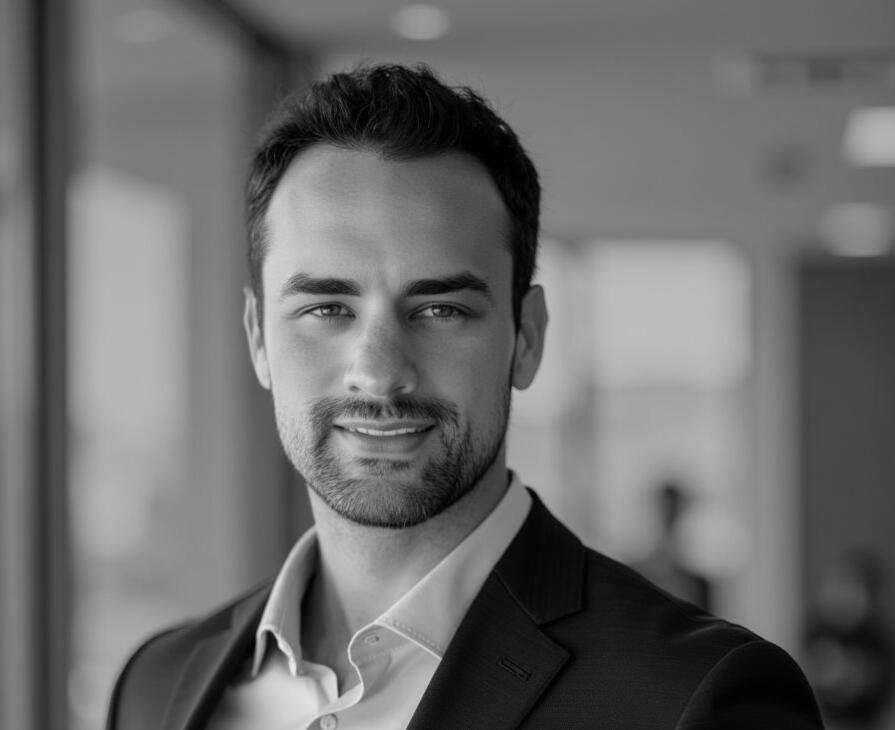
Breanden Beneschott and the company that builds companies
A hiring problem helped bring Toptal into being. Now Breanden Beneschott is trying to make the next company easier to build than the last.
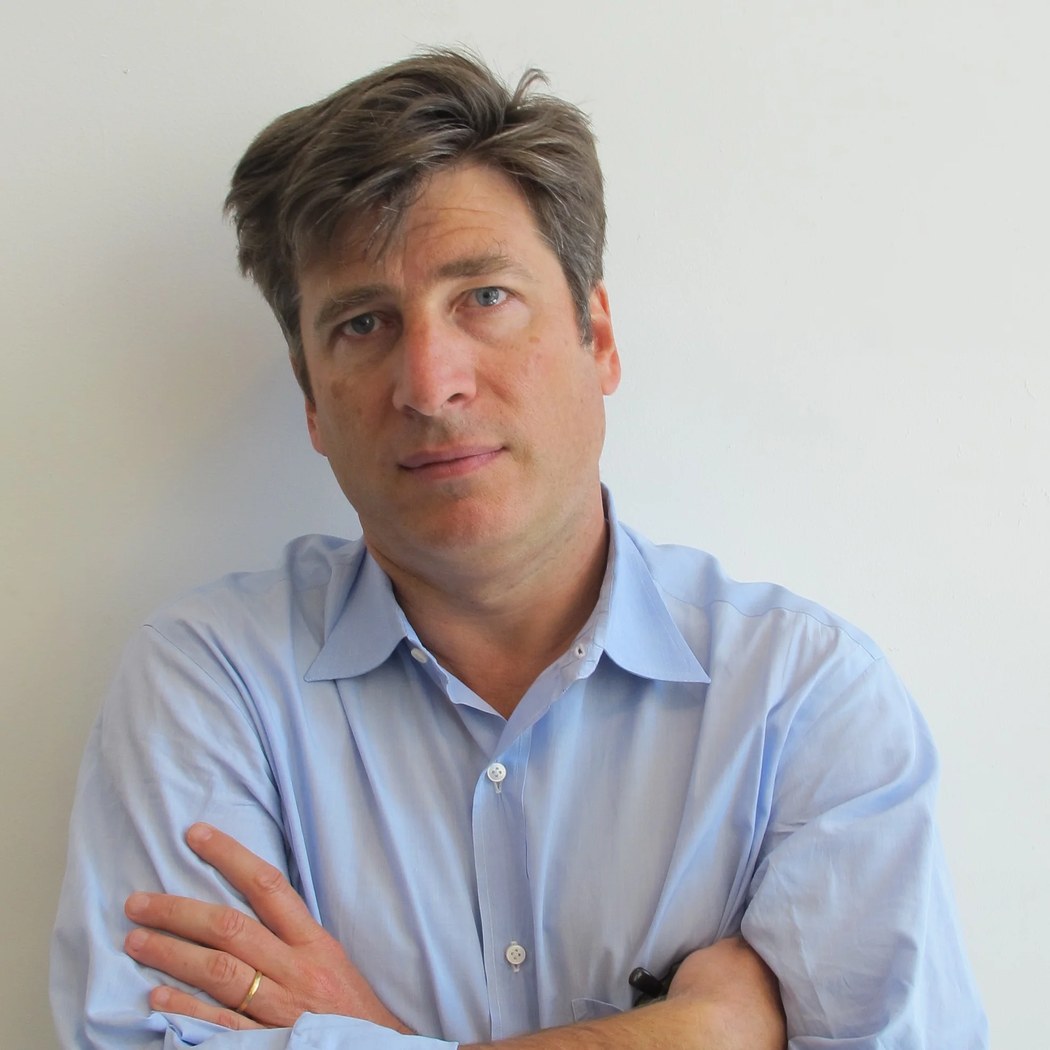
John Borthwick and the four-hour trip to the future
In 1993, John Borthwick drove to MIT to use a web browser. Three decades later, the Betaworks founder is still looking for the interface that changes what people can do.
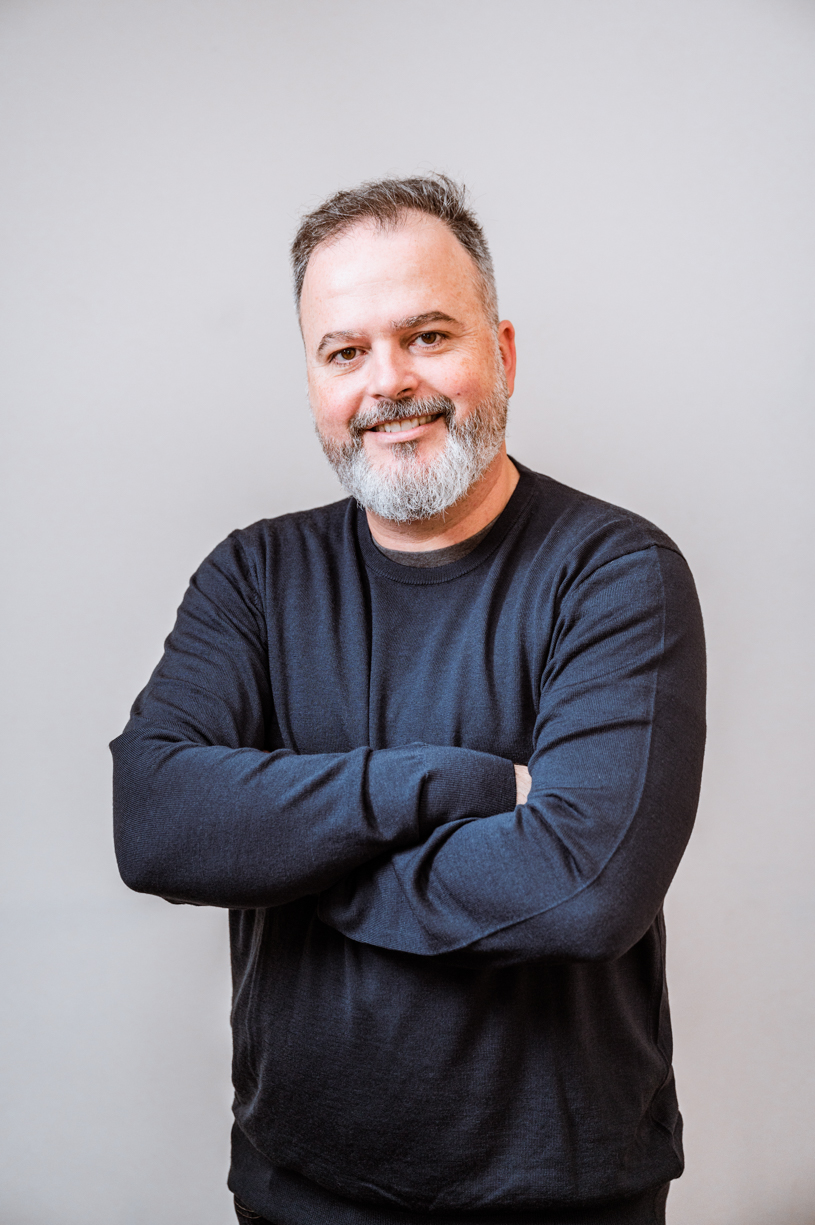
Fred Valente and the business of starting again
A costly early lesson taught the eMotion Studios co-founder to test before building. From Belo Horizonte to Florida, his career now connects animation, digital rights and the businesses behind online creators.
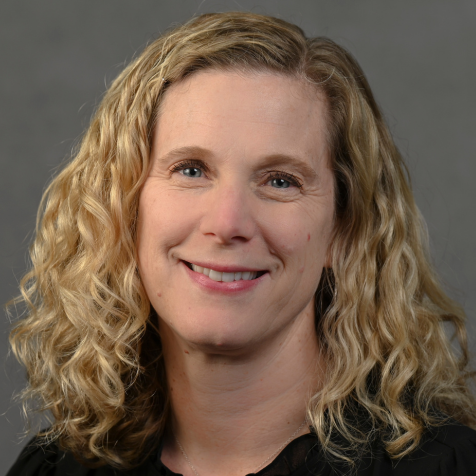
Ashley Seehusen and the education of a founder
An engineer who moved into marketing, built a company, and crossed into venture capital, Ashley Seehusen now helps other founders prepare for the work ahead. At Santé Accel, company building begins with people.
FCJ Venture Builder sells the machinery behind the startup
A Brazilian founder lost two businesses, then built a company to help other founders survive. FCJ’s wager: the unglamorous work around an idea can be a business of its own.
Ikove Capital builds the company a patent can’t
A university invention can be brilliant and commercially homeless. Ikove Capital’s Startup Nursery supplies the people, capital, and market work that turn research into a business.

434 Gives Local Startups the Luxury of Time
In Charlottesville, a nine-month accelerator puts founders, advisers and student talent within reach. The useful trick is making those connections last longer than a pitch.
Nana Bianca is growing startups in a Florentine granary
Three veterans of Italy’s internet industry turned their experience into a place to build companies. At Nana Bianca, the offer runs from a €20 desk to startup grants of up to €100,000 - with some hard lessons between the two.

Chalhoub Greenhouse Gives Startups a Way Into the Store
The luxury retailer’s venture builder pairs founders with grants, working retail channels and people who can say yes. Its real test comes when the pilot ends.
Redstart puts a cofounder on the cap table
The Paris startup studio trades daily operating help for a minority stake. Its real subject is everything that happens between a promising idea and a business that can stand on its own.

SparkBridge helps immigrant founders get past the cold introduction
The Vancouver incubator pairs Canadian market entry with hands-on startup building. Its pitch to immigrant entrepreneurs: local knowledge, useful introductions and help turning a business idea into something customers can use.
Business Hub gives the five-minute pitch somewhere to grow
From a Medina startup contest to an Oman joint venture, Business Hub connects the practical parts of entrepreneurship: a place to work, people to learn from, and a room in which to make the ask.
Nuclio builds startups. Then it builds the people.
The Barcelona venture builder recruits founders for business ideas tested abroad. Its bigger bet is that schools, headhunters and shared services can make the hard parts of starting up a little less lonely.

Gaiax wants its employees to outgrow the company
The Tokyo startup studio lets teams turn their departments into independent businesses. Its next experiment asks what happens when those businesses share more of what they know.
super{set} Is Building the Boring Part of the AI Boom
The San Francisco studio has $176 million in committed capital, a $200 million exit and a contrarian wager: in enterprise AI, the useful plumbing may matter more than the flashy model.

Doxxa Wants to Build the Company Before the Company Exists
The Bellevue studio sells no tidy accelerator syllabus. It offers a pipeline, a workshop and flexible capital - the unglamorous machinery between a promising software idea and a company that can stand up on its own.

The VC Firm Betting the Next Big Market Is Simply Being Human
Human Ventures built a venture thesis around ordinary needs - health, work, money, attention and belonging. A decade in, its hybrid of capital, company-building and community offers a revealing answer to what an early-stage investor can still do that a spreadsheet cannot.

Nobody Studios Wants to Make Startups Feel Less Like Lightning Strikes - and More Like a Production Line
The California venture studio is trying to turn company creation into a repeatable discipline. Its wager is that AI, a distributed crowd and ruthless early validation can make the startup lottery a little less random.
The Firm That Builds Companies From a CIA Playbook
Most venture firms wait for founders to walk in the door. Red Cell Partners writes the idea first, then goes hunting for the people to build it - a studio model borrowed straight from the intelligence community.
The town that refused to demolish its own future
In 2014, two Cape Girardeau residents talked the city out of demolishing a downtown building and started southeast Missouri's first tech incubator inside it. A decade later, Codefi trains AI workers, builds startups as a co-founder, and pulls venture capital into places the coasts forget.
The Alabama Studio That Builds Companies From Problems, Not Pitch Decks
Shegun Otulana already had his billion-dollar exit. Then he stayed in Birmingham to build a factory for the next ones.

The Studio That Builds AI Companies for the Industries Silicon Valley Skips
A Boston venture studio is manufacturing AI startups for real estate, mortgages, and construction - the messy, high-barrier industries most software founders avoid. Here is how the co-founder model works.

The Santa Monica Lab That Builds Companies Like an Assembly Line
Most venture firms wait for founders to knock. Science builds the company first, then writes the check - and the method has turned razors, canned water and robo-advising into billion-dollar exits.

Empat
Empat is a Ukrainian custom software and product development company headquartered in Kyiv. Operating since 2013, it delivers full-cycle software development - system architecture, engineering, UI/UX design and go-to-market - to startups, scaleups and enterprises. Over 10+ years it has shipped 300+ digital products across 17 countries for clients including Porsche, Panasonic, Heinemann, CBRE and Transparency International, with a growing focus on AI, cloud and enterprise systems.