ai-hardware
(32)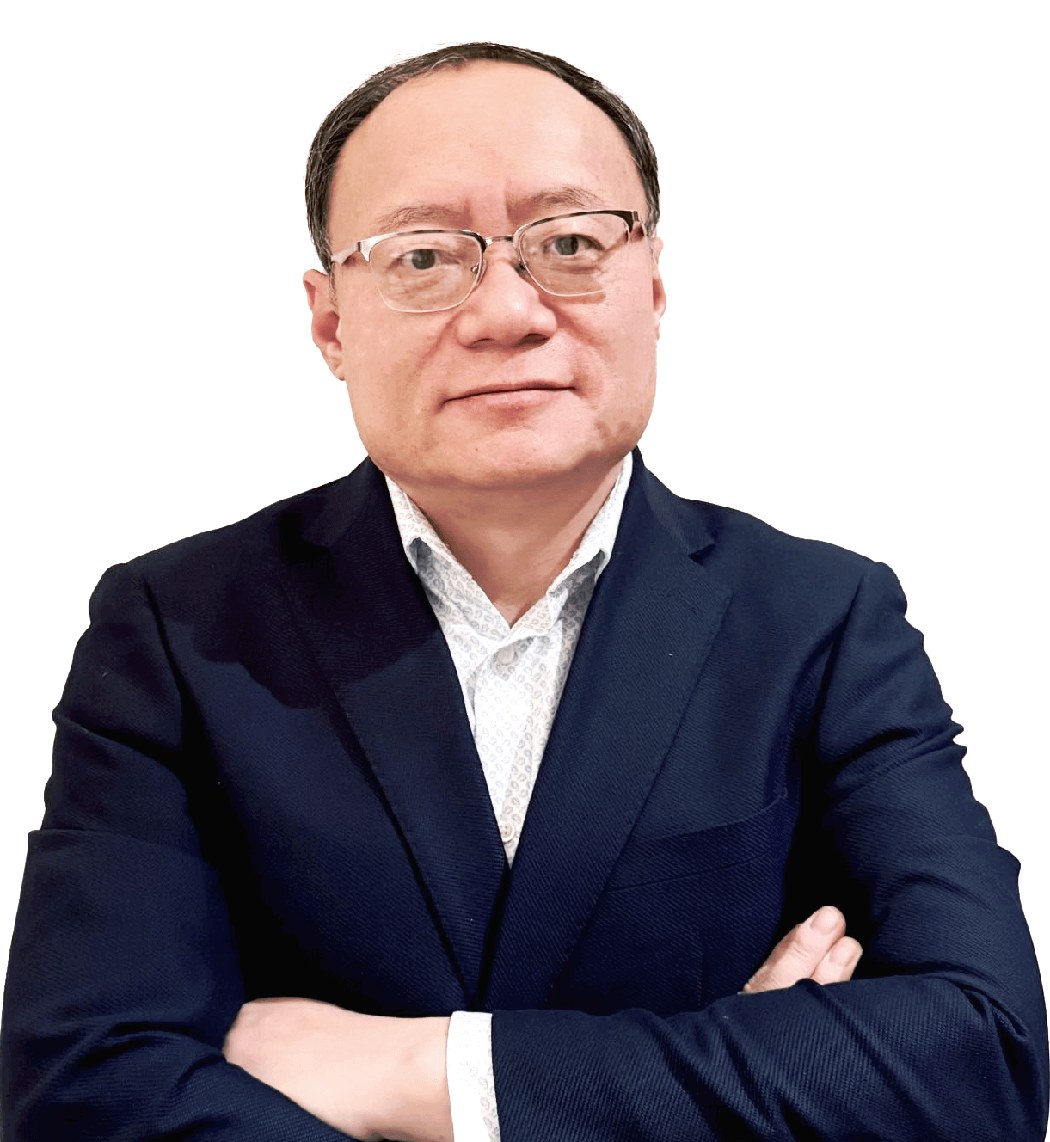
Joseph Chen Has Spent a Career Moving to the Next Bottleneck
He helped put real identities on China’s early internet, watched a social network become a public company, and then followed computation all the way down to the chip. Joseph Chen’s career is a study in knowing when the bottleneck has moved.

Brandon McGraw Is Teaching AI to Make Sense to People
Before taking on OpenAI's consumer and hardware marketing, Brandon McGraw spent years translating new technology into ordinary language - and two years building an AI journal that could remember the person using it.

Marc Bolitho Bet the Company on the Expensive Part of AI
After 28 years in automotive electronics, Marc Bolitho left the predictable road for a semiconductor startup - then redirected that startup when ChatGPT changed the map. His operating idea is simple enough to remember: stay level, work as one team, and follow the economics all the way down to the math.
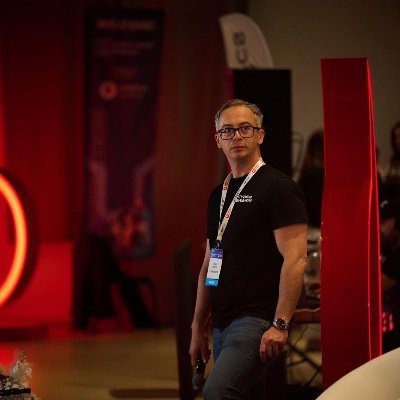
Mihai Raneti Kept a Spreadsheet of 1,213 Noes. Then He Built Toward a Brain on a Chip.
The CyberSwarm founder turned failed ventures, 16,000 emails and an unfashionable bet on analog hardware into a patient campaign to make AI learn locally, with less energy and no cloud required.
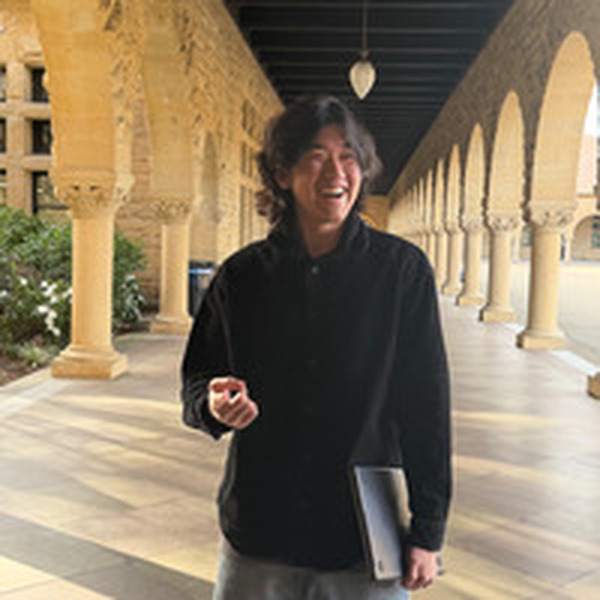
Bill Jiao Is Teaching Big AI to Live in Small Machines
A teenage biology inventor met his future co-founder beside a Beijing dumbbell rack. Now Bill Jiao is trying to move frontier models out of the cloud and into the stubborn, latency-bound world of robots, drones and pocket-size hardware.

Maceo Kwik Walked Away From $400K ARR to Build the Computer He Actually Wanted
Datost found revenue fast. Its founder found something harder: a reason to stop. Now the engineer who once squeezed a startup into the hours after work is betting on camera-free AI glasses, factory emails at night and a quieter kind of computer.

Akshay Narisetti Put a Button on the Messy Business of Remembering
The Pocket co-founder spent years teaching machines to navigate the physical world. Now he is betting that one button, three microphones and ruthless product focus can make people stop taking notes and start paying attention.
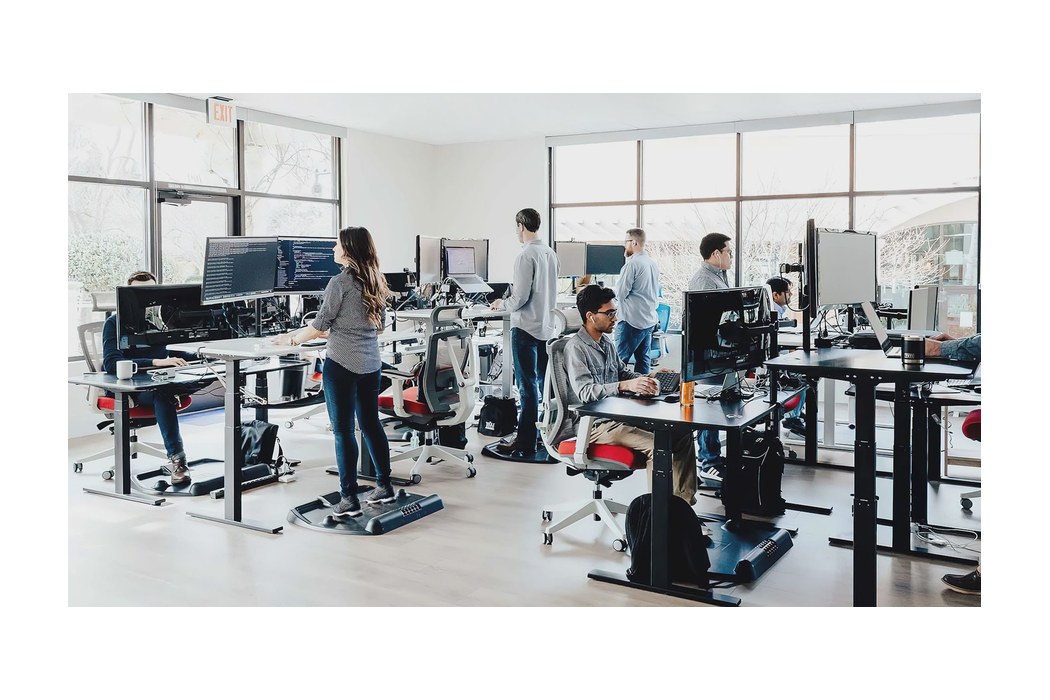
Autonomous Started With a Standing Desk. Now It Wants Your Whole Office to Think.
A New York furniture startup shipped millions of desks and chairs to more than 30 countries, then bet its next act on a stranger idea: hardware that reasons. Here is how a Kickstarter desk turned into an AI hardware workshop.
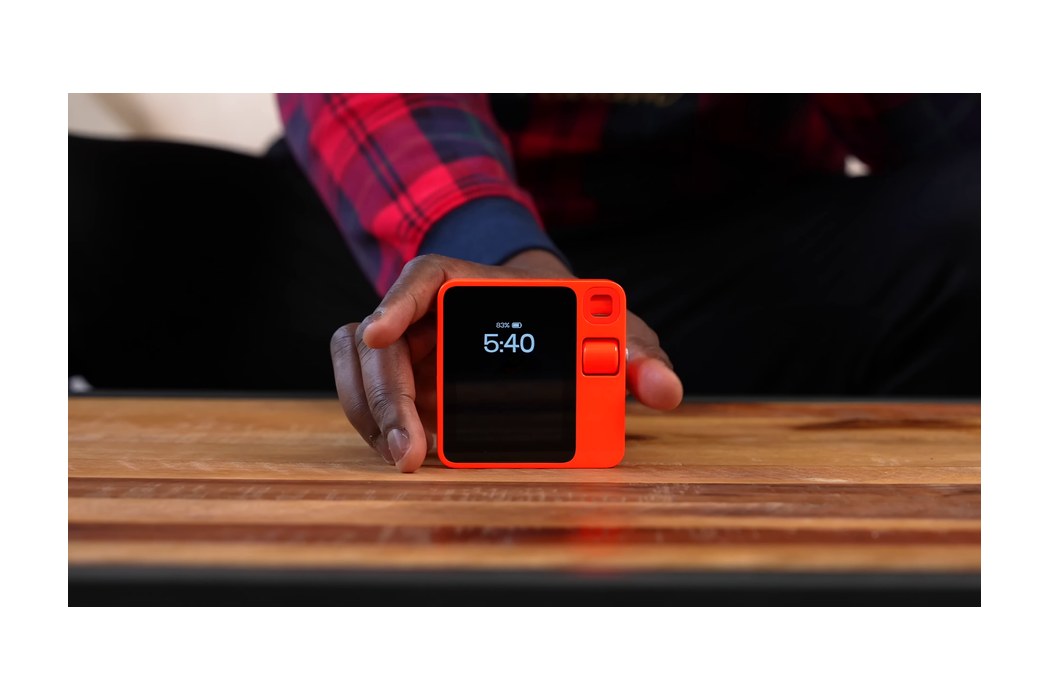
The Orange Box That Bet the Smartphone Was Optional
A $199 orange gadget promised to replace your apps with an AI that clicks the buttons for you. The launch went viral, the reviews went brutal, and rabbit is still shipping.

The AI Chip Company Betting the Future Won't Fit Inside One GPU
Tenstorrent is building AI computers from small, networked pieces - then opening the software so developers can see how the machine works. The wager is simple: in a market organized around one dominant GPU stack, flexibility can be a product.
Baya Systems
AI chips are getting better at arithmetic and worse at waiting. Baya Systems is building the configurable on-chip roads - and the software map - meant to keep data moving before a costly design becomes silicon.
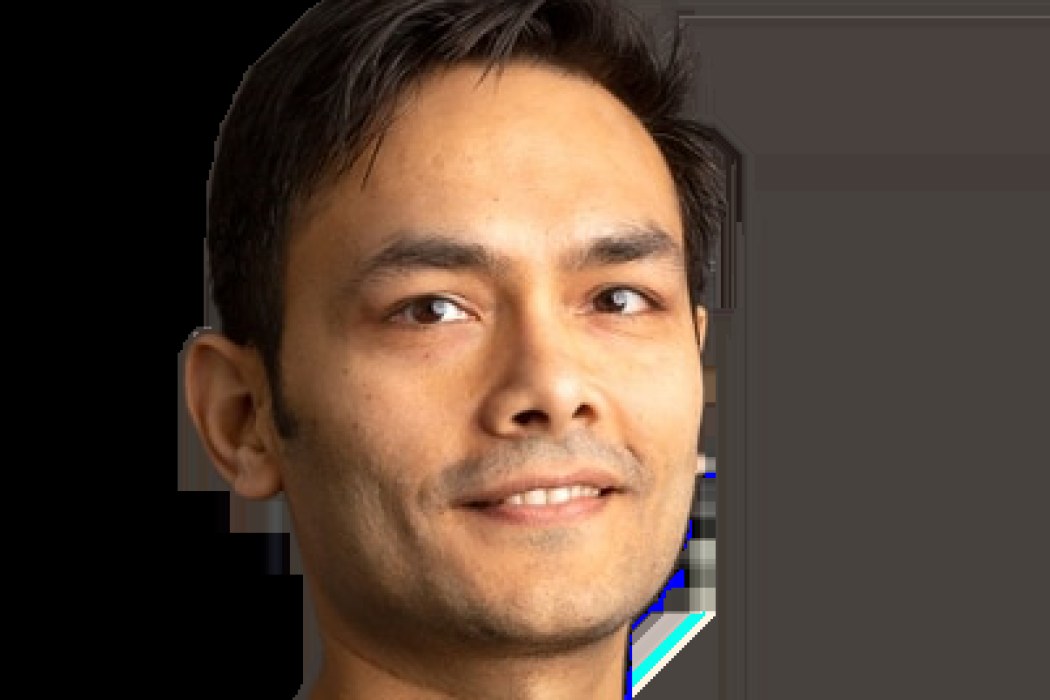
Veerbhan Kheterpal
Veerbhan Kheterpal is the co-founder and CEO of Quadric, a Burlingame, California processor IP company building the Chimera general-purpose neural processor (GPNPU) for on-device AI inference. A three-time technology founder with a PhD from Carnegie Mellon University, he previously co-founded Fabbrix (acquired by PDF Solutions) and was a technical co-founder of 21, Inc. Quadric's software-first architecture aims to run any AI model without the obsolescence that plagues fixed-function AI accelerators, and the company has raised roughly $90M across its funding rounds while scaling licensing revenue sharply through 2025.

Diode Computers, Inc.
Diode Computers is a New York-based startup building an AI-powered, code-first platform for designing and manufacturing custom printed circuit boards. Its open-source toolchain - a Rust-based PCB compiler that treats schematics as Python-readable code - lets AI agents and engineers generate, validate, and manufacture boards in days rather than months, with human-in-the-loop verification. Founded in 2024 and backed by a $11.4M Series A led by Andreessen Horowitz, Diode serves hardware teams in aerospace, robotics, and defense.
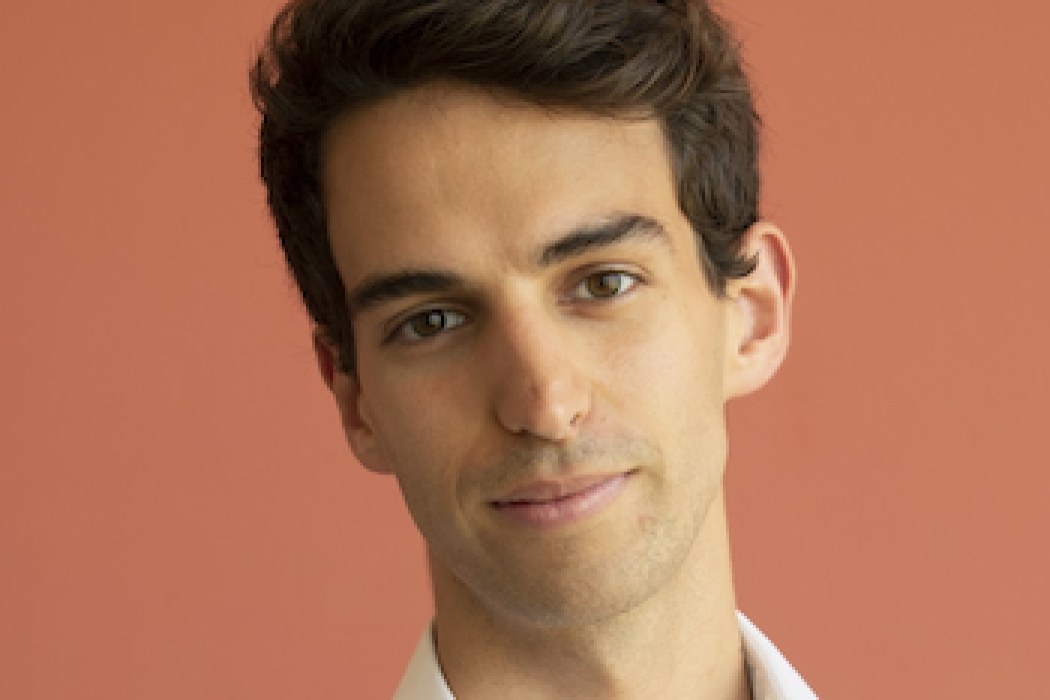
Davide Asnaghi
Davide Asnaghi is the co-founder and CEO of Diode Computers, a startup rebuilding how printed circuit boards are designed and manufactured. An Italian-born engineer trained at UC Berkeley, he spent years building hardware at Apple's Special Projects Group and medical-device companies before starting Diode to replace legacy EDA tools with open-source, AI-friendly software: a Python design language backed by a Rust compiler that turns requirements into manufacturable circuit boards in a fraction of the usual time. Diode raised an $11.4M Series A led by Andreessen Horowitz and partners with Anthropic to make Claude a more capable electrical engineer.
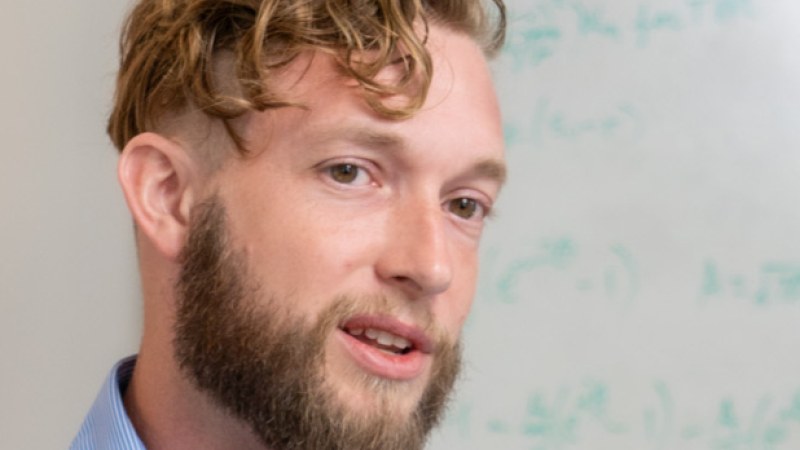
Patrick Bowen
Patrick Bowen is co-founder and CEO of Neurophos, an Austin-based startup building optical AI accelerator chips around metamaterial-based photonic tensor cores. A Duke PhD in electrical engineering and ETH Zurich master's grad, he previously co-founded Metacept with his Duke advisor David Smith. In January 2026 Neurophos closed a $110M Series A led by Gates Frontier with Microsoft's M12, Aramco, Bosch and others.

Opticore
Opticore is a photonic computing startup building optical processing units (OPUs) - chips that run AI workloads with light and waveguides instead of electrons. Spun out of research at MIT, USC and UC Berkeley, the company claims its photonic chips are up to 100x more energy efficient and offer roughly 25x the computing density of leading GPUs, using time-multiplexed computing to encode as many as a trillion parameters on a single chip. Opticore has raised about $14.5M to date to attack the energy and 'memory wall' bottlenecks of AI data centers.
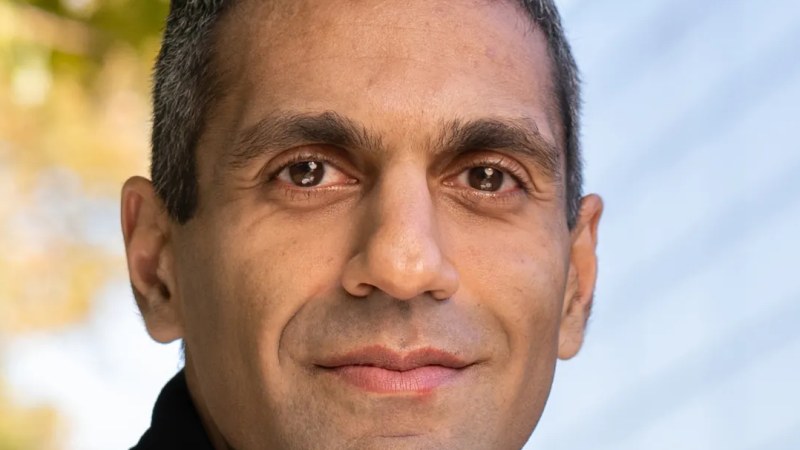
Naveen Verma
Naveen Verma is the co-founder and CEO of EnCharge AI and a professor of electrical and computer engineering at Princeton University. He spent roughly six years de-risking a single, stubborn idea - computing with electric charge stored in metal capacitors instead of noisy transistors - before spinning it out of his lab in 2022. The result is analog in-memory computing hardware that his company says runs AI inference at roughly 20 times less energy than a typical GPU, aimed squarely at putting powerful AI on laptops and edge devices rather than in power-hungry data centers. EnCharge has raised more than $144 million, including an oversubscribed $100M+ Series B led by Tiger Global in early 2025, and shipped its first commercial accelerator, the EN100.
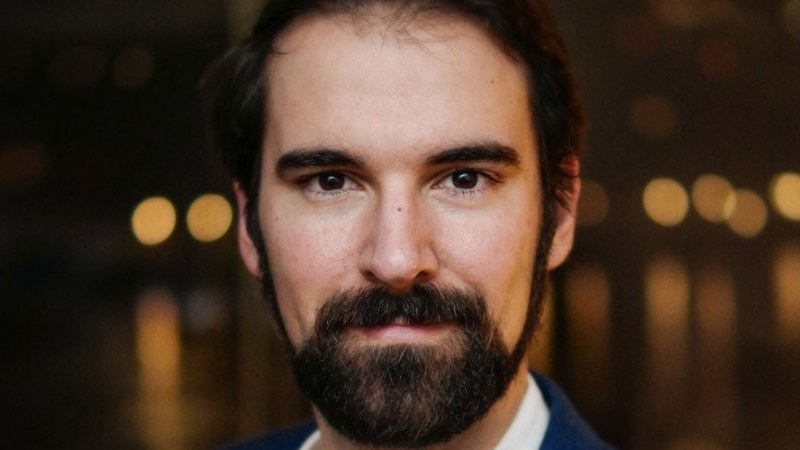
Johannes Galatsanos
Johannes Galatsanos is Co-Founder and CEO of Diffraqtion, a Boston-based quantum imaging startup that has built a quantum camera capable of recovering 95% of photon information lost by conventional sensors - translating to 20x higher resolution and 1,000x faster image processing than any existing optical system. A multilingual MIT and Oxford graduate with Greek-German roots, Galatsanos pivoted from leading AI and data transformation at Novartis to commercializing a decade of DARPA- and NASA-backed quantum photonics research. Diffraqtion won first prize at SLUSH 2025, secured a $4.2M pre-seed round in January 2026, and is targeting satellite launches for space domain awareness and Earth observation by 2028-2029.
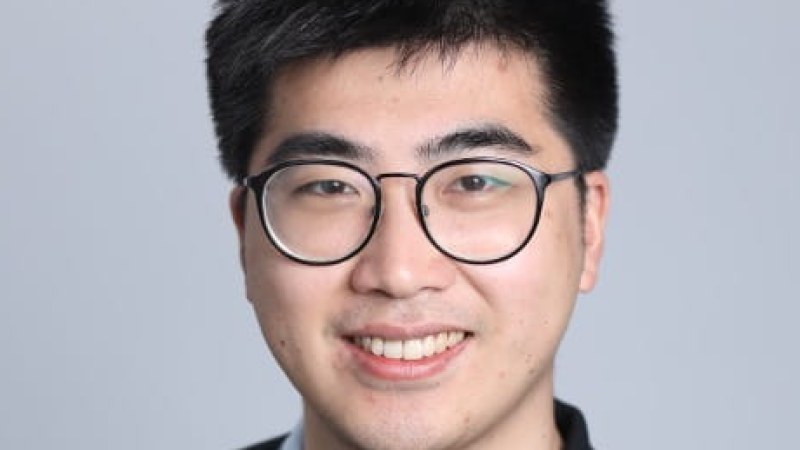
Zaijun Chen
Zaijun Chen is a physicist-turned-founder building light-powered computers for artificial intelligence. As co-founder and CEO of Opticore, he is developing photonic optical processing units (OPUs) that the company says are up to 100x more energy efficient and 25x denser than leading GPUs. Trained at the Max Planck Institute of Quantum Optics and MIT, and now director of the Laboratory of Intelligent and Quantum Photonics at USC, Chen turned a decade of precision-optics research into a venture-backed bet that the future of AI compute runs on photons instead of electrons.
Yichen Shen
Yichen Shen is the founder and CEO of Lightelligence, an MIT spinout building computers that run on light instead of electricity. A physicist who earned his PhD at MIT in 2016, Shen co-authored a landmark 2017 Nature Photonics paper showing that deep-learning math could be done with interfering photons, then turned the idea into chips. His company has shipped photonic processors (PACE), the first optical network-on-chip (Hummingbird), and optical interconnects (Photowave), and in 2026 became the first AI photonic-computing company to go public.

MatX
MatX is a Mountain View semiconductor company building chips designed exclusively for large language models. Founded in 2022 by ex-Google TPU engineers Reiner Pope and Mike Gunter, it aims to deliver an order-of-magnitude more performance-per-dollar for frontier model training and inference than current GPUs.
Kamran Maniar
Kamran Maniar is the Chief Executive Officer at Flux (flux.ai), the AI-powered PCB design platform headquartered in San Francisco. Flux - backed by 8VC and Bain Capital Ventures - has raised $39 million in total funding and serves over one million hardware builders across the globe, making professional circuit board design as accessible as writing a prompt. Operating at the intersection of AI, electronics, and manufacturing, Maniar leads from the crossroads of Silicon Valley ambition and Pakistan's deep engineering talent.

DreamBig Semiconductor Inc.
DreamBig Semiconductor is a San Jose-based chiplet company building open silicon platforms that scale AI networking from 800 Gbps to 12.8 Tbps. Founded by Marvell veterans, the team is selling chiplets, a SuperNIC, and a chiplet hub aimed at AI data centers, automotive, and edge compute.
Eric Rosenblum
Eric Rosenblum is a General Partner at Xora Innovation, a Temasek-backed early-stage venture firm investing in AI infrastructure, applied AI, and deep tech. Based in Silicon Valley, he is the firm's first US-based GP, bridging Southeast Asian capital with American innovation. Before Xora, he built Foothill Ventures into a leading deep-tech seed fund and spent his career as an operator at Google, Palantir, and as founder/executive at two acquired startups. A Harvard and MIT Sloan graduate raised in Steubenville, Ohio, he brings a rare combination of big-tech product leadership, China market experience, and hands-on startup scaling to his role as investor.
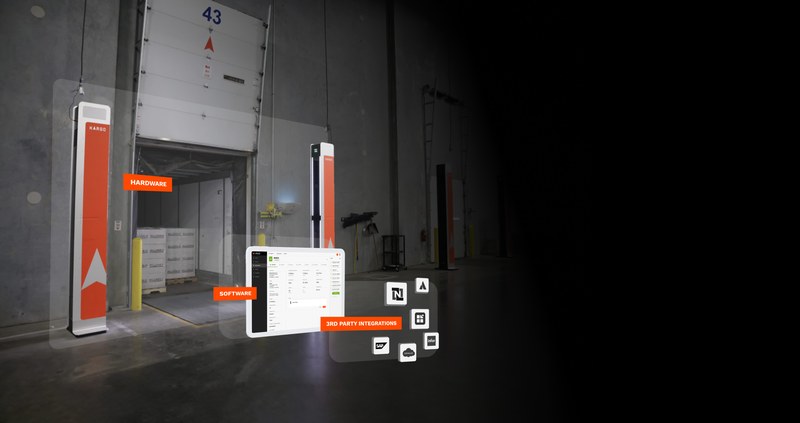
Kargo
Kargo is a San Francisco-based AI company building computer vision systems for warehouse loading docks. Its Kargo Tower and Kargo Lift hardware capture freight as it moves, reading labels, flagging damage, and feeding accurate, real-time inventory data into enterprise systems.
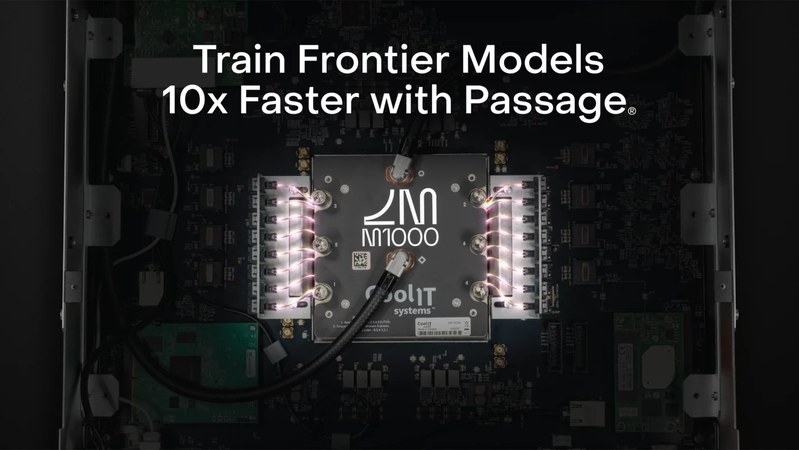
Lightmatter
Lightmatter is building a photonic supercomputer. The Mountain View company uses light, not electrons, to move data between AI chips - tackling the bandwidth and energy wall that's about to crash into the next generation of data centers. Its Passage interconnect and Envise processor aim to connect millions of chips at the speed of light.
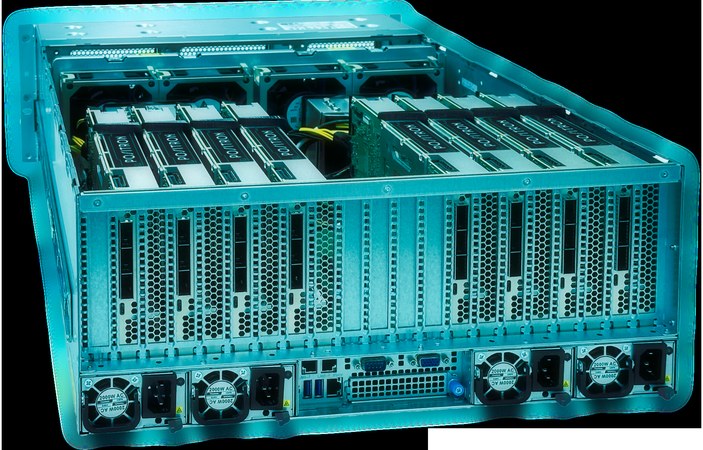
Positron AI
Positron AI designs purpose-built inference hardware for transformer models, aiming to make Nvidia GPUs optional for running large language models at production scale. Its first product, Atlas, ships from US fabs and claims roughly 3x lower latency and 4x better performance-per-watt versus an H100 system.
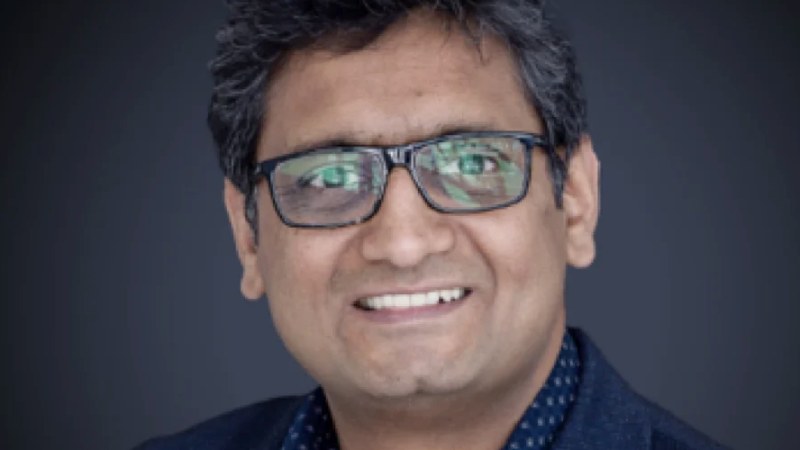
Sailesh Kumar
Sailesh Kumar is the founder and CEO of Baya Systems, a Santa Clara startup building unified fabric and chiplet interconnect software for AI silicon. A former Intel Fellow and the co-founder of NetSpeed Systems (acquired by Intel in 2018), he holds more than 150 patents and is among the most-cited engineers in network-on-chip design.
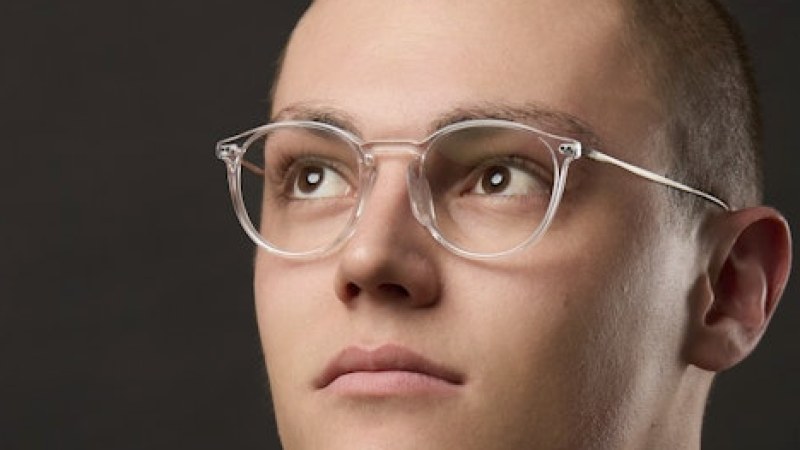
Nicolas Muller
Nicolas Muller is the co-founder and CEO of Arago, a Paris-based deep-tech startup building a photonic AI accelerator called JEF that uses light instead of transistors to perform AI inference at 10x lower energy than leading GPUs. Coming from a physics and machine learning background - including an ML degree from MIT - Muller co-founded Arago in 2024 alongside Eliott Sarrey and Ambroise Müller. The company raised an oversubscribed $26M seed round in July 2025 backed by Earlybird, Protagonist, Visionaries Tomorrow, and angels from Apple, Datadog, Hugging Face and Arm. Arago's approach - top-down from inference efficiency requirements, not bottom-up from optics research - delivered a working prototype in under 12 months.

Mitesh Agrawal
Mitesh Agrawal is the CEO of Positron AI, a Reno-based AI inference hardware startup that has raised $305M and achieved unicorn status in under 34 months. A co-founder and long-time COO of Lambda Labs - where he helped grow revenues from $500K to ~$500M - Agrawal brought his front-row view of GPU limitations to Positron, a company building purpose-built silicon (the Atlas system, and next-gen Asimov chip) that delivers 3x the performance of Nvidia GPUs at one-third the power. Backed by Arm, Qatar Investment Authority, Jump Trading, and others, Positron is building America's first at-scale AI inference silicon company.