marketing-operations
(98)
The Marketing Department You Rent Before You Can Afford to Build One
Catalyst Marketing Agency built its business around a peculiar gap: the moment a growing company needs an entire marketing department but can justify only one more salary. Its answer is a team that behaves less like a vendor and more like borrowed infrastructure.

The Freelancer Was Never the Mess. The System Around Them Was.
Publicist began by matching brands with marketers. Six years and 50,000 specialists later, its customers had taught it a stranger lesson: finding the person was only the beginning.

Firebrand’s Clever Bet: Make Every Marketing Channel Feed the Next
The San Francisco agency stopped treating PR, search, content and paid media as neighboring departments. Its wager is that one sharp idea, passed intelligently from channel to channel, can beat four disconnected campaigns.

Inspired Thinking Group Makes the Big Idea Work Overtime
The Birmingham marketing group has built a business around advertising’s endless variations. Its pitch to brands: keep the creative ambition, cut the repetitive work.
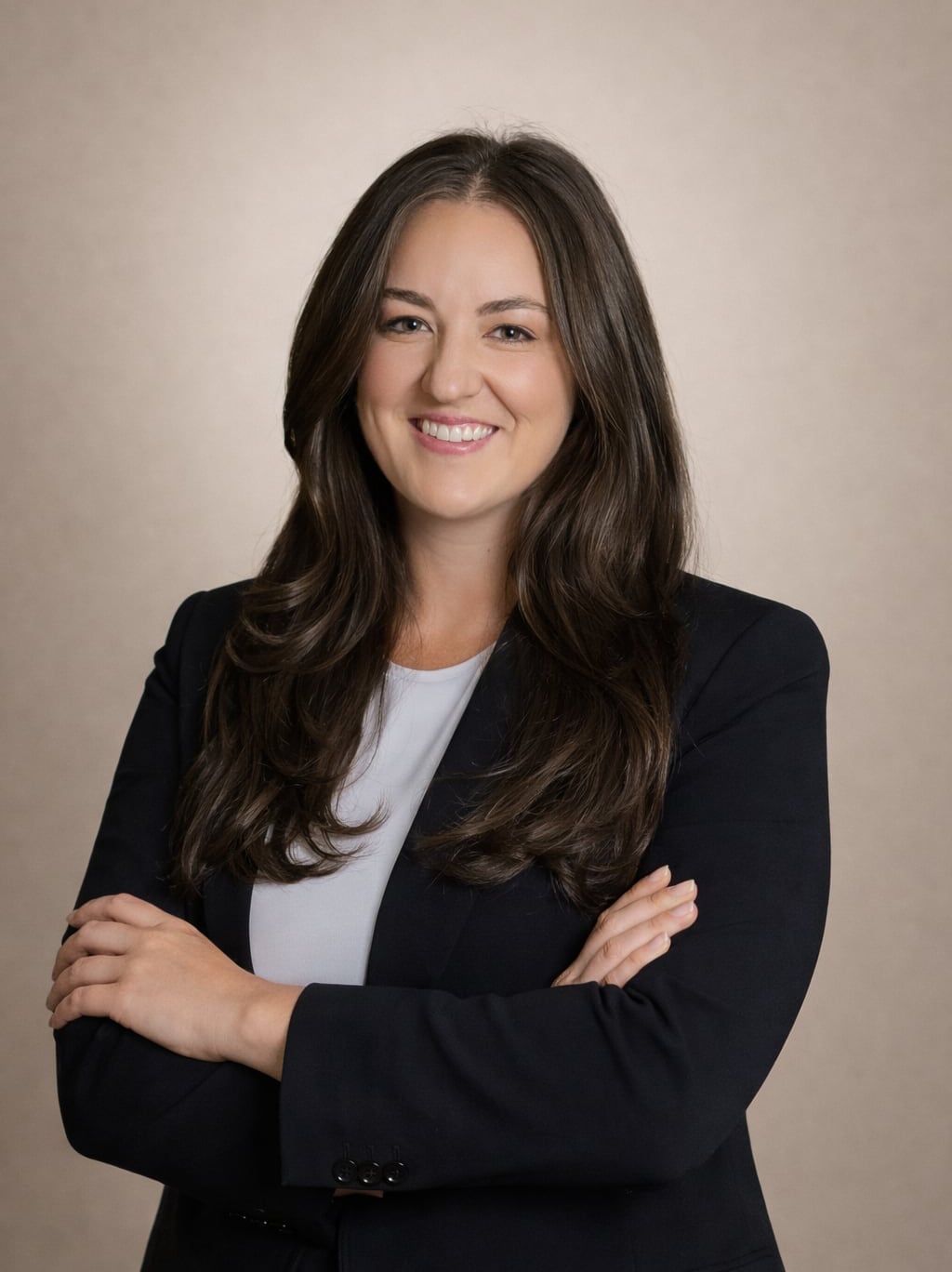
Alexi Hatch Is Racing the Half-Life of Customer Intent
The design-trained CMO of Acoustic has built a career around one stubborn idea: marketing gets better when evidence travels faster than opinion.

Kay Kienast Built a Career for the Moment the Marketing Plan Stops Working
From consolidating a seven-distributor channel to teaching AI-era teams to recognize the right buyer sooner, Kay Kienast has made a specialty of marketing when the company, the market, or both are in motion.

Samra Anees Learned to Read Technology. Now She Helps Shape How Carta Tells Its Story.
A cognitive science graduate became a technology analyst, found her footing in marketing at Cisco, then chose the useful discomfort of a new market at Carta. Her career is a study in curiosity made operational.
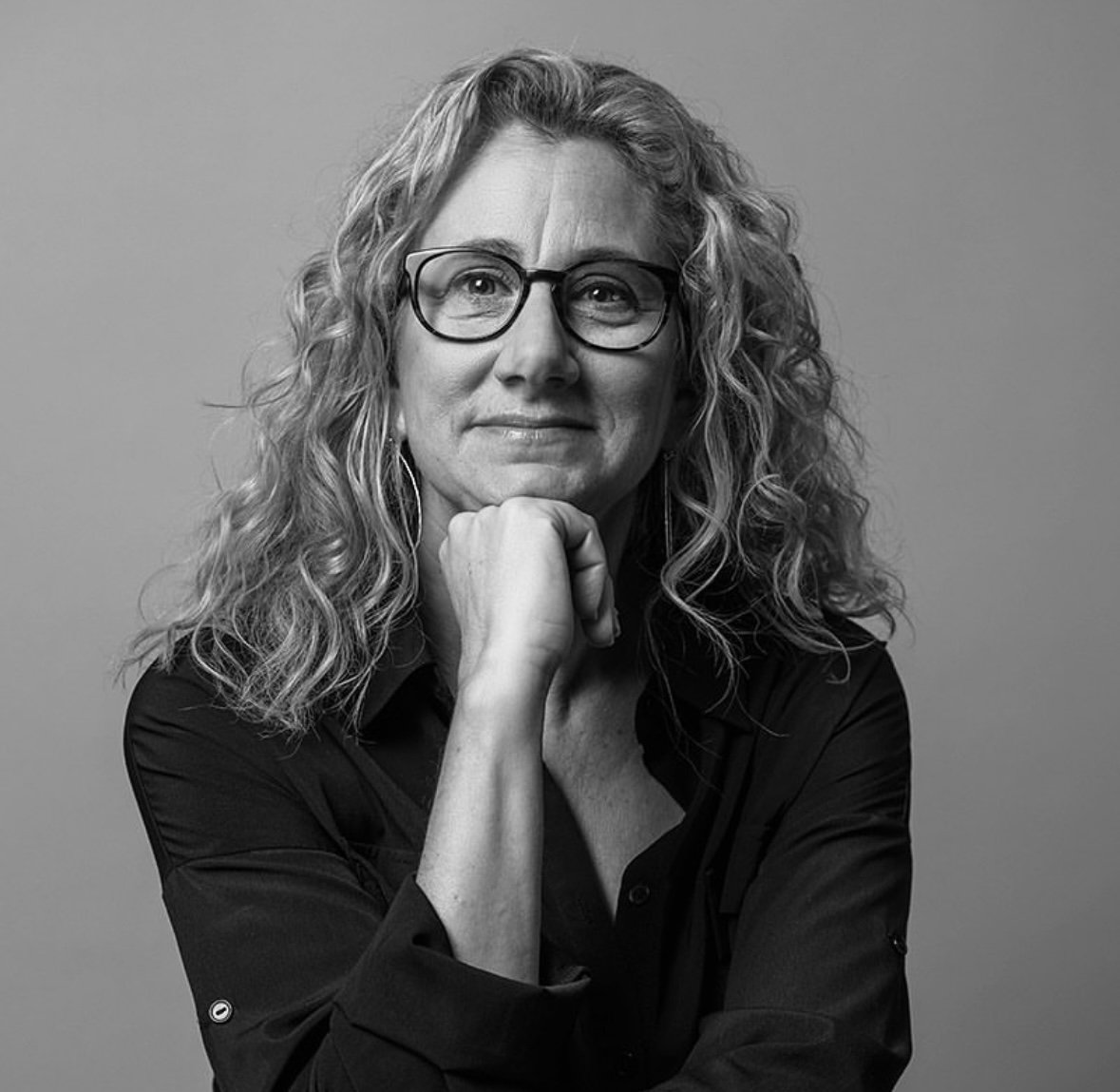
Jill Adams Makes Complicated Software Companies Easier to Understand
After three decades in B2B technology, the HeroDevs CMO has reduced her operating philosophy to a clean test: keep what works, remove what does not, and never lose the people inside the system.

Sudharsan Rajagopalan Turned a 21-Year Dell Career Into a Marketing Operating System
After more than two decades inside Dell, Sudharsan Rajagopalan has learned to make marketing answer to the business - through customer intelligence, partner economics and the quiet discipline of running the machine.

Karl Van Den Bergh Makes Marketing Answer a Harder Question
A physicist turned developer turned CMO, Karl Van Den Bergh has spent 25 years translating technical complexity into plans that boards, sellers and buyers can act on. His favorite instrument is not a grand manifesto. It is one page.

Wendy White Learned Marketing in the Army. Now She Is Rewriting It for AI.
Before the boardroom came Russian lessons, psychological operations and a film credit with Tim Burton. Three decades later, Wendy White is still studying audiences - only now the campaign map runs through SaaS, global teams and AI.

The Collect Call That Changed Mychelle Mollot’s Career
A geophysicist called Cognos from a rural Manitoba gas station and found an unexpected vocation. Three decades later, Mychelle Mollot still treats technical fluency, plain speech and curiosity as one job.
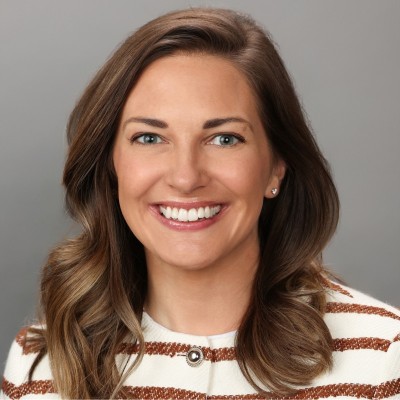
Katie Wild Wants Marketing to Work Like a Shipping System: Visible, Connected, Measurable
The FreightWise CMO has spent 15 years turning complicated logistics into useful stories. Her latest assignment began with a one-person team, 510 URLs and a stubborn belief that marketing systems should actually talk to one another.

LuJean Smith Has Spent 35 Years Making Complicated Things Clear
From a student newsroom in Oregon to GlobalLogic's AI-era brief, Smith's career is a study in translation: turning intricate systems, shifting markets and new technology into stories people can actually use.
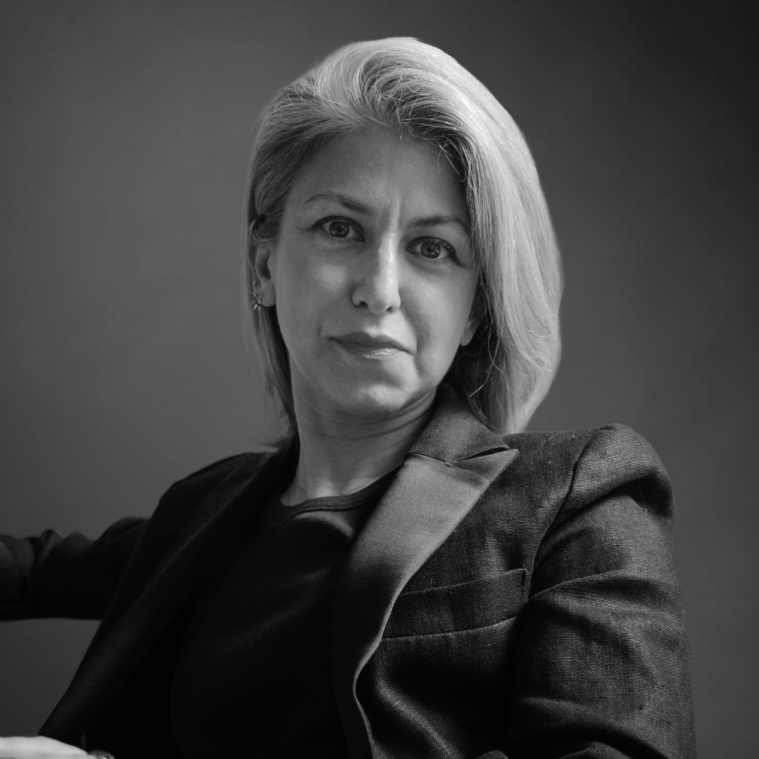
Christina Cubeta Wants Marketing to Keep Its Soul - and Show Its Work
After helping scale adtech, modernize a flower business and turn motherhood into an operating credential, Christina Cubeta is asking a harder question: what should marketing preserve when machines begin making the buys?

Laura Norman Makes the Complicated Move
At Datadog, she helps a large marketing organization find its rhythm. In San Francisco, she spent years helping a small park find its future. Laura Norman's career is a study in turning many voices into forward motion.

Google Said No. Matt Epstein Kept the Audience.
A fake moustache, a rejected application and a customer’s startled reaction trace the career of a marketer who learned to turn attention into operating leverage.

Rebecca Stone Wants the Data Clean - and the Customer Heard
After building pipeline at LiveRamp and speeding up marketing at Cisco, Rebecca Stone has taken on a wider brief at Plume: make every customer handoff carry context, and leave the difficult conversations to humans.
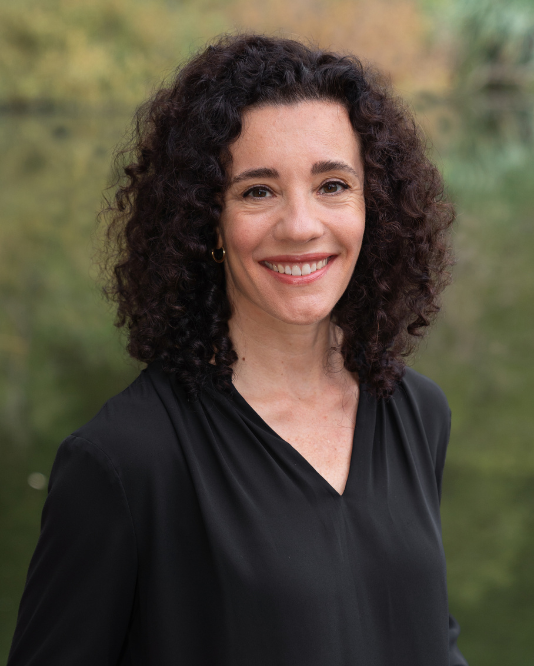
Leah Allen Makes the Invisible Machinery of Commerce Make Sense
She began with words, learned the systems beneath them, and now markets the data that helps products earn trust - whether the customer is a person or an AI agent.

Mike Higashioka Built a Career at the Seam Between Science and Strategy
Before he helped steer marketing strategy at Nutanix, Mike Higashioka was engineering tissue with an inner zone, an outer zone and a stubborn interface. His career since has been a study in making unlike parts work together.
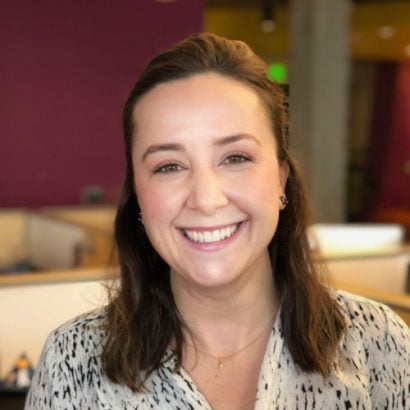
Martha Walchuk Makes Complicated Technology Make Sense
Before AI agents needed identities, customer-service agents needed better tools. Martha Walchuk has built a career in the difficult middle ground where enterprise software, human judgment, and the machinery of marketing meet.
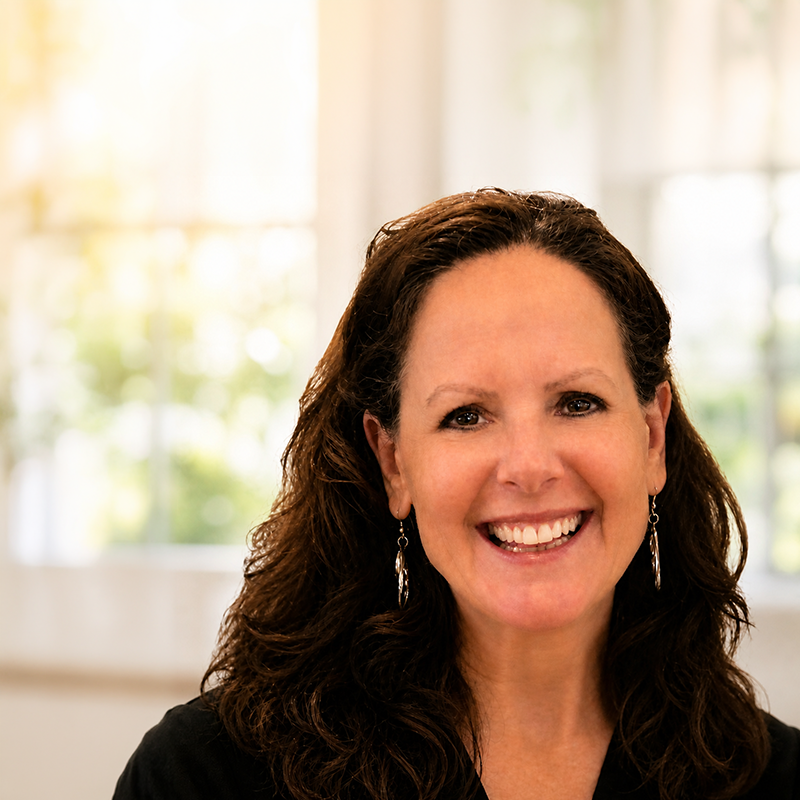
The Ledger Behind the Label: Laurie Klausner Brings Metrics to the Food Chain
After two decades marketing software that lives behind the scenes, Laurie Klausner has arrived at Trustwell with a visible brief: turn traceability, compliance and recall readiness into a story the food business can act on.

The 'Miracle Worker' Behind ServiceNow's Brand Calendar
Before she managed the tempo around ServiceNow's brand leaders, Shawntae Tehrani-Austen spent years learning the unforgiving clock of digital advertising. Her career is a study in the operational work that makes creative ambition possible.

Jennifer Ortiz Spent 20 Years Learning Progress From the Inside. Now She Conducts Its Marketing Symphony.
The Progress CMO built her career in the machinery of the business - IT, finance, operations - before taking the podium. Her bet on AI is practical, but her governing idea is stubbornly human: trust still begins with a conversation.

Emily Cosnotti Makes Taste Operational
From photo prints and subscription boxes to an owl loose in Roblox, Emily Cosnotti has built a career out of giving ambitious ideas a workable shape. Her other laboratory is a 1929 Pittsburgh house, where taste must survive budgets, tools and the occasional uncooperative ceiling.
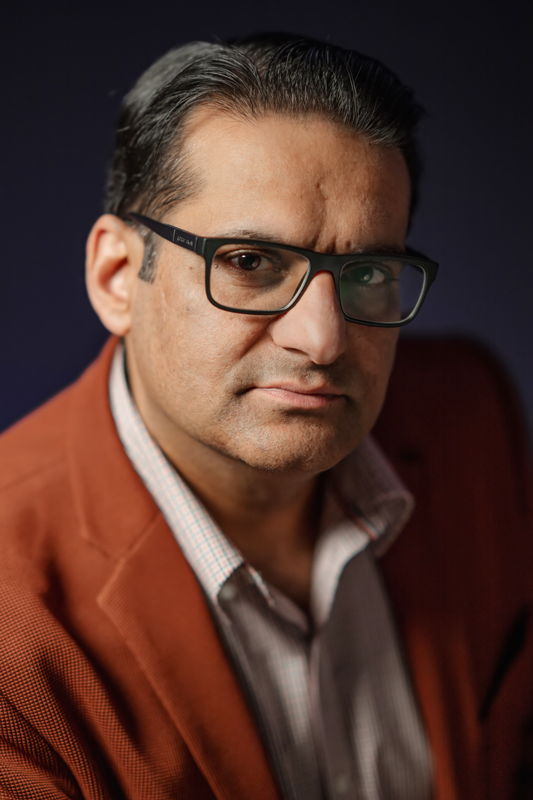
Devinder Jeet Singh Spent a Decade Making Contracts Interesting
He joined Sirion when contract software meant forms and workflows. Ten years, two continents and one 1,200-registration webinar later, he is its CMO - selling the idea that the fine print can become working business intelligence.
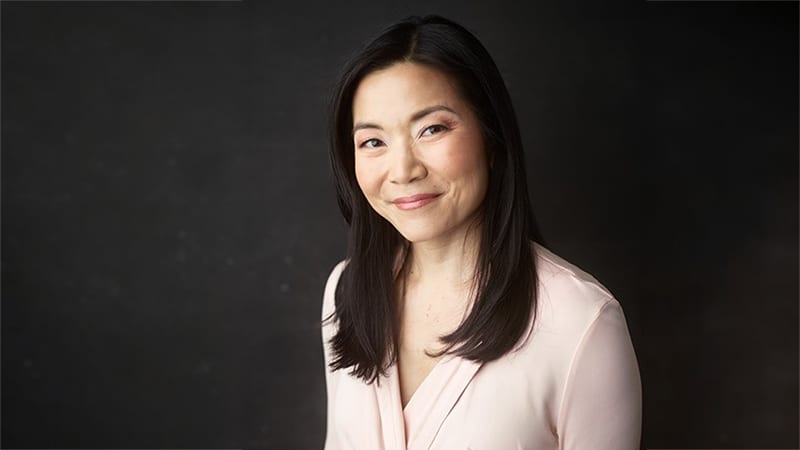
Stephanie Cho Is Building a Marketing Engine for the Work Nobody Sees
A chemical engineer, former studio owner, and product-led growth operator is applying customer psychology, disciplined experiments, and a little hard-won empathy to the administrative machinery behind independent practice.
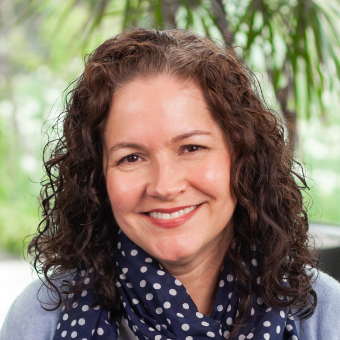
Christine Royston Is Rewiring Marketing, One Broken Workflow at a Time
She began by selling financial software to Wall Street. Two decades and two IPOs later, Wrike's CMO is making a quieter bet: fix the way people work before asking AI to make it faster.

Tiffany Sieve Learned Marketing With Her Paycheck on the Line
Before Tiffany Sieve led global marketing at Xactly, she spent three years selling on 100% commission. The experience left her with a durable idea: marketing earns its place when it helps somebody sell.
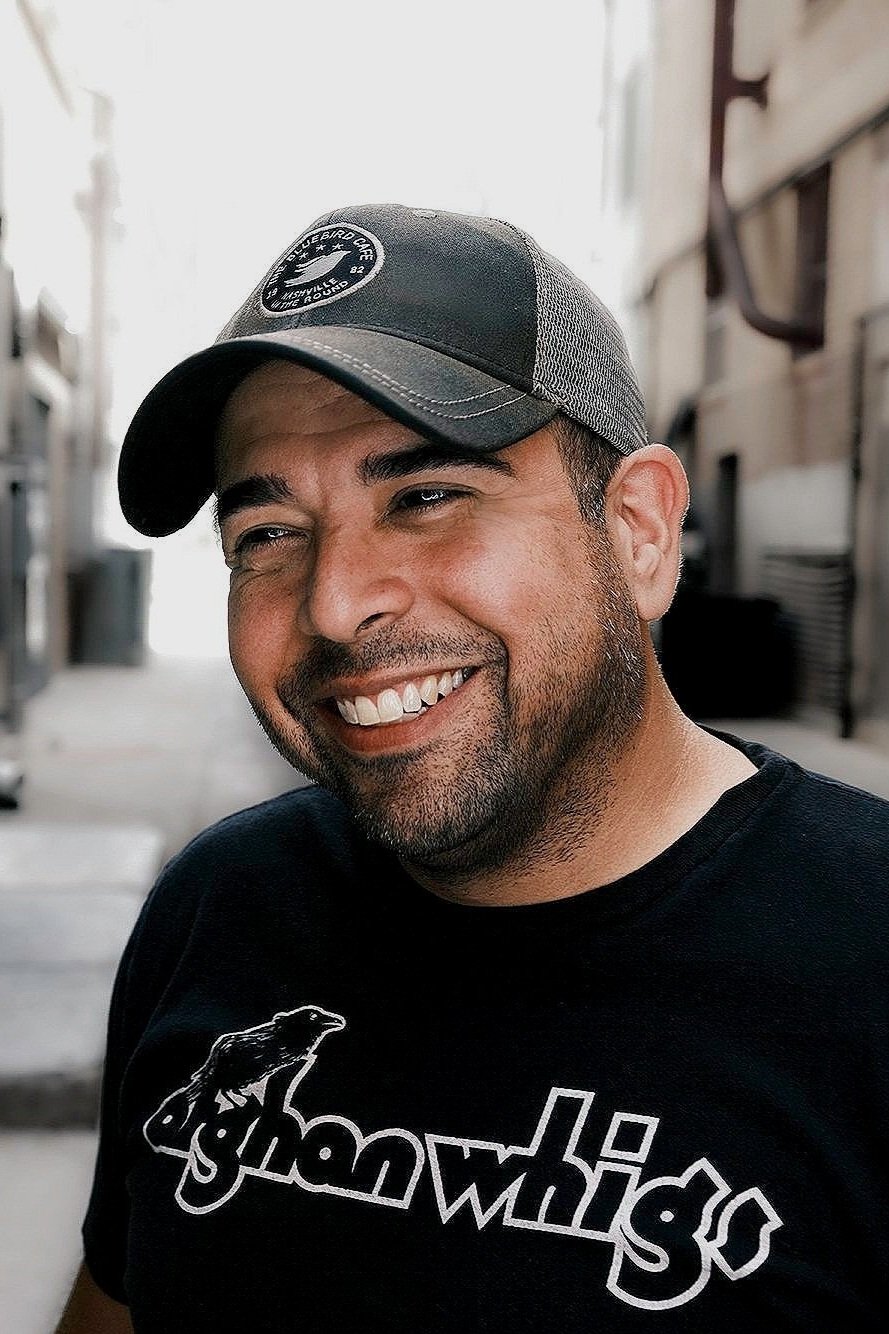
David Cardiel Builds Marketing That Can Take a Punch
Across two decades of B2B software, the Austin executive has kept returning to the same unfashionable idea: marketing should be useful, measurable and sturdy enough to survive the boardroom.