clinical-ai
(40)
Sensyne Health’s £60 Million Bet on NHS Data
Sensyne offered hospitals a share of the proceeds from AI research. A cash crisis forced a rescue, a new name and a smaller business - while its pregnancy-diabetes app found a life of its own.

AdvancedMD Bet on the Boring Machinery of Medicine - Then Sold for $1.13 Billion
The company began with a medical office manager who was fed up with clumsy billing software. Twenty-five years later, its single-database bet runs the daily machinery of 13,000 practices - and reveals both the appeal and the cost of buying the whole stack.
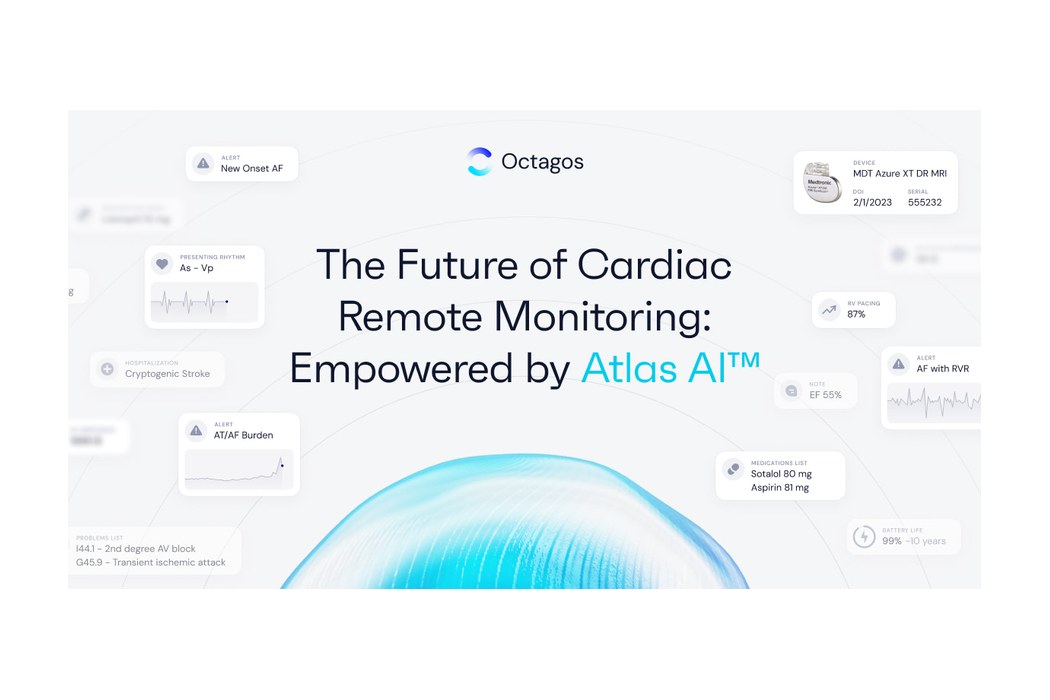
Octagos Built a Bouncer for the Cardiac Data Flood
Remote heart devices produce a blizzard of alerts. Octagos raised $43 million to decide which ones deserve a clinician's attention - and to make the rest of the clinic run on time.
Caregility Put a Second Nurse in the Room - Without Adding Another Pair of Shoes
Hospitals bought telehealth cameras during the pandemic. Caregility is trying to turn that hardware into a new labor model - one virtual nurse, many rooms, and fewer clerical miles for the people at the bedside.

Kipu Health Wants Behavioral Health to Run on One System - Here’s the Bet Behind the Last Login Standing
Behavioral-health clinics do not need another dashboard. Kipu’s wager is that one vertical operating system can connect the first inquiry, the clinical note, the compliance check and the final paid claim - without making care feel like data entry.
Hospitals Were Missing Millions in Plain Sight. SmarterDx Built an AI Second Opinion.
Two doctors noticed that the most expensive hospital mistakes were often hiding inside records nobody could fully read. Their fix scans every chart, shows its work, and only gets paid when the hospital agrees it found something real.
Andreas Cleve Is Building the Quiet Layer Beneath Healthcare AI
Long before the ambient-scribe rush, Andreas Cleve made a stubborn bet: the useful AI in a consultation would listen carefully, understand context and stay out of the way. A decade later, Corti is turning that bet into infrastructure.
Pelu Tran Left the White Coat for the Last Mile of AI
Four months from a Stanford MD, Pelu Tran chose a startup over a diploma. Two companies later, he is still working on the same stubborn problem: getting useful technology into the hands of clinicians without making their work harder.
Bobby Reddy Bet a Decade on the Data Hospitals Were Missing
An all-access hospital badge helped an electrical engineer discover that his clever device was solving the wrong problem. What followed was a ten-year lesson in listening, clinical rigor and the unglamorous patience required to make AI useful.

MAUI Imaging Waited 17 Years for Chips to Catch Up. Now It Wants Ultrasound to See What It Used to Miss.
A father-son garage project spent nearly two decades turning telescope logic into a portable ultrasound system. The first serious proof is in, but the most interesting claims still have to survive larger clinical trials.

Onto Health Bet $28 Million That Fertility Care Should Start Before the Panic
Most fertility businesses sell a treatment after something goes wrong. Onto Health is trying to sell clarity earlier - then use clinics, software and a $20 million Series A to carry patients through what comes next.

Best Buy Paid $400 Million for Current Health. Then Its Founder Bought the Company Back - and Narrowed the Bet
Current Health began with a wearable, grew into a hospital-at-home operating system, and became a $400 million retail-health wager. Its second act is more disciplined: help hospitals and drugmakers move the hardest care out of the building without making clinicians gamble on safety.

Droxi Found a $25 Million Business Hiding in Doctors' Inboxes
The founders went looking for medication errors. Hundreds of physician interviews pointed them toward a bigger culprit: the endless EHR inbox. Now Droxi is turning clicks, refills and lab messages into a workflow business.
Lantern Laboratory Wants Anesthesia to Read the Brain - Not Just the Room
A tiny New York medtech is betting that anesthesia needs more than one reassuring number. Its EEG platform tries to separate sleep, pain and cognitive age - and an early trial shows exactly how hard that promise will be to prove.

The Surgeons Who Taught Software to Argue With Insurance Companies
Prior authorization is the paperwork chokepoint that delays surgeries and burns out staff. ClinicalBox built an AI that does the arguing - reading the chart, matching the policy, and building the case in about a minute.
Hospitals Bought the AI. Ferrum Health Is Selling the Part That Makes It Work.
Clinical algorithms were multiplying while hospital adoption stayed stuck. Ferrum built the missing last mile - one private route to deploy many models, test them on local patients, and keep watching after launch.

Opalite Health
Opalite Health is a San Francisco-based Y Combinator (W26) startup building an AI-powered, real-time medical interpreter that lets clinicians speak with patients in 150+ languages without waiting for a human interpreter. Founded by physician Cathleen Kuo and former Apple engineer Alex Mehregan, the platform is validated against certified medical interpreters, HIPAA compliant and SOC 2 Type II certified, and is used daily by hospitals, community health centers, home health organizations, telehealth providers, and clinics across 10+ states.

Alaffia Health
Alaffia Health is a New York-based healthtech company that uses agentic AI paired with expert clinicians to help health insurers detect and stop waste, fraud, and abuse in medical claims. Its Autodor platform forensically reviews complete patient medical records against submitted claims to power payment integrity, utilization management, and appeals workflows - reviewing complex facility claims up to 20x faster than manual processes while keeping humans in the loop for defensible, explainable outcomes.

Corti
Corti is a Copenhagen-based healthcare AI company that builds clinical-grade models and APIs helping developers and health systems automate medical conversations. Its Symphony model powers speech-to-text, medical coding, clinical note generation, and agentic workflows, serving roughly 100 million patient interactions a year across providers, insurers, EHR vendors, and public-safety dispatch centers - including the NHS. Corti positions itself as privacy-compliant, healthcare-specialized infrastructure that outperforms general-purpose models on medical tasks.

Dandelion Health
Dandelion Health is a New York-based clinical AI and real-world data company that turns de-identified patient records from a network of U.S. hospitals into research-ready datasets and software for drug developers and AI teams. Its multimodal platform combines structured records, clinical notes, medical images, and raw biological signals such as ECG waveforms across roughly 15 million patients, helping pharmaceutical companies design smarter trials, discover biomarkers, generate real-world evidence, and validate healthcare algorithms against diverse populations.
Dimer Health
Dimer Health is a clinician-led, AI-native transitional care company that manages the high-risk 30 days after a hospital discharge. It pairs licensed clinicians - who it calls Transitionists - with a proprietary clinical AI system, AiME, to monitor patients at home, catch complications early, and reduce avoidable readmissions. Founded in 2023 and based in Florham Park, New Jersey, the company operates a virtual medical practice embedded within health systems and payor networks across eight states.
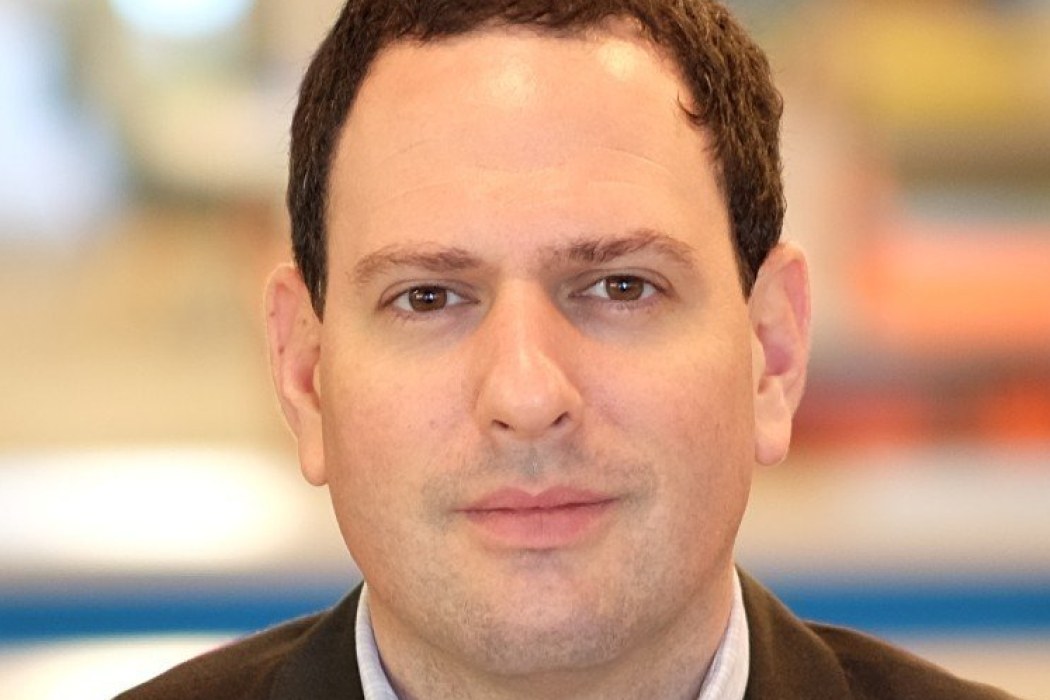
Elliott Green
Elliott Green is the co-founder and CEO of Dandelion Health, a New York-based real-world data and clinical AI platform building multimodal, longitudinal datasets from a consortium of non-academic health systems. A former founding member of Oscar Health with a finance background, Green launched Dandelion in 2020 to give life science companies and AI developers unbiased, clinical-grade data - including the images, waveforms, and notes that make up most of medicine but are rarely used. The company closed a $14M Series A in 2026 and has launched a free AI validation service and a GLP-1 data library aimed at bringing precision medicine to cardiometabolic disease.
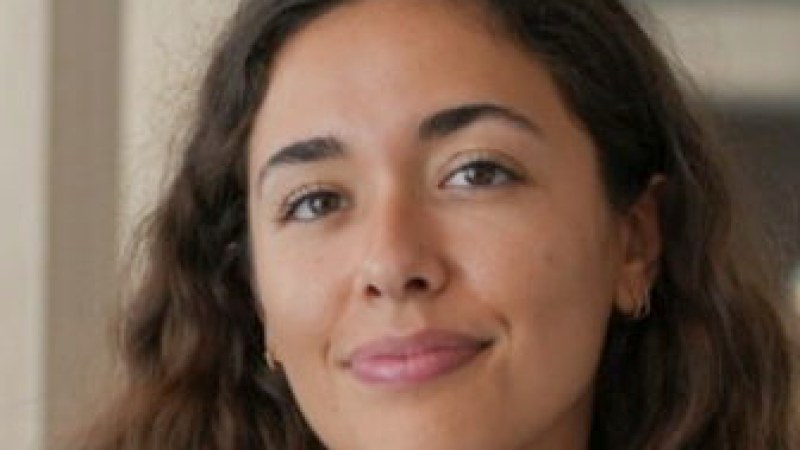
Maria Manso
Maria Manso is the co-founder and CEO of Tucuvi, a Madrid-based healthtech company that builds LOLA, a clinical-grade voice AI agent used by more than 60 healthcare organizations to conduct automated patient follow-up calls. A biomedical engineer by training, she has raised over $21 million for the company, including a $20 million Series A round in January 2026, and was named to the Forbes 30 Under 30 Europe 2025 list for Science & Healthcare.

Doctronic
Doctronic is a New York-based health technology company building an AI-native primary care platform. Its free, anonymous AI doctor gives instant symptom assessments and treatment guidance grounded in peer-reviewed research, and connects patients to licensed physicians for $39 video visits or an insurance copay. Founded in 2023 by technologist Matt Pavelle and vascular surgeon Dr. Adam Oskowitz, the company has processed more than 15 million medical conversations, became the first AI to legally renew prescriptions in the U.S. under Utah's regulatory sandbox, and has raised $65 million across three rounds in under a year.
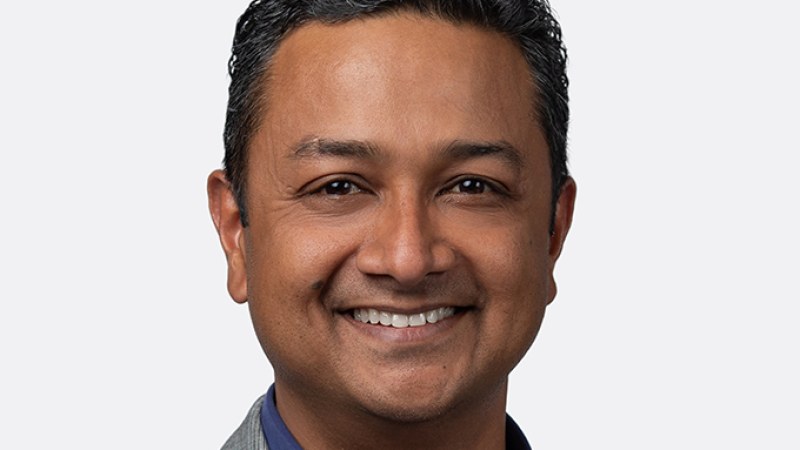
Sanchit Mullick
Sanchit Mullick is the co-founder and CEO of Reveal HealthTech, a New York-based AI transformation firm for U.S. healthcare and life sciences that closed a $7.2M Series A led by Leo Capital in September 2025. Before Reveal, he spent nearly two decades at Infosys, ending as global head of sales for AI & Automation, then led private-equity sales at GlobalLogic. He built Reveal in 2023 with clinician Dr. Salim Afshar and Andrew Bravo, incubated by W Health Ventures and 2070 Health, around two products: BioCanvas for multimodal clinical AI and Prism AI for workflow agents.

Clearpol Inc.
Clearpol is a San Francisco healthtech company that builds AI tools for post-acute and long-term care providers. Its platform reads a facility's clinical data and regulatory environment, then automates the paperwork nobody likes: drafting CMS Form 2567 Plans of Correction, flagging resident risk before it escalates, and answering questions about federal and state nursing-home regulations. Positioned as a compliance 'co-pilot' for skilled nursing facilities, Clearpol says it is trusted by 900+ long-term care facilities and has written thousands of Plans of Correction.

Synthio Labs
Synthio Labs builds clinical-grade voice and agentic AI for life sciences customer engagement. Its platform helps pharma field teams, medical affairs, and patient-support orgs run compliant, continuous conversations across HCPs and patients, powered by a clinical reasoning engine that ingests FDA labels and real-world evidence.
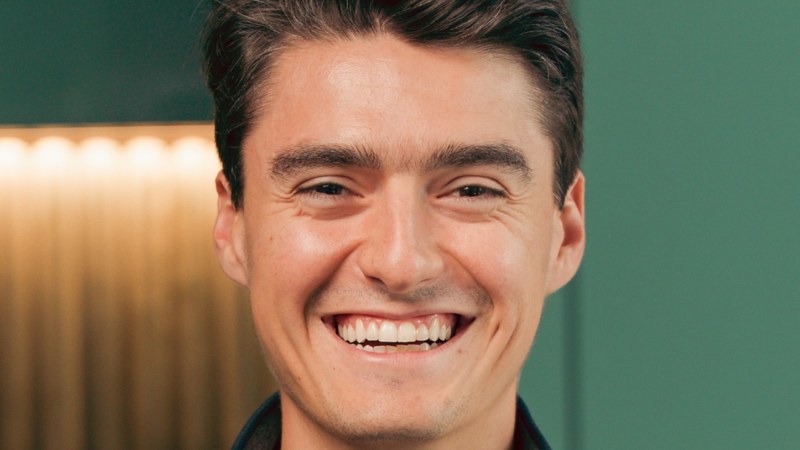
Nicolas Abad
Nicolas Abad is the co-founder and CEO of Telepatia, a Latin American healthtech company building AI healthcare workers - starting with an 'AI Doctor' that transcribes consultations, reviews records, flags drug interactions, and surfaces clinical guidance in real time. Named after his late father's nickname, the company grew from a Stanford MBA side obsession to a venture backed by Andreessen Horowitz, reaching more than 14 million patients across five countries inside its first year. Abad's stated ambition is audacious to the point of comedy: win Latin America's first Nobel Prize in Medicine since 1984 by turning healthcare from scarcity into abundance.
Layer Health
Layer Health is a Boston-based healthcare AI company, spun out of MIT, that uses large language models to automate medical chart review. Its platform reasons over longitudinal patient records to answer complex clinical questions with evidence-based justifications, powering clinical registry automation, quality measurement, clinical pathways and real-world data abstraction for hospitals and health systems. Founded in 2023 and backed by a $21M Series A led by Define Ventures, the company counts health systems such as Intermountain Health, MultiCare and Froedtert among its partners.
David Stoffel
David Stoffel is the Chief Business Officer of RapidAI, the clinical-AI company whose stroke-imaging algorithms helped rewrite the rules of how strokes get treated. A medical doctor who chose boardrooms over bedsides, he has spent more than two decades turning ambitious medical technologies into standards of care - from the da Vinci surgical robot at Intuitive Surgical to mobile cardiac telemetry at iRhythm and point-of-care EEG at Ceribell. At RapidAI he runs the commercial engine: marketing, clinical affairs, education, customer success, corporate development, and finance.